
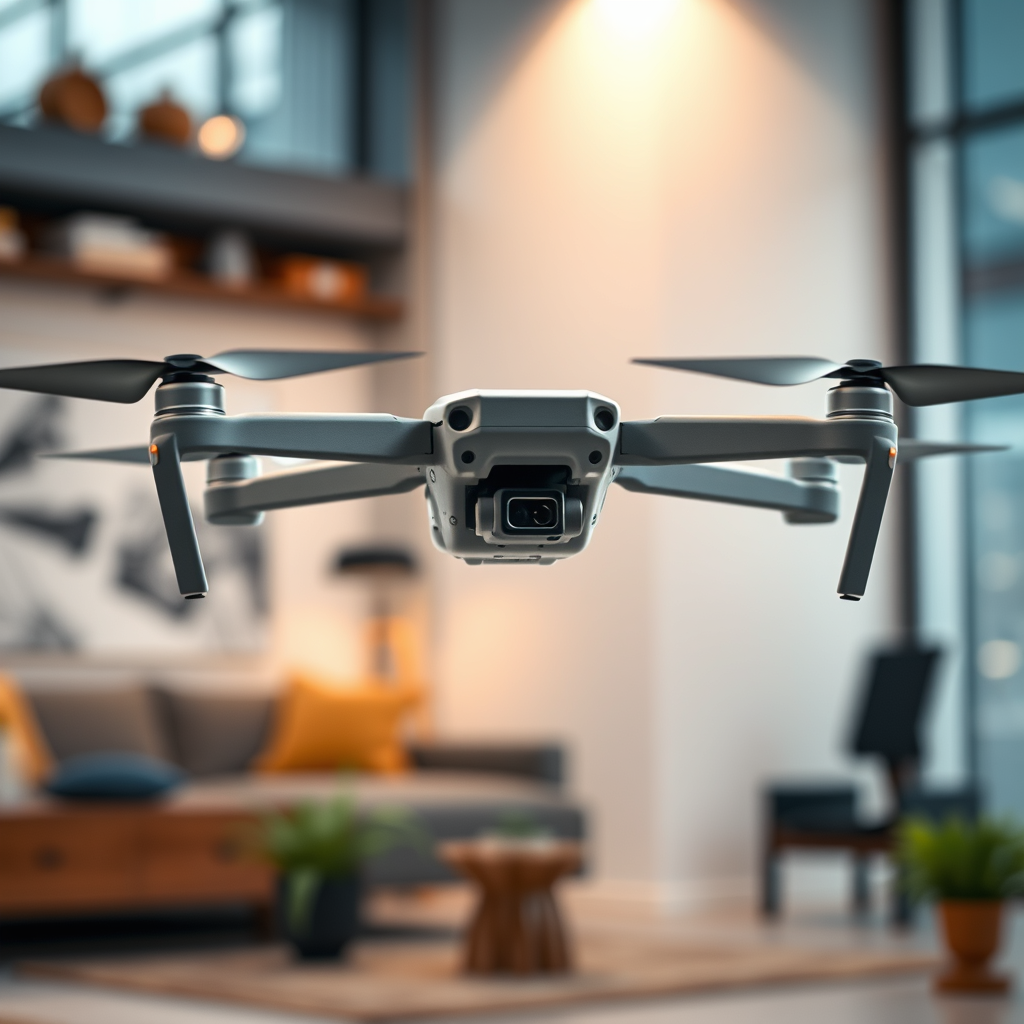
Drones can typically fly anywhere from a few hundred meters to several kilometers away from their base, depending on various factors such as drone model, battery life, and environmental conditions. Understanding the intricacies of drone range is essential for enthusiasts and professionals alike, as it can affect flight planning and operational capabilities. This article will delve into the factors influencing drone range, explore the differences between various types of drones, and provide valuable tips to maximize flight distance.
Understanding Drone Range
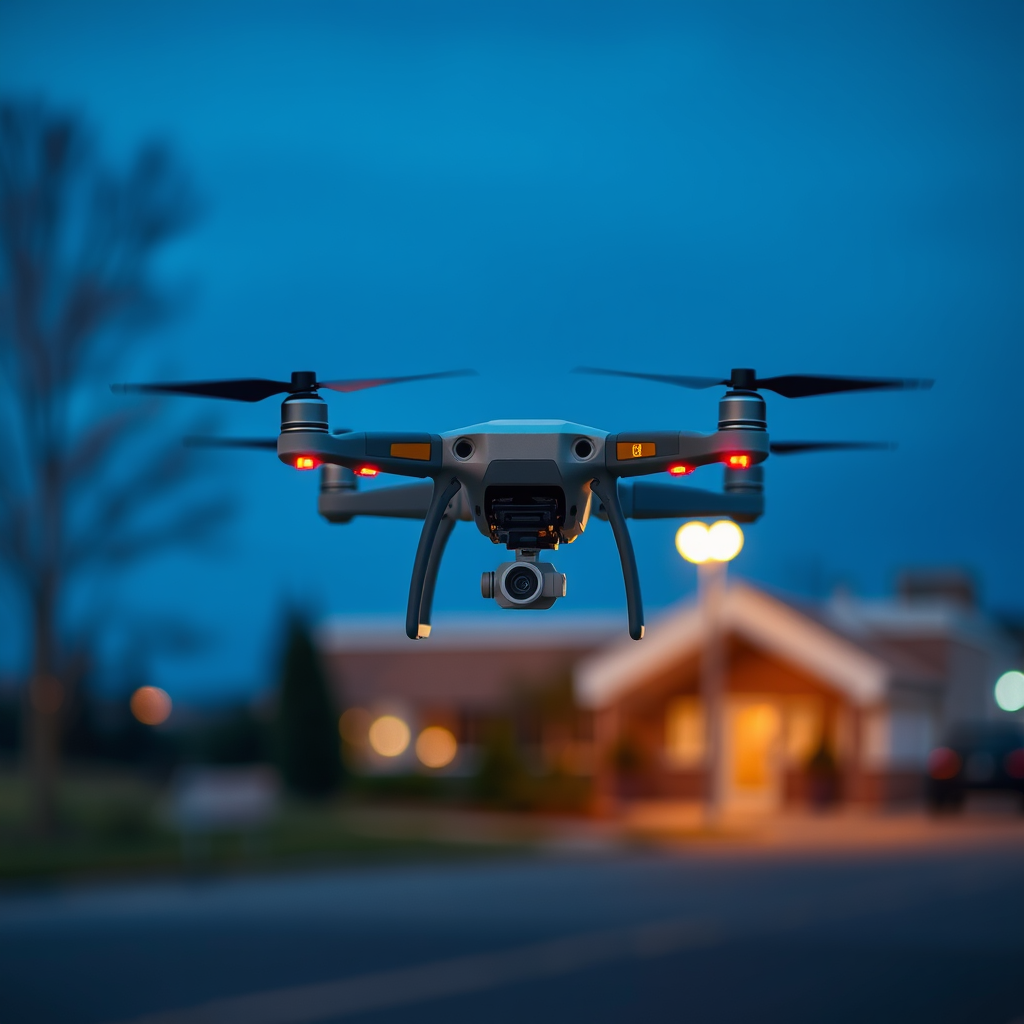
The range of a drone is determined by its transmission technology, which can include Wi-Fi, radio frequency (RF), or cellular networks. Wi-Fi drones often have a limited range, typically suitable for short-range applications like recreational flying or photography within a few hundred meters. Radio frequency drones, on the other hand, can achieve significantly longer distances, often ranging from 1 to 10 kilometers depending on the model and conditions. For instance, professional drones used in agriculture or surveying can employ advanced RF technology to extend their operational range, allowing for flights of up to 25 kilometers or more.
In addition to transmission technology, the design of the drone itself—such as antenna configuration and construction materials—can also impact range. Understanding these nuances is essential for both hobbyists and commercial operators, as it helps them to select the appropriate drone for their specific needs.
Factors Affecting Flight Distance
Battery life is a crucial factor influencing how far a drone can fly. Drones equipped with larger batteries or more efficient power management systems can achieve longer flight durations and distances. For example, consumer drones like the DJI Mavic Air 2 can offer up to 18 minutes of flight time, while professional models like the DJI Matrice 300 RTK can last over 50 minutes, significantly extending their range.
Environmental conditions also play a pivotal role in determining flight distance. Wind speed and direction can affect a drone’s stability and power requirements, potentially reducing its effective range. Obstacles such as trees, buildings, and other structures can interfere with signal transmission, leading to shorter operational distances. Additionally, electromagnetic interference from other devices can disrupt communication between the drone and its controller, further impacting range. Operators should always consider these factors when planning a flight route to ensure optimal performance.
Types of Drones and Their Ranges
Drones can be broadly categorized into three types: consumer, professional, and racing drones, each with distinct operational ranges. Consumer drones, such as the popular DJI Mini series, typically have shorter ranges designed for recreational use—often within 1 to 5 kilometers. These drones are ideal for casual users who wish to capture aerial photography or enjoy flying as a hobby.
Professional drones, used in industries such as agriculture, surveying, and search and rescue, are engineered for extended operational ranges. Models like the DJI Phantom 4 RTK can achieve flight distances of up to 7 kilometers, allowing for more comprehensive data collection and monitoring.
Racing drones, while often limited in flight distance due to their design for agility and speed, can still cover significant distances in short bursts. These drones prioritize maneuverability over range, making them suitable for competitive racing environments where quick navigation is essential. Operators in the racing community typically use first-person view (FPV) technology to maintain control and monitor their drones, which can influence effective range during races.
Legal Restrictions on Drone Flight
Legal restrictions can significantly impact how far a drone can fly from its operator. Many jurisdictions require that drones remain within the visual line of sight (VLOS) of the pilot, which inherently limits operational range. In the United States, for instance, the Federal Aviation Administration (FAA) mandates that drone operators maintain VLOS, restricting their ability to fly beyond a few kilometers without special waivers.
Different countries and regions have specific laws governing drone usage, which may include altitude restrictions, no-fly zones, and requirements for registering drones. For example, in the European Union, the European Union Aviation Safety Agency (EASA) has established regulations that categorize drones based on weight and intended use, which can affect their operational range. It is crucial for drone operators to familiarize themselves with local regulations to ensure compliance and avoid penalties.
Tips for Maximizing Drone Flight Distance
To maximize your drone’s flight distance, consider the following actionable tips:
1. Firmware Updates: Ensure your drone’s firmware is up-to-date to enhance performance and range. Manufacturers regularly release updates that can improve battery efficiency, communication protocols, and overall flight stability.
2. High-Gain Antennas: Use high-gain antennas or signal boosters to improve transmission strength. These devices can help maintain a strong connection between the drone and its controller, potentially increasing operational range.
3. Flight Planning: Plan your flight during optimal weather conditions. Calm days with minimal wind and clear skies are ideal for achieving maximum range, while adverse weather can significantly reduce flight capabilities.
4. Weight Management: Minimize the weight of additional payloads, as heavier drones consume more battery power and may reduce flight distance. If possible, remove unnecessary accessories that could hinder performance.
5. Battery Maintenance: Regularly check and maintain batteries to ensure they are in good condition. Old or damaged batteries can underperform, leading to shorter flight times and distances.
Safety Considerations
Safety should always be a priority when operating drones. Before each flight, conduct a pre-flight check to ensure your drone is in optimal condition. Inspect the battery, propellers, and other critical components to avoid malfunctions mid-flight.
Additionally, be aware of your surroundings and any potential hazards that could affect your drone’s flight. This includes monitoring for obstacles, other air traffic, and environmental factors like changing weather conditions. Following safety protocols not only protects your equipment but also ensures the safety of people and property in the vicinity.
In summary, understanding how far a drone can fly from its base involves considering a variety of factors including technology, battery life, and regulations. By being informed about the different types of drones and their capabilities, as well as following best practices for maximizing flight distance and safety, operators can enhance their flying experience while ensuring compliance with legal standards. Whether for professional use or recreational enjoyment, knowledge is key to unlocking the full potential of drone technology.
Frequently Asked Questions
What factors determine how far a drone can fly from its base?
The distance a drone can fly from its base is influenced by several factors, including its battery life, the quality of its communication signal, and local regulations. Battery life dictates how long the drone can operate before needing to return, while the communication signal affects its range, typically measured in miles or kilometers. Additionally, environmental factors such as obstacles, weather conditions, and interference from other devices can impact the effective flying distance.
How far can consumer drones typically fly from their base?
Most consumer drones, depending on the model and manufacturer, can fly distances ranging from 1 to 7 miles (1.6 to 11 kilometers) from their base. For instance, popular models like the DJI Mavic series can reach up to 7 miles under ideal conditions. However, it’s crucial to consider that real-world factors such as signal interference and battery life will often reduce this maximum range.
Why is there a maximum distance that drones can fly from their base?
There is a maximum distance for drone flights primarily due to safety regulations and the limits of technology. Regulatory bodies like the FAA have established rules that often require drones to remain within the operator’s line of sight, which inherently limits flying distance. Additionally, technical limitations such as battery capacity and signal strength also restrict how far a drone can effectively operate from its base.
What is the best practice for maximizing the flying distance of a drone?
To maximize a drone’s flying distance, operators should ensure the drone’s firmware is up-to-date, use batteries with higher capacities, and fly in open areas free from obstacles and interference. Keeping the drone within the line of sight and avoiding flying near tall buildings or structures can also enhance signal strength and overall performance. Additionally, planning flights during favorable weather conditions can help extend the operational range.
Which drones have the longest range capabilities available for consumers?
Drones known for their impressive range capabilities include the DJI Mavic 3, which can fly up to 9 miles (15 kilometers) under optimal conditions, and the Autel Robotics EVO Lite+, which boasts a similar range. These models are designed with advanced communication technology that enhances signal strength and reliability over long distances, making them ideal for users looking to explore vast areas or conduct aerial photography from a greater range.
References
- https://en.wikipedia.org/wiki/Drone
- https://www.faa.gov/uas/getting_started/part_107/
- https://www.nasa.gov/mission_pages/earth/data/remote_sensing.html
- https://www.reuters.com/technology/drone-tech-advances-2021-06-15/
- https://www.sciencedirect.com/science/article/pii/S2352864821000608
- https://www.theguardian.com/us-news/2021/oct/01/drones-technology-regulations-usa
- https://www.abc.net.au/news/2021-05-04/drone-technology-and-regulations/100112708
- https://www.cnbc.com/2021/06/18/drones-are-becoming-more-common-but-they-come-with-risks.html
