
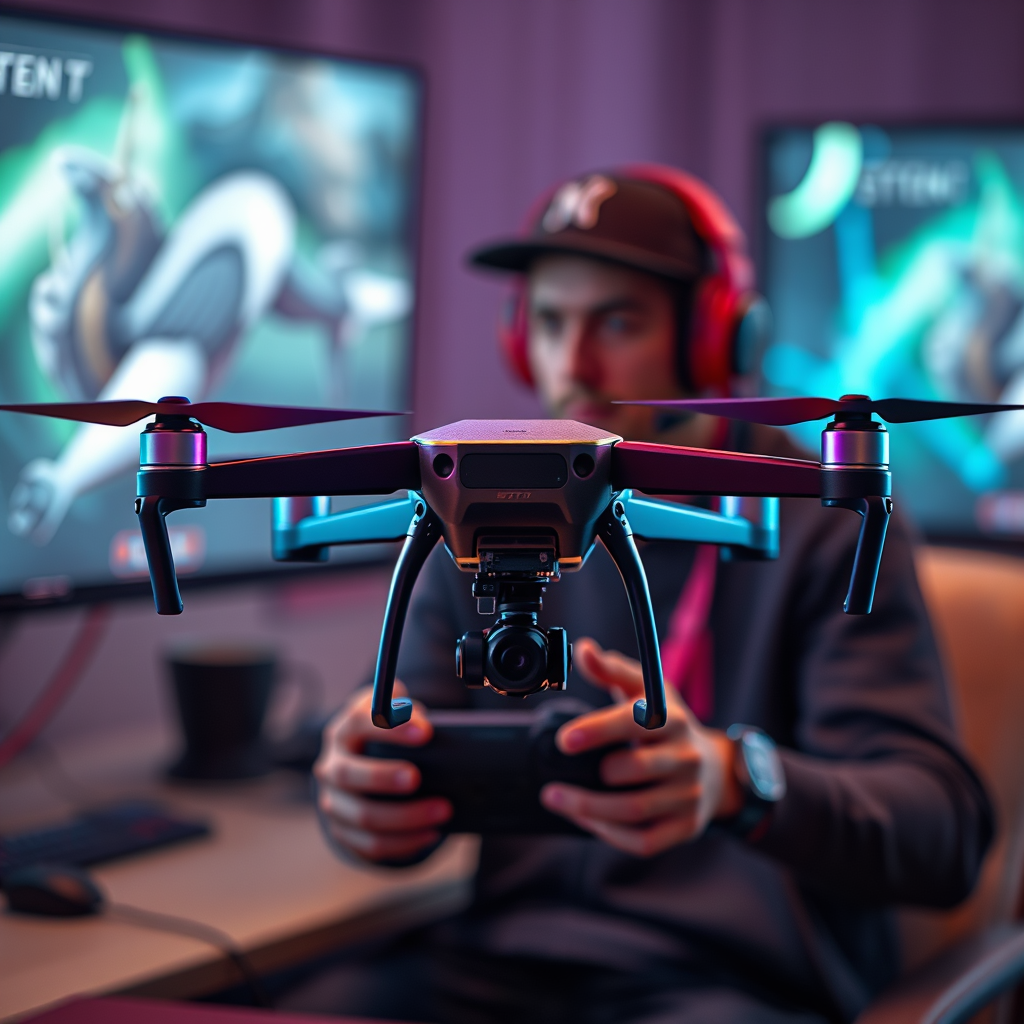
Drones can typically fly anywhere from 1 to 7 miles away from their controllers, depending on various factors such as the type of drone, battery life, and environmental conditions. Understanding these dynamics is crucial for both hobbyists and professionals who wish to maximize their drone’s performance while adhering to legal regulations. This article will explore the factors affecting drone range, how to maximize distance, and the legal implications of flying drones at such distances.
Understanding Drone Range
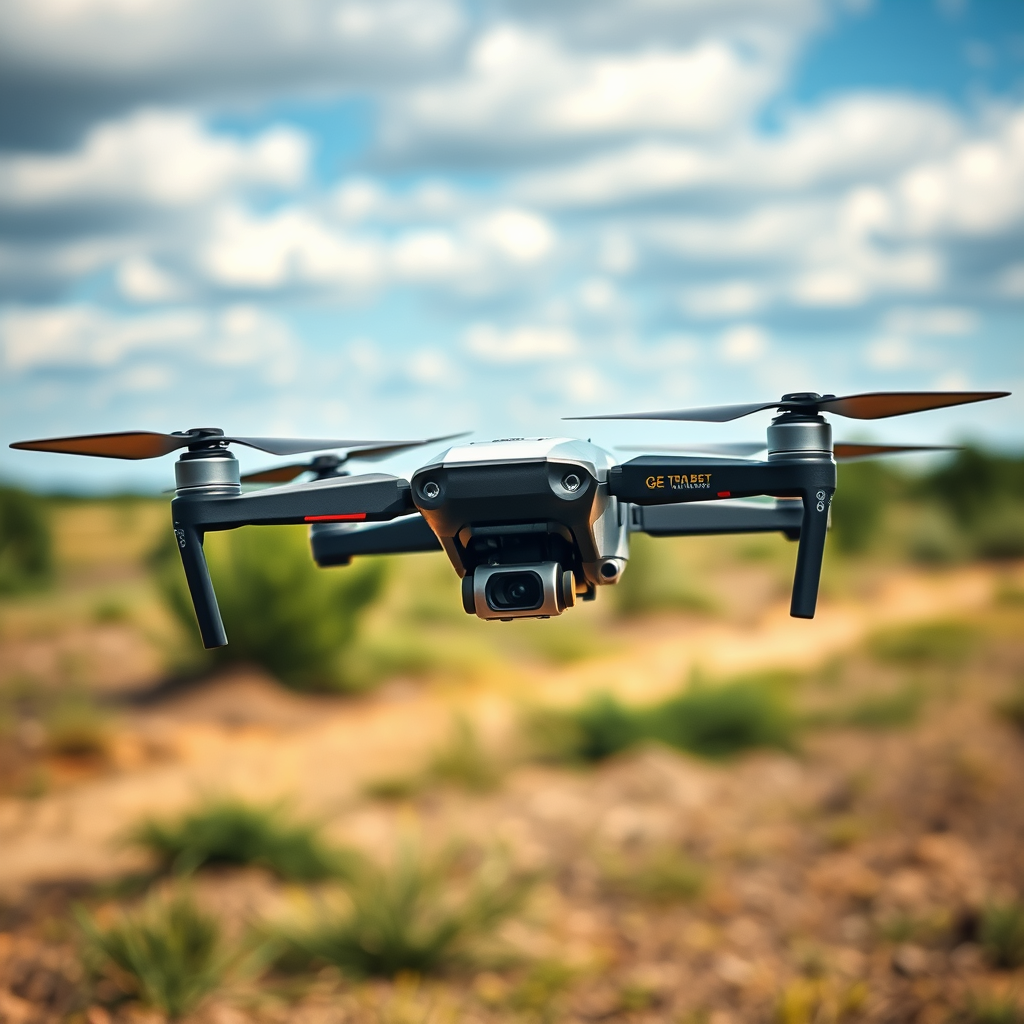
The range of a drone is determined by several variables, primarily the technology utilized in its design and construction. Different drones have varying maximum ranges, from consumer to professional models, which can significantly influence user experience and application. For instance, consumer drones are typically designed for recreational use, while professional drones cater to industries such as photography, surveying, and agriculture.
Signal strength plays a crucial role in determining drone range. Most consumer drones operate on 2.4 GHz or 5.8 GHz frequencies, which can affect how far the drone can travel before losing connection with the controller. Additionally, battery capacity is a significant factor; drones with larger batteries can sustain longer flights, which may indirectly allow for longer distances—provided the signal remains strong.
Types of Drones and Their Ranges
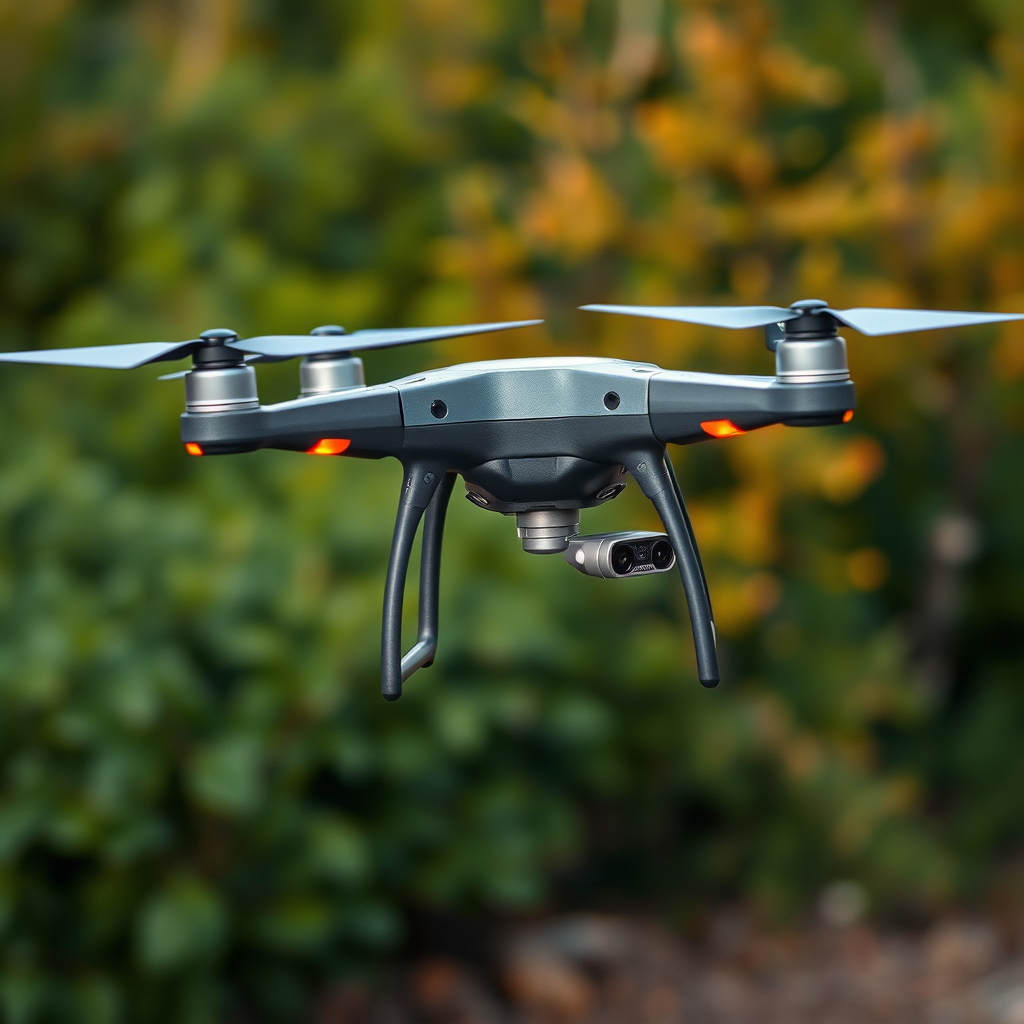
Consumer drones generally have a range of 1 to 3 miles. Popular models like the DJI Mini series or the Parrot Anafi often fit within this range, making them suitable for casual users who want to capture aerial images or explore their surroundings without straying too far. These drones are equipped with consumer-grade technology, which may limit their operational range but enhances their ease of use.
On the other hand, professional drones can reach distances of up to 7 miles or more under optimal conditions. Models such as the DJI Mavic 2 Enterprise or the Phantom 4 RTK are engineered for industrial applications and are equipped with advanced technology that enhances both range and signal stability. These drones often incorporate powerful antennas and sophisticated transmission systems that allow for extended operational distances, making them ideal for tasks like mapping large areas or conducting inspections on infrastructure.
Factors Influencing Flight Distance
Several environmental factors can significantly affect a drone’s flight distance. Terrain plays a pivotal role; flying over open fields presents fewer obstacles than navigating through urban environments filled with buildings, trees, and other structures that can obstruct signals. Weather conditions such as rain, fog, or high winds can also impact signal transmission, reducing the effective range of the drone.
Interference from other electronic devices is another critical consideration. Wi-Fi networks, radio towers, and other drones operating in the same frequency band can lead to reduced range and connectivity issues. Pilots should be aware of their surroundings and choose flight locations that minimize potential interference for optimal performance.
Enhancing Drone Range
To maximize the flight distance of a drone, operators can take several proactive measures. One effective approach is upgrading antennas or using range extenders. Many drones have aftermarket options available that enhance the signal strength and can significantly improve range capabilities. Additionally, manufacturers often provide software updates that can optimize transmission settings and improve overall performance.
Another practical tip is to maintain a clear line of sight between the drone and the controller. The more obstacles in the way, the higher the likelihood of signal degradation. Pilots should aim to fly in open areas and avoid obstructions whenever possible. Utilizing visual observers can also help maintain situational awareness and ensure that the drone remains within the operator’s line of sight.
Legal Considerations for Drone Flight Distance
When flying a drone, it is essential to consider the legal implications associated with flight distance. Regulations often dictate how far drones can fly from their controllers, particularly in urban areas where maintaining visual contact is crucial for safety. The Federal Aviation Administration (FAA) in the United States requires drone operators to keep their drones within visual line of sight, which effectively limits operational range to a few miles, depending on the pilot’s visibility.
Local laws may impose additional restrictions on drone operations, especially in sensitive areas such as airports, national parks, or urban centers. Therefore, it is imperative to check local regulations before flying to avoid potential fines or legal repercussions. Utilizing apps and tools that provide information on no-fly zones can be beneficial for ensuring compliance with all regulations.
Safety Tips for Flying Drones at Distance
Safety should always be a top priority when flying drones, especially at extended distances. Pilots should maintain visual contact with their drones whenever possible. This not only helps in avoiding collisions with obstacles but also ensures that operators can react quickly to any unexpected situations.
Having a contingency plan is also crucial. Drone operators should have protocols in place for returning the drone in case of signal loss or low battery warnings. Many drones come with fail-safe features that automatically return the drone to its home point when the connection is lost or the battery is running low. Familiarizing oneself with these features can prevent loss of the aircraft and ensure a safe flight experience.
Conclusion
Understanding how far a drone can fly from its controller is essential for safe and legal operation. By considering the factors that influence range, such as environmental conditions and the type of drone, operators can better plan their flights. Additionally, adhering to regulations and implementing safety measures will enhance the flying experience while minimizing risks. As drone technology continues to evolve, staying informed and flying responsibly will ensure that users can enjoy the full potential of their aerial devices.
Frequently Asked Questions
What is the maximum distance a drone can fly from its controller?
The maximum distance a drone can fly from its controller varies greatly depending on the drone model, frequency of the controller, and environmental conditions. Consumer drones typically have a range of 1 to 5 miles, while professional models can extend up to 7 miles or more. Factors such as signal interference, obstacles, and battery life also play crucial roles in determining the effective range.
How can I increase the flying distance of my drone from the controller?
To increase the flying distance of your drone from its controller, consider using a high-gain antenna or signal booster, which can enhance the transmission range. Additionally, flying in an open area free from obstacles and electromagnetic interference helps maintain a strong signal. Always ensure your drone’s firmware is updated, as manufacturers may release updates that improve performance and range.
Why is my drone losing signal before reaching its maximum range?
Signal loss before reaching the maximum range often results from physical obstructions, such as buildings, trees, or hills, which can block the radio waves between the drone and the controller. Other possible causes include interference from other electronic devices or poor weather conditions. It’s essential to maintain a direct line of sight with your drone and to be aware of the flight environment to minimize signal disruptions.
What factors affect the range of my drone from the controller?
Several factors can affect the range of a drone from its controller, including the type of drone, the frequency of the control signal, battery life, and environmental conditions. For instance, 2.4 GHz signals can travel further than 5.8 GHz signals but may be more susceptible to interference. Weather conditions like heavy rain or high winds can also impact the drone’s ability to maintain a stable connection.
Which drones have the longest control range available on the market?
Some of the drones with the longest control ranges include the DJI Mavic 3, which boasts a range of up to 9 miles, and the Skydio 2, known for its advanced obstacle avoidance and range capabilities. Other notable models include the Autel Robotics EVO Lite+ and the Parrot Anafi USA, both offering impressive distances. When choosing a drone, it’s essential to consider not only the range but also the features that meet your specific flying needs.
References
- https://en.wikipedia.org/wiki/Drone#Range
- https://www.faa.gov/uas/getting_started/fly_for_fun/
- https://www.nasa.gov/feature/what-is-drone-technology
- https://www.theguardian.com/technology/2021/mar/26/drones-how-they-work-and-their-impact-on-our-lives
- https://www.ncbi.nlm.nih.gov/pmc/articles/PMC6971299/
- https://www.researchgate.net/publication/331820899_A_Review_of_Drone_Technology_and_Its_Applications
- https://www.sciencedirect.com/science/article/pii/S2352864817303539
