

Drones can typically fly up to several miles away from their operator, depending on various factors such as the drone’s specifications, local regulations, and environmental conditions. In general, consumer drones have a range of about 1 to 7 miles, while professional models can exceed 10 miles under optimal circumstances. Understanding these range limitations and the factors influencing them is essential for both drone enthusiasts and potential operators looking to utilize these innovative devices safely and effectively.
Understanding Drone Range Specifications
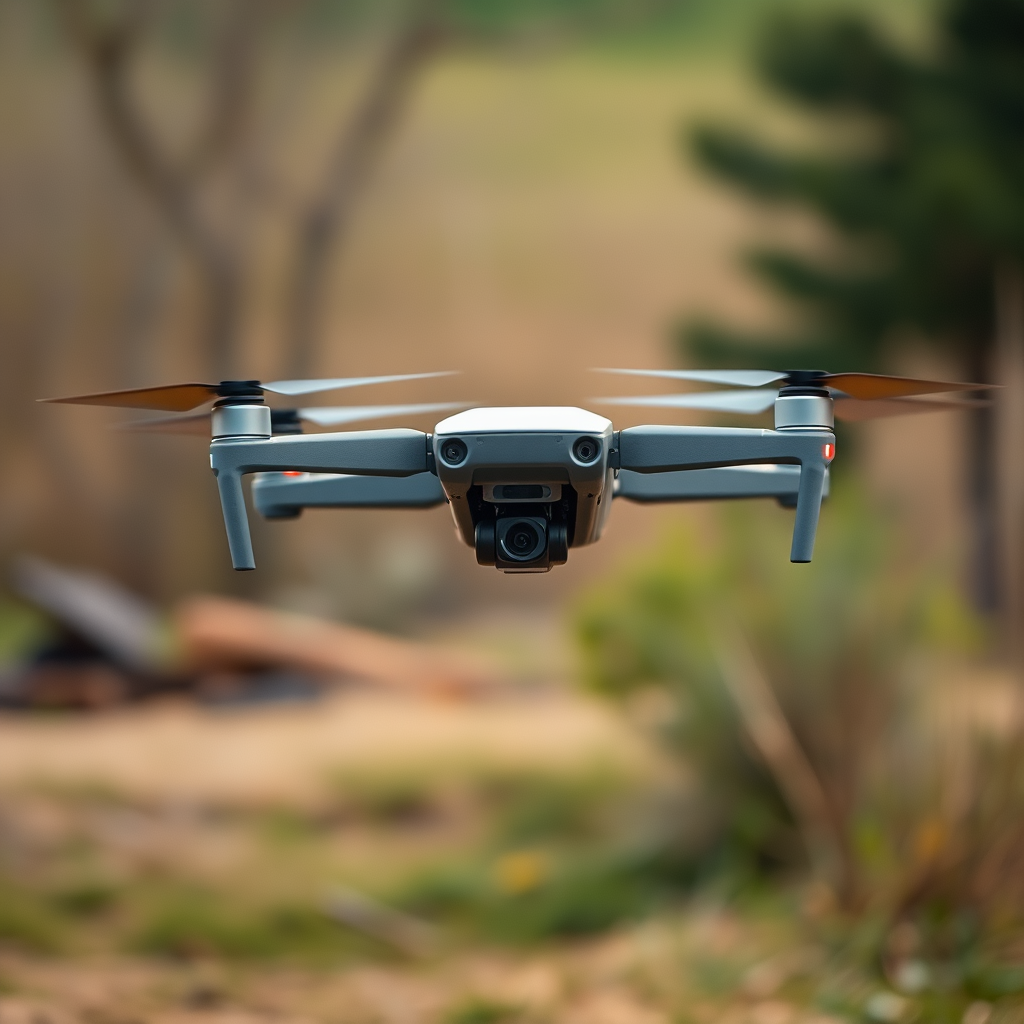
Different drone models have varying maximum ranges, which is largely determined by their design, purpose, and the technologies they incorporate. Consumer drones, such as those made by DJI or Parrot, typically offer flight ranges from 1 to 7 miles. For instance, the DJI Mini 2 boasts a maximum range of approximately 6.2 miles, thanks to its OcuSync 2.0 technology, which ensures a stable connection even at considerable distances. In contrast, professional or commercial drones, like the DJI Matrice series, can achieve ranges exceeding 10 miles. These drones often include advanced features such as enhanced transmission systems and powerful batteries, making them ideal for applications like aerial surveying, search and rescue operations, and cinematography.
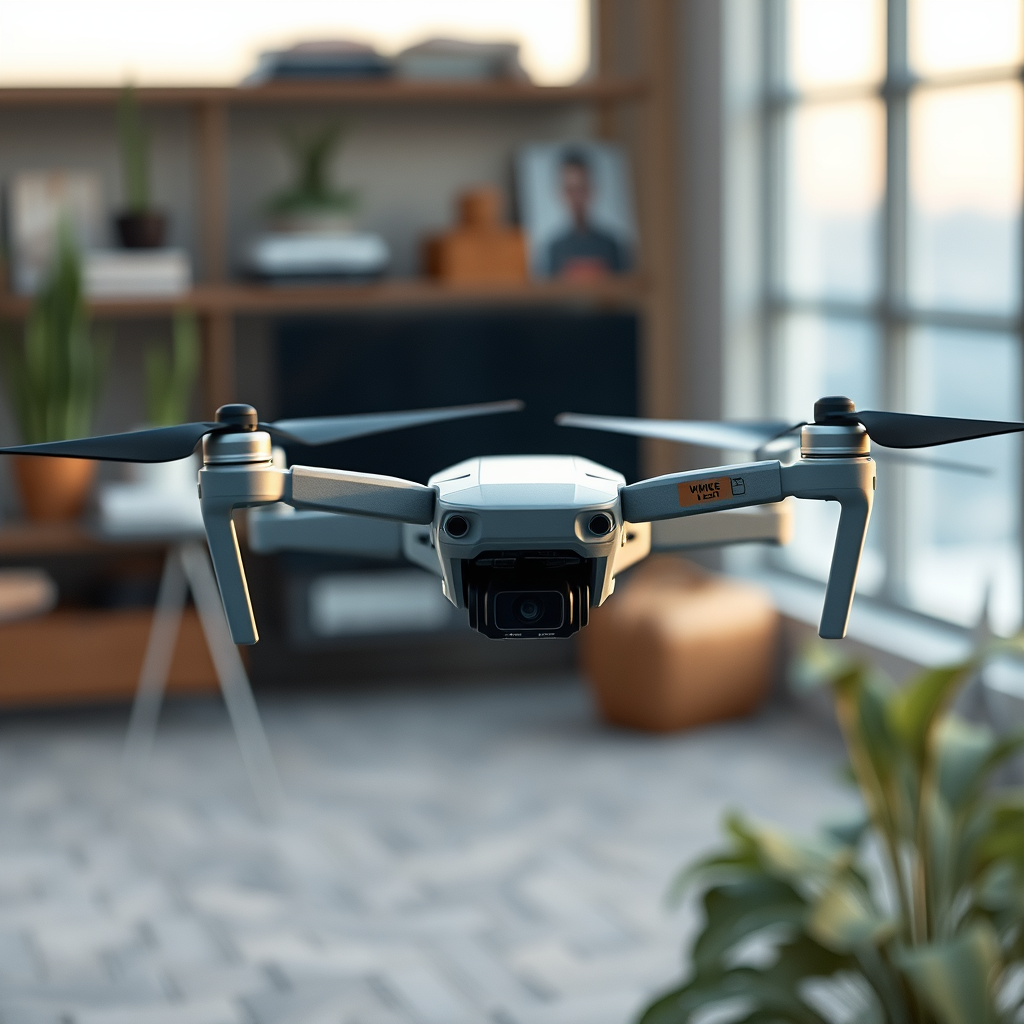
The maximum range of a drone is not merely a specification but a reflection of the technology used in its communication systems. For example, drones equipped with 4G LTE connectivity can theoretically achieve ranges far beyond traditional radio frequency systems, depending on the coverage of cellular networks. However, it’s important to note that the effective range can be influenced significantly by environmental factors and operator compliance with regulations.
Legal Considerations for Drone Flight
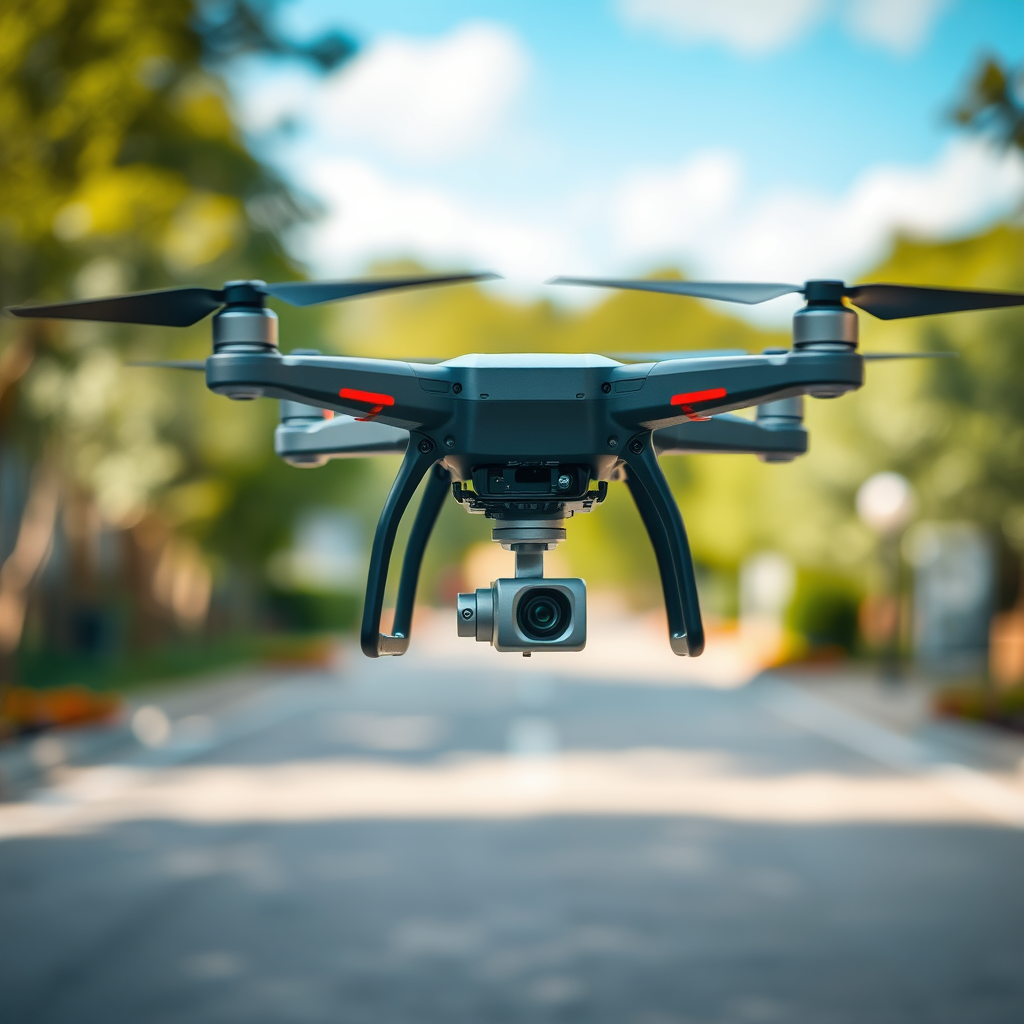
When operating a drone, it’s crucial to be aware of the legal considerations that govern drone flight distances. Many countries, including the United States, have established regulations that limit drone flight distances to ensure safety and privacy. The Federal Aviation Administration (FAA), for example, mandates that drone operators maintain visual line-of-sight with their aircraft at all times, which typically restricts flights to around 3-4 miles from the operator in practice.
In addition to national regulations, local laws may impose stricter limitations. Certain urban areas or near airports may have additional restrictions that could impact your ability to fly at longer distances. Therefore, it is vital for drone operators to familiarize themselves with the laws in their specific region and to stay updated with any changes. Failure to comply with these regulations can result in fines, the confiscation of equipment, or even criminal charges, underscoring the importance of adhering to legal guidelines when flying drones.
Factors Affecting Drone Flight Range
Several factors can significantly affect a drone’s flight range, beyond the technical specifications of the drone itself. One of the primary considerations is signal interference. Urban environments, for example, are often fraught with obstacles such as buildings, trees, and other structures that can disrupt the communication signal between the drone and its operator. This interference can lead to an abrupt loss of control or a decrease in flight range.
Weather conditions also play a crucial role in determining how far a drone can fly safely. Wind can affect the stability and control of a drone, especially when flying at higher altitudes. Rain and fog can not only impair visibility but can also lead to additional weight on the drone, impacting its battery life and overall performance. Operators should take these factors into account when planning long-distance flights and may need to adjust their expectations based on current weather conditions.
Enhancements to Extend Flight Range
For operators looking to extend their drone’s flight range, several enhancements can be employed. Upgrading antennas or utilizing signal boosters can significantly improve the operational distance of drones. For instance, high-gain antennas can help in achieving a clearer signal over longer distances, while signal boosters can amplify the existing signal strength, reducing the risk of loss of control.
Moreover, some advanced drones come equipped with long-range transmission technologies, such as DJI’s OcuSync or Lightbridge systems, which are designed for enhanced connectivity over greater distances. These technologies utilize advanced modulation techniques to maintain a stable connection, even in environments where traditional radio frequencies might struggle. By investing in these technologies or selecting drones that support them, operators can achieve longer and more reliable flights.
Safety Protocols for Long-Distance Flying
When engaging in long-distance drone flights, adhering to safety protocols is paramount. Operators should always conduct thorough pre-flight checks to ensure that the drone is in optimal condition. This includes verifying battery levels, checking for firmware updates, and inspecting propellers and other critical components for damage.
Additionally, establishing a comprehensive flight plan is essential. This plan should consider potential hazards, such as restricted airspace, high-traffic areas, and environmental obstacles. By plotting the course and identifying alternative landing zones, operators can mitigate risks and ensure safe operations during long flights. Furthermore, maintaining communication with local aviation authorities can provide insights into any temporary restrictions or advisories affecting flight safety.
Best Practices for Drone Operators
For drone operators, remaining aware of their surroundings and adhering to the maximum allowed flight distance as per regulations is critical. Operators should always maintain visual contact with their drone, as this not only ensures compliance with legal requirements but also enhances safety during operation.
Utilizing a spotter or a secondary observer can be highly beneficial, particularly during extended flights. Having an additional person to monitor the drone’s position allows the operator to focus on other aspects of the flight, such as maintaining altitude and navigating obstacles. This practice not only helps in keeping the drone in line-of-sight but also enhances overall safety during operations.
In conclusion, while many drones can fly considerable distances from their operators, it is essential to consider legal, environmental, and technical factors that may affect flight range. By understanding the specifications of different drone models, the legal framework surrounding drone use, and the various factors influencing flight capabilities, operators can make informed decisions. Furthermore, implementing enhancements to extend flight range and adhering to safety protocols will help ensure a safe and enjoyable flying experience. By being informed and cautious, drone enthusiasts can safely enjoy the benefits of flying their devices at longer distances.
Frequently Asked Questions
What is the maximum distance a drone can fly from its operator?
The maximum distance a drone can fly from its operator largely depends on the type of drone and the technology it uses. Many consumer drones, such as those made by DJI, typically have a range of 4 to 7 kilometers (2.5 to 4.3 miles) when using advanced transmission systems. However, it’s important to remember that regulations often restrict flying beyond visual line of sight (BVLOS), which can further limit practical flying distances.
How does line of sight affect a drone’s flying distance?
Line of sight is a crucial factor in determining how far a drone can safely fly from its operator. Most countries require drone pilots to maintain visual contact with their drone at all times, which limits the practical distance to a few hundred meters for many users. Not only does this regulation ensure safety and compliance with aviation laws, but it also helps prevent loss of control and improves situational awareness.
Why do drones have a limited range from their operator?
Drones have a limited range from their operator primarily due to safety regulations, technical limitations, and the risk of signal loss. Regulations, such as those from the FAA in the United States, mandate that drones must remain within the pilot’s line of sight to prevent collisions and ensure safe operation. Additionally, the wireless communication systems used to control the drone can suffer interference, leading to a loss of signal if the drone flies too far away.
What factors can influence a drone’s flying distance?
Several factors can influence a drone’s flying distance, including battery life, environmental conditions, and the drone’s design. For instance, flying in high winds or heavy interference can significantly reduce range, while a drone designed for long-distance flight may offer more extended capabilities. Additionally, the weight of payloads and battery condition at takeoff can affect how far and how long a drone can remain airborne.
Which drones have the longest flying range available?
Drones with the longest flying ranges typically belong to the high-end commercial or professional categories. Models such as the DJI Matrice 300 RTK and the Autel Robotics EVO Lite can achieve ranges of up to 15 kilometers (9.3 miles) or more under optimal conditions. These drones often utilize advanced transmission technologies, such as OcuSync or Lightbridge, which provide stronger signals and greater distances compared to standard consumer models.
References
- https://en.wikipedia.org/wiki/Drone#Control_range
- https://www.faa.gov/uas/getting_started/part_107/
- https://www.faa.gov/uas/getting_started/
- https://www.nytimes.com/2021/05/18/business/drone-regulations.html
- https://www.reuters.com/business/aeroplane-drone-operations-must-be-similar-us-safety-official-2021-08-10/
- https://www.nasa.gov/mission_pages/
- https://www.usc.edu/dept/publications/cat17/architecture/Drone.html
- https://www.sciencedirect.com/science/article/pii/S2351978920302140
