
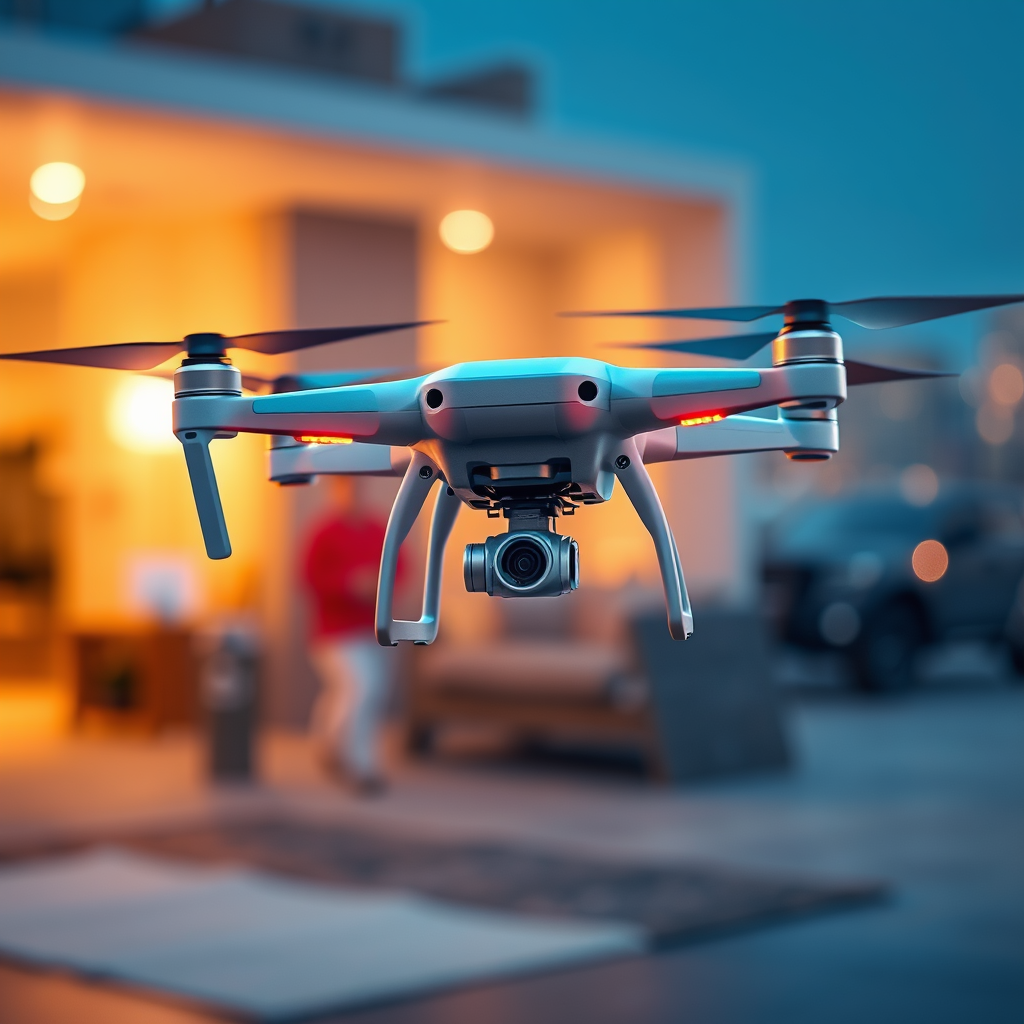
Drones can typically fly up to several miles away from the operator, depending on several factors such as the drone model, local regulations, and environmental conditions. While some consumer drones may have a range of only half a mile, others can soar over 7 miles away. Understanding these factors is crucial for both recreational and commercial drone pilots, as it can significantly influence flight experiences and operational efficiency. In this article, we will explore the various factors that influence a drone’s flight distance, the legal limits, and tips for maximizing your drone’s range.
Understanding Drone Transmission Ranges
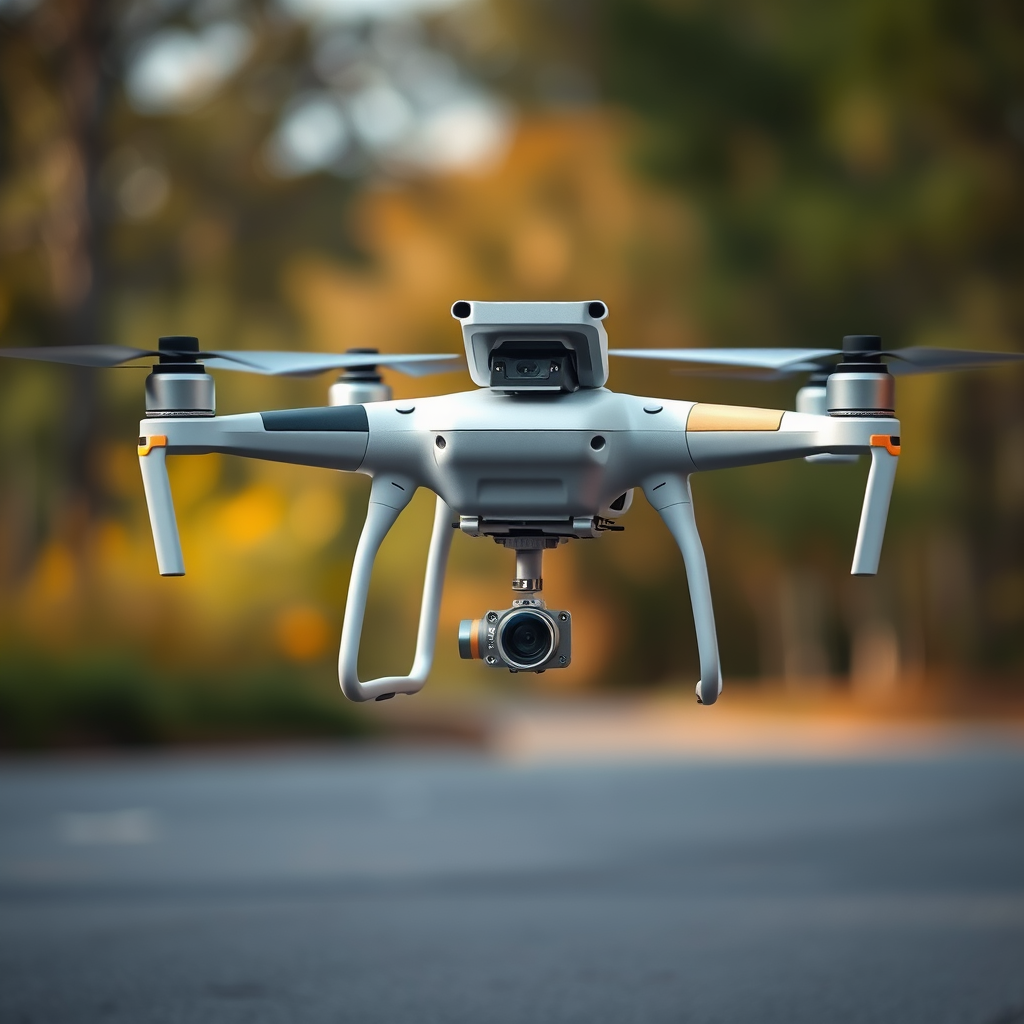
Different drone models have varying transmission ranges, usually ranging from 0.5 miles to over 7 miles. For instance, popular consumer drones like the DJI Mini series can typically fly around 4 miles away, while professional models such as the DJI Mavic 3 can reach distances exceeding 9 miles under optimal conditions. The transmission range is largely determined by the drone’s communication technology, which includes the remote controller’s signal strength and frequency.
Factors like signal frequency play a significant role in the drone’s effective range and stability of the connection. Most drones operate on either the 2.4GHz or 5.8GHz frequency bands. The 2.4GHz band offers a longer range and better penetration through obstacles, making it suitable for flying in complex environments. Conversely, the 5.8GHz band provides a stronger signal with less interference, but it’s more susceptible to being obstructed by physical barriers. Understanding these elements can help operators choose the right drone for their specific needs and flying conditions.
Legal Regulations Affecting Drone Flight Distance
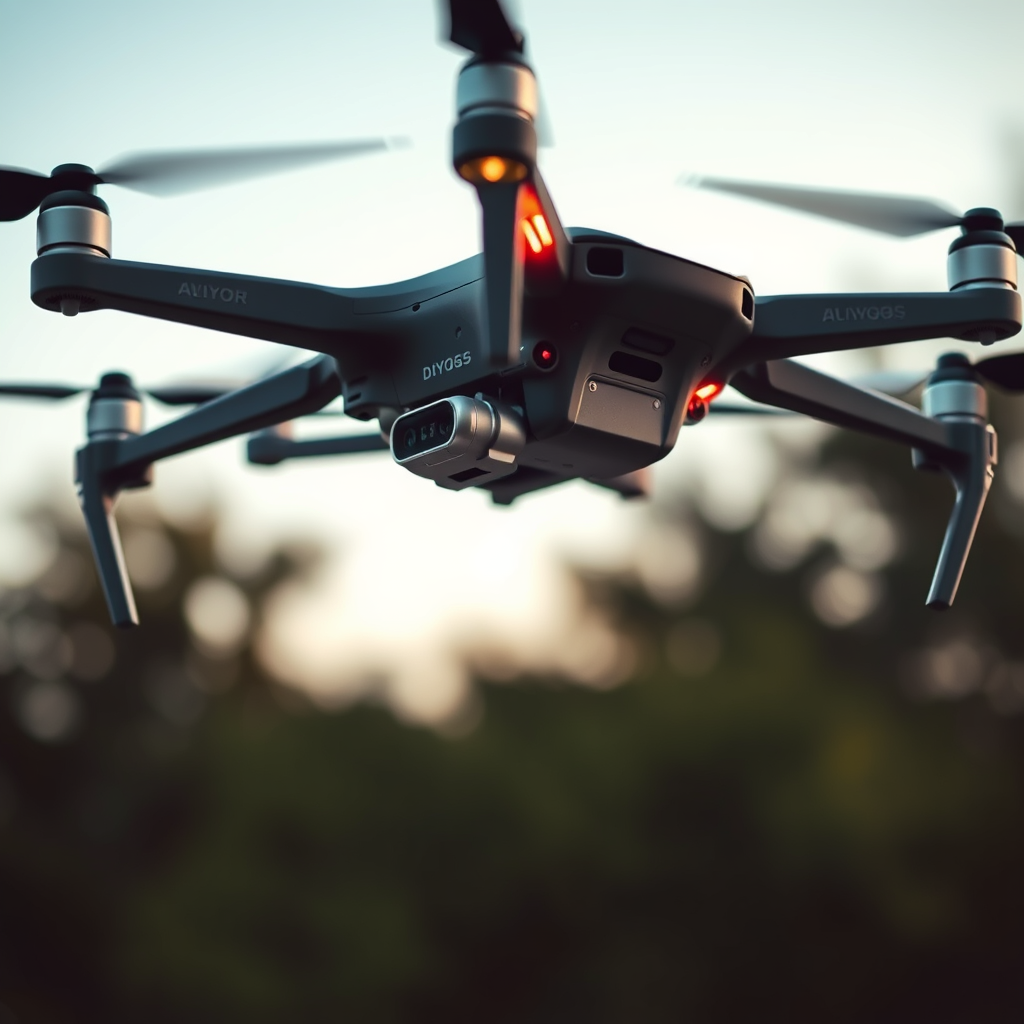
The Federal Aviation Administration (FAA) mandates that drones must remain within the visual line of sight (VLOS) of the operator, effectively limiting the distance a drone can be flown legally in the United States. This regulation aims to ensure safety and accountability in drone operations. In practice, this means that even if your drone has the technical capability to fly several miles away, you may be legally required to keep it within sight, which typically ranges from about 0.5 to 1 mile.
Moreover, some areas may have stricter regulations or no-fly zones that limit how far you can fly. Urban areas, near airports, and regions designated as national parks or wildlife reserves often have specific restrictions that could affect your drone’s operational distance. It is crucial for drone pilots to familiarize themselves with local laws and any temporary flight restrictions (TFRs) that might impact their ability to operate freely.
Environmental Factors Influencing Range
Obstacles such as trees, buildings, and hills can significantly reduce the effective range of your drone. When flying in urban environments, for instance, tall structures can obstruct the line of sight between the drone and the controller, leading to a loss of signal and potential flight failures. Similarly, natural barriers like mountains can also impede communication, necessitating careful planning of flight paths to avoid such challenges.
Weather conditions also play a vital role in influencing flight distance and stability. Adverse weather, such as rain, fog, and strong winds, can affect not just the drone’s range but also its performance and safety. High winds can lead to increased battery consumption and make it difficult for the drone to maintain its position, while fog can obscure visibility, complicating VLOS requirements. Operators should always check weather forecasts and avoid flying in unsuitable conditions to maximize the drone’s range and ensure safe operations.
Tips for Maximizing Your Drone’s Range
To enhance your drone’s flight distance, several effective strategies can be employed. First, using a high-quality remote controller with enhanced antennas can significantly improve signal strength. Aftermarket antennas or signal boosters can provide better transmission capabilities, allowing the drone to maintain a connection over greater distances.
Additionally, avoid flying in areas with a lot of electronic interference from other devices, including Wi-Fi networks, radio towers, and other drones. Choosing open areas with few obstacles and minimal electronic noise can greatly enhance the drone’s operational range. It is also advisable to maintain a clear line of sight with the drone, as this can help avoid signal loss and ensure a stable connection.
Finally, thoroughly pre-planning your flight route and being aware of potential obstacles can offer greater control over the flight distance. Utilizing flight planning software can help in mapping out a course that maximizes your drone’s capabilities while adhering to safety regulations.
Battery Life and Its Impact on Flight Distance
The drone’s battery capacity is a crucial factor that affects how far it can travel before needing to return. Most consumer drones come equipped with lithium polymer (LiPo) batteries that provide a limited flight time, often ranging from 20 to 30 minutes. This means that even if your drone can technically fly several miles away, the battery life will likely dictate how far you can realistically go.
Understanding your drone’s battery life is essential for planning flights to ensure safe returns. For instance, if you plan to fly a drone with a 25-minute battery life, you should consider a conservative distance that allows for a return trip. Some operators use battery management apps that provide real-time data on battery usage and can alert pilots when it’s time to head back.
The Role of GPS in Drone Flight Distance
GPS technology plays a crucial role in maintaining connection and navigation, affecting how far your drone can reliably fly. Drones equipped with advanced GPS systems can achieve greater distances while maintaining stability. High-end drones often come with dual GPS systems, which improve accuracy and reliability, allowing them to better maintain their position during flight.
Additionally, GPS assists in the drone’s return-to-home (RTH) feature, which is critical for safety. In the event of a lost signal or low battery, the drone can autonomously navigate back to its takeoff point. This capability is vital for maximizing flight distance, as it provides peace of mind for the operator, knowing that the drone can safely return if it encounters issues.
Future Innovations in Drone Flight Range
Ongoing advancements in drone technology promise to increase flight ranges and improve reliability. Innovations such as more efficient battery technologies, lightweight materials, and enhanced signal transmission systems are on the horizon. For example, researchers are exploring hydrogen fuel cells as a potential alternative to traditional batteries, which could dramatically extend flight times and distances.
Emerging technologies like 5G may further enhance connectivity and operational distances. With faster data transmission and lower latency, 5G could allow drone operators to control their machines from much greater distances while ensuring real-time video feeds and telemetry data. As these technologies continue to develop, the future of drone flight distance looks promising, opening up new possibilities for both recreational and commercial applications.
In conclusion, the distance a drone can fly from you is influenced by a variety of factors, including drone specifications, legal restrictions, and environmental conditions. Understanding these elements is vital for both new and experienced drone pilots, as it can help optimize flight experiences and ensure safety. By considering transmission ranges, legal regulations, environmental factors, and future innovations, drone enthusiasts can make informed decisions that enhance their flying capabilities, ensuring enjoyable and safe flights.
Frequently Asked Questions
How far can a recreational drone fly from me?
The distance a recreational drone can fly from you typically depends on its model and the manufacturer’s specifications. Most consumer drones have a maximum range of about 1 to 5 kilometers (0.6 to 3 miles) in ideal conditions. However, this range can be affected by factors such as battery life, signal interference, and local regulations, so it’s crucial to check the specific drone’s manual and adhere to FAA guidelines.
What factors influence how far a drone can fly?
Several factors influence a drone’s flying range, including battery life, signal strength, and environmental conditions. Drones equipped with more powerful batteries can fly longer distances, while obstacles such as buildings, trees, and hills can disrupt signal transmission, reducing range. Weather conditions, such as wind and rain, can also impact performance, making it essential to assess all these elements before flight.
Why is it important to know the flying distance of my drone?
Understanding the flying distance of your drone is crucial for safety, legal compliance, and effective operation. Knowing how far your drone can fly helps ensure that you remain within the line of sight, as mandated by regulations in many regions. Additionally, being aware of the range allows you to plan your flight path better and avoid losing connection or running out of battery mid-flight.
Which drones have the longest flying range?
Drones designed for professional use or advanced models typically have the longest flying ranges. For instance, the DJI Mavic 3 can fly up to 15 kilometers (about 9 miles) under optimal conditions, while the DJI Phantom 4 Pro offers a maximum range of approximately 7 kilometers (about 4.3 miles). When selecting a drone based on its range, consider your intended use and whether you need advanced features.
How can I extend my drone’s flying distance?
To extend your drone’s flying distance, you can take several steps such as ensuring your drone’s firmware is updated for optimal performance, using high-capacity batteries, and flying in open areas away from obstacles that could interfere with the signal. Additionally, using antennas or signal boosters can enhance connectivity, allowing for a greater range. Always adhere to local laws and regulations to ensure safe flying practices.
References
- https://en.wikipedia.org/wiki/Drone_flight_range
- https://www.faa.gov/uas/getting_started/part_107/
- https://www.ncbi.nlm.nih.gov/pmc/articles/PMC6841834/
- https://www.cnbc.com/2021/04/16/drone-flight-rules-what-you-need-to-know.html
- https://www.nasa.gov/aeroresearch/programs/uas/
- https://www.techrepublic.com/article/drone-flight-range-how-far-can-drones-fly/
- https://www.sciencedirect.com/science/article/pii/S2351978921000774
- https://www.theguardian.com/technology/2020/oct/02/drone-flight-distance-rules-uk
- https://www.abc.net.au/news/2021-06-24/drone-flight-distance-limits-explained/100243498
