
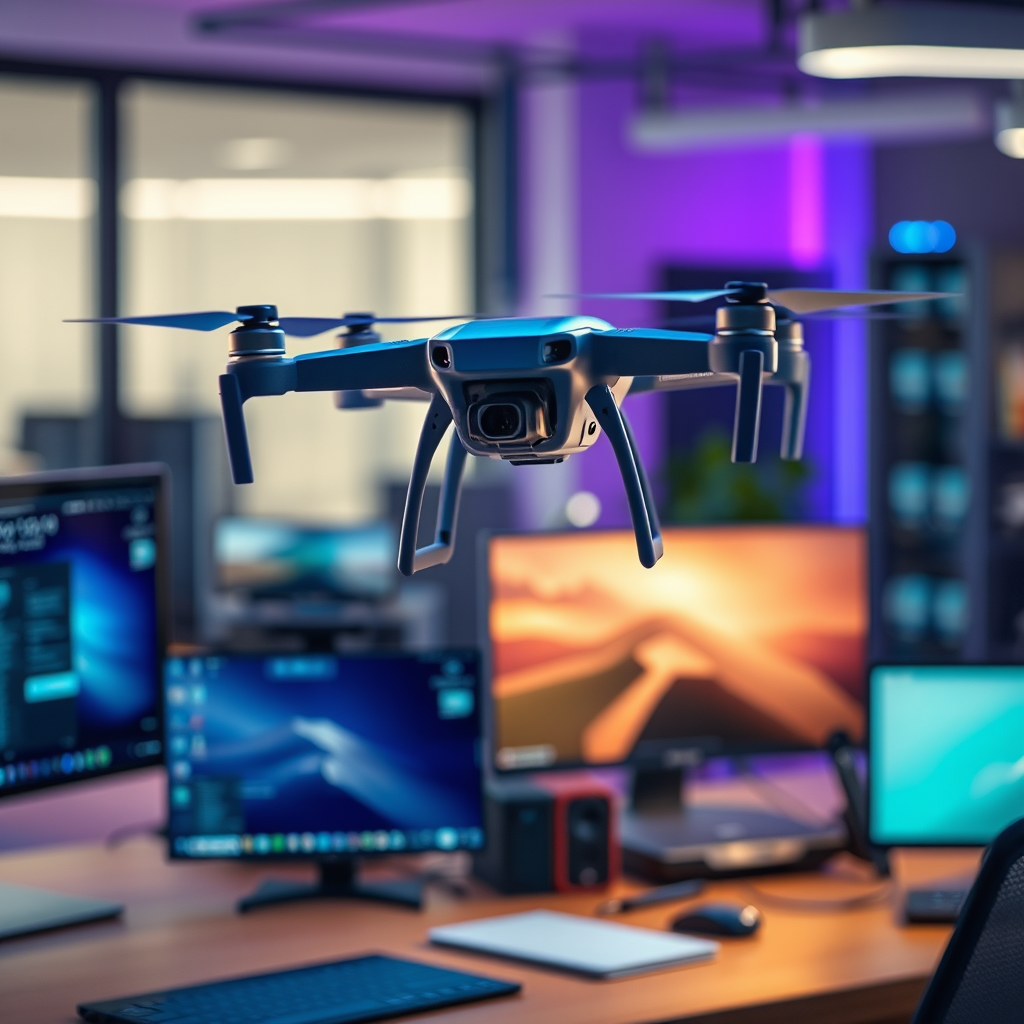
Drones can typically fly anywhere from a few hundred feet to several miles, depending on multiple factors including the drone type, battery life, and regulations in place. Understanding these elements is essential for drone enthusiasts and professionals alike, as they can greatly impact flight planning and operational efficiency. This article explores these factors in depth to provide a comprehensive understanding of drone flight distances.
Types of Drones and Their Range
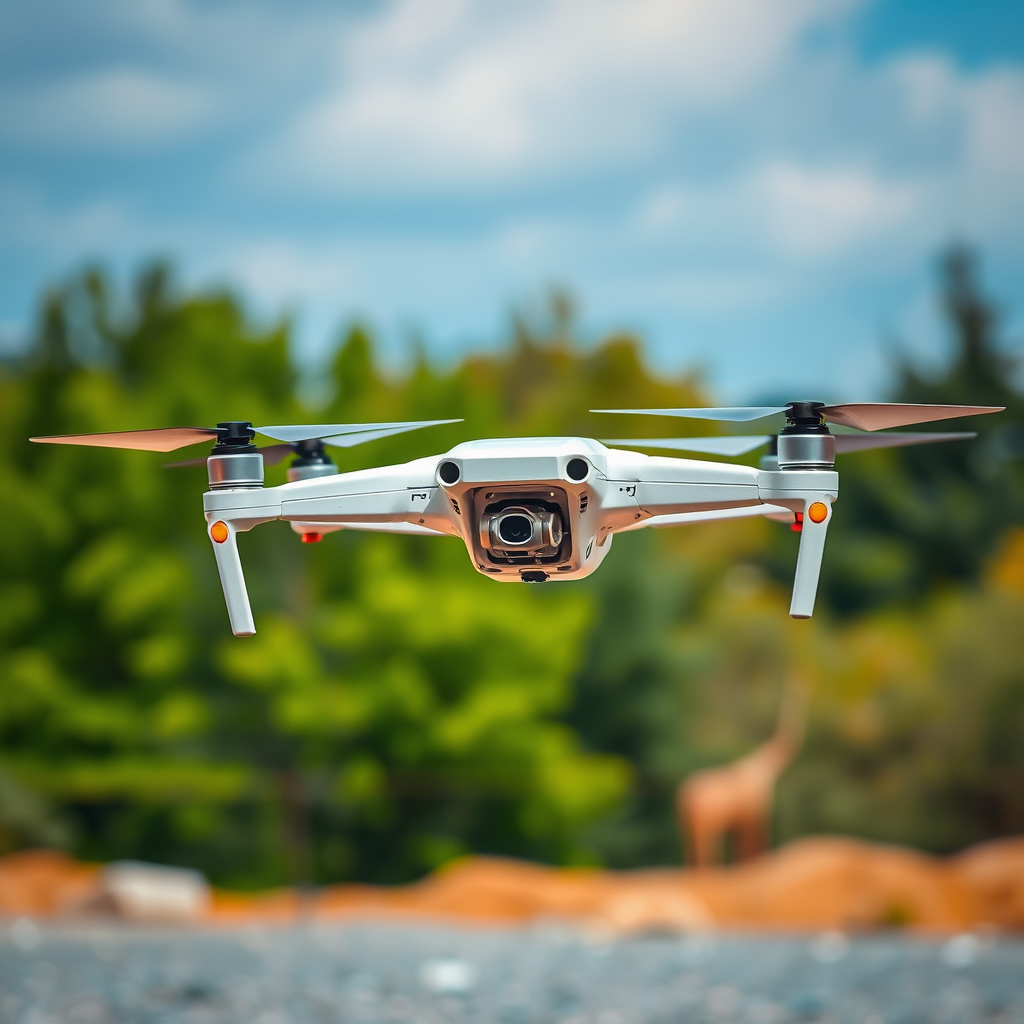
The type of drone plays a significant role in determining how far it can fly. Consumer drones, which are designed for hobbyists and casual users, usually have a flight range of about 1 to 5 miles. Popular models, such as the DJI Mini series or the Mavic Air, often fall within this range, making them accessible for recreational photography and video capturing.
On the other hand, professional drones are engineered for more demanding applications, including aerial surveying, agricultural monitoring, and cinematography. These drones can often fly up to 10 miles or more, depending on the technology employed. For instance, the DJI Matrice series, which is widely used in commercial settings, boasts extended ranges due to robust communication systems and enhanced battery life. The choice of drone fundamentally influences the operational scope available to the user.
Battery Life and Its Impact
Battery life is another critical factor affecting how far a drone can fly before it needs to return for recharging. Most consumer drones offer a flight time between 20 to 30 minutes on a single charge. Models like the DJI Phantom 4 typically provide around 28 minutes of flight time, while others may offer slightly less due to weight and design.
The capacity of the drone’s battery directly influences its flight distance. Drones equipped with larger batteries can sustain longer flights but also tend to weigh more, which can counteract some of the additional flight time. Advanced lithium-polymer (LiPo) battery technology has improved performance, but users should always consider the trade-off between battery size, weight, and overall flight time. Proper battery management, including regular charging cycles and temperature monitoring, is essential to maximize flight capabilities.
Environmental Factors Affecting Flight Distance
Environmental conditions can significantly impact a drone’s effective flight range. Wind speed is one of the most critical factors; strong winds can either hinder a drone’s ability to fly long distances or even cause it to lose control. For instance, flying a lightweight drone in gusty conditions can lead to increased battery consumption as the drone compensates for the wind resistance. Weather conditions such as rain or snow can also disrupt a drone’s operations and visibility, further limiting its effective range.
Additionally, obstacles in the surrounding environment—like buildings, trees, and hills—can cause signal interference. Many drones rely on radio signals for control and data transmission, and physical barriers can obstruct these signals, resulting in reduced flight distances. When planning a flight, it’s advisable to choose open areas that minimize these potential interferences.
Regulatory Limitations
Regulatory limitations imposed by aviation authorities can restrict drone flight altitude and distance. In many countries, including the United States, the Federal Aviation Administration (FAA) has established guidelines that govern drone operations. For example, drones must typically remain within the pilot’s line of sight and may not exceed an altitude of 400 feet above ground level.
Understanding local laws is crucial for maximizing flight capabilities while ensuring compliance. In some regions, additional restrictions may apply, such as no-fly zones around airports, military installations, or populated areas. Staying informed about these regulations not only helps avoid legal issues but also enhances safety during drone operations.
Enhancements and Technology
Recent advancements in drone technology have significantly expanded the operational range of many models. Features such as advanced GPS systems, improved communication links, and long-range antennas allow drones to maintain stable connections over greater distances. For instance, drones equipped with OcuSync technology can achieve ranges of up to 7 miles, providing a robust solution for professional aerial applications.
Moreover, features like ‘Return to Home’ and follow-me modes help manage flight distances effectively. The ‘Return to Home’ feature ensures that a drone returns to its takeoff point safely when the battery is low or the signal is lost, thus preventing loss of equipment. Follow-me modes enable the drone to autonomously track and follow the pilot, allowing for hands-free operation while extending the range of possible activities.
Best Practices for Maximizing Flight Distance
To maximize flight distance, several best practices should be implemented. Regular maintenance of the drone is essential; this includes checking propellers, battery health, and firmware updates. Performing pre-flight checks ensures that the drone operates optimally and reduces the risk of malfunctions during flight.
Additionally, planning flight paths in open areas can significantly enhance range. Selecting locations with minimal obstacles and fewer interference sources will allow the drone to operate more efficiently. Pilots should also consider weather conditions and wind forecasts before taking off to ensure optimal flying conditions. Utilizing smartphone apps that provide real-time data on airspace restrictions and weather patterns can further aid in decision-making.
In conclusion, the distance a drone can fly is influenced by various factors including its type, battery life, environmental conditions, and regulatory constraints. By understanding these elements, drone pilots can better plan their flights and optimize performance. Whether you’re a hobbyist or a professional, knowing how far your drone can go is essential for safe and effective operation. Maximizing flight distance not only enhances the overall experience but also enables users to achieve their aerial objectives with confidence.
Frequently Asked Questions
What factors determine how far a drone can fly?
The distance a drone can fly depends on several factors, including its battery capacity, design, and weight. Higher-end drones with larger batteries can typically cover greater distances, while lightweight models may have limited range. Additionally, environmental conditions like wind speed and obstacles such as buildings can impact a drone’s flying distance.
How far can consumer drones fly compared to professional drones?
Consumer drones generally have a maximum flight range of about 1 to 5 miles, depending on the model and conditions. In contrast, professional drones designed for commercial use can often fly significantly further, with ranges exceeding 6 miles or more. These variations are primarily due to differences in technology, battery life, and signal strength.
Why is the maximum flight distance of a drone important for users?
Understanding the maximum flight distance of a drone is crucial for users to ensure they can complete their intended tasks, such as aerial photography, surveying, or delivery services. Knowing the range helps avoid losing signal, which can lead to crashes or the need for expensive recovery efforts. Furthermore, it allows users to plan their flights effectively within regulatory limits.
What is the best drone for long-distance flying?
The best drones for long-distance flying often include models like the DJI Mavic 3 or the Autel Robotics EVO Lite, which are equipped with advanced transmission technology and robust batteries. These drones can achieve flight distances of 10 miles or more under optimal conditions. When selecting a drone for long-distance use, consider factors like battery life, transmission range, and the availability of GPS features to enhance your flying experience.
Which regulations should I be aware of regarding drone flight distance?
Drone operators must comply with local regulations that can affect flight distance, such as the FAA guidelines in the United States, which require that drones be flown within the visual line of sight. Additionally, specific areas may have restrictions that limit how far you can fly a drone, especially near airports or populated areas. Familiarizing yourself with these regulations is essential to ensure safe and legal drone operation.
References
- https://en.wikipedia.org/wiki/Drone
- https://www.faa.gov/uas/getting_started/remote_id
- https://www.nytimes.com/2020/07/16/technology/drones.html
- https://www.reuters.com/article/us-usa-drone-regulations-idUSKBN2A22W7
- https://www.nasa.gov/mission_pages/UAVs/index.html
- https://www.ncbi.nlm.nih.gov/pmc/articles/PMC7357757/
- https://www.itu.int/en/ITU-T/focusgroups/drones/Pages/default.aspx
- https://www.bbc.com/news/technology-51100604
