
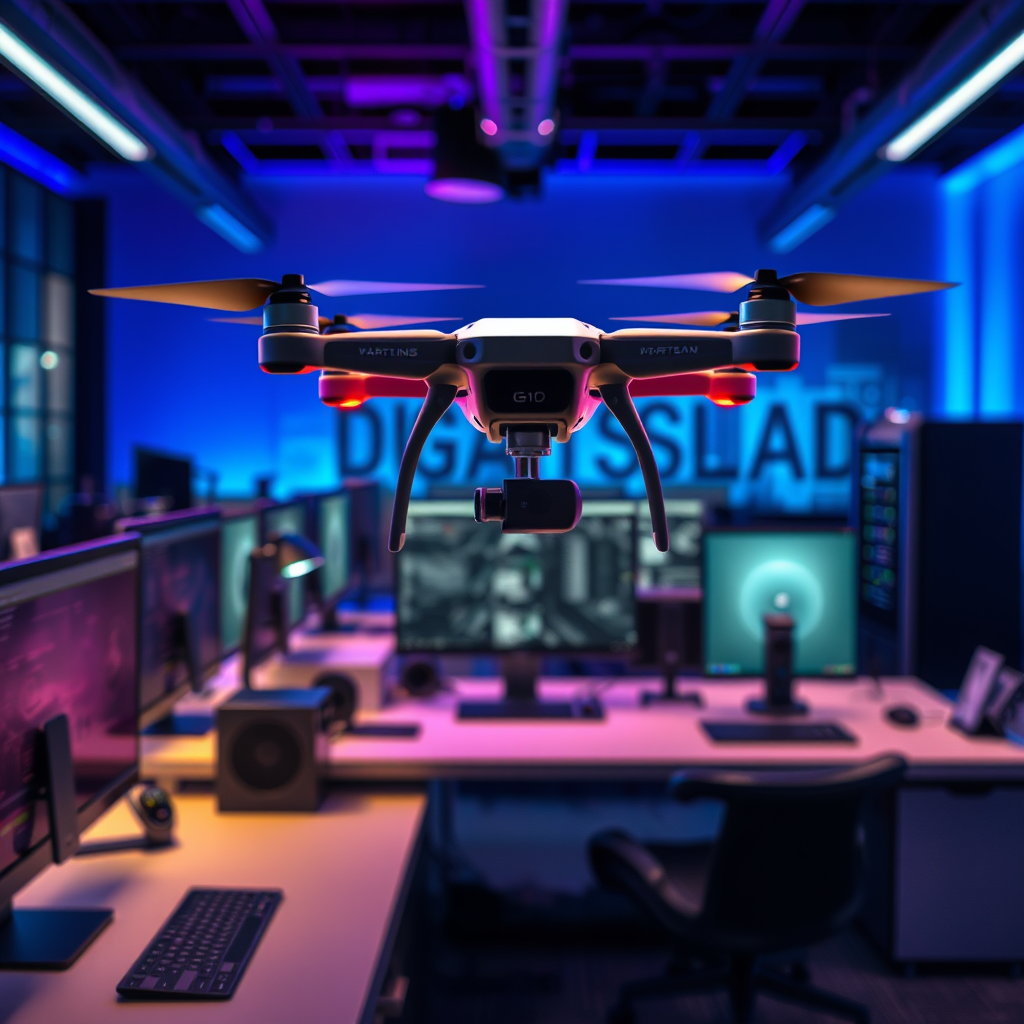
Drones can typically fly distances ranging from a few hundred meters to several kilometers, depending on various factors such as model, battery life, and regulations. Understanding these elements is crucial for both recreational and professional drone users who want to optimize their flying experience and ensure compliance with local laws. This comprehensive analysis will delve into the various aspects that influence drone flight distance, providing insights that can aid in selecting the right drone for your needs.
Understanding Drone Range
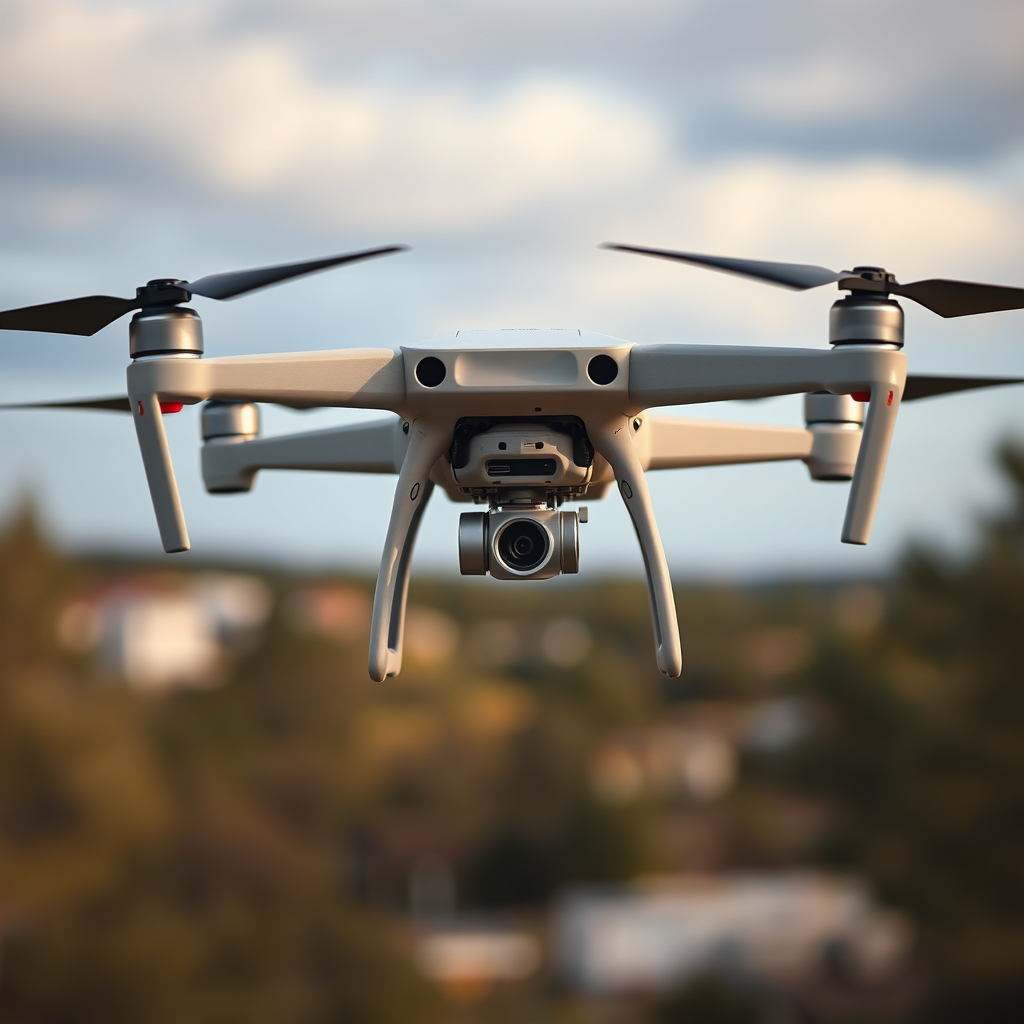
Drones have varying flight ranges based on their design and intended purpose. Generally, consumer drones, which are popular among hobbyists, have a flight range of about 1 to 5 kilometers. For instance, models like the DJI Mavic Air 2 are capable of reaching distances of up to 10 kilometers under optimal conditions. On the other hand, professional drones, designed for commercial applications such as surveying, agriculture, and logistics, can exceed 10 kilometers, offering extended operational capabilities. For example, the DJI Matrice 300 RTK boasts a range of up to 15 kilometers, enabling users to cover vast areas for inspections or data collection.
Understanding the drone’s intended use—whether for casual photography or serious industrial applications—will help users select the right model with the appropriate range for their needs.
Factors Affecting Flight Distance
Several factors play a critical role in determining how far a drone can travel. One of the most significant is battery capacity. Drones equipped with larger, high-capacity batteries can sustain longer flights. For example, drones with lithium-polymer (LiPo) batteries, which provide high energy density, tend to deliver better performance compared to those with lesser battery technologies.
Environmental conditions also significantly impact drone range. Wind speed can affect drone stability and battery consumption; flying against strong winds can reduce the effective range by up to 50%. Other factors include temperature, as cold weather can lead to decreased battery performance, and obstacles in the flight path, such as buildings or trees, which may necessitate additional maneuvers that consume more battery power. Knowing these factors can help pilots make informed decisions about when and where to fly.
Types of Drones and Their Ranges
The type of drone largely determines its range capabilities. Consumer drones are designed for recreational use and typically have moderate flight distances, making them ideal for enthusiasts looking to capture aerial photography or videos. For instance, the DJI Mini SE offers a range of about 4 kilometers, which is sufficient for most casual users.
In contrast, commercial drones are engineered for longer flights and specific applications. Drones like the Parrot Anafi USA and the senseFly eBee X are used in professional settings for surveying, mapping, and delivery services, boasting ranges that can exceed several kilometers. These drones often incorporate advanced technologies, such as GPS and obstacle avoidance systems, to enhance their operational efficiency while maintaining safety over extended distances.
Regulatory Limits on Drone Flight
Regulatory frameworks governing drone usage can impose specific limits on flight distances. Many countries, including the United States, Canada, and various European nations, have established regulations that restrict how far a drone can fly from its operator. For instance, the Federal Aviation Administration (FAA) mandates that drone pilots maintain a line-of-sight with their aircraft—typically around 1,500 feet horizontally—while also adhering to altitude restrictions, which generally cap flights at 400 feet above ground level.
These regulations are in place to ensure safety, privacy, and airspace integrity. Consequently, drone operators must familiarize themselves with local laws before taking flight, as non-compliance can lead to fines or other penalties. Additionally, some regions may have specific no-fly zones, particularly near airports, military bases, or populated areas, which further limit where drones can operate.
Tips for Maximizing Drone Flight Range
To make the most of a drone’s flight capabilities, users can employ several strategies. First and foremost, utilizing high-capacity batteries is essential. Opt for batteries that are compatible with your drone model and ensure they are fully charged before embarking on a flight. Regular maintenance of batteries, such as proper storage and charging practices, can also prolong their lifespan and performance.
Moreover, flying in open areas with fewer obstacles can significantly enhance flight range. Urban environments with tall structures can obstruct signals and create turbulence, reducing the effective distance a drone can travel. Additionally, flying during favorable weather conditions, such as mild winds and clear skies, can help maintain stable flight and prolong battery life.
Lastly, using a drone with advanced transmission technology, such as OcuSync or Lightbridge, can improve the range and reliability of signal transmission between the drone and the controller, enabling longer flights without losing control.
Future of Drone Flight Technology
The future of drone flight technology holds promise for significant enhancements in flight distances and overall capabilities. One of the most exciting areas of development is battery technology. Innovations such as solid-state batteries and other energy-dense alternatives could lead to longer flight times and reduced charging times, enabling drones to cover greater distances without the need for frequent recharging.
Additionally, the integration of artificial intelligence (AI) and improved navigation systems is likely to enhance both range and safety. AI can enable smarter route planning, allowing drones to optimize their paths based on real-time data, weather conditions, and air traffic. Furthermore, autonomous flight capabilities may reduce reliance on direct pilot control, making it easier for drones to operate over extended distances while adhering to safety protocols.
As these advancements continue to unfold, the potential applications for drones will expand, paving the way for innovative uses in industries such as agriculture, emergency response, and logistics.
In conclusion, the distance a drone can fly varies widely based on its type, battery life, and external conditions. By understanding and optimizing these factors, drone operators can enhance their flying experience and ensure compliance with regulations. As technology evolves, the possibilities for drone flight will continue to broaden, making it an exciting time for both enthusiasts and professionals alike. Always remember to check local regulations before flying to ensure a safe and enjoyable experience.
Frequently Asked Questions
How far can a typical consumer drone fly?
A typical consumer drone can fly anywhere from 1 to 5 miles away from the pilot, depending on the model and battery capacity. High-end consumer drones, such as those from DJI, can achieve maximum ranges up to 7 miles under optimal conditions. However, it’s essential to consider factors like signal strength, obstacles, and local regulations, which may affect the maximum flight distance.
What factors affect how far a drone can fly?
Several factors influence how far a drone can fly, including battery life, drone design, transmit power, and environmental conditions. For instance, wind speed, temperature, and obstacles like buildings or trees can interfere with the drone’s signal and reduce its effective range. Additionally, the type of remote control technology used (such as Wi-Fi or radio frequency) can also impact the distance capabilities of the drone.
Why do some drones have a limited flight range?
Drones may have a limited flight range due to design constraints, such as battery capacity and the technology used for communication. Manufacturers often prioritize safety and control, which means that drones are programmed to return to the pilot if they exceed a specific distance or if the battery level gets too low. This built-in limitation helps prevent loss of the drone and ensures compliance with FAA regulations regarding drone flight.
Which drones have the longest flight distance?
Drones known for their long flight distances include models like the DJI Mavic 3, which can reach up to 9 miles in optimal conditions, and the Autel Robotics EVO Lite+, which can fly up to 7 miles. These drones are equipped with advanced transmission systems and high-capacity batteries, making them suitable for professionals needing extended range for aerial photography and surveying.
How can I extend the flight range of my drone?
To extend the flight range of your drone, consider investing in a high-capacity battery or a range extender device specifically designed for your drone model. Additionally, flying in open areas with minimal interference from buildings or trees can enhance signal strength. Regular maintenance, such as keeping the drone’s firmware updated and ensuring proper antenna positioning, also helps optimize flight distance.
References
- https://en.wikipedia.org/wiki/Drone
- https://www.faa.gov/uas/getting_started/remote_id
- https://www.nytimes.com/2021/08/29/technology/drone-technology.html
- https://www.ncbi.nlm.nih.gov/pmc/articles/PMC6471283/
- https://www.reuters.com/business/aerospace-defense/drone-flying-distance-and-beyond-2021-06-24/
- https://www.nasa.gov/centers/armstrong/news/FactSheets/FS-104-DFRC.html
- https://www.dronesglobe.com/drone-range-explained/
- https://www.aaai.org/ojs/index.php/aimagazine/article/view/5697
