
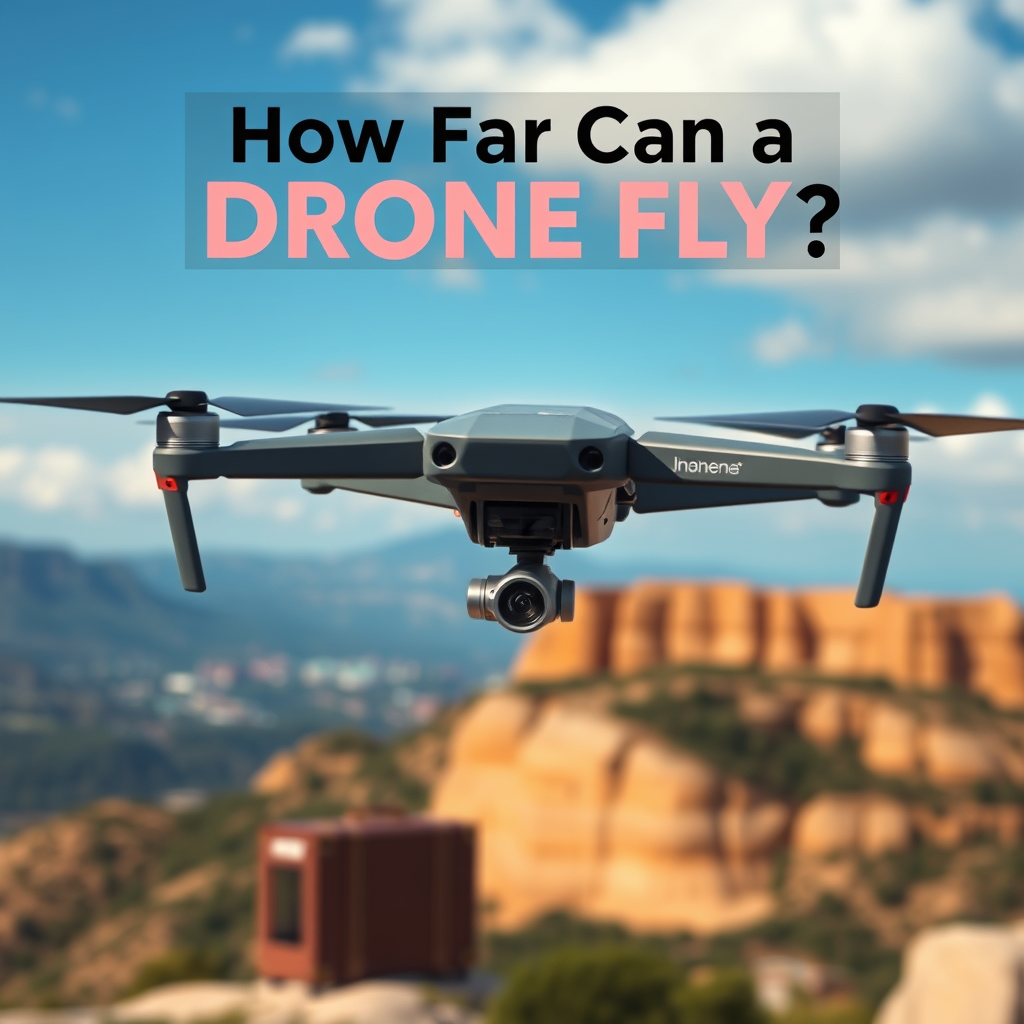
Drones can typically fly between 1 to 7 miles depending on the model, battery life, and environmental conditions. However, various factors influence this range, making it essential for users to understand the specifications of their specific drone and the regulations that may affect flight distance. This article explores the intricacies of drone flight range, including technical specifications, environmental challenges, regulatory considerations, and practical applications, providing a comprehensive overview for both hobbyists and professionals alike.
Understanding Drone Specifications
The flight range of a drone is significantly determined by its specifications. Different models have varying capabilities, which means that understanding these specifications is paramount for any drone operator. Consumer drones, designed for recreational use, often have a maximum range of approximately 4 miles. Popular models like the DJI Mini series or the DJI Phantom 4 can typically reach this distance under optimal conditions. In contrast, commercial drones, which are engineered for professional applications, can achieve ranges of 7 miles or more. For instance, the DJI Matrice 300 RTK is a robust option that supports extended range operations, making it ideal for industrial applications.
Battery capacity is another critical factor influencing how far a drone can fly. Drones are powered by lithium-polymer (LiPo) batteries, and the mAh (milliamp-hour) rating directly correlates with the potential flight time and distance. A drone with a higher mAh rating can sustain longer flights. Furthermore, the weight of the drone itself, including payloads such as cameras or sensors, can affect its flight efficiency. Heavier drones require more power to lift off and maintain altitude, which can reduce overall flight range. Therefore, understanding the specifications of your drone, including battery capacity and weight, is essential for maximizing its flight distance.
Environmental Factors Influencing Range
While a drone’s specifications set the theoretical limits of its flight capabilities, environmental factors often play a critical role in actual performance. Obstacles such as buildings, trees, and hills can disrupt both the drone’s signal and GPS connectivity, leading to a reduced flight range. For example, flying in urban environments or hilly terrains may significantly lower the effective range compared to flying in open fields or rural areas.
Weather conditions are another important consideration. Windy conditions can pose challenges for flight stability, especially for lighter drones. Strong winds can cause a drone to drift off course, requiring it to expend more battery power to maintain its intended flight path, which ultimately reduces its range. Similarly, adverse weather conditions such as rain or snow can affect the drone’s electronics and overall performance. Pilots should always check weather forecasts and assess environmental conditions before launching their drones to ensure safe and effective operations.
Regulations Impacting Drone Flight Distance
Regulatory frameworks play a crucial role in determining how far a drone can legally fly. In many jurisdictions, local laws require drone pilots to maintain visual line-of-sight with their drones during flight. This regulation is designed for safety and situational awareness but can limit the effective range of operations. For instance, if a pilot must keep their drone within sight, they might only be able to operate it a few hundred feet away, regardless of its technical flight capabilities.
In the United States, the Federal Aviation Administration (FAA) oversees drone regulations, which include restrictions on flying in certain airspaces, such as near airports or over densely populated areas. Additionally, there are specific rules governing commercial drone operations that may require pilots to obtain special licenses or permissions for longer flights. Understanding these regulations is crucial for drone users to ensure compliance and to avoid potential fines or legal issues.
Enhancing Drone Flight Range
For those looking to extend their drone’s flight range, several strategies can be employed. One of the most effective methods is upgrading to higher-capacity batteries. Many drones offer compatible extended battery options that can significantly increase flight duration and distance. For example, if a standard battery provides 20 minutes of flight time, a high-capacity battery might extend that to 30 minutes or more, allowing for longer operational ranges.
Another way to enhance range is by utilizing range extenders or signal boosters. These devices can amplify the drone’s transmission signals, allowing it to maintain a connection over greater distances. Additionally, ensuring that the drone’s firmware is up-to-date can optimize performance and reliability. Pilots should also consider flying at higher altitudes, as this can help minimize the interference caused by obstacles and improve overall signal quality.
Real-World Applications of Long-Range Drones
Long-range drones have found numerous applications across various industries, showcasing their versatility and utility. In agriculture, for instance, farmers utilize long-range drones for crop monitoring and precision farming. These drones can cover vast fields efficiently, providing real-time data on crop health, soil conditions, and irrigation needs. This capability enables farmers to make informed decisions that enhance productivity and resource management.
In search and rescue missions, long-range drones are invaluable tools. They can cover extensive terrains quickly, providing critical aerial views that assist rescue teams in locating missing persons or assessing disaster-stricken areas. Drones equipped with thermal imaging cameras can detect heat signatures, allowing them to identify individuals in challenging conditions, such as dense forests or disaster sites. The ability to fly long distances and survey large areas makes drones an essential asset in emergency response scenarios.
Safety Considerations for Long-Distance Flights
When undertaking long-distance drone flights, safety should always be a top priority. Pilots should conduct thorough pre-flight checks to ensure all components are functioning correctly, including batteries, motors, and communication systems. This practice helps identify potential issues before takeoff, reducing the risk of mid-flight failures.
Additionally, drone operators must be aware of no-fly zones and airspace restrictions to avoid legal repercussions. Utilizing apps and tools that provide real-time airspace information can help pilots stay informed about restricted areas. It is also advisable to have a contingency plan in case of emergencies, including a clear understanding of how to safely land a drone if a loss of signal occurs.
In summary, understanding how far a drone can fly involves a combination of its specifications, environmental influences, and regulatory constraints. By considering these factors and making informed choices, drone users can maximize their flying experience. Always stay updated with the latest information and regulations to fly safely and responsibly. The world of drones is constantly evolving, and being knowledgeable about flight range and its implications will enhance both safety and effectiveness in drone operations.
Frequently Asked Questions
How far can a drone fly before losing connection?
The maximum distance a drone can fly before losing connection varies by model and manufacturer. Most consumer drones have a range of 1 to 5 miles, while advanced models can reach up to 7 miles or more. Factors such as signal interference, battery life, and environmental conditions can impact flight range, so it’s crucial to always monitor your drone’s battery and connection status during flight.
What is the maximum flight altitude for drones?
In the United States, the Federal Aviation Administration (FAA) restricts drone flight altitude to a maximum of 400 feet above ground level. This regulation is in place to prevent conflicts with manned aircraft. It’s essential for drone pilots to be aware of local regulations as they can vary by country and region, ensuring safe and legal operation.
Why do some drones have a longer flight range than others?
The flight range of a drone largely depends on its design, technology, and intended use. Drones equipped with advanced transmission systems, powerful antennas, and higher-quality batteries typically offer longer ranges. Additionally, professional-grade drones often incorporate enhanced GPS and obstacle-avoidance systems, which help maintain a stable connection over greater distances compared to consumer models.
How can I extend the flight range of my drone?
To extend the flight range of your drone, consider investing in high-gain antennas or signal boosters that enhance communication between the drone and the remote controller. Additionally, flying at higher altitudes can improve signal reception, as well as avoiding areas with heavy interference. Ensuring your drone’s firmware is updated and using optimal battery conditions can also help maximize flight distance.
Which drones are best for long-distance flying?
Some of the best drones for long-distance flying include the DJI Mavic Air 2, which offers a range of up to 6.2 miles, and the DJI Phantom 4 Pro, known for its impressive 4.3-mile range. Other options like the Parrot Anafi and the Autel Robotics EVO Lite also provide robust performance and extended flight distances. When choosing a drone for long-distance use, consider factors like battery life, transmission technology, and overall reliability.
References
- https://en.wikipedia.org/wiki/Drone
- https://www.faa.gov/uas/getting_started/part_107/
- https://www.theguardian.com/technology/2021/jul/10/what-can-drones-do-and-how-are-they-being-used
- https://www.nytimes.com/2021/03/18/technology/drones-uses.html
- https://www.nasa.gov/centers/armstrong/news/FactSheets/FS-095-DFRC.html
- https://www.sciencedirect.com/science/article/pii/S2352864821000771
- https://www.aa.usda.gov/technology/drones-agriculture
- https://www.researchgate.net/publication/318052927_A_Review_of_Drone_Applications_in_Civil_Engineering
