
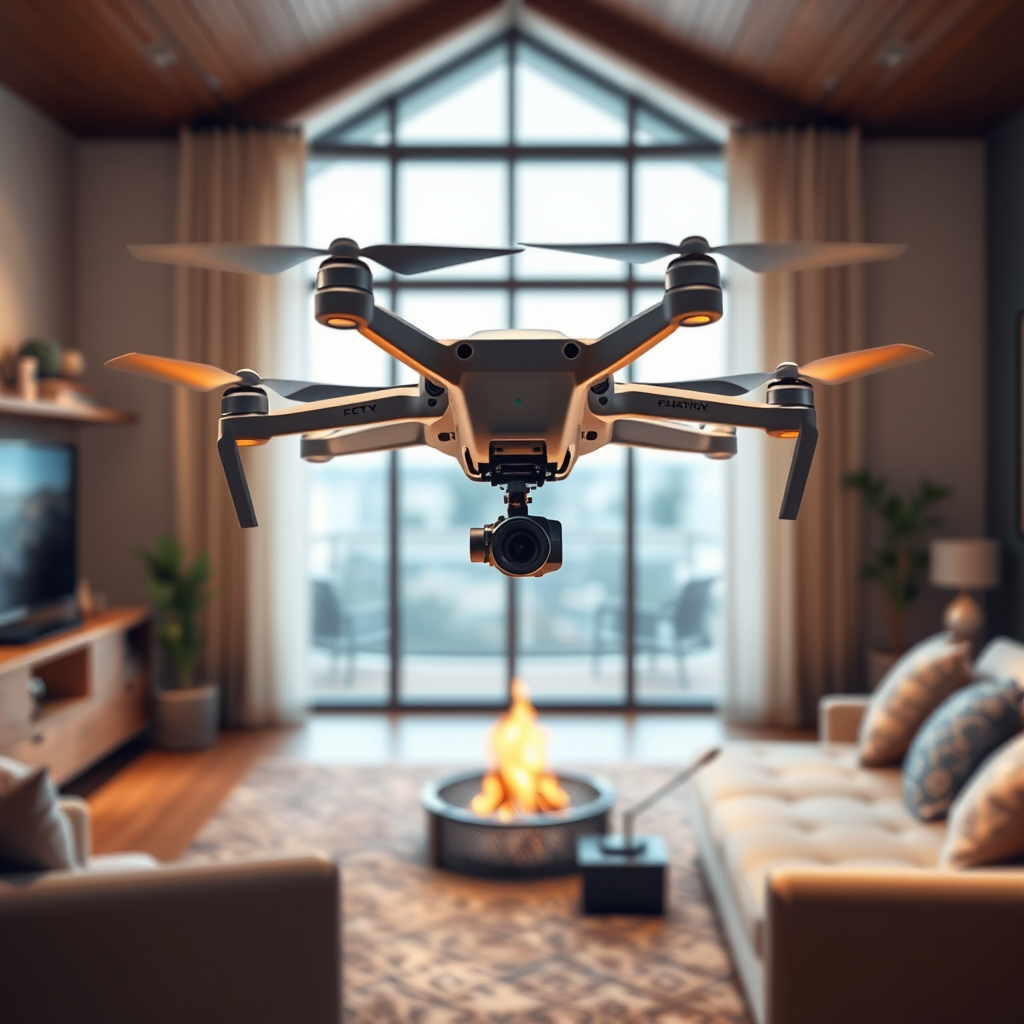
Drones can typically fly between 1 to 7 miles from their controller without losing signal, depending on various factors such as the drone model, environmental conditions, and frequency used. Understanding these variables can help drone enthusiasts maximize their flight distance, ensuring optimal performance and safety during their aerial endeavors. As technology continues to evolve, so too do the capabilities of drones, making it crucial for both hobbyists and professionals alike to stay informed about the factors influencing their operational range.
Understanding Drone Signal Range
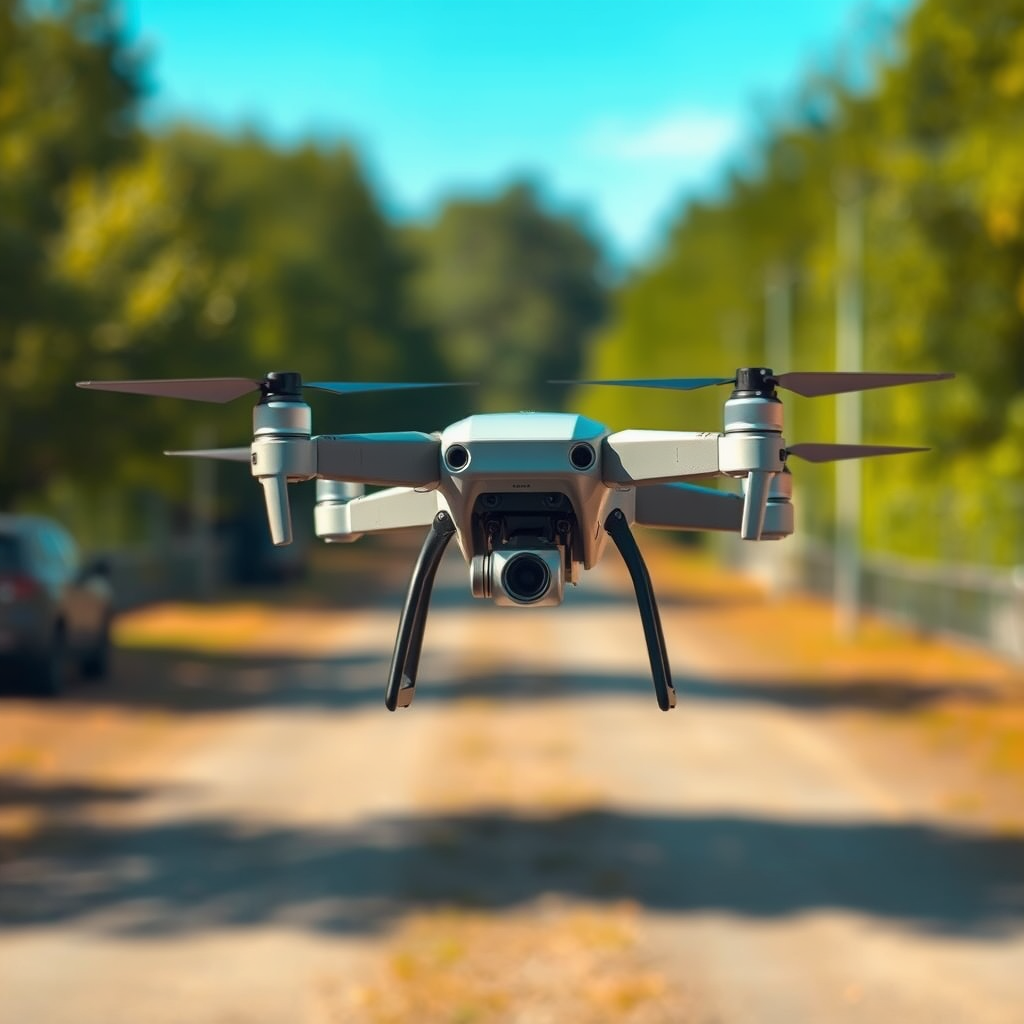
Signal range varies significantly by drone type and model. Consumer drones, such as those manufactured by DJI or Parrot, generally have a maximum range of about 1 to 4 miles. These models are designed for recreational use and often prioritize ease of operation over extensive range capabilities. In contrast, professional-grade drones, including those used for surveying or cinematography, can achieve ranges of up to 7 miles or more under optimal conditions. For instance, the DJI Matrice series is engineered with robust communication systems that enable longer flights while maintaining signal integrity. Understanding the specifications of your drone is essential; always consult the manufacturer’s guidelines for precise range capabilities.
Factors Affecting Signal Strength
Several environmental and operational factors can impact the strength of a drone’s signal. One of the most significant factors is the presence of physical obstacles. Buildings, trees, and even hills can obstruct the line of sight between the drone and its controller, which can lead to a diminished signal or complete loss. For example, flying in an urban area with tall structures can severely limit the effective range. Additionally, adverse weather conditions like rain, fog, or snow can interfere with signal transmission, causing glitches or disconnections. Pilots must also be aware that electromagnetic interference from other devices, such as cell towers or radio equipment, can disrupt the communication link, further complicating long-distance flights.
Types of Communication Used
Most drones utilize radio frequency (RF) communication for control, which is reliable and effective for most flying scenarios. RF communication typically operates on the 2.4 GHz or 5.8 GHz bands, with the former offering better penetration through obstacles and longer ranges, while the latter provides higher bandwidth for video transmission. Some advanced models have begun to incorporate Wi-Fi or cellular networks for extended range capabilities. For example, drones that utilize 4G LTE networks can maintain a connection over much greater distances, making them suitable for applications like agricultural monitoring or infrastructure inspection, where the operator may be far from the drone. Understanding the communication type used by your drone can help you make informed decisions about its operational range.
Battery Life and Its Impact
A drone’s battery life is a critical factor that can limit how far it can fly. Most consumer drones have a flight time of approximately 20 to 30 minutes, depending on the model and payload. As the battery depletes, the drone may not only lose its ability to maintain altitude but can also experience a loss of signal if it exceeds the operational distance before returning to the controller. For instance, if a drone is flown 4 miles away and only has a 20-minute flight time, the pilot must carefully monitor battery levels to ensure a safe return. Investing in higher-capacity batteries or additional battery packs can extend flight times, allowing for longer flights and more extensive exploration.
Regulations and Legal Limits
Different countries have established regulations regarding maximum flight distances for drones, which vary by location and purpose. In the United States, for instance, the Federal Aviation Administration (FAA) mandates that recreational pilots must maintain visual line of sight with their drones, effectively limiting their operational range. Commercial pilots, on the other hand, may have more leeway but must adhere to strict guidelines to ensure safety and compliance. Similarly, European drone regulations have been evolving, with many countries implementing their own restrictions. It is imperative for drone pilots to familiarize themselves with local laws to avoid penalties and ensure responsible flying.
Tips for Maximizing Drone Range
To enhance your drone’s signal range and ensure a successful flight, consider employing the following strategies:
1. Use Signal Boosters or Antennas: Upgrading your controller with a signal booster or high-gain antenna can significantly improve communication distance and reliability.
2. Avoid Flying in Obstructed Areas: Plan your flights in open spaces where there are fewer obstacles, such as parks or rural areas, to maintain a clear line of sight.
3. Optimize the Drone’s Position: Elevating the drone’s altitude can help mitigate interference from ground-level obstacles, allowing for stronger signal reception.
4. Monitor Weather Conditions: Before flying, check the weather forecast to avoid adverse conditions that could impact signal transmission.
5. Regularly Update Firmware: Keeping your drone’s firmware up to date can enhance performance, including signal strength and range.
In conclusion, while drones possess impressive signal ranges, a multitude of factors influences how far they can fly without losing connection. By understanding the technical specifications of the drone, recognizing environmental challenges, and adhering to regulations, pilots can optimize their experience and ensure safe operations. With the right knowledge and preparations, drone enthusiasts can explore the skies with confidence, maximizing their flight capabilities while enjoying the exhilarating world of aerial photography, surveying, and recreational flying.
Frequently Asked Questions
What factors influence how far a drone can go without losing signal?
Several factors can influence the distance a drone can fly without losing signal, including the type of transmission technology used (like Wi-Fi or radio frequency), the drone’s design, and environmental conditions. Obstacles such as buildings, trees, and hills can interfere with signals, while weather conditions like heavy rain or strong winds may also impact range. Understanding these factors can help users maximize their drone’s effective operating range.
How can I extend my drone’s signal range?
To extend your drone’s signal range, consider upgrading the antennas or using signal boosters that enhance transmission strength. Additionally, flying in open areas away from obstructions can significantly improve signal quality. Keeping the drone within the line of sight and regularly updating the firmware can also help maintain a strong connection for longer distances.
Why does my drone lose signal at certain distances?
Drones typically lose signal at certain distances due to the limitations of their transmission systems and the effects of interference. As the drone moves further away, it may encounter obstacles that disrupt the signal, such as buildings, trees, or even other electronic devices. If the drone’s battery is low, it may also reduce transmission power, leading to a loss of signal at shorter ranges.
What is the average signal range for consumer drones?
The average signal range for consumer drones varies widely depending on the model and its specifications, but most range from about 1,000 feet to several miles. High-end models, like those from DJI, can reach ranges of up to 4-7 miles in optimal conditions. Always consult your drone’s user manual for specific range capabilities and keep in mind that real-world performance may differ based on environmental factors.
Which drones have the best signal range capabilities?
Drones known for excellent signal range capabilities include the DJI Mavic Air 2, DJI Phantom 4 Pro, and the Autel Robotics EVO Lite+. These models utilize advanced transmission technologies that provide extended ranges and reliable connections even in challenging environments. When selecting a drone, consider both the advertised range and user reviews to ensure it meets your needs for distance and reliability.
References
- https://en.wikipedia.org/wiki/Drone#Range_and_control
- https://www.faa.gov/uas/getting_started/part_107/
- https://www.smithsonianmag.com/innovation/how-far-can-drones-fly-180968070/
- https://www.nytimes.com/2021/02/23/technology/drones-range.html
- https://www.sciencedirect.com/science/article/pii/S2352146515001236
- https://www.cnbc.com/2020/09/25/how-far-can-drones-fly.html
- https://www.researchgate.net/publication/328679771_An_Analysis_of_Drone_Control_Range_and_Signal_Interference
- https://www.theguardian.com/technology/2020/sep/28/drones-how-far-can-they-fly-without-losing-signal
