
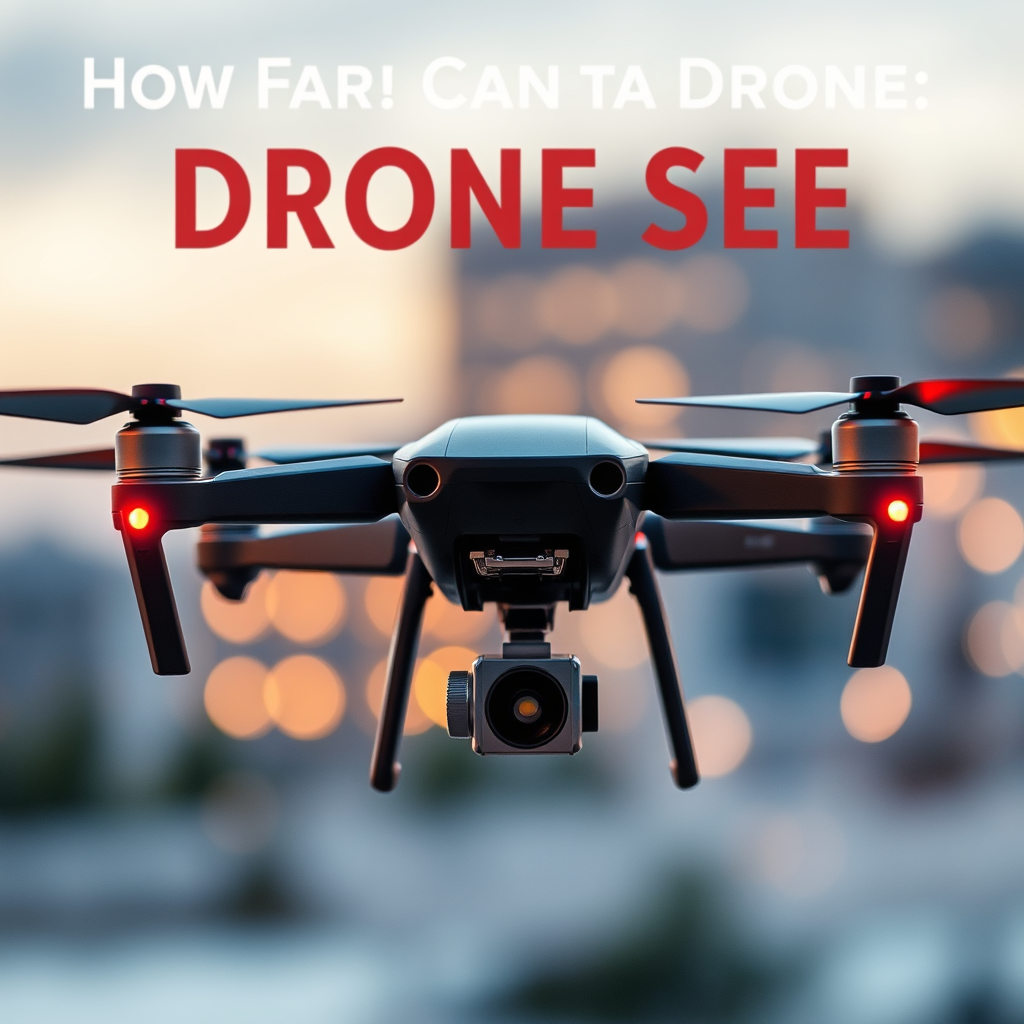
Drones can typically see up to several miles away, depending on factors like camera quality, altitude, and environmental conditions. The effective visual range of a drone is not just a function of its hardware but also involves a complex interplay of regulations, technology, and environmental factors. Understanding these elements is essential for drone operators who wish to maximize their aerial capabilities, whether for professional applications or recreational purposes.
Understanding Drone Camera Capabilities
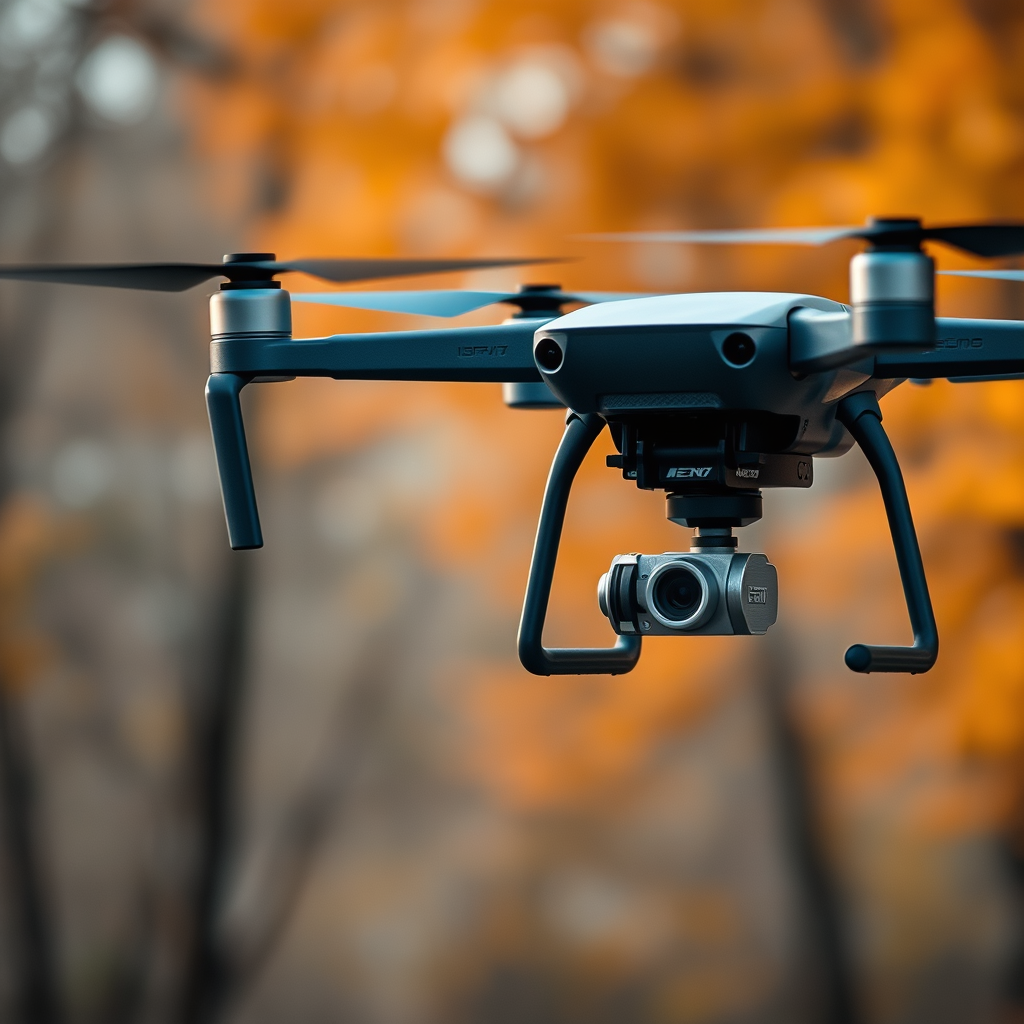
The camera is arguably the most critical component of a drone’s visual system, and its capabilities significantly influence how far a drone can effectively see.
– Resolution: Higher resolution cameras capture more detail, allowing users to identify objects from greater distances. For instance, a drone equipped with a 4K camera can yield sharper images than one with a 1080p camera, particularly when observing subjects several miles away. This clarity is crucial in applications like surveillance or wildlife monitoring, where identifying specific details is essential.
– Zoom Features: Optical zoom capabilities enhance a drone’s ability to capture distant subjects without compromising image quality. Drones with optical zoom lenses can magnify images while retaining clarity, unlike digital zoom, which often results in pixelation. For example, a drone with a 30x optical zoom can effectively observe a target several kilometers away, making it invaluable in search and rescue operations or for conducting inspections in hard-to-reach places.
Factors Affecting Visibility
Various external factors can greatly affect a drone’s visibility range, often limiting its operational effectiveness.
– Altitude: The altitude at which a drone operates plays a pivotal role in its visibility. Drones flying at higher altitudes can observe larger areas, as they encounter fewer obstructions like trees, buildings, and terrain. For instance, a drone flying at 400 feet can cover a radius of several miles, making it ideal for applications like agricultural monitoring or environmental surveys where a broad perspective is advantageous.
– Weather Conditions: Adverse weather conditions can significantly impact visibility. Fog, rain, and haze can obscure a drone’s camera, limiting its range and effectiveness. For example, a drone attempting to fly in foggy conditions may only be able to see a few hundred feet ahead, significantly reducing its operational capabilities. Operators should be aware of local weather forecasts and avoid flying in conditions that could impair visibility, ensuring the safety and success of their missions.
The Role of Technology in Drone Vision
Technological advancements have dramatically improved drone vision capabilities, enhancing the quality of images and the range at which they can be captured.
– Sensors: Modern drones are equipped with advanced sensors that dramatically enhance image clarity and distance perception. For instance, thermal imaging sensors allow drones to see heat signatures, making them useful for search and rescue operations at night or in low-visibility conditions. Similarly, LiDAR sensors can create detailed three-dimensional maps, providing valuable data for land surveying and construction projects.
– Real-time Video Transmission: The ability to stream video in real-time is crucial for operators, as it affects how they perceive distance and navigate. High-quality video transmission systems reduce latency and improve image quality, enabling operators to make more informed decisions while flying. For example, drones equipped with 4G or 5G connectivity can transmit HD video feeds over long distances, allowing for effective monitoring and control even far from the drone’s location.
Legal Limitations on Drone Visibility
While technological advancements have expanded the capabilities of drone vision, legal regulations often impose restrictions that can affect how far a drone can effectively operate.
– Visual Line of Sight (VLOS): Many countries have regulations that require drone operators to maintain a visual line of sight with their drones. This means that even if a drone has advanced capabilities to see or transmit images from several miles away, the operator must be able to see the drone at all times. This limitation is designed to enhance safety and accountability, ensuring that operators can respond quickly to any issues that may arise during flight.
– Night Operations: Flying drones at night presents additional challenges for visibility and may be restricted by law. While some drones are equipped with night vision capabilities, regulatory frameworks in many regions require operators to have specific licenses or permissions to operate after dark. This can restrict the operational range and applications of drones, particularly in industries such as emergency response or infrastructure inspection that could benefit from nighttime operations.
Practical Applications of Drone Vision
The ability of drones to see and capture images over extensive distances has opened up numerous practical applications across various industries.
– Search and Rescue: Drones equipped with high-resolution cameras and thermal imaging capabilities can cover vast areas quickly, making them invaluable for locating missing persons or assessing disaster-stricken regions. For example, during natural disasters like floods or earthquakes, drones can quickly survey impacted areas, providing crucial information to emergency response teams.
– Agricultural Monitoring: In agriculture, drones can assess crop health, monitor irrigation systems, and evaluate field conditions from high altitudes. By capturing detailed images and data, farmers can make informed decisions about crop management and resource allocation, ultimately leading to increased efficiency and yield. Drones equipped with multispectral cameras can analyze plant health by capturing data across different wavelengths, providing insights that are not visible to the naked eye.
Future of Drone Vision Technology
As technology continues to advance, the future of drone vision holds exciting possibilities that could further extend their operational capabilities.
– Enhanced Imaging: Innovations in imaging technology promise to improve the quality and range of drone vision even further. For example, developments in ultra-high-resolution cameras and imaging sensors could enable drones to capture even finer details at greater distances, potentially revolutionizing industries like real estate, tourism, and environmental monitoring.
– AI Integration: The integration of artificial intelligence (AI) could significantly enhance how drones interpret visual data and navigate obstacles. AI algorithms could enable drones to autonomously identify and classify objects in real-time, making them more effective in applications such as wildlife monitoring, security, and infrastructure inspections. By analyzing visual data, drones equipped with AI could also optimize flight paths and improve overall efficiency.
In summary, a drone’s visibility can range from a few miles to much farther, influenced by various factors such as camera technology, altitude, and regulatory frameworks. Understanding these aspects is crucial for users looking to maximize their drone’s potential. Whether for professional applications or recreational flying, awareness of these elements is essential for effective drone operations, ensuring safety and success in a rapidly evolving field.
Frequently Asked Questions
What factors influence how far a drone can see?
The distance a drone can effectively see is influenced by several factors, including the type of camera it is equipped with, the quality of the lens, and environmental conditions like weather and visibility. For instance, high-resolution cameras can capture clearer images from greater distances, while fog, rain, or haze can significantly reduce visibility. Additionally, the altitude at which the drone is flying also plays a crucial role; higher altitudes generally provide a broader field of view.
How do different drone cameras affect viewing distance?
Different drone cameras vary in their capabilities, affecting how far a drone can see. Drones equipped with high-resolution cameras, such as 4K or even 8K resolution, can capture more detail from farther away compared to standard-definition cameras. Moreover, features like optical zoom or thermal imaging can enhance the effective viewing distance, allowing for clearer observations even at greater ranges, making them ideal for applications such as search and rescue or wildlife monitoring.
Why do some drones have limited visibility ranges?
Some drones have limited visibility ranges due to restrictions in their camera technology, battery life, and transmission capabilities. Entry-level drones often come with basic cameras that lack advanced optics, limiting their effective range. Additionally, some drones may have lower-quality video transmission systems that can struggle to maintain a clear connection at longer distances, resulting in degraded image quality and reduced visibility.
What is the best drone for long-distance viewing?
The best drone for long-distance viewing typically features a high-resolution camera and robust transmission technology. Models like the DJI Mavic 3 or the Autel Robotics EVO Lite offer advanced optics, high-quality sensors, and reliable video transmission systems, making them suitable for long-range observations. These drones not only provide clear imagery from impressive distances but also include intelligent flight modes that enhance their usability in various scenarios.
Which regulations impact a drone’s visibility range in the air?
Regulatory agencies, such as the Federal Aviation Administration (FAA) in the United States, have established guidelines that impact a drone’s visibility range. For instance, drone pilots are required to maintain visual line-of-sight (VLOS) with their aircraft, which typically limits how far a drone can be flown. Additionally, restrictions on flying at certain altitudes and near populated areas further influence the practical visibility range of drones, ensuring safety and compliance with airspace regulations.
References
- https://en.wikipedia.org/wiki/Drone
- https://www.faa.gov/uas/
- https://www.sciencedirect.com/science/article/pii/S2352938517300491
- https://www.nytimes.com/2021/07/03/us/drone-technology.html
- https://www.theguardian.com/technology/2021/dec/10/drone-technology-military-civilian-use
- https://www.researchgate.net/publication/327013976_The_impact_of_drones_on_urban_development_and_sustainability
- https://www.ncbi.nlm.nih.gov/pmc/articles/PMC6071226/
