

Drones can typically travel between 3 to 7 miles on a single charge, depending on various factors such as model, battery life, and environmental conditions. This range is crucial for both recreational and commercial users, as understanding flight distances can influence operational planning and effectiveness. In this article, we will explore the different aspects that influence a drone’s range and provide insights into the technology behind drone flight distances.
Factors Affecting Drone Flight Range
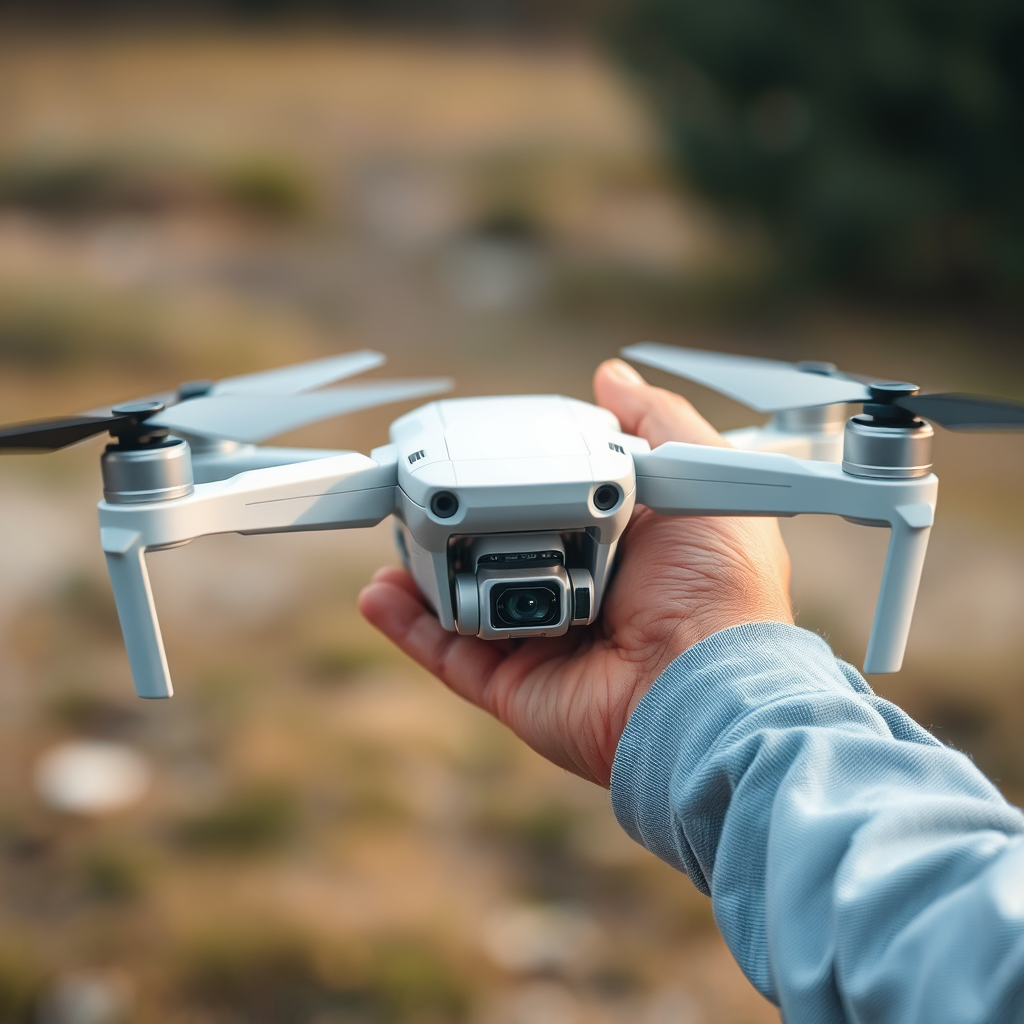
Several key factors play a significant role in determining how far a drone can travel on a single battery charge.
Battery Capacity
The capacity of a drone’s battery is one of the most critical determinants of its flight range. Drones equipped with larger, high-capacity batteries can sustain longer flight times and cover greater distances. For instance, drones designed for professional use often incorporate lithium polymer (LiPo) batteries with higher mAh ratings, enabling them to operate for extended periods. A high-capacity battery not only supports longer distances but also provides the necessary power to carry additional equipment, such as high-definition cameras or sensors.
Weight of the Drone
The weight of the drone itself is another essential factor that affects flight range. Heavier drones tend to consume more energy during flight, which can reduce their overall range. For example, a consumer drone weighing around 1 kilogram may have a flight distance of 5 miles, while a heavier drone weighing 2 kilograms may only achieve 3 miles under similar conditions. Therefore, manufacturers often focus on lightweight materials and design optimizations to enhance flight efficiency and distance.
Types of Drones and Their Distances
Drones come in various types, each designed for specific purposes, and this diversity significantly impacts their flight ranges.
Consumer Drones
Consumer drones, commonly used by hobbyists and for recreational purposes, typically have ranges between 3 to 6 miles. Models such as the DJI Mavic Air 2 or the Parrot Anafi are popular choices among enthusiasts, offering a balance between performance and affordability. These drones are generally equipped with sufficient battery life and technology to enable enjoyable flight experiences, while still being accessible to the average user.
Professional Drones
Professional drones, on the other hand, are engineered for specialized tasks such as aerial surveying, agricultural monitoring, or cinematography. These drones can often exceed 7 miles of operational range, particularly those designed for commercial use, like the DJI Matrice 300 RTK or the senseFly eBee X. With advanced technology and higher battery capacities, these drones cater to the needs of industries where extended flight distances are essential.
Environmental Influences on Drone Range
Environmental factors can significantly impact a drone’s flight range, often limiting its operational capacity.
Weather Conditions
Weather plays a crucial role in determining how far a drone can fly. Windy conditions can lead to increased energy consumption as the drone works harder to maintain stability and counteract gusts. Rain can exacerbate this issue, affecting both the drone’s performance and the efficiency of its battery. Temperature also affects battery performance; colder temperatures can reduce battery efficiency, leading to shorter flight times and distances. Understanding the local weather conditions is vital for drone operators to optimize their flight plans.
Obstacles
Obstacles such as buildings, trees, and geographical features can interfere with a drone’s signal strength and, consequently, its range. Urban environments, with their tall structures and dense populations, can create signal interference, which may limit the drone’s operational range, particularly for models relying on radio frequency communication. To mitigate these issues, drone operators should conduct thorough pre-flight assessments of their intended flight paths, looking for potential obstacles that could hinder performance.
Drone Technology and Range Enhancements
Advancements in technology have led to significant improvements in drone flight range and overall performance.
GPS Systems
Modern drones are often equipped with advanced GPS systems that enhance navigation and flight stability. These systems enable precise location tracking and allow operators to set waypoints, which can optimize flight paths for distance and efficiency. With improved GPS technology, drones can better manage their battery consumption, ensuring they can travel further while maintaining control and stability.
Transmission Technology
Transmission technology has also seen remarkable advancements, with enhanced signal transmission capabilities extending the operational range of drones. Many modern drones utilize 2.4 GHz or 5.8 GHz frequency bands, which can improve communication between the drone and the remote controller. Additionally, technologies such as OcuSync and Lightbridge provide high-definition video transmission over long distances, allowing operators to maintain control and receive real-time data even at extended ranges.
Legal Regulations and Flight Range
Understanding the legal landscape surrounding drone operations is crucial for any drone operator, as regulations can significantly affect flight distances.
FAA Regulations
In the United States, the Federal Aviation Administration (FAA) has established regulations governing drone use, including operational limits on flight distances. For example, most recreational drone operators are required to keep their drones within visual line of sight, which typically restricts flight distances to around 3 miles. Commercial operators may have more flexibility, but must still adhere to specific guidelines and obtain necessary waivers for extended operations.
No-Fly Zones
Additionally, there are various no-fly zones that can limit where drones can operate effectively. These zones are established for safety and security reasons, often surrounding airports, government buildings, and other sensitive areas. Understanding these restrictions is essential for drone operators to avoid legal issues and ensure safe flight operations.
Tips for Maximizing Drone Range
To maximize the flight range of drones, operators can implement several practical strategies.
Maintain Line of Sight
One of the most effective ways to extend a drone’s operational distance is to maintain a clear line of sight between the operator and the drone. This practice not only complies with legal regulations but also enhances control and minimizes the risk of losing the drone. By keeping the drone within visual range, operators can navigate more effectively and respond quickly to changing conditions.
Optimize Battery Usage
Implementing energy-saving modes and optimizing battery usage can significantly extend flight times. Many modern drones come equipped with intelligent flight modes, such as return-to-home features and altitude hold, which can conserve battery life. Operators should also avoid aggressive maneuvers, as rapid changes in speed and direction can drain the battery more quickly. Regular maintenance of the drone and its battery can further enhance performance and longevity.
In conclusion, the distance a drone can travel varies widely depending on its type, technology, and environmental factors. Understanding these elements is crucial for drone operators in making informed decisions to optimize their flying experience. Whether you are a hobbyist seeking to explore new horizons or a professional aiming for precise aerial data collection, knowing how far your drone can go is essential for effective planning and operation. By leveraging technology, adhering to regulations, and employing best practices, drone enthusiasts and professionals alike can maximize their operational range and enjoy the benefits of this innovative technology.
Frequently Asked Questions
How far can a consumer drone fly on a single battery charge?
The distance a consumer drone can fly on a single battery charge typically ranges from 1 to 7 miles, depending on the model and environmental conditions. Most entry-level drones may achieve around 1 to 3 miles, while higher-end models, like those from DJI, can reach distances up to 7 miles or more. Factors such as drone weight, wind conditions, and battery capacity significantly influence flight range, so it’s essential to check the specifications of the specific drone you are considering.
What factors affect the range of a drone?
Several factors can affect the range of a drone, including battery life, weight, weather conditions, and the type of technology used for communication. Drones equipped with advanced transmission systems, like OcuSync or Lightbridge, generally have a longer range due to their ability to maintain a stronger signal. Additionally, flying in windy conditions or at high altitudes can also reduce range, as the drone may need to expend more energy to maintain stability and control.
Why do some drones have longer ranges than others?
Drones with longer ranges often incorporate advanced technology and design features that enhance their performance. High-quality antennas, improved battery efficiency, and lightweight materials contribute to extended flight distances. Additionally, professional-grade drones are typically built with stronger communication systems that can maintain a stable connection over greater distances, allowing for more reliable operation compared to entry-level models.
What is the best drone for long-range flying?
The best drone for long-range flying is often considered to be the DJI Mavic Air 2, which boasts a maximum range of up to 6.2 miles with its robust transmission technology. Other excellent options include the Autel Robotics EVO Lite+ and DJI Phantom 4 Pro, both of which offer impressive flight ranges and advanced features. When selecting a long-range drone, consider factors such as camera quality, battery life, and durability to meet your specific needs.
How can I extend the range of my drone?
To extend the range of your drone, consider upgrading to a higher-capacity battery or using a battery with a higher discharge rate. Additionally, flying in open areas with minimal interference, avoiding obstacles, and using signal boosters can significantly enhance communication range. Regularly maintaining your drone’s firmware and ensuring optimal antenna positioning are also crucial for maximizing flight distance.
References
- https://en.wikipedia.org/wiki/Drone_range
- https://www.faa.gov/uas/
- https://www.theguardian.com/technology/2021/jun/09/drone-delivery-uk
- https://www.nytimes.com/2020/12/01/technology/drones-delivery.html
- https://www.sciencedirect.com/science/article/pii/S2351978921003290
- https://www.reuters.com/technology/drones-delivery-logistics-2021-04-21/
- https://www.wired.com/story/what-are-drones/
