
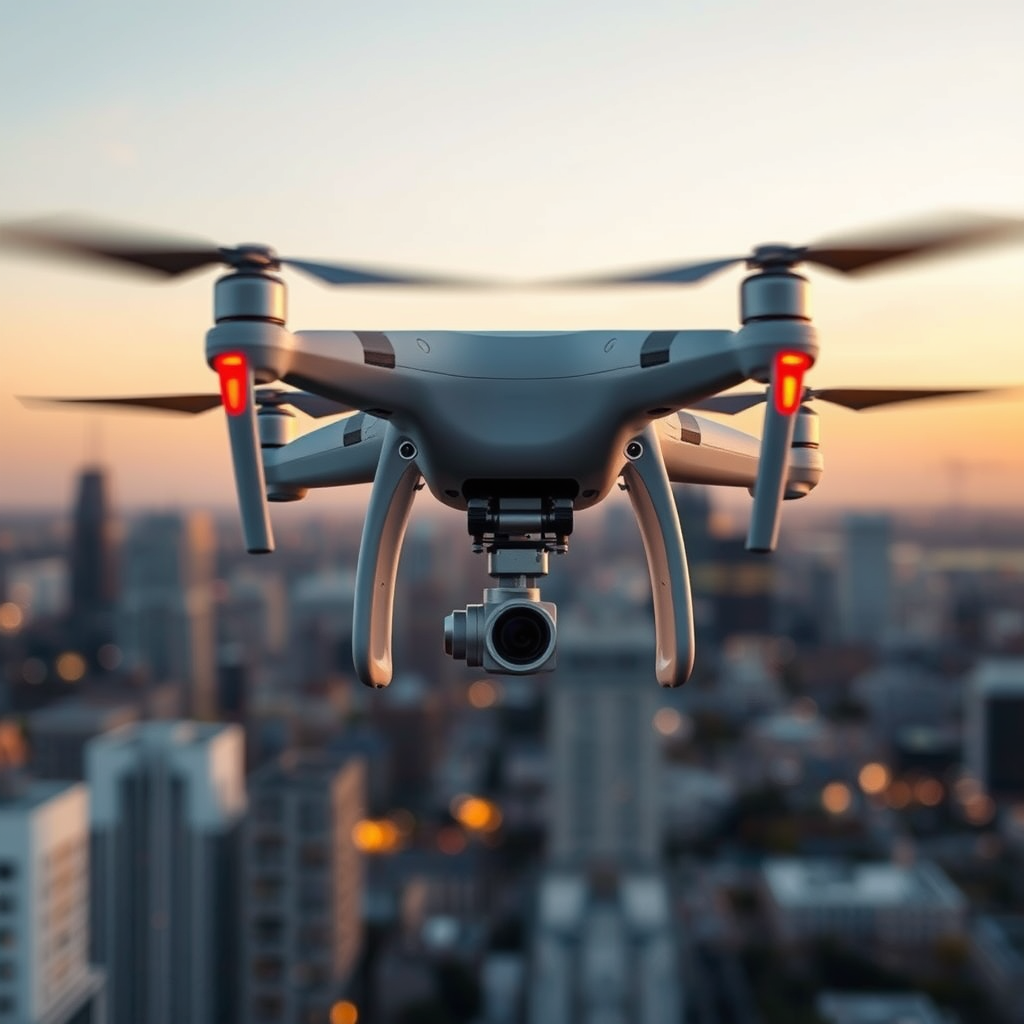
The DJI Phantom 4 drone can fly up to 3.1 miles (5 kilometers) away from its remote controller under optimal conditions. This impressive range enables users to capture stunning aerial photography and explore vast terrains, making the Phantom 4 a popular choice among both hobbyists and professionals. However, the real-world performance can vary due to several influencing factors, which are essential to understand for maximizing your drone’s capabilities.
Understanding Phantom 4’s Flight Range
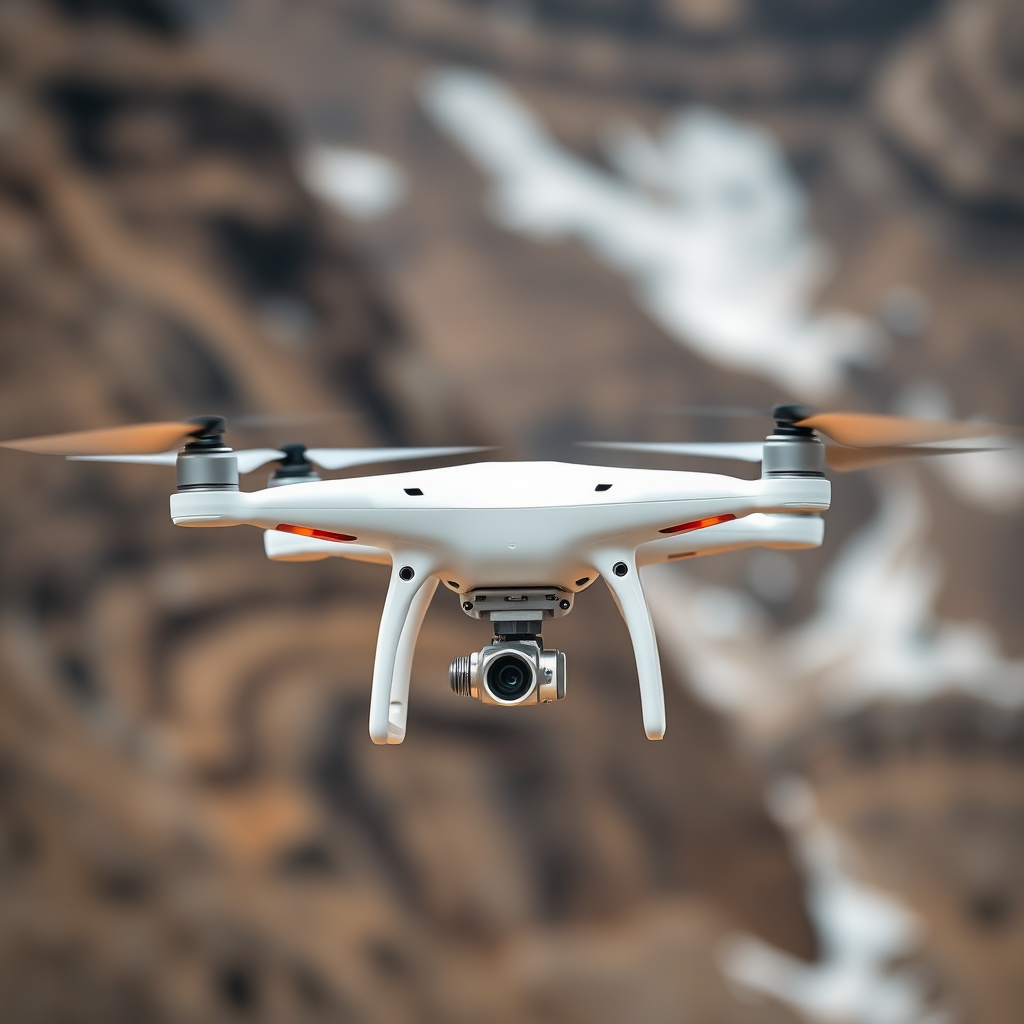
The maximum flight distance of the DJI Phantom 4 is 3.1 miles (5 kilometers) when operated in open areas devoid of obstacles. This distance allows for extensive exploration, capturing breathtaking landscapes or surveying large properties. However, it is crucial to recognize that this maximum range is not guaranteed under all conditions. Environmental factors, such as buildings, trees, and even geographical features like hills, can obstruct the signal between the drone and its controller, significantly reducing the effective flight distance. Moreover, urban settings with high levels of electromagnetic interference can further limit connectivity, emphasizing the importance of choosing the right flying environment.
Factors Affecting Flight Distance
Numerous factors can influence the flight distance of a Phantom 4 drone, with two of the most significant being battery life and weather conditions.
– Battery Life: The Phantom 4 is equipped with a powerful battery that provides up to 28 minutes of flight time under optimal conditions. However, as the battery depletes, the drone’s performance may diminish, limiting its range. It is advisable to monitor battery levels closely and plan flights accordingly, ensuring that the drone has sufficient power to return safely to the takeoff point.
– Weather Conditions: Weather plays a critical role in drone performance. Wind can be particularly detrimental, as strong gusts may require the drone to expend more energy to maintain stability, ultimately reducing flight distance. Rain or snow can also impact the drone’s electronics and aerodynamics, making it imperative to avoid flying in adverse weather conditions. Additionally, temperature can influence battery efficiency; colder temperatures can reduce battery life, leading to potential limitations in flight distance.
Optimal Conditions for Maximum Range
To achieve the maximum flight distance with your Phantom 4, certain conditions should be met.
– Open Spaces: Flying in areas that are free of buildings, trees, or other obstructions is essential for maximizing the drone’s range. Open fields, coastal areas, or expansive rural landscapes provide ideal environments for safe and effective operation. Before launching, it’s advisable to scout the area for potential obstructions that could interfere with signal transmission.
– Clear Line of Sight: Maintaining a clear line of sight between the drone and its controller is crucial for ensuring strong connectivity. This practice not only enhances the operational range but also helps the pilot maintain visual awareness of the drone’s position, which is vital for safe flying. Operators should avoid flying behind obstacles or out of direct sight, as this can lead to a loss of control and potential crashes.
Remote Control and Signal Strength
The relationship between the remote control and the drone is fundamental to the overall flight experience and range.
– Controller Range: The remote controller for the Phantom 4 is designed to operate within a specific range, which directly influences how far the drone can travel. While the maximum distance is 3.1 miles, actual performance may vary based on the controller’s signal strength and the surrounding environment. To optimize signal strength, users should ensure that the controller’s antennas are positioned correctly and that they are not obstructed by objects or their own bodies.
– Signal Interference: Various electronic devices can disrupt the signals between the remote controller and the drone. Wi-Fi networks, cell towers, and other electronic devices can create interference that may reduce the effective range. To mitigate issues related to signal interference, it’s wise to fly in areas with minimal electronic activity and to turn off nearby devices that may cause disruptions.
Legal Regulations and Flight Restrictions
Before embarking on any drone flight, it is crucial to be aware of local laws and regulations that may impact your flight distance.
– Local Laws: Each country and region has its own regulations governing drone operations. Some areas may impose restrictions on flying distances, altitudes, and operational times. Familiarizing yourself with these laws is essential to ensure compliance and avoid potential penalties. In many jurisdictions, drone pilots are required to register their aircraft and adhere to specific operational guidelines.
– No-Fly Zones: Certain areas are designated as no-fly zones, particularly those near airports, military bases, and other sensitive locations. These restrictions are in place to ensure the safety of manned aircraft and national security. It is critical to consult local regulations and use mapping tools to identify no-fly zones before planning your flight. Ignoring these restrictions can result in significant legal repercussions and risk to public safety.
Tips for Maximizing Your Phantom 4’s Range
To ensure you are getting the most out of your Phantom 4’s capabilities, consider the following tips:
– Pre-Flight Checks: Conducting thorough pre-flight checks is essential for optimal performance. This includes verifying battery levels, checking propeller condition, and ensuring that all systems are functioning correctly. Regular maintenance and firmware updates can also enhance performance and reliability.
– Use GPS Mode: Engaging GPS mode during flight stabilizes the drone and allows for more precise control. This feature is particularly useful for maintaining a steady flight path, which can help maximize range and minimize battery consumption. By utilizing GPS, operators can also benefit from features such as waypoint navigation, further enhancing their flight experience.
In summary, while the DJI Phantom 4 drone boasts an impressive maximum flight distance of 3.1 miles, several factors can influence this capability. Environmental conditions, signal strength, and legal regulations all play significant roles in determining how far you can fly your drone. By understanding these elements and preparing adequately, you can maximize your drone’s range and enjoy a safer, more efficient flying experience. Always remain informed about local regulations and prioritize safety to make the most of your aerial adventures.
Frequently Asked Questions
How far can a Phantom 4 drone fly on a full battery?
The DJI Phantom 4 drone can fly up to 3.1 miles (5 kilometers) from its remote controller under optimal conditions. This range depends heavily on factors such as battery life, transmission technology, and environmental conditions. In urban areas with interference or obstacles, the effective flying distance may be reduced significantly.
What factors affect the flight distance of a Phantom 4 drone?
Several factors can impact the flight distance of a Phantom 4 drone, including battery health, signal interference, weather conditions, and obstacles like buildings or trees. Additionally, flying at higher altitudes can reduce the distance due to increased wind resistance and potential signal loss. Proper pre-flight planning can help maximize your drone’s range.
How can I extend the flying distance of my Phantom 4 drone?
To extend the flying distance of your Phantom 4 drone, ensure you are flying in open areas with minimal interference and obstacles. Upgrading to high-capacity batteries, using range extenders, and optimizing your flight settings can also help. Additionally, keep your drone’s firmware updated to benefit from the latest enhancements and bug fixes that may improve performance.
Is it safe to fly a Phantom 4 drone beyond the visual line of sight?
While the Phantom 4 drone can technically fly beyond the visual line of sight (BVLOS), it is not recommended due to safety concerns and legal restrictions. Most countries require drone operators to maintain visual contact with their drones during flight. Flying BVLOS can lead to accidents and potential legal repercussions, so it’s important to adhere to local regulations.
What is the best practice for flying a Phantom 4 drone to maximize its range?
To maximize the flight range of your Phantom 4 drone, always start with a fully charged battery, and choose a clear, open area for your flight. Avoid flying in high wind conditions, and maintain a direct line of sight with the drone to ensure a stable connection. Regularly check and calibrate your drone’s compass and GPS settings to optimize performance and range.
References
- https://en.wikipedia.org/wiki/Drone_flight_range
- https://www.faa.gov/uas/getting_started/part_107/
- https://www.ncbi.nlm.nih.gov/pmc/articles/PMC7025170/
- https://www.researchgate.net/publication/331847023_The_influence_of_flight_range_on_the_performance_of_drones
- https://www.bbc.com/news/technology-36892977
- https://www.sciencedirect.com/science/article/pii/S2351978918300529
