
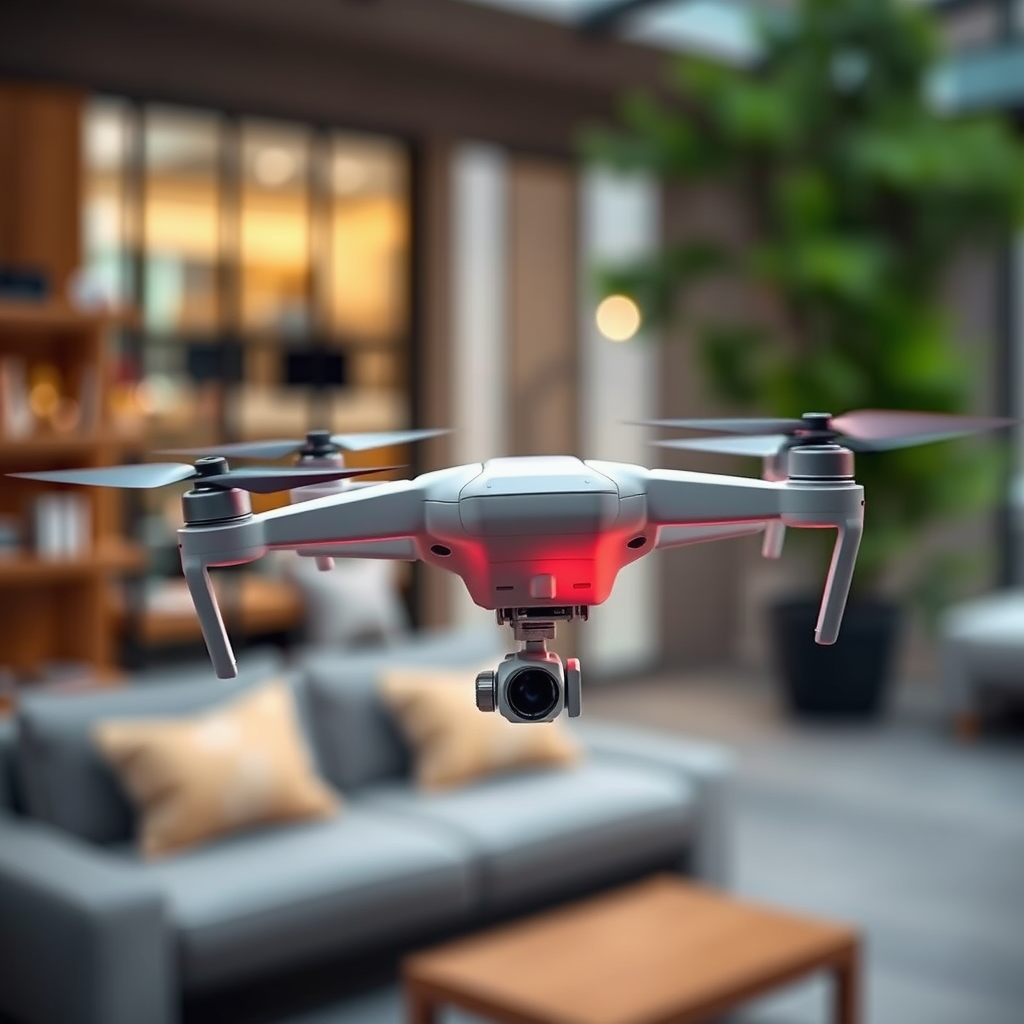
Police drones can typically fly between 3 to 7 miles, depending on various factors like model, battery life, and environmental conditions. Their operational range is crucial for law enforcement agencies, enabling them to cover extensive areas for surveillance, search and rescue operations, and crowd monitoring. In this article, we will explore the capabilities of police drones, the factors affecting their range, the types of drones commonly used by police departments, legal considerations, practical applications in law enforcement, and the future of this evolving technology.
Understanding Drone Range
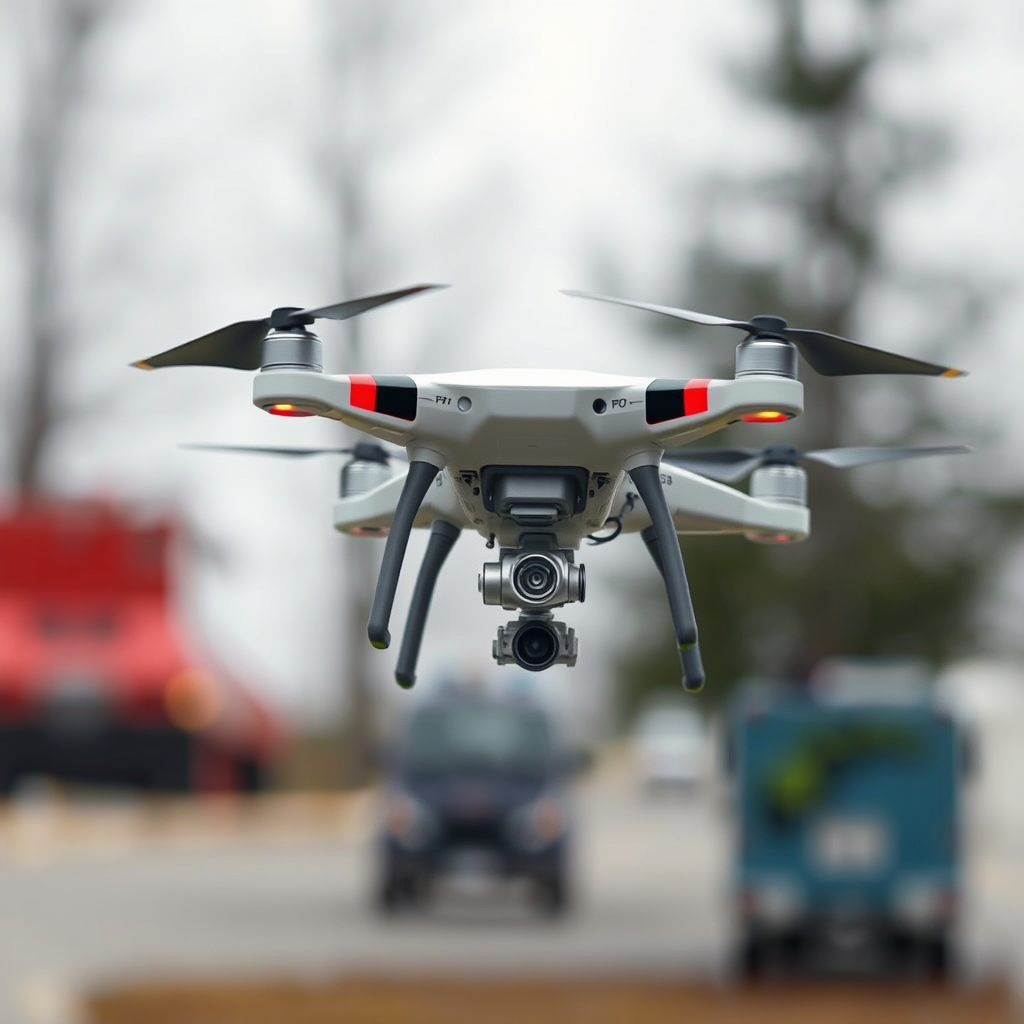
Drones are typically limited by battery life, which directly affects their flight distance. Most consumer drones, including those used by police, operate on lithium-polymer batteries that have a limited capacity, and as a result, the flight time is constrained. For instance, a standard police drone can stay airborne for approximately 20 to 30 minutes on a full charge, which significantly impacts how far it can travel before requiring a return to its launch point.
Moreover, the range can vary significantly between different drone models. High-end models designed for law enforcement purposes often feature advanced battery technology and optimized flight systems, allowing them to achieve longer distances. For example, drones like the DJI Matrice 300 RTK can cover up to 9 miles under optimal conditions, demonstrating that advancements in drone technology can extend operational capabilities.
Factors Affecting Flight Distance
Several factors influence the effective flight distance of police drones. Environmental conditions play a crucial role; wind speed, rain, and temperature can all affect how far a drone can travel. High winds can cause increased battery consumption as the drone works harder to maintain stability and position, while adverse weather conditions can force a drone to land prematurely for safety considerations.
The payload carried by the drone also influences its range. Drones equipped with heavy cameras or additional equipment will have reduced flight time compared to those carrying lighter payloads. For instance, a drone tasked with delivering surveillance footage from a high-definition camera may have a shorter flight duration than one designed solely for aerial photography.
Furthermore, the operational altitude can affect range; flying at higher altitudes generally requires more power, thus decreasing the flight distance. Police departments must carefully consider these factors when planning drone missions to ensure they can complete their objectives within the drones’ operational capabilities.
Types of Police Drones
Many police departments utilize commercial drones for surveillance and emergency response. These drones are often versatile, equipped with advanced imaging systems, infrared cameras, and real-time data transmission features. Their ease of use and relatively low cost make them an attractive option for law enforcement agencies.
Some specialized drones are designed for extended range operations. For example, the Parrot Anafi USA is tailored for public safety applications and offers thermal imaging capabilities, which are essential for search and rescue missions. Additionally, drone models like the senseFly eBee X are designed for mapping and surveying, enabling police departments to undertake comprehensive area assessments quickly and efficiently.
As technology progresses, police agencies are increasingly investing in drones that offer enhanced capabilities, such as longer flight times and advanced navigation systems. These tools are becoming integral to modern law enforcement strategies.
Legal and Regulatory Considerations
Federal regulations, such as those from the Federal Aviation Administration (FAA), dictate drone operation limits. These rules outline the maximum altitude, operational hours, and necessary certifications for pilots. For police drones, compliance with these regulations is essential to ensure safe and lawful operations.
Local laws may further restrict how far and where police drones can fly. For instance, certain urban areas may have strict guidelines regarding drone usage to protect citizen privacy and safety. Law enforcement agencies must navigate these regulations carefully to avoid legal repercussions while maximizing the effectiveness of their drone operations.
Additionally, discussions are ongoing about the ethical implications of drone surveillance, privacy concerns, and the need for accountability in their usage. Balancing the benefits of police drones with public trust is a critical challenge that agencies must address as drone technology continues to evolve.
Practical Applications in Law Enforcement
Drones have numerous applications in law enforcement, particularly in search and rescue operations. When searching for missing persons or surveying disaster-stricken areas, drones can cover large regions quickly, providing valuable aerial perspectives that ground teams may not have. For example, during natural disasters like hurricanes or floods, drones can assist in assessing damage and locating individuals in need of assistance.
Drones are also instrumental in monitoring crowds during events or protests. They provide law enforcement with real-time situational awareness, allowing for quick responses to emerging incidents. The ability to assess crowd dynamics from above can help police strategize their approach and ensure public safety without the need for an overwhelming ground presence.
Additionally, drones can be employed in crime scene investigations, allowing officers to capture detailed aerial images of the scene, which can be invaluable for evidence collection and analysis. This not only improves the efficiency of investigations but also enhances the integrity of the evidence gathered.
Future of Police Drone Technology
As drone technology advances, significant improvements are anticipated in battery technology, which may allow for longer flight times in the future. Researchers are actively exploring options such as solar-powered drones and rapidly rechargeable batteries that could extend operational ranges and minimize downtime.
The integration of artificial intelligence (AI) into drone systems could further enhance their operational efficiency. AI can facilitate automated flight paths, target identification, and data analysis, allowing law enforcement to leverage drones in more sophisticated ways. For instance, AI algorithms could process real-time data from multiple drones, providing officers with actionable insights during critical incidents.
Moreover, the development of swarm technology, wherein multiple drones operate collaboratively, could revolutionize law enforcement capabilities. This could enable extensive area coverage for surveillance or search missions, drastically increasing efficiency and effectiveness.
In conclusion, while police drones can fly several miles, their effective range is influenced by various factors, including technology and regulations. Understanding these elements is crucial for optimizing the use of drones in law enforcement. As advancements continue in drone technology, the potential for enhanced capabilities and applications will likely reshape the landscape of public safety efforts. For more insights on drone technology and its applications, stay tuned for our upcoming articles!
Frequently Asked Questions
What is the typical flight range of a police drone?
The typical flight range of a police drone can vary significantly based on the model and technology used. Most consumer-grade drones have a flight range between 1 to 5 miles, while advanced police drones, equipped with specialized technology, can fly up to 10 miles or more in optimal conditions. Factors such as battery life, weather conditions, and regulations also affect the effective operational range of these drones.
How high can police drones fly?
Police drones are generally allowed to fly up to 400 feet above ground level, which is the standard maximum altitude set by the Federal Aviation Administration (FAA) in the United States. However, depending on specific laws and regulations in different jurisdictions, they may be able to operate at lower altitudes for particular missions, such as search and rescue operations or surveillance activities, while still ensuring safety and compliance with aviation standards.
Why do police drones have varying flight distances?
The flight distance of police drones can vary due to several factors, including the drone’s design, battery capacity, payload, and environmental conditions. Drones designed for search and rescue missions often prioritize longer flight times and ranges, while those used for surveillance may have enhanced camera systems that require more power, thus affecting overall distance. Additionally, interference from buildings or natural landscapes can also limit the range during operations.
What are the best police drones for long-range operations?
Some of the best police drones for long-range operations include the DJI Matrice 300 RTK, which boasts a flight time of up to 55 minutes and can cover significant distances without losing signal. Another excellent option is the Parrot Anafi USA, known for its thermal imaging capabilities and extended flight range. Both of these drones are equipped with advanced technology that enhances their performance in various law enforcement applications, making them ideal for long-distance surveillance and search missions.
How do police ensure the safety of drone flights over populated areas?
Police departments implement several safety measures to ensure the safe operation of drones over populated areas. These measures include conducting thorough risk assessments, maintaining line-of-sight during flights, and utilizing geo-fencing technology to prevent drones from entering restricted airspace. Additionally, police often train their personnel extensively and adhere to local regulations and FAA guidelines to minimize risks and ensure public safety during drone operations.
References
- https://en.wikipedia.org/wiki/Drone#Capabilities
- https://www.bbc.com/news/technology-43920382
- https://www.nytimes.com/2021/04/26/us/police-drones.html
- https://www.senate.gov/legislative/LIS/CRPT/112/CRPT-112sr-2.pdf
- https://www.ncbi.nlm.nih.gov/pmc/articles/PMC7695849/
- https://www.rand.org/pubs/research_reports/RR2576.html
