
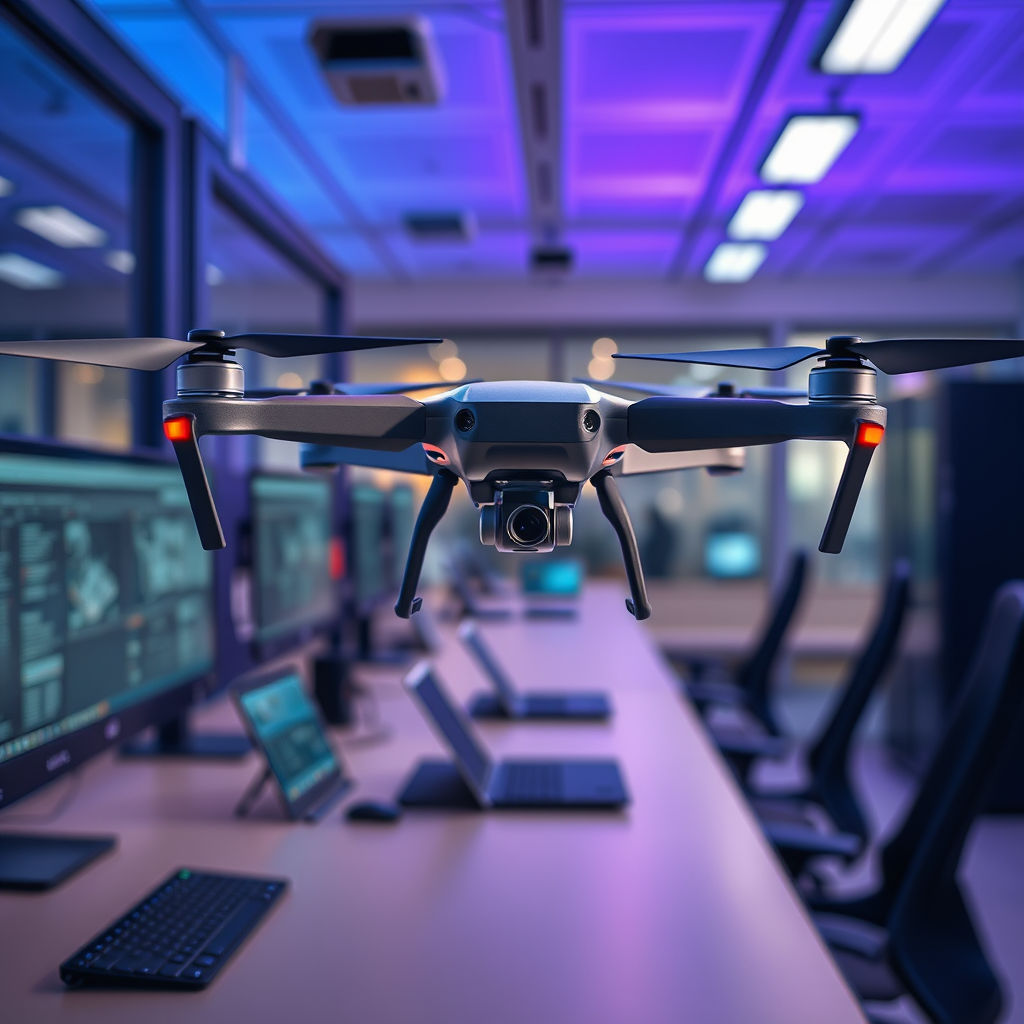
Small drones can typically fly anywhere from 1 to 10 miles, depending on various factors including battery life, weight, and environmental conditions. Understanding these elements can help you maximize your drone’s range and performance, ensuring that you can capture stunning aerial images or conduct inspections efficiently. In this blog post, we will explore the key factors that influence how far a small drone can fly, providing insights that can help both hobbyists and professionals enhance their flying experience.
Understanding Drone Range
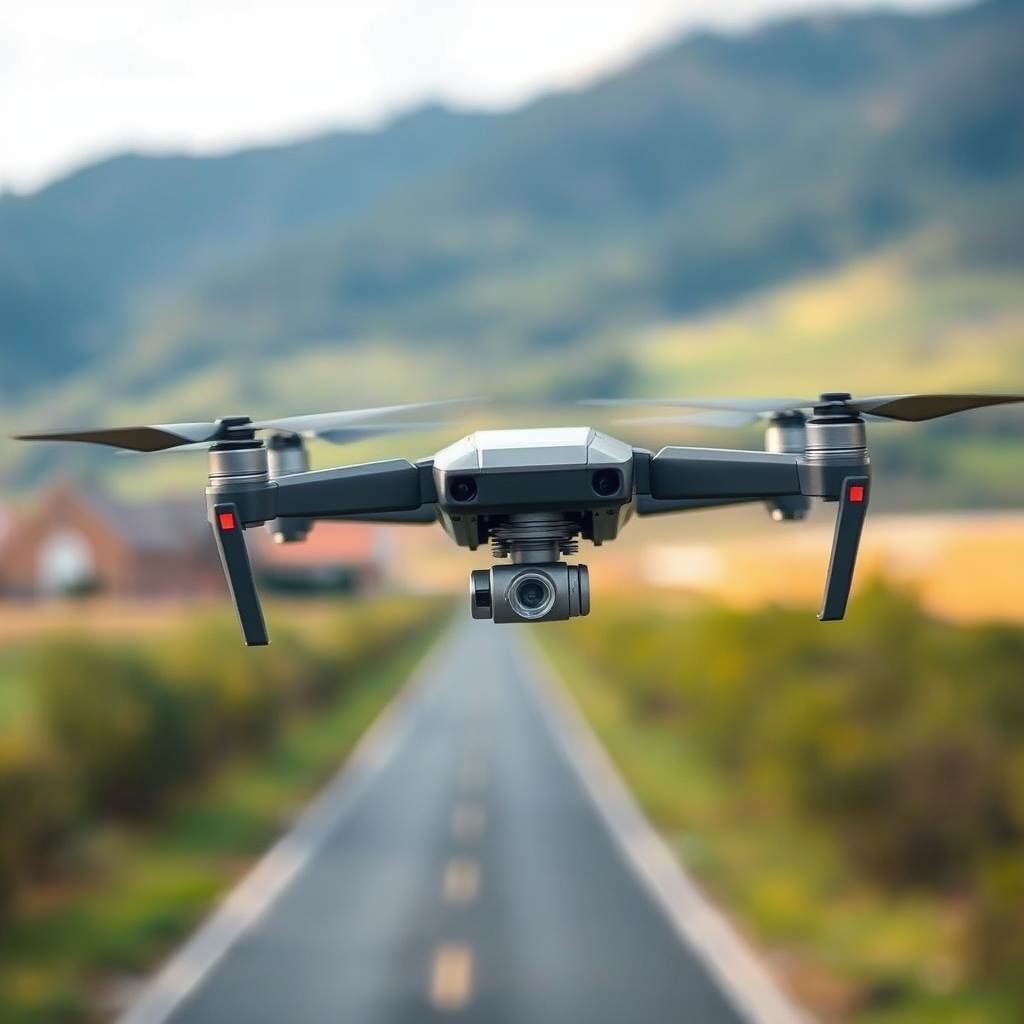
The maximum distance a drone can fly is primarily determined by its design and specifications. Each drone model comes with a unique set of features, including the type of motors, propellers, and communication systems that play a crucial role in its overall range. For instance, drones equipped with advanced communication technologies, such as radio frequency (RF) or Wi-Fi, can achieve longer distances. RF-based drones typically offer better range and reliability compared to Wi-Fi drones, especially in areas with multiple obstructions. This is due to RF signals being able to penetrate obstacles more effectively. Furthermore, the presence of high-quality antennas in both the drone and the controller can significantly enhance communication range, thereby extending the drone’s operational distance.
Battery Life and Its Impact
Battery capacity directly influences flight time and distance, making it a critical factor for drone performance. Most small drones utilize lithium-polymer (LiPo) batteries, which offer a good balance between weight and power. The capacity of these batteries is measured in milliampere-hour (mAh); a higher mAh rating usually translates to longer flight times. However, several factors can reduce the effective flight range. For example, carrying additional payload—such as cameras or other equipment—can increase the drone’s weight and lead to shorter flight times. Additionally, environmental factors like temperature can impact battery efficiency; cold weather can reduce battery performance, limiting flight distance. Therefore, understanding your drone’s battery specifications and maintaining optimal conditions can greatly enhance its operational range.
Environmental Conditions
Environmental conditions play a significant role in determining how far a drone can travel. Wind speed and direction are two primary factors that can either aid or hinder a drone’s flight. A strong headwind can drastically reduce the effective range, as the drone must expend more energy to maintain altitude and speed. Conversely, flying with a tailwind can extend the drone’s range, allowing for longer flights with less battery consumption. Additionally, obstacles such as buildings, trees, and other structures can interfere with signal transmission, causing potential navigation issues. Pilots should always be mindful of their surroundings and consider flying in open areas to maximize their drone’s range and performance.
Drone Type and Specifications
Different types of drones, such as racing drones, photography drones, and surveying drones, have varying flight ranges based on their intended uses. Racing drones, designed for speed and agility, often prioritize quick acceleration over long-range capabilities, typically flying distances of around 1 to 3 miles. In contrast, photography drones—such as those used for aerial photography and videography—are designed for stability and payload capacity, allowing them to cover distances of 5 to 10 miles or more, depending on the model and battery capacity. High-end models often include enhanced features such as GPS stabilization, advanced communication systems, and longer battery life, all of which contribute to their ability to fly longer distances. When selecting a drone for specific tasks, understanding the specifications and capabilities of various models is essential for achieving optimal results.
Legal Restrictions on Drone Flight
Local regulations may limit how far you can fly your drone, making it essential to be aware of the laws in your area to avoid penalties. In many regions, regulations stipulate a maximum altitude of 400 feet above ground level, and some areas may have specific no-fly zones, such as near airports or urban centers. Additionally, some countries require drone operators to maintain visual line of sight with their aircraft, which can further restrict how far a drone can travel. It is crucial for drone pilots to familiarize themselves with the regulations set forth by aviation authorities, such as the Federal Aviation Administration (FAA) in the United States or the Civil Aviation Authority (CAA) in the UK. Compliance with these regulations not only ensures safety but also preserves the integrity of the airspace for all users.
Tips for Maximizing Flight Distance
To maximize your drone’s flight distance, consider implementing a few strategic practices. First, flying at higher altitudes can improve range and signal strength by reducing interference from ground obstacles and enhancing visibility. Additionally, ensuring that your drone is well-maintained can contribute to optimal performance; regularly checking for firmware updates, propeller condition, and battery health can help prevent unexpected issues during flight. It may also be beneficial to plan your flights during times of minimal wind and optimal weather conditions, as this can significantly impact flight efficiency. Lastly, utilizing high-gain antennas or signal boosters can enhance the communication link between the drone and the controller, allowing for extended range and reliability.
In conclusion, while small drones can generally fly between 1 to 10 miles, various factors influence this range, including battery life, environmental conditions, and the type of drone. By understanding these elements and following best practices, you can enhance your drone’s flight experience and performance. Always remember to check local regulations before flying to ensure compliance and safety. Armed with this knowledge, drone enthusiasts can explore the skies with confidence, capturing breathtaking views and conducting efficient operations.
Frequently Asked Questions
What is the average flight range of a small drone?
The average flight range of a small drone typically ranges from 1 to 5 miles, depending on the model and its specifications. Entry-level drones usually have a shorter range of about 1 mile, while more advanced models can reach distances of up to 5 miles or more, especially those designed for aerial photography or surveying. Factors such as battery life, transmitter strength, and environmental conditions can also influence the effective flight range.
How can I extend the flight distance of my small drone?
To extend the flight distance of your small drone, you can consider several strategies. Upgrading to a more powerful battery can enhance flight time and range, while using high-gain antennas can improve signal strength. Additionally, flying in open areas, away from obstacles like buildings and trees, can reduce interference and help maximize the drone’s distance capabilities.
Why does my small drone lose connection during flight?
Small drones may lose connection during flight due to several factors, including signal interference, low battery levels, or being out of range. Environmental obstacles such as buildings, trees, or even other electronic devices can disrupt the signal between the drone and the remote controller. To mitigate this, ensure you are within the drone’s operational range and fly in areas with minimal interference.
What is the maximum distance a small drone can fly legally?
Legally, the maximum distance a small drone can fly is primarily dictated by the regulations set by aviation authorities like the FAA in the United States. According to FAA guidelines, drone pilots must keep their drones within visual line of sight (VLOS) at all times, which typically limits flying distance to about 1-2 miles, depending on the pilot’s visibility. Additionally, local laws may impose further restrictions, so it’s essential to check regulations specific to your area.
Which small drone has the longest flight range?
When it comes to small drones with the longest flight range, models like the DJI Mini 2 and the DJI Mavic Air 2 are notable contenders, boasting ranges of up to 6 miles (10 kilometers) under optimal conditions. These drones utilize advanced transmission technology, allowing for stable connections at greater distances. Before purchasing, consider your specific needs, such as camera quality and battery life, alongside flight range to find the best fit for your requirements.
References
- https://en.wikipedia.org/wiki/Drone
- https://www.faa.gov/uas/getting_started/remote_id
- https://www.nasa.gov/centers/dryden/pdf/82041.pdf
- https://www.reuters.com/article/us-drones-regulation-idUSKCN1VV2ZZ
- https://www.theguardian.com/technology/2020/mar/11/drones-flying-distance-limitations
- https://www.techrepublic.com/article/how-far-can-drones-fly/
- https://www.sciencedirect.com/science/article/pii/S2351978919300612
