

Delivery drones can typically travel distances ranging from a few miles to over 100 miles, depending on their design and technology. The range of a delivery drone is influenced by various factors such as battery life, weight capacity, and environmental conditions. This article delves into the complexities of drone range, examines current models and their capabilities, and anticipates future advancements that will expand delivery drone distances.
Understanding Drone Range
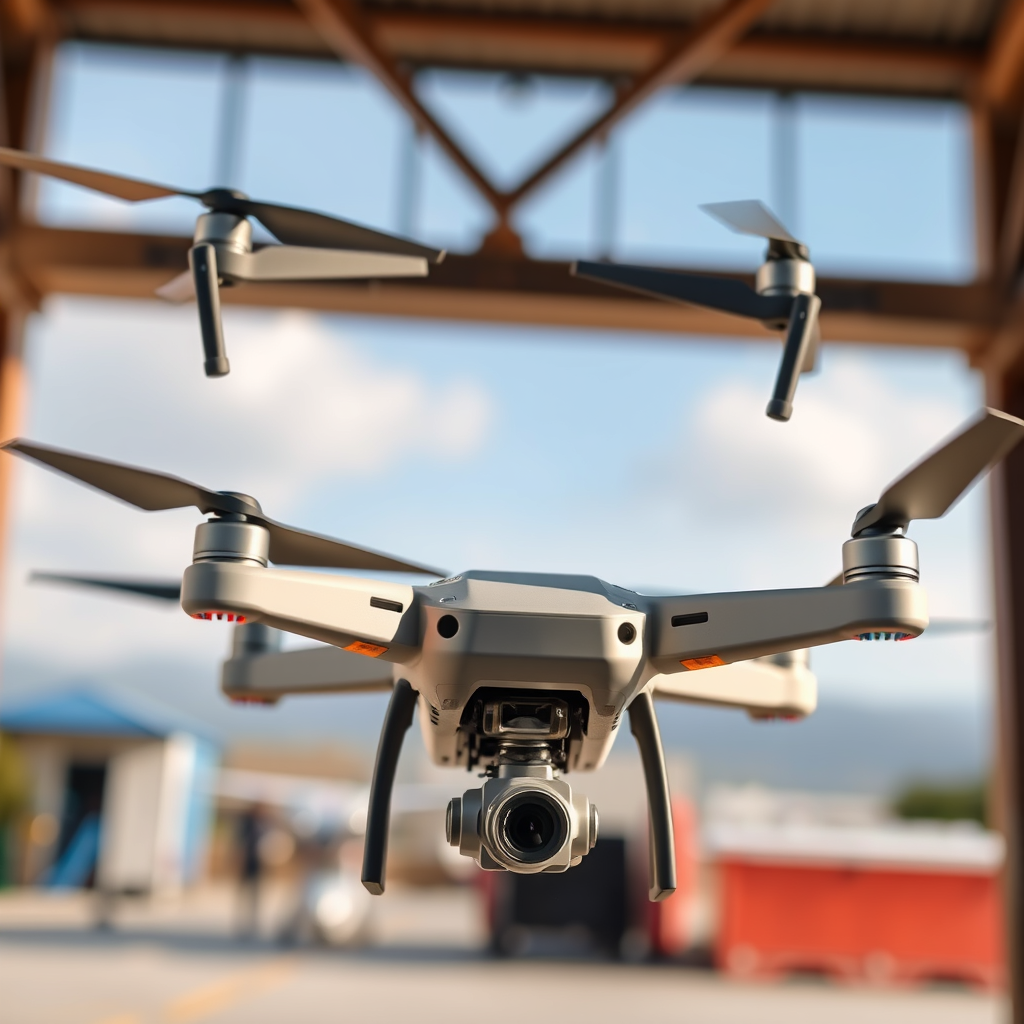
The range of a delivery drone is primarily determined by several critical factors. First and foremost is battery life, which directly correlates with how far a drone can travel before needing to recharge. As drones are designed to carry different payloads, the weight capacity also plays a significant role; heavier loads can reduce flight time and thus limit distance. Environmental conditions, including wind speed and temperature, can further impact battery efficiency and overall performance.
Different types of drones exhibit varying distance capabilities. For example, quadcopters, which are the most common type of delivery drone, are typically designed for short-range deliveries due to their maneuverability and stability. They usually have a range between 5 to 15 miles. On the other hand, fixed-wing drones, which resemble miniature airplanes, can travel greater distances—some models can cover over 100 miles in a single flight. Understanding these distinctions is essential for evaluating the potential of drone technology in delivery logistics.
Current Delivery Drone Models and Their Ranges
Several major companies have made significant strides in developing delivery drones with impressive travel ranges. Amazon’s Prime Air drone is designed to deliver packages up to five pounds within a 15-mile radius. Meanwhile, UPS has ventured into drone delivery with its Flight Forward service, which has achieved deliveries in suburban areas, reaching distances of approximately 20 miles.
When comparing consumer drones to commercial delivery drones, the differences become clear. Consumer drones, like those from DJI, often have a maximum range of around 4 to 7 miles, mainly due to their design for recreational use rather than logistics. In contrast, commercial drones are engineered for efficiency and have features that optimize their range, making them suitable for package delivery in various environments.
Technological Advancements Impacting Range
Recent advancements in technology are significantly extending the range of delivery drones. One of the most promising developments is in battery technology. Lithium-sulfur batteries, for example, have the potential to outperform traditional lithium-ion batteries, offering longer flight times and reduced weight. This improvement can lead to drones capable of flying longer distances without needing frequent recharges.
Additionally, the integration of artificial intelligence (AI) and advanced GPS technology plays a crucial role in optimizing flight paths. AI can calculate the most efficient routes in real-time, taking into account factors such as weather conditions and air traffic, thereby maximizing the distance a drone can effectively travel. These technological innovations are essential as the demand for efficient delivery systems continues to grow, particularly in urban settings.
Regulatory Challenges and Their Effects on Range
Despite technological advancements, regulatory challenges remain a significant constraint on drone delivery range. The Federal Aviation Administration (FAA) has established regulations that limit where and how drones can operate, often restricting their flight paths to ensure safety. For example, many areas require drones to remain within the operator’s line of sight, which can inherently limit their operational range.
However, there are ongoing discussions about potential regulatory changes that could expand operational ranges for delivery drones. As the technology matures and safety protocols are established, we may see the FAA and other regulatory bodies becoming more accommodating, allowing for longer-range flights. This evolution could enable broader applications of drone delivery services, especially in remote or underserved areas.
Future Trends in Delivery Drone Travel
Looking ahead, the future of delivery drone travel appears promising. Emerging technologies—such as advancements in battery efficiency, AI, and automation—are likely to facilitate longer distances and more efficient operations. For instance, the advent of autonomous drones that can operate without human intervention will significantly enhance delivery capabilities, enabling drones to traverse longer distances with minimal human oversight.
Moreover, urban infrastructure is evolving to accommodate drone deliveries. Cities are beginning to integrate drone delivery hubs and dedicated airspaces, making it easier for drones to operate efficiently in densely populated areas. These infrastructure changes will likely have a profound impact on the range and effectiveness of drone deliveries as they become an integral part of urban logistics.
Real-World Applications and Case Studies
Various industries are already leveraging the capabilities of delivery drones for long-distance deliveries, showcasing their potential. For instance, Zipline has successfully implemented drone delivery systems in countries like Rwanda, where they transport medical supplies over distances of up to 100 miles to remote locations. This real-world application illustrates the efficiency of drones in overcoming logistical challenges that traditional delivery methods may face.
In the commercial sector, companies like Wing, a subsidiary of Alphabet Inc., have conducted trials in locations such as Australia, successfully delivering food and other goods over distances that were previously deemed impractical for conventional delivery methods. These case studies highlight the logistics and efficiency advantages of drone delivery, reinforcing the notion that they can significantly enhance supply chain operations.
In conclusion, while delivery drones currently demonstrate considerable range capabilities, ongoing technological advancements and regulatory changes are poised to further enhance their potential. As industries adapt to and embrace these innovations, the future of delivery logistics looks increasingly promising, with drones playing a pivotal role in shaping efficient, timely, and effective delivery systems. Keeping an eye on these developments will reveal how this evolving field continues to revolutionize the logistics landscape.
Frequently Asked Questions
What is the typical range of delivery drones?
The typical range of delivery drones varies depending on the model and manufacturer. Most commercial delivery drones, such as those used by companies like Amazon and Zipline, can travel between 5 to 20 miles on a single charge. However, advancements in drone technology are constantly extending these ranges, with some prototypes capable of traveling up to 30 miles or more under optimal conditions.
How do factors like weather and terrain affect drone delivery distance?
Weather and terrain significantly impact the flight distance and reliability of delivery drones. High winds, rain, or snow can hinder a drone’s ability to maintain stability and navigate effectively, potentially reducing its operational range. Additionally, mountainous or densely populated urban areas may present obstacles that limit direct flight paths, requiring drones to take longer routes, thereby reducing overall delivery efficiency.
Why are there limits on how far delivery drones can travel?
Limits on how far delivery drones can travel are primarily due to battery life, regulatory restrictions, and safety concerns. Most consumer drones are powered by batteries that can only sustain flight for a limited duration, typically 20 to 40 minutes. Furthermore, aviation regulations often restrict drone operations to specific airspace and distances from the operator, ensuring safety for both the drone and surrounding air traffic.
Which companies are leading in long-distance drone delivery capabilities?
Companies like Amazon Prime Air, Wing (a subsidiary of Alphabet), and Zipline are leading the charge in long-distance drone delivery capabilities. Amazon’s Prime Air aims to deliver packages within a 10-mile radius, while Wing has successfully completed deliveries in various countries, focusing on distances up to 6 miles. Zipline specializes in medical supply deliveries, covering significant distances in regions with challenging logistics, showcasing the potential of drones in various sectors.
What should I consider when choosing a delivery drone for long distances?
When choosing a delivery drone for long distances, consider factors such as flight range, payload capacity, battery life, and navigation technology. Look for drones equipped with advanced GPS and obstacle avoidance systems to ensure safe operation over longer distances. Additionally, evaluating the manufacturer’s support, maintenance options, and compliance with local regulations is crucial for ensuring a successful delivery operation.
References
- https://en.wikipedia.org/wiki/Delivery_drone
- https://www.faa.gov/uas/
- https://www.nytimes.com/2021/02/16/business/delivery-drones.html
- https://www.reuters.com/article/us-usa-drones-delivery-insight-idUSKBN2A51Y9
- https://www.nap.edu/catalog/25945/assessing-the-potential-of-delivery-drones
- https://www.techcrunch.com/2021/07/14/how-far-can-delivery-drones-really-fly/
- https://www.bbc.com/news/technology-56370434
- https://www.sciencedirect.com/science/article/pii/S2352864821000140
