
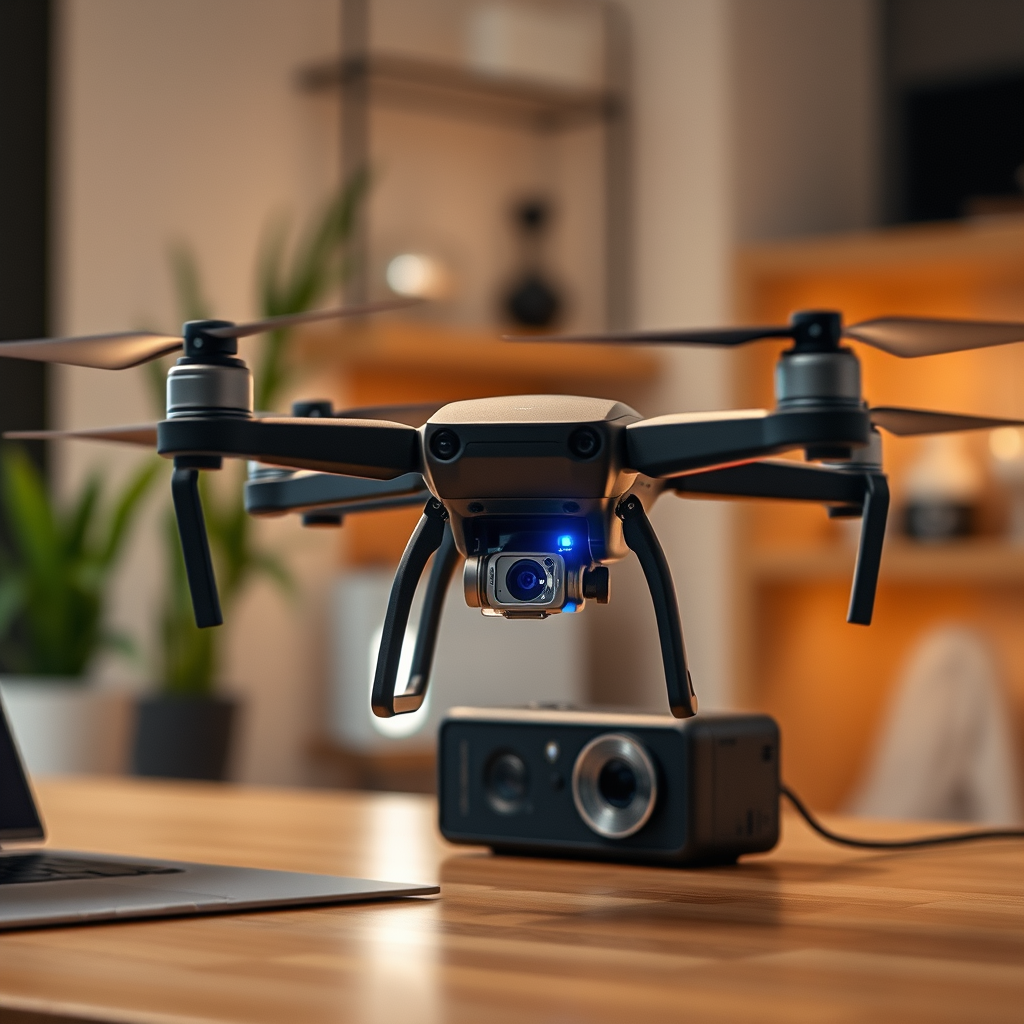
Drone cameras can typically see between 1,000 to 2,000 feet in the air, depending on various factors such as camera resolution, lens quality, and environmental conditions. As technology advances, the visibility capabilities of drone cameras are continually improving, enabling users to capture stunning aerial footage and images from remarkable distances. This article will delve into the multiple factors influencing the visibility range of drone cameras, discuss their practical applications, and highlight the importance of understanding these elements for effective drone operation.
Factors Affecting Drone Camera Visibility
Camera Resolution
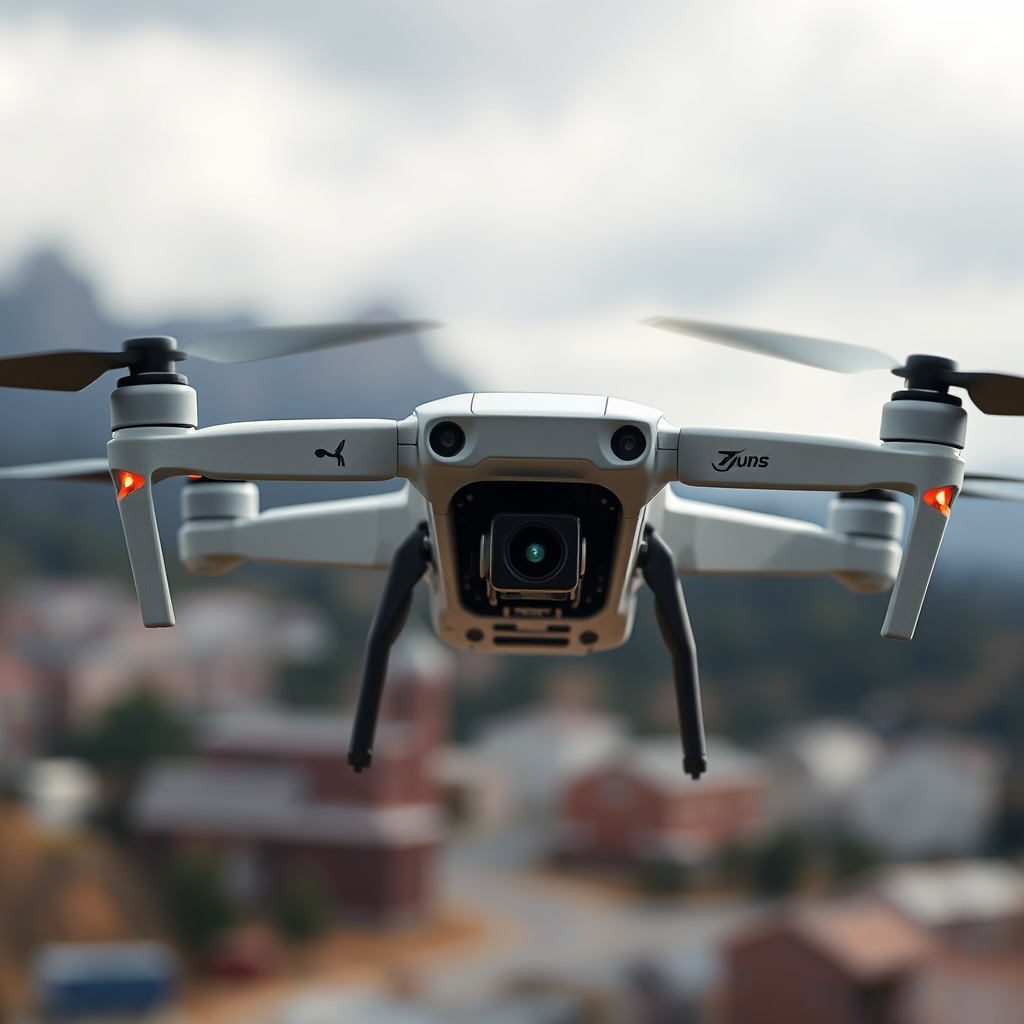
Camera resolution is a critical factor in determining how far a drone camera can effectively see. Higher resolution cameras, such as those with 4K or even 8K capabilities, capture more detail at greater distances, allowing users to discern finer features in the landscape. For instance, a drone equipped with a 12-megapixel camera may struggle to provide clarity at 2,000 feet, while a camera with 20 megapixels or more could offer significantly clearer images, even at that distance. This is crucial for applications like surveying or inspecting utilities, where detailed imagery is necessary to make informed decisions.
Lens Quality
The quality of the lens used on a drone camera can significantly enhance or limit its range. High-quality lenses are designed to minimize distortion and maximize light transmission, which can greatly improve image clarity over long distances. A drone camera with an inferior lens may produce blurry images or suffer from chromatic aberration, especially when capturing subjects at a distance. For example, professional-grade drones often utilize precision-engineered lenses that allow for superior optical performance, making them ideal for tasks requiring detailed aerial observation.
Environmental Conditions Impacting Range
Weather Conditions
Environmental factors play a pivotal role in the visibility range of drone cameras. Weather conditions such as fog, rain, and pollution can obstruct visibility and diminish the effective range of cameras. For instance, flying a drone on a foggy day can result in poor image quality and limited distance, as moisture in the air scatters light. Moreover, airborne particulates from pollution can create a haze that reduces visibility, making it essential for drone operators to consider weather forecasts before deploying their drones for aerial photography or surveying tasks.
Terrain
The physical environment is another crucial element that can impact a drone’s visibility range. Natural and man-made structures, such as mountains, buildings, and trees, can obstruct the line of sight between the drone and the subject being captured. For example, when flying over a densely forested area, the drone’s camera may not be able to see through the canopy to capture images of the ground below. As such, understanding the terrain is vital for drone operators to plan flight paths effectively and ensure they achieve the desired results.
Types of Drone Cameras
Consumer-grade Drones
Consumer-grade drones typically have a limited range and are designed for casual users, such as hobbyists and amateur photographers. These drones often come equipped with basic cameras that suffice for everyday photography or video recording but may not perform well at long distances. For example, a popular consumer drone model may offer a maximum altitude of 400 feet, but the camera’s resolution may limit its effective visibility range to approximately 1,000 feet. This makes them suitable for local events, family gatherings, or recreational use.
Professional Drones
On the other hand, professional drones are equipped with advanced cameras and technology designed for long-distance visibility and high-quality imagery. These drones often feature larger sensors, superior optical zoom capabilities, and enhanced stabilization systems that allow operators to capture clear images from impressive distances. For example, drones used in real estate photography often come with high-resolution cameras capable of capturing intricate details of properties from several thousand feet in the air. Such drones are essential tools in industries like agriculture, where monitoring crop health over large areas requires exceptional visibility.
Use Cases for Drone Cameras
Aerial Photography
Aerial photography is one of the most popular uses of drone cameras. Capturing stunning landscapes from above requires an understanding of visibility limits to ensure that images retain clarity and detail. Photographers often strategize their flight paths to maximize the effectiveness of their drones, taking into account altitude, distance, and camera capabilities. For instance, a landscape photographer may choose to fly at a height of 1,500 feet to capture a panoramic view of a mountain range, ensuring that the camera’s resolution can adequately render the details of the scene.
Search and Rescue
Drones have become invaluable in search and rescue operations, where they can quickly cover vast areas and locate missing persons. The visibility range of drone cameras is critical in these scenarios, as operators need to identify subjects from significant distances. For example, during a search operation in a remote and rugged terrain, a drone equipped with a thermal imaging camera can scan large areas to detect body heat, even at considerable distances. This capability can significantly reduce the time required for search teams to locate individuals in distress.
Legal Considerations
FAA Regulations
Understanding legal considerations is essential when operating a drone camera, especially regarding Federal Aviation Administration (FAA) regulations. These regulations dictate the legal limits on drone flight distance and operations, including altitude restrictions and no-fly zones. Drone operators must adhere to these guidelines to ensure safe and lawful operations. For instance, flying a drone within five miles of an airport may require notifying air traffic control, and exceeding the maximum altitude of 400 feet can lead to legal consequences.
Privacy Laws
Moreover, privacy laws must be considered when operating drone cameras in public spaces. Many regions have laws that protect individuals’ privacy from unauthorized surveillance, which can be a concern when flying drones equipped with cameras. Operators should be mindful of the implications of capturing images of private property or individuals without consent, as this can lead to legal complications. Implementing ethical practices and respecting privacy boundaries are essential for responsible drone use.
Enhancements to Visibility
Optical Zoom
Drones equipped with optical zoom capabilities can see farther and capture more detailed images than those with fixed lenses. Optical zoom allows the camera to magnify subjects without sacrificing image quality, making it particularly beneficial in applications such as wildlife photography or surveillance. For instance, a drone with a 4x optical zoom can capture detailed images of an animal from a distance without disturbing its natural habitat, thereby enhancing both the quality of the photographs and the ethical considerations of the shoot.
Image Stabilization
Image stabilization technology is another enhancement that allows for clearer images from significant distances. Drones equipped with advanced stabilization systems can compensate for wind and minor movements during flight, resulting in less shaky and more professional-looking footage. This is especially crucial for filmmakers and content creators who require high-quality video for their projects. By using drones with robust stabilization features, operators can capture smooth, cinematic shots from impressive heights and distances.
In summary, drone cameras possess impressive visibility capabilities influenced by various factors such as camera resolution, lens quality, environmental conditions, and terrain. Understanding these elements is essential for maximizing the potential of drone technology in practical applications, from aerial photography to search and rescue missions. Additionally, legal considerations regarding FAA regulations and privacy laws must be taken into account to ensure responsible drone operation. As technology continues to evolve, investing in high-quality camera drones equipped with advanced features will enhance the user experience and lead to remarkable results in aerial imaging.
Frequently Asked Questions
How far can drone cameras see in optimal conditions?
In optimal conditions, drone cameras can typically see up to 4-5 miles (6-8 kilometers) away, depending on the model and the camera specifications. Factors such as the drone’s altitude, camera resolution, and light conditions significantly affect visibility. High-end drones equipped with advanced cameras can even capture detailed images from greater distances, allowing for expansive aerial photography and surveying.
What factors affect how far a drone camera can effectively capture images?
Several factors influence how far a drone camera can capture images, including altitude, environmental conditions, camera resolution, and lens quality. For instance, flying at a higher altitude can increase the visual range, while poor weather conditions like fog or rain can drastically reduce visibility. Additionally, the camera’s megapixel count and zoom capabilities play a crucial role in determining the clarity and detail of images taken from a distance.
Why do drone cameras have limitations on their viewing distance?
Drone cameras have limitations on their viewing distance primarily due to regulatory restrictions, signal loss, and technological constraints. Many countries have laws requiring drones to remain within the operator’s visual line of sight, typically around 1,500 feet. Furthermore, as the distance increases, the quality of the video or image signal can degrade, leading to loss of clarity and detail, making it hard to capture usable footage.
What is the best drone camera for long-distance viewing?
The DJI Mavic 3 is widely regarded as one of the best drone cameras for long-distance viewing due to its impressive 46-minute flight time and up to 9.3 miles (15 kilometers) transmission range. Its Hasselblad camera features a 4/3 CMOS sensor, enabling high-quality images even at extended distances. For those seeking professional-grade aerial photography, this drone combines excellent range with superior image quality, making it an ideal choice.
Which drone camera features should I prioritize for distance photography?
When choosing a drone camera for distance photography, prioritize features such as camera resolution, lens quality, and flight range. Look for drones that offer a high megapixel count and superior zoom capabilities to capture fine details from afar. Additionally, consider the drone’s battery life and transmission range to ensure that you can operate effectively over longer distances without compromising image quality.
References
- https://en.wikipedia.org/wiki/Drone_camera
- https://www.nytimes.com/2021/05/04/technology/drones-camera-technology.html
- https://www.bbc.com/future/article/20220111-how-drones-are-changing-the-way-we-see-the-world
- https://www.sciencedirect.com/science/article/pii/S2352914821001363
- https://www.nasa.gov/mission_pages/tdrss/news/drone-technology.html
- https://www.faa.gov/uas/
- https://www.theguardian.com/us-news/2020/aug/27/drones-surveillance-privacy-technology
- https://www.techrepublic.com/article/how-drones-are-revolutionizing-camera-technology/
