
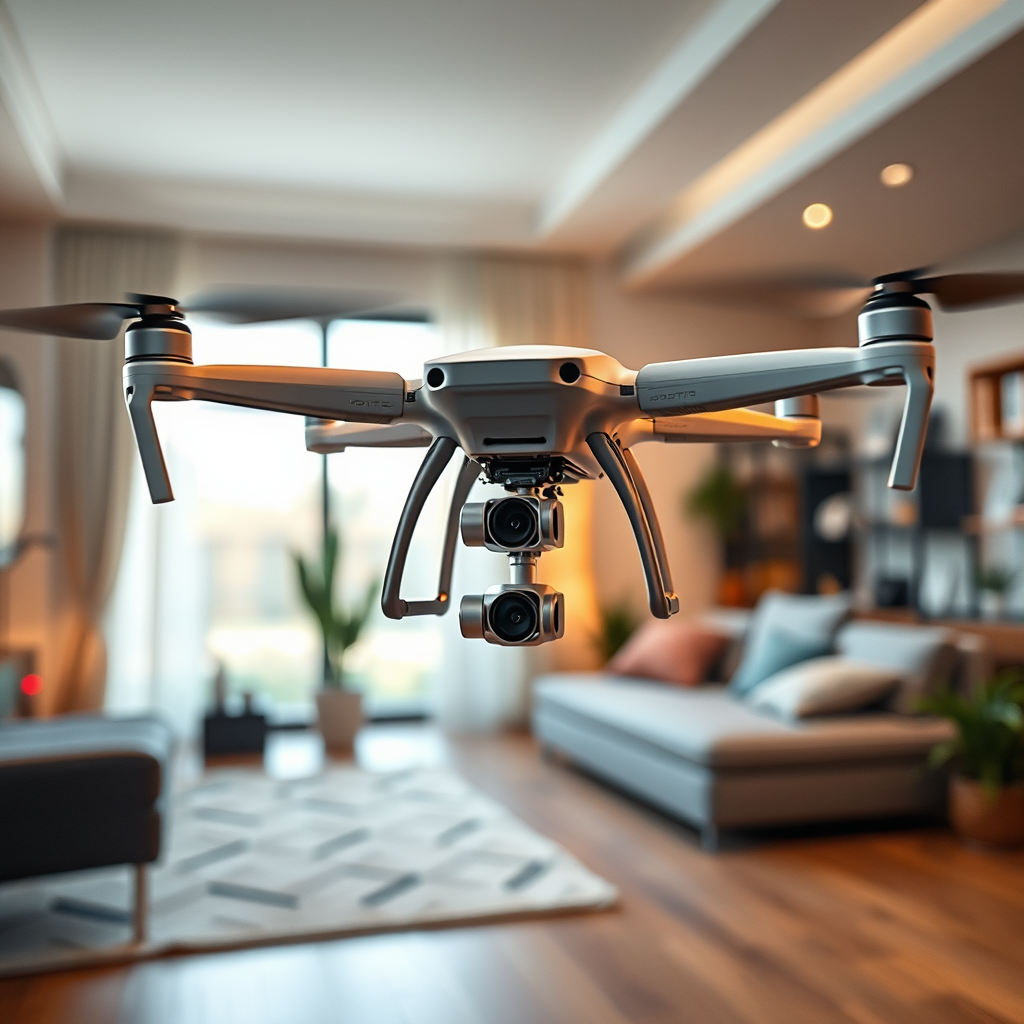
Drones can typically be controlled from several hundred meters to several kilometers, depending on their type and technology. The range of a drone is influenced by various factors, including the type of drone, the communication technology used, environmental conditions, and regulatory restrictions. Understanding these elements can help users maximize their drone’s capabilities and ensure effective operation in various scenarios.
Understanding Drone Control Ranges
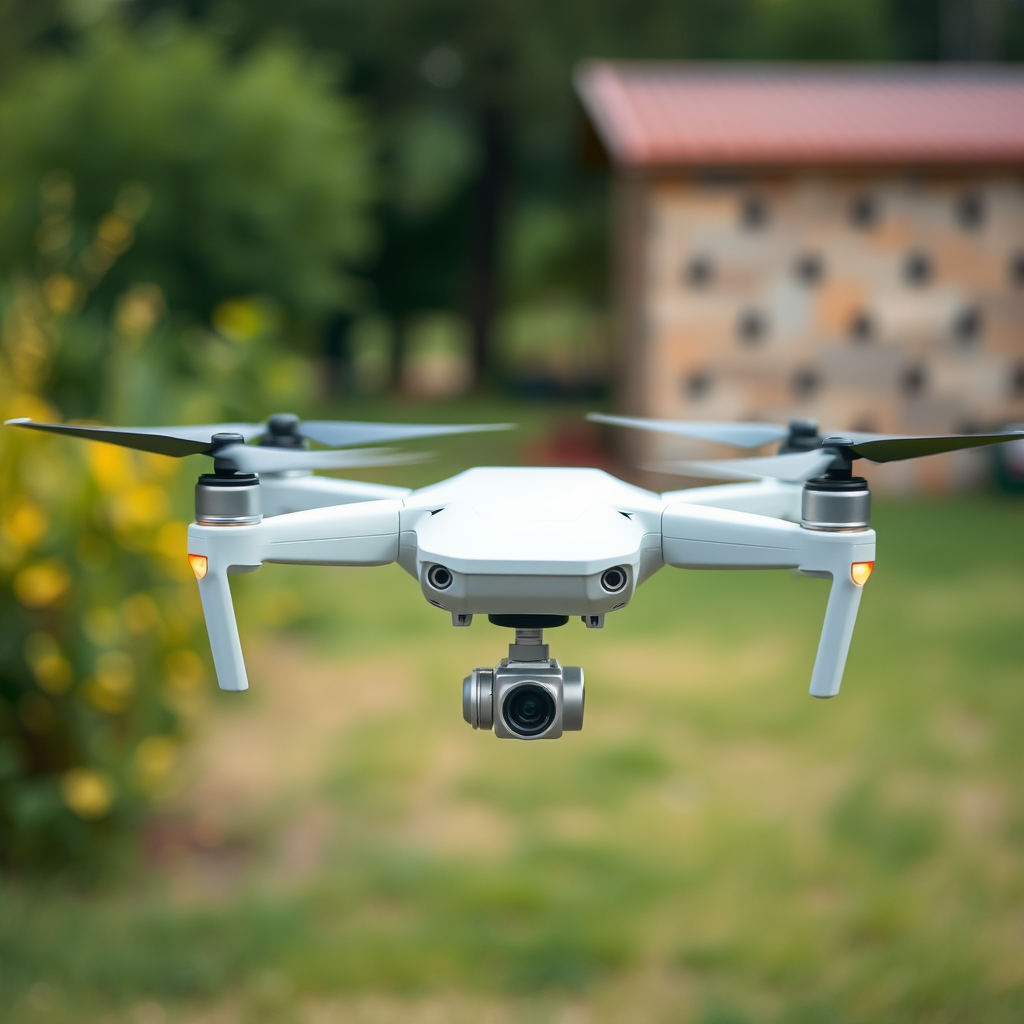
Drones are available in different categories, each with distinct control ranges suited to their intended use. Toy drones, often designed for casual play, typically have control distances ranging from 100 meters to about 300 meters. These drones are primarily operated using basic remote controls that rely on radio frequencies.
In contrast, hobbyist drones, which are often equipped with more advanced features and are capable of aerial photography or racing, can achieve control ranges of 1 kilometer to 5 kilometers. These drones utilize technologies such as enhanced radio frequency (RF) controls and sometimes even Wi-Fi for connectivity.
Commercial drones, used for applications in agriculture, surveying, and infrastructure inspection, generally boast the longest control ranges, often extending beyond 5 kilometers. Some high-end models can even operate at distances of up to 10 kilometers or more, especially when equipped with advanced communication systems. Understanding the type of drone and its intended use is essential for users who wish to optimize their flying experience.
Factors Affecting Control Distance
Several factors can significantly influence the control distance of drones, primarily environmental conditions, battery life, and drone weight.
Environmental factors include physical obstacles such as buildings, trees, and hills, which can obstruct the line of sight between the drone and its controller. Additionally, interference from other electronic devices can also impact connectivity, particularly in urban areas where numerous signals compete for bandwidth.
Battery life is another crucial element affecting control distance. A drone with a depleted battery may lose power before reaching its maximum range. Heavier drones require more energy to maintain flight, which can lead to quicker battery drain. Therefore, users must consider both the weight of the drone and the capacity of its battery when assessing how far it can be effectively controlled.
Types of Drone Communication
The type of communication technology used by a drone greatly impacts its control range.
Radio frequency (RF) controllers are the most common communication method for hobbyist and professional drones. RF systems can provide extended ranges, sometimes exceeding 10 kilometers, making them ideal for various applications. This technology typically operates on specific frequency bands, such as 2.4 GHz or 5.8 GHz, which are less susceptible to interference compared to Wi-Fi.
Wi-Fi connections are commonly used for smaller drones, particularly toy models. While they offer ease of use and integration with smartphones and tablets, Wi-Fi typically has a limited range, generally between 100 meters and 1 kilometer.
Some advanced drones utilize cellular networks, allowing for extended control distances that are only limited by the availability of cellular service. This technology is particularly beneficial for long-range applications such as surveillance or remote area inspections.
Regulatory Limitations
Drone operation is subject to various regulations, which can vary significantly between countries and regions. Many countries have established specific laws that restrict how far drones can be flown from their operators. For instance, in the United States, the Federal Aviation Administration (FAA) mandates that recreational drone pilots must keep their drones within visual line of sight, effectively limiting their maximum operating range.
Commercial operators may have different regulations, including the need to obtain special licenses for beyond visual line of sight (BVLOS) operations. Understanding these local laws is crucial for safe and legal flying. Violating these regulations can lead to hefty fines and potential damage to the operator’s reputation.
Enhancing Control Distance
To maximize a drone’s control distance, users can implement several strategies. One effective method is to utilize range extenders and antennas. These devices can amplify the signal between the drone and the controller, thereby increasing the operational range. Additionally, upgrading to high-gain antennas can provide more robust connectivity, particularly in environments with potential interference.
Proper pre-flight checks and regular maintenance are also essential to ensure optimal performance. Users should inspect their drones for any mechanical issues, check battery levels, and confirm that all communication systems are functioning correctly before takeoff. Maintaining a clear line of sight during flight and choosing open spaces for operation can further enhance control distances.
Real-World Applications
The control distance of drones plays a critical role in various real-world applications. In agriculture, drones are commonly used for crop monitoring and precision farming. These applications often require long-range flights to cover extensive fields efficiently. Drones equipped with advanced imaging technology can relay real-time data to farmers, helping them make informed decisions.
In surveying and construction, drones can cover vast areas quickly, providing valuable insights for project management. They can be operated at significant distances to capture aerial imagery and 3D mapping, crucial for planning and development.
Emergency services also benefit from drones with extended control distances. For example, search and rescue missions can use drones to cover large areas in a short time, providing critical support in locating missing persons or assessing disaster zones.
In conclusion, while many factors influence how far a drone can be controlled, understanding these elements can help users make informed decisions. The type of drone, communication technology, environmental conditions, and regulatory restrictions all play a pivotal role in determining control range. By enhancing technology and ensuring compliance with regulations, users can significantly improve their drone flying experience, whether for recreational or professional purposes.
Frequently Asked Questions
How far can consumer drones typically be controlled?
Consumer drones generally have a range of about 3 to 7 miles, depending on the model and environmental conditions. Factors such as signal interference, obstacles, and battery life can significantly impact this range. High-quality models, like those from DJI, may offer extended ranges due to advanced transmission technology, allowing for clearer signals over longer distances.
What factors affect the control range of a drone?
The control range of a drone is influenced by several factors, including the type of communication technology used (e.g., Wi-Fi, radio frequency), environmental obstacles (such as buildings or trees), and weather conditions (like wind and rain). Additionally, the drone’s battery power and the pilot’s ability to maintain visual line-of-sight can also play crucial roles in determining how far a drone can be effectively controlled.
Why does the control range of drones vary between models?
The control range of drones varies between models due to differences in their design, technology, and intended use. High-end drones typically utilize advanced communication systems, such as OcuSync or Lightbridge, which provide better range and signal stability compared to budget models. Additionally, the quality of the antennas and the drone’s overall build can also contribute to variations in control range.
What is the maximum control distance for professional drones?
Professional drones, especially those used in industries like filmmaking and agriculture, can often be controlled at distances of 5 to 12 miles or more. Models designed for commercial use, such as the DJI Matrice series, leverage sophisticated technology to extend their range while maintaining a reliable connection. However, it’s important for operators to comply with local regulations, which may limit how far they can fly their drones.
How can I extend the control range of my drone?
To extend the control range of your drone, consider upgrading to a high-quality model that utilizes advanced transmission systems, and ensure that you are flying in open areas with minimal obstructions. Additionally, using signal boosters or antennas, flying at higher altitudes, and keeping the drone within the line of sight can also help maximize the effective control range. Always check for firmware updates, as manufacturers often release improvements that can enhance performance.
References
- https://en.wikipedia.org/wiki/Drone#Control_range
- https://www.faa.gov/uas/getting_started/part_107/
- https://www.nasa.gov/press-release/nasa-drones-reach-new-heights-in-flight-distance-record
- https://www.itu.int/en/ITU-R/study-groups/rsg3/Pages/default.aspx
- https://www.researchgate.net/publication/322679258_A_Survey_of_Drones_in_the_Air_Transportation_System
- https://www.sciencedirect.com/science/article/abs/pii/S2352864819315817
- https://www.theguardian.com/technology/2021/mar/04/drones-range-limitations-explained
- https://www.bbc.com/future/article/20200626-how-drones-are-changing-the-way-we-see-the-world
