
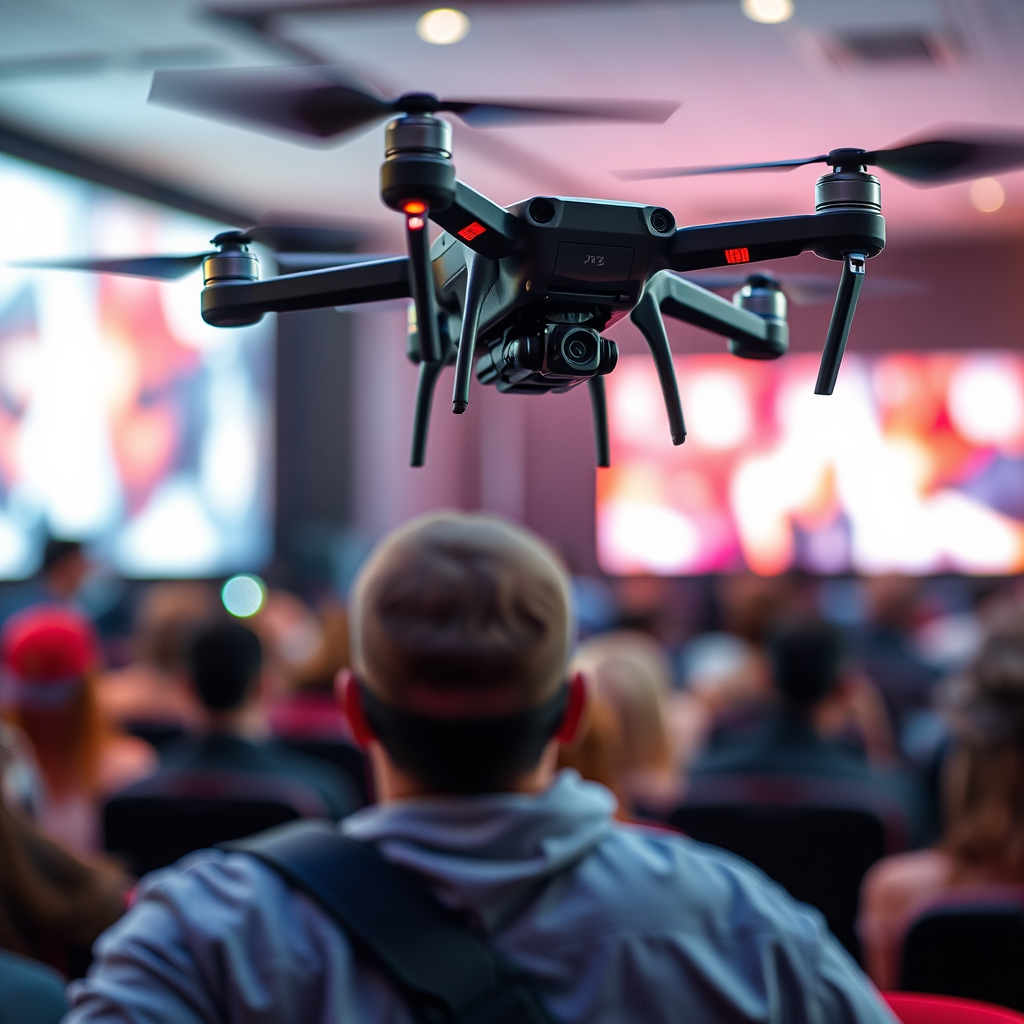
Drones can typically be controlled at distances ranging from a few hundred meters to several kilometers, depending on the technology and regulations. Understanding the factors that influence control range is essential for both recreational and professional drone users, as it not only impacts operational efficiency but also ensures compliance with legal standards and safety protocols.
Understanding Drone Communication Systems
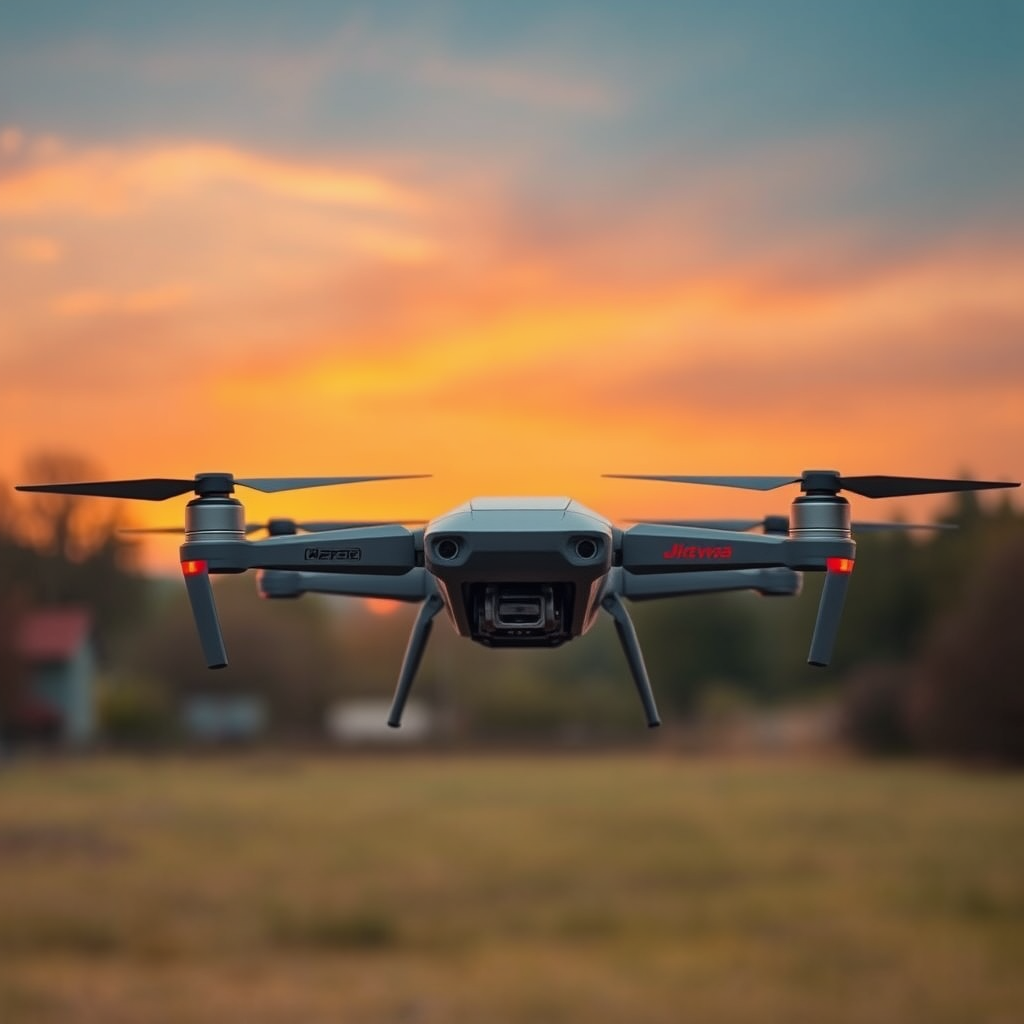
Drones utilize various communication protocols, including radio frequency (RF) and Wi-Fi, which are pivotal in determining control range. Radio frequency communication, often used in consumer drones, operates on specific bands such as 2.4 GHz and 5.8 GHz, allowing for relatively long-range control. For example, many consumer drones can achieve effective control distances of up to 4 kilometers using RF technology. In contrast, drones that rely on Wi-Fi connections are significantly limited, typically only reaching distances of about 500 meters due to the inherent constraints of Wi-Fi signals.
The choice of communication system directly affects the drone’s operational capabilities. Advanced models often employ a combination of RF and other emerging technologies, such as long-range communication systems that utilize LTE or 5G networks, significantly extending the operational range. Understanding these communication protocols is crucial for users, as it enables them to select the appropriate drone for their specific needs and ensures efficient operation within the desired range.
Regulatory Limits on Drone Range
Different countries have specific regulations that limit the operational range of drones, which can vary widely based on local laws and international agreements. For instance, in the United States, the Federal Aviation Administration (FAA) mandates that drones must be operated within the visual line of sight (VLOS) of the pilot, typically capping operational distances to around 1,500 feet vertically and within a few kilometers horizontally. In contrast, countries like the United Kingdom have regulations that allow for extended ranges under certain conditions, especially for commercial drone operations.
Compliance with these regulations is crucial for legal flying and safety. Failing to adhere to local laws can result in fines, loss of licenses, or even criminal charges. Moreover, understanding regulatory limits is vital for businesses that rely on drone technology for commercial purposes, as non-compliance can lead to significant operational disruptions. Therefore, drone users must remain informed about the regulations in their specific regions and adapt their flying practices accordingly.
Types of Drones and Their Control Distances
The type of drone employed significantly influences its control distance. Consumer drones, often designed for hobbyists and casual users, generally have shorter control ranges due to their simpler technology and design limitations. Popular models like the DJI Mini 2 can achieve a maximum range of around 10 kilometers, but this is under optimal conditions and may be reduced in urban environments due to signal interference.
On the other hand, commercial or specialized drones, such as those used in agriculture, surveying, or search and rescue operations, are equipped with advanced technology that allows for extended ranges. For instance, the DJI Matrice 300 RTK, a professional-grade drone, boasts a control distance of up to 15 kilometers, thanks to its robust communication systems and enhanced battery life. Understanding the distinctions between various types of drones and their control distances enables users to select the right equipment for their specific applications, optimizing performance while ensuring compliance with regulations.
Environmental Factors Affecting Control Range
Environmental factors can significantly affect a drone’s control range, and users must be aware of these influences to operate their drones effectively. Obstacles such as buildings, trees, and terrain can obstruct signals, leading to reduced control distances and potential loss of connection. For instance, flying a drone in a densely populated urban area with tall buildings can drastically limit its range due to signal reflections and absorption.
Weather conditions also play a crucial role in control range. Rain, fog, and strong winds can impact signal transmission and the drone’s stability, compromising control. Moreover, signal interference from other electronic devices, such as Wi-Fi routers and cellular towers, can further diminish the effective range. Drone operators should conduct thorough pre-flight assessments to understand their environment and, if possible, choose locations that minimize these obstacles to enhance operational efficiency.
Safety Considerations for Long-Distance Control
Maintaining line of sight is often a legal requirement and a safety practice for drone pilots. This principle ensures that the operator can see the drone at all times, which is crucial for avoiding potential collisions with other aircraft, structures, or individuals. Flying beyond visual line of sight (BVLOS) presents various risks, including loss of control and reduced situational awareness. For this reason, BVLOS operations typically require special permits and adherence to stringent regulations.
Understanding the risks associated with long-distance control is essential for ensuring safety during drone operations. It is advisable for operators to invest in backup systems or advanced technology that provides real-time telemetry data, allowing them to monitor their drone’s performance and location effectively. Additionally, implementing fail-safes, such as return-to-home features, can help mitigate risks associated with long-distance flying, enhancing overall safety for both the operator and the public.
Future Trends in Drone Control Technology
As technology continues to evolve, advancements in communication systems may significantly increase drone control distances in the future. Emerging technologies like 5G networks hold the potential to revolutionize drone operations by providing faster and more reliable communication channels. This could enable real-time data transmission over vast distances, allowing for more complex operations such as delivery services, infrastructure inspections, and emergency response scenarios.
Moreover, satellite control systems are being explored to extend the operational range of drones beyond the limitations of terrestrial communication. These developments could facilitate BVLOS operations in remote areas where traditional communication methods are inadequate. As these technologies mature, they promise to enhance the capabilities of drone operators, enabling them to unlock new applications and improve efficiency across various sectors.
In conclusion, the control range of drones varies widely based on technology, regulations, and environmental factors. Understanding these aspects can help users maximize their drone’s potential while adhering to safety and legal guidelines. By being informed about communication systems, regulatory limits, and environmental conditions, drone operators can make strategic decisions that enhance their operational effectiveness and ensure compliance with applicable laws. As the industry continues to evolve, staying abreast of technological advancements will be vital for harnessing the full potential of drone technology.
Frequently Asked Questions
How far can consumer drones typically be controlled?
Consumer drones generally have a control range between 1 to 5 kilometers (0.6 to 3.1 miles), depending on the model and technology used. For instance, popular models like the DJI Mavic series can reach up to 10 kilometers (6.2 miles) using enhanced transmission systems. However, environmental factors such as obstructions, weather conditions, and interference from other devices can significantly affect this range.
What factors influence the control range of a drone?
Several factors influence a drone’s control range, including the type of transmission technology (such as Wi-Fi, radio frequency, or cellular), the drone’s battery life, and physical obstacles like buildings or trees. Additionally, regulatory restrictions in certain areas may limit operational ranges, while atmospheric conditions such as fog or rain can impact signal clarity and range.
Why do some drones have a longer control range than others?
Drones with longer control ranges typically utilize advanced transmission technologies, such as OcuSync or Lightbridge, which provide clearer signals over extended distances. Higher-end models are also designed with better antennas and stronger signal processing capabilities, allowing them to maintain control even in challenging environments. Moreover, the overall design and materials used in the drone can play a crucial role in reducing interference and optimizing range.
What is the maximum distance for drone operation according to FAA regulations?
According to FAA regulations, drones must be operated within the visual line of sight (VLOS) of the pilot, which typically limits their operational distance to around 1 to 2 miles. However, for commercial drone operations, pilots can apply for waivers that may allow for extended distances, provided they adhere to specific safety protocols and use appropriate technology to maintain control and situational awareness.
Which drones are known for having the best control range in the market?
Drones like the DJI Mavic Air 2, DJI Mini 2, and Skydio 2 are recognized for their impressive control ranges, often exceeding 10 kilometers (6.2 miles) under optimal conditions. The DJI Phantom 4 Pro also stands out, offering robust performance and a reliable range. When choosing a drone for long-distance flying, it’s essential to consider both the control range and the drone’s ability to maintain a steady signal in various environments for the best experience.
References
- https://en.wikipedia.org/wiki/Drone
- https://www.faa.gov/uas/getting_started/remote_pilot/
- https://www.nytimes.com/2021/09/14/technology/drones-remote-control.html
- https://www.sciencedirect.com/science/article/pii/S2352764817300499
- https://www.wired.com/story/what-you-need-to-know-about-drone-range/
- https://www.researchgate.net/publication/335938658_Drone_Flight_Range_Constraints_Analysis
- https://www.theguardian.com/technology/2020/jan/16/the-limits-of-drone-technology
- https://www.nasa.gov/mission_pages/transformative_aviation/technology/Unmanned_Aircraft_Systems.html
