
Drones can typically fly distances ranging from a few hundred meters to several kilometers, depending on their type, battery life, and technology. Understanding the capabilities of different drones and the factors that affect their range is essential for both hobbyists and professionals. This article will explore the various types of drones available, the factors influencing flight distance, regulatory considerations, technological innovations, real-world applications, and future trends in drone range.
Types of Drones and Their Ranges
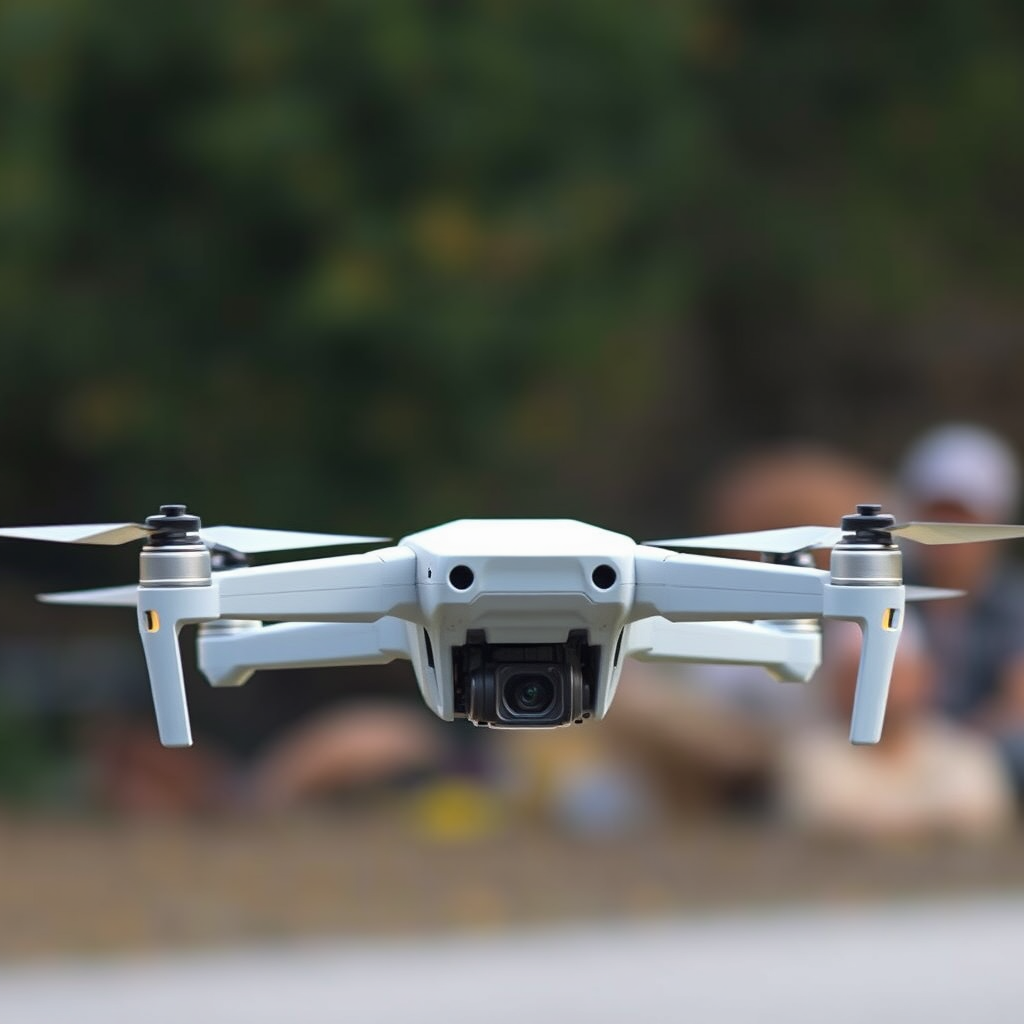
Drones come in various categories, each designed for specific purposes and exhibiting different ranges.
– Consumer Drones: These are primarily used for recreational purposes and are widely popular among hobbyists. Typically, consumer drones can fly between 1 to 5 kilometers. Popular models like the DJI Mavic Air 2 and the DJI Mini 2 demonstrate this range effectively, allowing users to capture stunning aerial photographs and videos within a reasonable distance from the operator.
– Commercial Drones: Designed for professional applications, commercial drones can cover significantly longer distances—often up to 15 kilometers or more. For instance, the DJI Matrice 300 RTK is engineered for industrial use, providing extensive flight ranges crucial for tasks such as surveying, mapping, and inspection. However, it’s important to note that the actual range can be impacted by regulatory restrictions and environmental factors, necessitating adherence to local laws.
Factors Affecting Drone Flight Distance
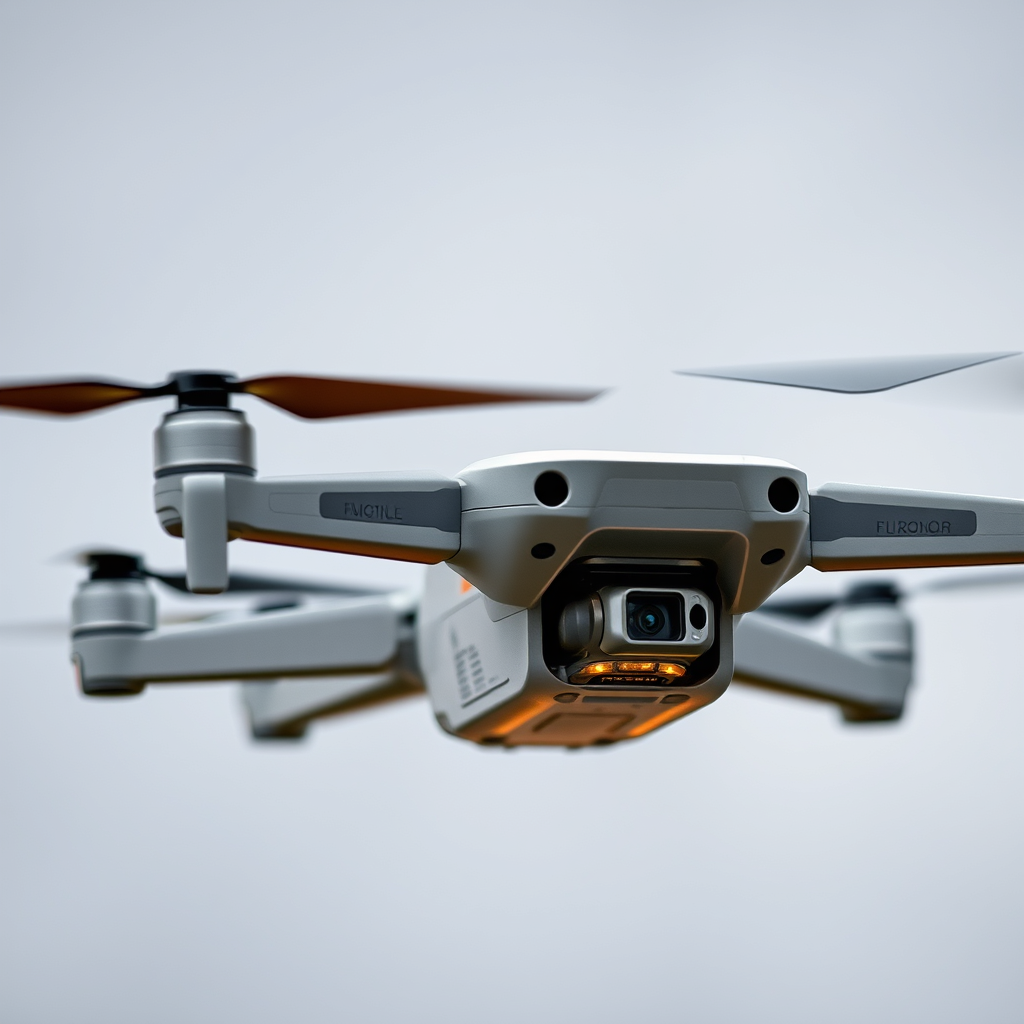
Several key factors dictate how far a drone can fly, and understanding these can help users optimize their drone operations.
– Battery Life: The capacity of a drone’s battery plays a crucial role in determining its flight distance. Standard consumer drones typically have flight times ranging from 20 to 30 minutes, depending on their weight and the efficiency of their motors. Higher-capacity batteries can extend flight times, but they may also add weight, impacting overall performance. Innovations in battery technology, such as lithium polymer batteries, are continually evolving to enhance flight endurance.
– Signal Strength: The connection between the drone and the remote control is vital for maintaining operational range. Drones rely on radio frequencies for communication, and any interference can limit their distance. High-quality drones use advanced transmission systems, such as OcuSync and Lightbridge, which provide clear, long-range communication and enable flights up to several kilometers. Factors like obstacles, terrain, and electromagnetic interference can adversely affect signal strength, so users must be aware of their flying environment.
Regulations Impacting Drone Distance
Drone operation is subject to various regulations that can significantly impact flight distances.
– FAA Guidelines: In the United States, the Federal Aviation Administration (FAA) has established specific guidelines for drone operations. The rules stipulate that drones must remain within the visual line of sight (VLOS) of the operator, typically limiting flights to a distance of about 1-2 kilometers unless special waivers are obtained. This regulation is crucial for ensuring safety in airspace and preventing accidents.
– Local Laws: Beyond federal regulations, local laws vary widely across different countries and regions. For example, some countries impose stricter limitations on drone flights, including maximum altitude and distance. Understanding these regulations is essential for any drone operator, especially for commercial applications, where non-compliance could lead to severe penalties.
Technology Innovations in Drone Flight
Advancements in technology are continuously shaping the capabilities of drones, especially concerning their flight distance.
– Enhanced GPS Systems: The evolution of GPS technology has significantly improved drone navigation and flight paths. Next-generation GPS receivers provide more accurate positioning, leading to better stability and longer ranges. These enhancements allow drones to operate effectively in complex environments, such as urban areas with tall buildings.
– Battery Technology Advances: Ongoing research in battery technology is paving the way for drones with extended flight times. Innovations such as solid-state batteries and hydrogen fuel cells promise to revolutionize drone performance, potentially allowing drones to fly much longer distances without the need for frequent recharging. This could enable new applications in logistics, emergency response, and surveillance.
Real-World Applications of Drone Distances
The ability of drones to cover significant distances opens up a plethora of practical applications across various industries.
– Delivery Services: Companies like Amazon and UPS are aggressively exploring drone technology for last-mile delivery solutions. By leveraging drones that can fly several kilometers, they aim to reduce delivery times and enhance efficiency. For instance, Amazon’s Prime Air aims to deliver packages within 30 minutes using drones capable of flying up to 15 kilometers, revolutionizing how goods are transported.
– Agricultural Monitoring: Drones are increasingly being used in agriculture to monitor large fields and crops. Equipped with specialized sensors and cameras, agricultural drones can cover extensive areas efficiently, often flying several kilometers to gather data on crop health, soil quality, and irrigation needs. This capability allows farmers to make informed decisions and optimize yields while minimizing resource use.
Future Trends in Drone Range
As drone technology continues to advance, several trends are emerging that may redefine their flight ranges.
– Autonomous Flight: The development of artificial intelligence (AI) is set to enhance drone navigation capabilities. Autonomous drones can plan efficient flight paths, avoid obstacles, and adapt to changing environmental conditions, potentially increasing their operational range. This technology could allow drones to undertake complex missions independently, such as search and rescue operations or infrastructure inspections.
– Emerging Battery Technologies: The future of drone flight distances is closely tied to breakthroughs in battery technology. With innovations such as graphene batteries and improved energy density, we may see drones capable of flying significantly longer distances without recharging. This advancement could enable applications in remote areas where traditional power sources are unavailable.
In conclusion, the distance that drones can fly is influenced by multiple factors, including the type of drone, battery life, signal strength, regulations, and technological advancements. By understanding these elements, users can maximize the potential of their drones for both recreational and commercial purposes. Staying informed about ongoing developments in drone technology is crucial for effective and efficient operations in an increasingly dynamic landscape. Whether for delivering packages or monitoring agricultural fields, the future of drone flight promises exciting possibilities.
Frequently Asked Questions
What factors affect how far drones can fly?
The distance a drone can fly is influenced by several factors, including battery life, drone type, weight, weather conditions, and signal strength. For example, consumer drones generally have a range of 3 to 5 miles, while professional drones can reach up to 7 miles or more. Additionally, adverse weather such as strong winds or rain can significantly reduce flight distance and stability.
How far can recreational drones typically fly?
Recreational drones often have a maximum flight range between 1 to 3 miles, depending on the model and the manufacturer’s specifications. Entry-level models may have a shorter range, while higher-end recreational drones can achieve longer distances. It’s essential to check the drone’s capabilities and ensure that you comply with local regulations regarding flying distances.
Why do some drones have a longer flight range than others?
The flight range of drones varies based on design and technology. High-end drones usually feature advanced communication systems that allow for extended range capabilities, such as enhanced GPS and more robust antennas. Additionally, the power of the drone’s battery and its overall weight also play crucial roles; lighter drones with powerful batteries can often fly farther than heavier models with less efficient power sources.
Which drones have the longest flight range on the market?
Some of the drones known for having the longest flight ranges include the DJI Mavic 3, which can fly up to 15 kilometers (about 9.3 miles), and the Autel Robotics EVO Lite+, which boasts a range of around 7 kilometers (approximately 4.3 miles). When choosing a drone with a long flight range, consider not only the distance but also the quality of the camera and the drone’s usability for your specific needs.
How can I extend the flight range of my drone?
To extend your drone’s flight range, consider upgrading to a high-capacity battery, which can provide more flying time and distance. Additionally, using high-gain antennas or signal boosters can enhance communication between the drone and the remote controller. It’s also beneficial to fly in open areas with minimal interference and to ensure that your drone’s firmware is up to date for optimal performance.
References
- https://en.wikipedia.org/wiki/Drone
- https://www.faa.gov/uas/
- https://www.nasa.gov/mission_pages/Global_Hawk/overview/index.html
- https://www.bbc.com/news/technology-42968298
- https://www.reuters.com/technology/how-far-can-drones-fly-2021-05-04/
- https://www.sciencedirect.com/science/article/pii/S2351978921001857
- https://www.nytimes.com/2019/06/06/technology/drones-faa.html
