

Drones can see from several hundred feet to several miles, depending on the type of drone, its camera capabilities, and environmental conditions. The visual range of a drone is influenced by various factors, including its altitude, the technology employed in its imaging systems, and the surrounding environment. Understanding these elements is vital for maximizing the utility of drones in diverse applications such as surveying, search and rescue, and agricultural monitoring.
Understanding Drone Vision
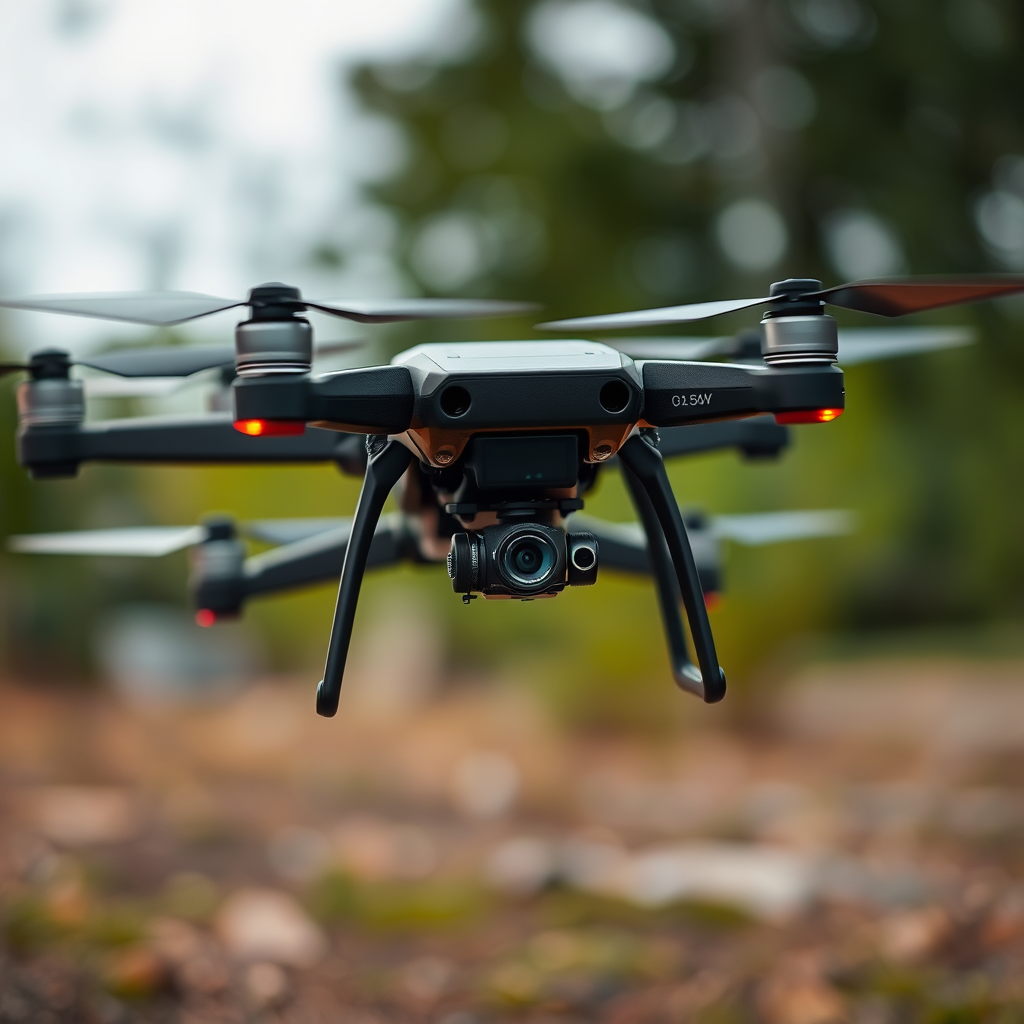
Drones are equipped with an array of high-resolution cameras and sensors designed to capture images and videos from the sky. These imaging systems can range from standard optical cameras found in consumer drones to more advanced thermal and multispectral cameras used in professional applications. For instance, consumer drones like the DJI Mavic Air 2 offer 48-megapixel cameras, allowing for detailed aerial photography within a limited range, while professional drones like the DJI Matrice 300 RTK can accommodate interchangeable camera systems for specialized imaging tasks.
The vision range of drones varies significantly between consumer and professional models. Consumer drones typically have a visual range of a few hundred feet, making them suitable for hobbyists and casual photography. In contrast, professional drones designed for mapping and surveying can achieve visibility of several miles, particularly when equipped with advanced optics and stabilization systems. This disparity in capabilities is crucial for users to consider based on their intended applications.
Factors Influencing Visibility
Several factors influence a drone’s visibility, most notably altitude, weather conditions, and lighting.
– Altitude: Generally, the higher a drone flies, the larger the area it can cover. Drones operating at higher altitudes can capture images from a broader perspective, making them ideal for applications that require extensive area coverage. For example, a drone flying at 400 feet can typically see a radius of several miles, depending on the terrain and environmental clarity, which is particularly beneficial for agricultural monitoring and land surveying.
– Weather conditions: Environmental factors such as fog, rain, and varying light conditions can significantly impact visibility. Poor weather can reduce the clarity of images captured by drones, making it challenging to discern details. For instance, flying in foggy conditions may render a drone’s camera ineffective, as the moisture in the air scatters light and reduces visibility. Understanding these conditions is essential for drone operators to optimize their flight plans and achieve the best possible results.
Types of Cameras and Their Capabilities
The type of camera mounted on a drone plays a crucial role in determining its visual capabilities. Drones may be equipped with various types of cameras, each suited to specific tasks.
– Standard cameras: These are typically used for general photography and videography. They capture high-resolution images in daylight conditions but may struggle in low-light environments.
– Thermal cameras: These cameras detect heat signatures and can visualize temperature differences, making them invaluable in search and rescue operations and infrastructure inspections. For example, thermal drones can identify heat leaks in buildings or locate missing persons in challenging environments.
– Night vision cameras: Designed for low-light conditions, these cameras enable drones to operate effectively after sunset, enhancing their utility in surveillance and monitoring tasks.
The resolution of the camera, often measured in megapixels, along with lens quality, also impacts image clarity. A drone with a high-quality lens and high megapixel count can provide sharper images, making it easier to analyze details from a distance.
Real-World Applications of Drone Vision
Drones have become essential tools across various industries, leveraging their vision capabilities for numerous applications:
– Mapping and surveying: Drones equipped with advanced imaging technology are increasingly used in agriculture and construction for mapping and surveying large areas. They provide precise topographical maps and aid in assessing crop health, allowing farmers to make data-driven decisions.
– Search and rescue operations: Drones with long-range vision capabilities are invaluable in emergency situations. They can cover vast areas quickly, helping locate missing persons or assess disaster-stricken regions, where traditional search methods may be slower or more dangerous.
– Infrastructure inspection: Drones are also employed for inspecting bridges, power lines, and pipelines, allowing for detailed assessments without putting human inspectors at risk. Their ability to capture high-resolution images from various angles enables a comprehensive evaluation of structures.
Regulations and Limitations
While drones offer remarkable capabilities, they are subject to regulations that can impact their operational range and visibility.
– Legal restrictions: In many countries, laws dictate the maximum altitude drones can fly and the minimum distance they must maintain from operators. For instance, the Federal Aviation Administration (FAA) in the United States mandates that drones must remain within the operator’s visual line-of-sight, typically limited to around 400 feet in altitude and several miles in distance.
– Importance of maintaining visual line-of-sight: This regulation ensures safety and accountability, preventing drones from colliding with other aircraft and minimizing risks to people on the ground. Operators must be aware of these limitations to avoid legal repercussions and ensure safe operations.
Future Developments in Drone Technology
The future of drone technology holds immense potential for enhancing visual capabilities.
– Advancements in imaging technology: Innovations in camera technology, such as higher megapixel counts, improved lens quality, and integration of artificial intelligence (AI), are expected to enhance the clarity and detail of images captured by drones. AI-driven image processing can also analyze data in real-time, providing actionable insights more efficiently.
– Increased range and improved image processing: Future models may incorporate advanced sensors that extend operational range and improve performance in challenging conditions, such as low light or adverse weather. These developments could revolutionize how industries utilize drones for monitoring, surveying, and emergency response.
In conclusion, understanding how far drones can see is crucial for maximizing their potential in various applications. Factors such as camera technology, altitude, and environmental conditions play significant roles in determining visibility. As technology advances, the capabilities of drones will continue to grow, making them even more effective tools for exploration, analysis, and real-world problem-solving. By keeping abreast of these developments, operators can leverage drones to their fullest potential, enhancing efficiency and safety across multiple sectors.
Frequently Asked Questions
What factors influence how far a drone can see?
The distance a drone can see is influenced by several key factors, including the type of camera equipped on the drone, the quality of the lens, the altitude at which the drone is flying, and environmental conditions such as weather and terrain. Drones with high-resolution cameras and advanced optics can capture clearer images from greater distances. Additionally, flying at higher altitudes allows drones to cover more ground visually, while poor visibility conditions like fog or heavy rain can significantly reduce the effective viewing range.
How do drone cameras differ in terms of visibility range?
Drone cameras vary widely in their visibility range based on specifications like sensor size, resolution, and zoom capabilities. For instance, drones with optical zoom lenses can see farther by magnifying distant objects without losing image quality, while those with standard lenses might only be able to capture clear images within a limited distance. High-end drones used for photography or surveying often have superior camera systems that enhance visibility and detail compared to entry-level models.
Why is it important to know how far a drone can see?
Understanding a drone’s visibility range is crucial for various applications, such as surveying, mapping, and search and rescue operations. Knowing how far a drone can see helps operators effectively plan their flight paths and ensure they can capture necessary data or images. Additionally, being aware of the drone’s visibility limits aids in compliance with regulations, as operators must maintain visual line-of-sight with their drones during flight.
Which drones are known for having the best visibility range?
Drones known for exceptional visibility range typically include models designed for professional use, such as the DJI Mavic 3, DJI Phantom 4 Pro, and the Parrot Anafi USA. These drones feature high-resolution cameras with advanced zoom capabilities and superior stabilization systems, allowing them to capture clear visuals from significant distances. When selecting a drone for long-range visibility, consider factors like camera specifications, flight altitude, and battery life to ensure optimal performance.
How can I maximize the visibility range of my drone?
To maximize your drone’s visibility range, you can start by flying at higher altitudes, as this increases the distance over which you can see. Additionally, ensure your drone’s camera settings are optimized for clarity, such as adjusting ISO and shutter speed for better image quality. Finally, conducting flights in favorable weather conditions with minimal obstacles will enhance visibility, allowing your drone to capture the best possible images over longer distances.
References
- https://en.wikipedia.org/wiki/Drone#Capabilities
- https://www.faa.gov/uas/
- https://www.nasa.gov/centers/dryden/pdf/81132.pdf
- https://www.sciencedirect.com/science/article/pii/S2351978918301547
- https://www.theguardian.com/technology/2021/jan/21/what-can-drones-see-privacy-issues
- https://www.ncbi.nlm.nih.gov/pmc/articles/PMC7371787/
- https://www.techrepublic.com/article/how-drones-are-changing-the-future-of-surveillance/
