
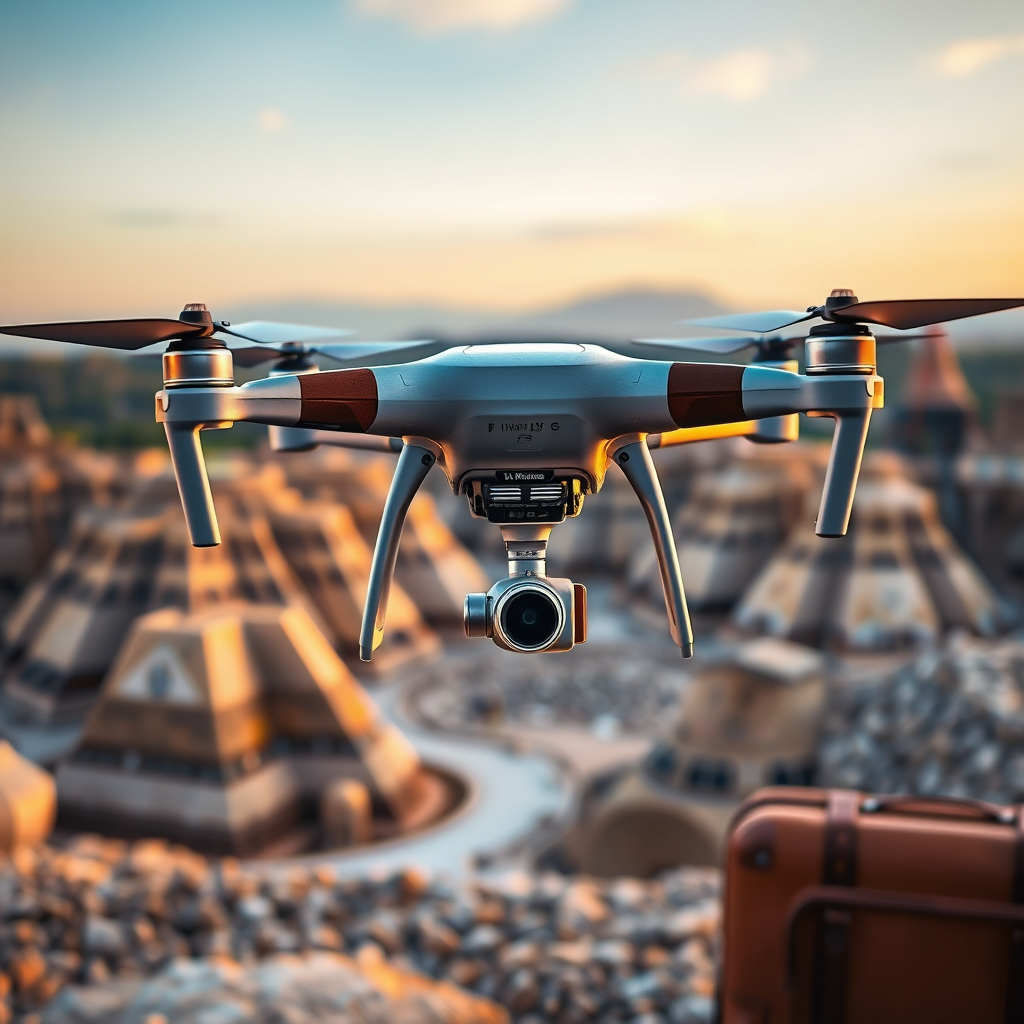
Drones can typically reach distances of up to 7 miles (11 kilometers) or more, depending on several factors such as design, battery life, and regulations. Understanding how far drones can travel helps users optimize their operations and select the right drone for their needs. As the drone industry continues to advance, knowing the range capabilities of various models is essential for enthusiasts and professionals alike. This article will delve into the intricacies of drone range, the factors that influence it, and the implications for real-world applications.
Understanding Drone Range
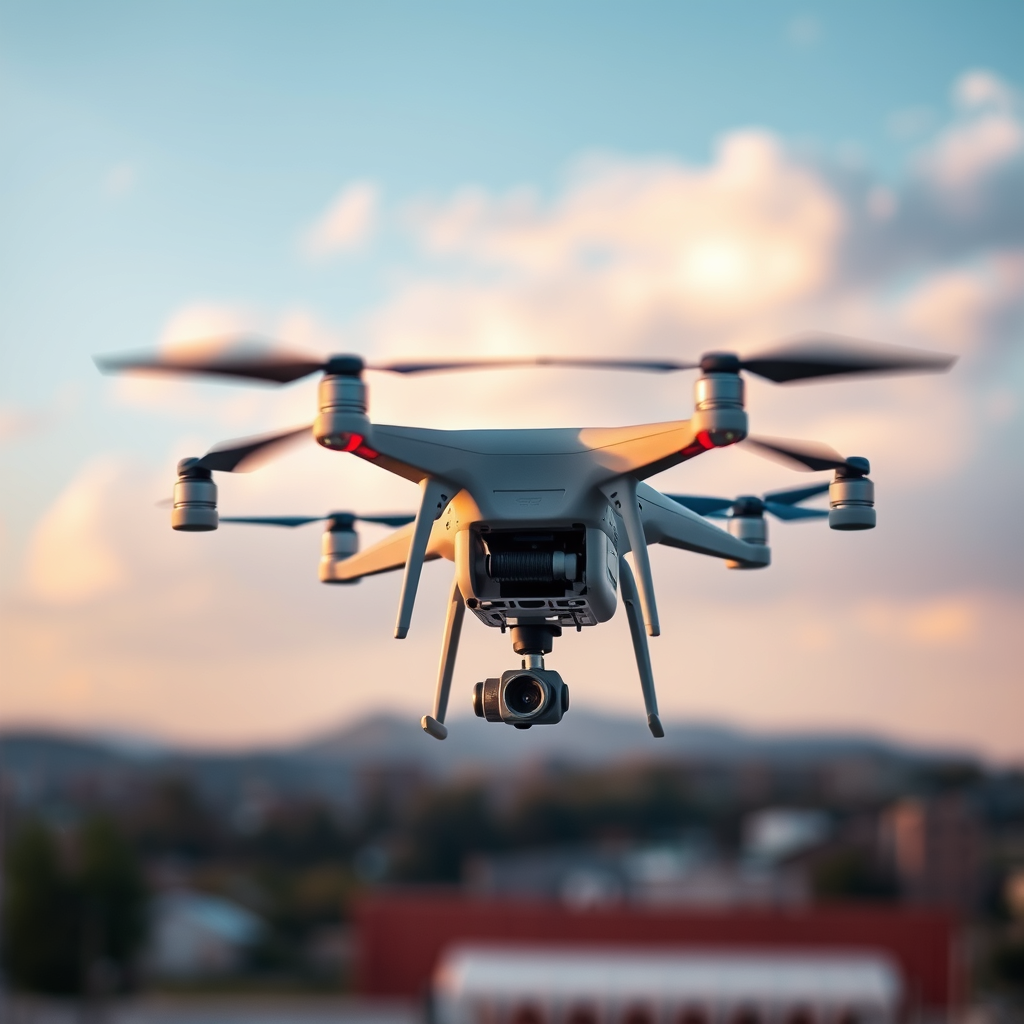
The range of a drone is primarily determined by its communication technology. Most consumer drones utilize radio frequency (RF) signals to maintain a connection with the controller, and the strength of these signals greatly influences how far a drone can fly. High-end drones often incorporate advanced technologies such as Wi-Fi or Long Range (LoRa) communication, which can significantly extend their operational distance. Different drone models offer varying maximum distances based on their intended use. For instance, recreational drones designed for hobbyists typically have shorter ranges compared to professional drones used in industries like agriculture or surveillance.
Moreover, the concept of range is not merely about distance; it also encompasses the reliability of the connection. As the drone travels further from its pilot, the risk of signal loss increases. Consequently, manufacturers often implement features such as Return-to-Home (RTH) functionality, which allows the drone to return to its takeoff point automatically if the connection is lost, thereby ensuring safety and operational integrity.
Factors Affecting Drone Distance
Battery life significantly impacts how far a drone can fly before needing to return. Most consumer drones are equipped with lithium-polymer (LiPo) batteries, which provide a good balance of weight and energy density. However, the flight time—typically ranging from 20 to 30 minutes—can be affected by various factors, including payload weight, flight speed, and ambient temperature. As the battery depletes, the drone’s performance diminishes, and its ability to maintain a stable connection with the controller becomes compromised.
Environmental conditions also play a crucial role in determining effective range. Wind can create additional drag on the drone, thereby reducing its battery life and operational distance. Obstacles like buildings and trees can disrupt the line-of-sight communication between the drone and its controller, leading to signal interference and potential loss of control. Additionally, varying terrains can affect flight efficiency; for example, flying in mountainous regions may require more energy compared to flat, open fields.
Types of Drones and Their Ranges
Consumer drones typically range from 1 to 5 miles, catering to hobbyists and casual users. Drones like the DJI Mini 2 and the Mavic Air 2 exemplify this segment, offering ranges of approximately 6.2 miles (10 kilometers) and 10 kilometers (6.2 miles) respectively under optimal conditions. These drones are designed for ease of use and are equipped with features that enhance user experience, such as automated flight modes and obstacle avoidance.
In contrast, professional and commercial drones can exceed 10 miles in optimal conditions. For example, the DJI Matrice 300 RTK and the senseFly eBee X are designed for industrial applications such as surveying, mapping, and agriculture. These drones are equipped with advanced communication systems and robust batteries that allow for extensive operational ranges. The ability to cover large distances makes them invaluable tools for businesses seeking efficiency and comprehensive data collection.
Regulations Impacting Drone Flight
The Federal Aviation Administration (FAA) and other authorities impose rules that limit drone distances in certain areas, which can significantly impact operational capabilities. In the United States, for instance, recreational pilots must keep their drones within visual line of sight (VLOS), which typically restricts flight distances to within a few miles. Commercial drone operators, on the other hand, may apply for waivers to operate beyond VLOS under specific conditions, enabling them to utilize drones for tasks such as infrastructure inspection or search and rescue operations.
Understanding local regulations is crucial for maximizing drone capabilities. Many countries have established no-fly zones around airports, military bases, and populated areas, which can further limit operational range. Staying informed about these regulations not only helps operators avoid legal issues but also enhances safety and efficiency in drone operations.
Real-World Applications of Drone Range
Drones in agriculture can cover large fields, often traveling several miles for monitoring crops. Farmers utilize drones equipped with multispectral cameras to assess crop health, identify irrigation needs, and even detect pest infestations over vast areas, reducing the time and labor required for traditional ground inspections. This capability is particularly beneficial for large-scale farming operations, where the ability to cover substantial distances can lead to increased productivity and better resource management.
Similarly, delivery drones are designed for specific ranges to ensure timely and efficient service. Companies like Amazon and Wing are pioneering drone delivery services, which require precise planning of flight paths to navigate urban environments while adhering to regulations. By optimizing drone range and ensuring reliable delivery within the established distance, these companies can enhance customer satisfaction and streamline logistics.
Future Innovations in Drone Technology
Advancements in battery technology may soon extend drone flight distances. Current research focuses on developing high-capacity batteries that not only provide longer flight times but also reduce charging times. Innovations like solid-state batteries could revolutionize drone performance, potentially enabling flights of several hours or even days on a single charge.
Moreover, research in communication systems like 5G could enhance range and reliability. The implementation of 5G technology may enable drones to transmit data at higher speeds over longer distances, improving real-time monitoring and data collection capabilities. This advancement would allow drones to operate more efficiently in various applications, from urban planning to disaster response.
As these technologies continue to evolve, the future of drone range looks promising, opening new avenues for exploration and application.
In conclusion, the distance a drone can travel varies widely based on its type, battery life, and regulations. Understanding these factors is essential for anyone looking to utilize drones for personal or professional use. By considering your specific needs and selecting a drone that aligns with your range requirements, you can optimize your operations and leverage the full potential of this transformative technology. With ongoing innovations, the possibilities for drone applications are virtually limitless.
Frequently Asked Questions
What is the average maximum range of consumer drones?
The average maximum range of consumer drones typically falls between 1 to 7 kilometers (0.6 to 4.3 miles), depending on the model and technology used. Drones equipped with advanced transmission systems, like DJI’s OcuSync, can achieve longer ranges, while others may have limited capabilities due to weaker signal strength. Always check the specifications of your drone model to understand its maximum operational range.
How do environmental factors affect a drone’s range?
Environmental factors such as obstacles, weather conditions, and interference can significantly impact a drone’s range. Urban areas with tall buildings can create signal blockages, while heavy rain or strong winds may disrupt flight stability and control. Additionally, electromagnetic interference from power lines or other devices can reduce the effective range of your drone, so it’s important to choose a clear flying area.
Why is understanding a drone’s range important for pilots?
Understanding a drone’s range is crucial for pilots to ensure safe and effective operation. Knowing the maximum range can prevent losing control of the drone or exceeding legal limits, leading to potential crashes or violations of regulations. Moreover, being aware of a drone’s range helps in planning flights for photography, surveying, or recreational purposes, maximizing the drone’s capabilities while minimizing risks.
What types of drones have the longest flight ranges?
Drones designed for professional use, such as those used in surveying, mapping, or agricultural monitoring, typically have the longest flight ranges. For example, fixed-wing drones can cover distances of over 100 kilometers (62 miles) on a single battery charge, while advanced quadcopters like the DJI Matrice series can reach ranges up to 8 kilometers (5 miles). When selecting a drone for specific applications, consider models known for extended range capabilities.
Which regulations should I consider regarding drone flight range?
When flying a drone, it’s essential to comply with local regulations regarding flight range and visibility. In many countries, including the U.S., the Federal Aviation Administration (FAA) mandates that drones must be flown within the operator’s visual line of sight, which can limit effective range. Additionally, some areas may have no-fly zones or altitude restrictions, so always check local guidelines to ensure safe and legal drone operation.
References
- https://en.wikipedia.org/wiki/Drone
- https://www.faa.gov/uas/getting_started/remote_id
- https://www.nytimes.com/2021/12/01/technology/drones-delivery.html
- https://www.ncbi.nlm.nih.gov/pmc/articles/PMC7456321/
- https://www.sciencedirect.com/science/article/pii/S2352864817301155
- https://www.bbc.com/future/article/20210805-how-far-can-drones-fly
- https://www.abc.net.au/news/science/2021-05-10/drones-how-far-can-they-fly/13374080
- https://www.nasa.gov/feature/nasa-tests-new-technology-for-long-range-drone-flights
