

Drones can travel varying distances depending on their design, battery life, and purpose, ranging from a few miles to several hundred miles. Understanding the factors that influence drone travel can help users choose the right model for their needs, whether for recreational use or commercial applications. This article delves into the intricacies of drone travel distances, highlighting the types of drones, the factors that affect their range, and the implications of environmental conditions and regulations.
Understanding Drone Types and Their Range
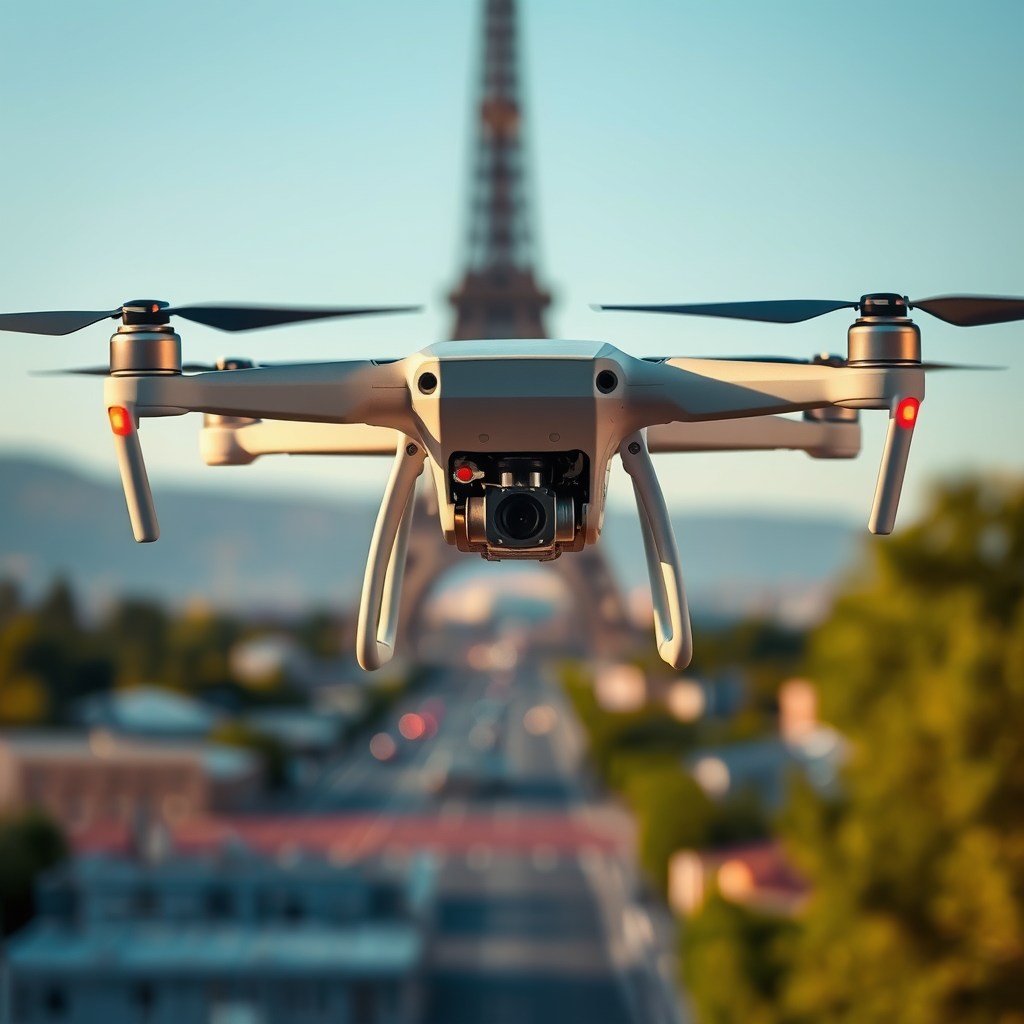
Drones are classified into various categories based on their design and intended application, which significantly affects their travel range. Consumer drones, typically designed for hobbyists and recreational users, generally have a range of 3 to 5 miles. Popular models like the DJI Mini series exemplify this range, offering impressive features for casual users while maintaining a user-friendly interface. These drones are ideal for capturing aerial photography or enjoying leisurely flights in open areas.
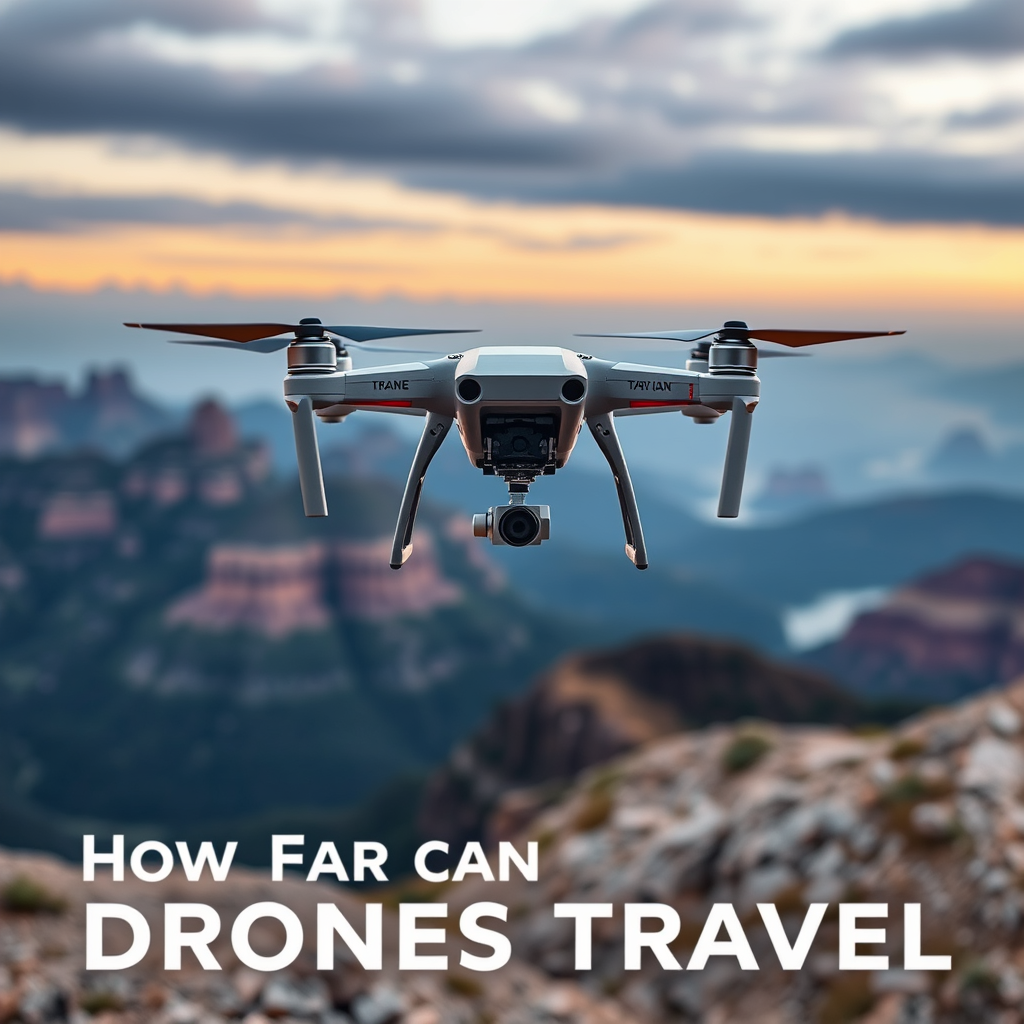
On the other hand, commercial drones are engineered with advanced technology, allowing them to travel much farther—up to 30 miles or more—depending on their specifications. Drones designed for industrial applications, such as the DJI Matrice series or the Parrot Anafi USA, often incorporate more powerful batteries and enhanced communication systems. These features enable them to perform tasks such as surveying land, conducting inspections, and supporting search-and-rescue operations over extensive areas. Understanding the specific type of drone needed for your application is crucial in determining how far it can effectively travel.
Factors Affecting Drone Travel Distance
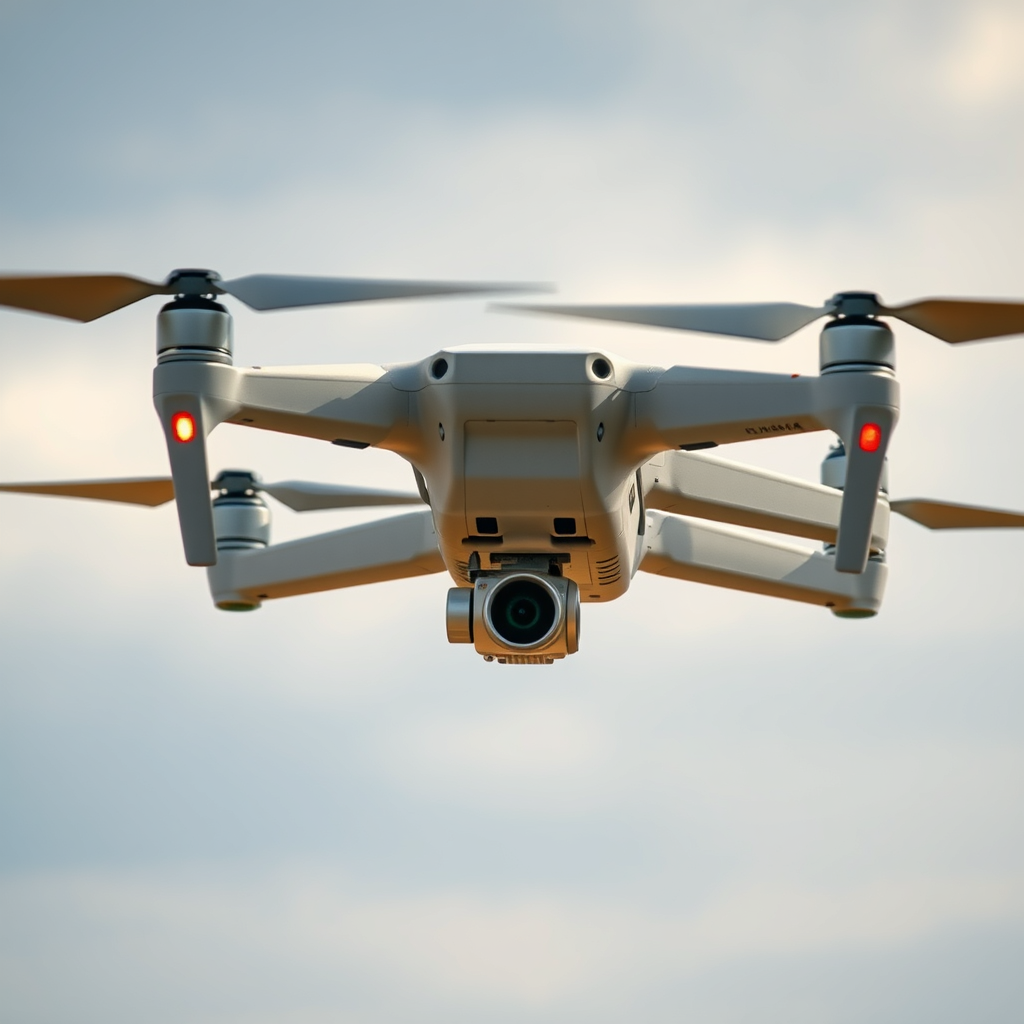
Several factors play a critical role in determining how far a drone can fly. One of the most significant considerations is battery capacity. Most consumer drones utilize lithium-polymer (LiPo) batteries, which provide a balance of weight and power. The capacity of these batteries, measured in milliamp hours (mAh), directly correlates with flight time and range. For example, a drone with a 3000mAh battery may achieve approximately 20 minutes of flight time, while a drone equipped with a 6000mAh battery could potentially double that duration, thereby extending its travel range.
Additionally, the weight and payload of the drone influence its overall travel distance. Heavier drones consume more energy to maintain flight, which can lead to reduced range. For instance, if a drone designed to carry a camera payload is overloaded with additional equipment, it may struggle to achieve its maximum flight distance. Therefore, users must consider both the drone’s design and the intended payload to optimize flight performance.
Environmental Conditions Impacting Range
Environmental conditions can significantly impact a drone’s effective travel range. Weather factors such as wind speed, precipitation, and temperature can affect flight stability and battery performance. For instance, strong winds can cause a drone to expend more energy to maintain its course, leading to a shorter travel distance. Similarly, flying in rain can increase the risk of water damage to the drone’s electronics, prompting many manufacturers to advise against operating drones in adverse weather conditions.
Altitude also plays a role; drones operating at higher elevations may experience reduced air density, which can impact lift and battery efficiency. Temperature variations can further affect battery performance, with colder conditions typically leading to decreased battery life. Users should assess these environmental factors before embarking on longer flights to ensure optimal drone performance.
Regulatory Considerations for Drone Travel
Understanding regulatory considerations is paramount for safe and compliant drone operation. In the United States, the Federal Aviation Administration (FAA) imposes regulations that limit the maximum altitude and distance drones can fly from their operators. For instance, drones must remain within the operator’s visual line of sight, which typically restricts their travel distance to a few miles unless special waivers are obtained.
Local laws can also impose additional restrictions on drone operations, such as prohibiting flights over certain areas or requiring specific permits for commercial use. Users need to familiarize themselves with these regulations to avoid legal repercussions and ensure safe flying practices. By adhering to these guidelines, drone users can maximize their travel potential while minimizing risks.
Innovations in Drone Technology
Innovations in drone technology are continuously enhancing the potential travel distances of future models. Advances in battery technology, such as the development of solid-state batteries, promise to deliver greater energy density and longer flight durations compared to traditional lithium-ion batteries. This could mean that future drone models will be capable of traveling significantly farther than current offerings.
Moreover, the evolution of long-range communication systems is crucial for extending operational ranges. Technologies such as 4G LTE and satellite communication enable drones to maintain stable connections with their operators over vast distances, facilitating real-time data transmission and control. These innovations not only improve the practicality of drones for commercial applications but also enhance safety by allowing operators to monitor drone performance even when out of sight.
Real-World Applications of Drone Travel
Drones are increasingly being utilized in various industries, showcasing their ability to cover significant distances for practical applications. In the logistics sector, companies like Amazon and UPS are actively testing drone delivery services that can transport packages over several miles efficiently. These drones are designed to navigate complex urban environments and deliver goods quickly, demonstrating the potential for rapid delivery systems.
In agriculture, drones equipped with advanced sensors are revolutionizing crop monitoring and data collection. These agricultural drones can traverse large fields, collecting valuable data on crop health and soil conditions, which can be analyzed to optimize farming practices. For instance, drones can cover hundreds of acres in a single flight, significantly enhancing operational efficiency for farmers.
In conclusion, the distance a drone can travel varies widely based on several factors, including type, battery life, environmental conditions, and regulations. As technology continues to advance, the potential for drones to operate over greater distances is expanding, offering innovative solutions across different industries. To make an informed choice, potential drone users should carefully consider these aspects and stay updated on technological advancements in the field to maximize their drone’s capabilities.
Frequently Asked Questions
How far can consumer drones typically travel?
Consumer drones typically have a maximum range of about 1 to 6 miles, depending on the model and manufacturer. High-end models like the DJI Mavic series can achieve distances up to 7 miles under optimal conditions, while budget drones may only reach a fraction of that range. Factors such as battery life, signal strength, and environmental conditions significantly influence how far your drone can fly.
What factors affect the travel distance of a drone?
Several factors affect the travel distance of a drone, including battery capacity, drone weight, weather conditions, and signal interference. A drone with a larger battery can generally fly farther, while heavier drones may consume more power. Additionally, strong winds, rain, and obstacles like buildings can disrupt the signal and reduce effective range.
Why do some drones have longer flight ranges than others?
Drones that are designed for longer flight ranges usually incorporate advanced technologies such as enhanced signal transmission systems (like OcuSync or Lightbridge), larger batteries, and optimized aerodynamics. These features allow them to maintain a strong connection to the remote controller over greater distances, as well as sustain flight longer before needing to recharge.
Which drones offer the best travel distance for professional use?
For professional use, the DJI Matrice 300 and the Autel Robotics EVO Lite+ are two excellent options that provide long travel distances, reaching up to 9 miles in optimal conditions. The Matrice series also features advanced flight modes and payload capabilities, making it suitable for surveying, mapping, and other industrial applications. For professionals, investing in a drone with a robust range is essential for maximizing operational efficiency.
How can I maximize my drone’s travel distance?
To maximize your drone’s travel distance, ensure that you start with a fully charged battery and fly in optimal weather conditions with minimal wind and interference. Additionally, flying at a higher altitude can help maintain a strong signal and reduce obstacles. Regular maintenance, such as propeller cleaning and battery checks, can also enhance performance and range, allowing you to get the most out of your drone.
References
- https://en.wikipedia.org/wiki/Drone#Range
- https://www.faa.gov/uas/
- https://www.nasa.gov/mission_pages/Global_Hawk/overview/index.html
- https://www.sciencedirect.com/science/article/pii/S2352864817300719
- https://www.researchgate.net/publication/323930358_Analysis_of_the_range_of_drones_in_civil_applications
- https://www.theguardian.com/technology/2020/jun/01/drones-us-military-technology
- https://www.bbc.com/news/technology-53920263
- https://www.ncbi.nlm.nih.gov/pmc/articles/PMC7586081/
