
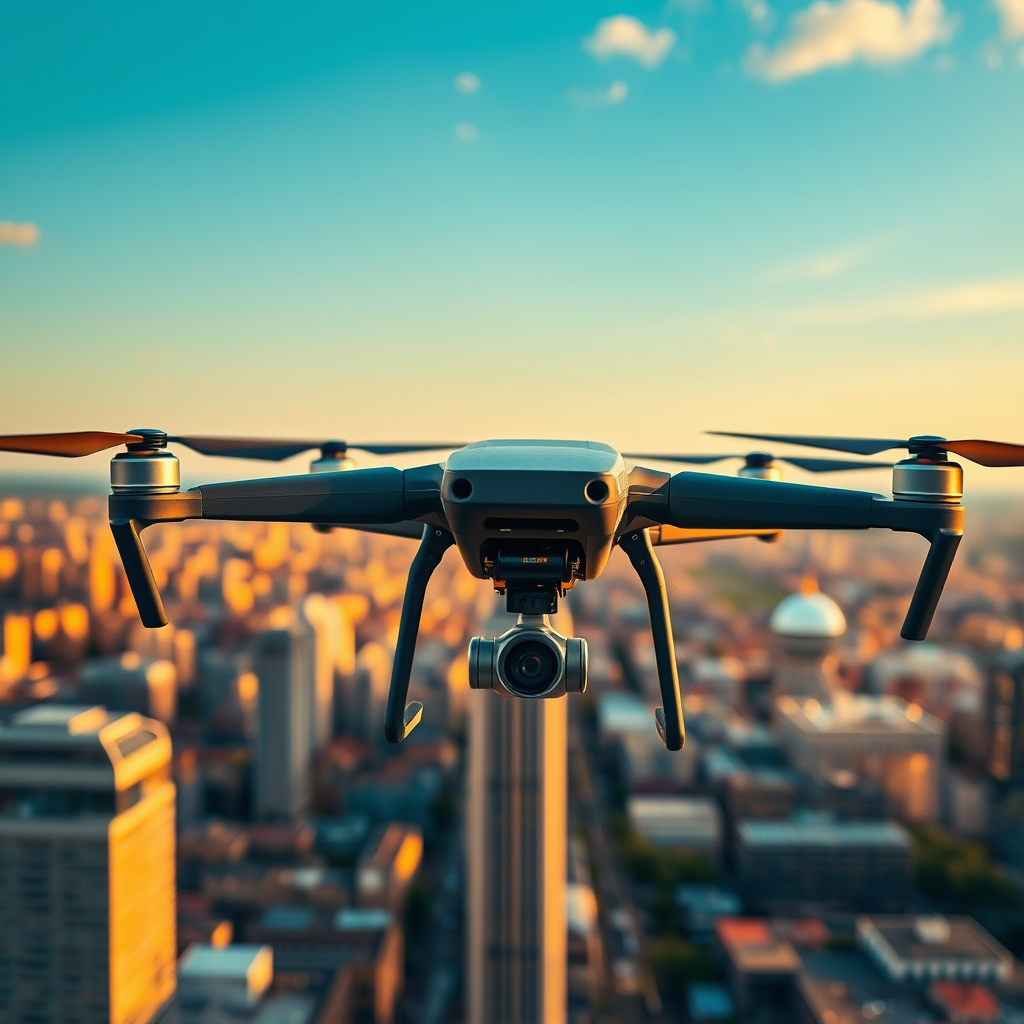
Drones can typically travel distances ranging from a few hundred meters to several kilometers, depending on their type and specifications. Factors such as battery life, technology, and regulations play a critical role in determining how far a drone can go. Understanding these nuances is essential for selecting the right drone for specific applications, whether for personal use, commercial projects, or specialized tasks. In this article, we will explore the various factors that influence drone travel distance.
Understanding Drone Types
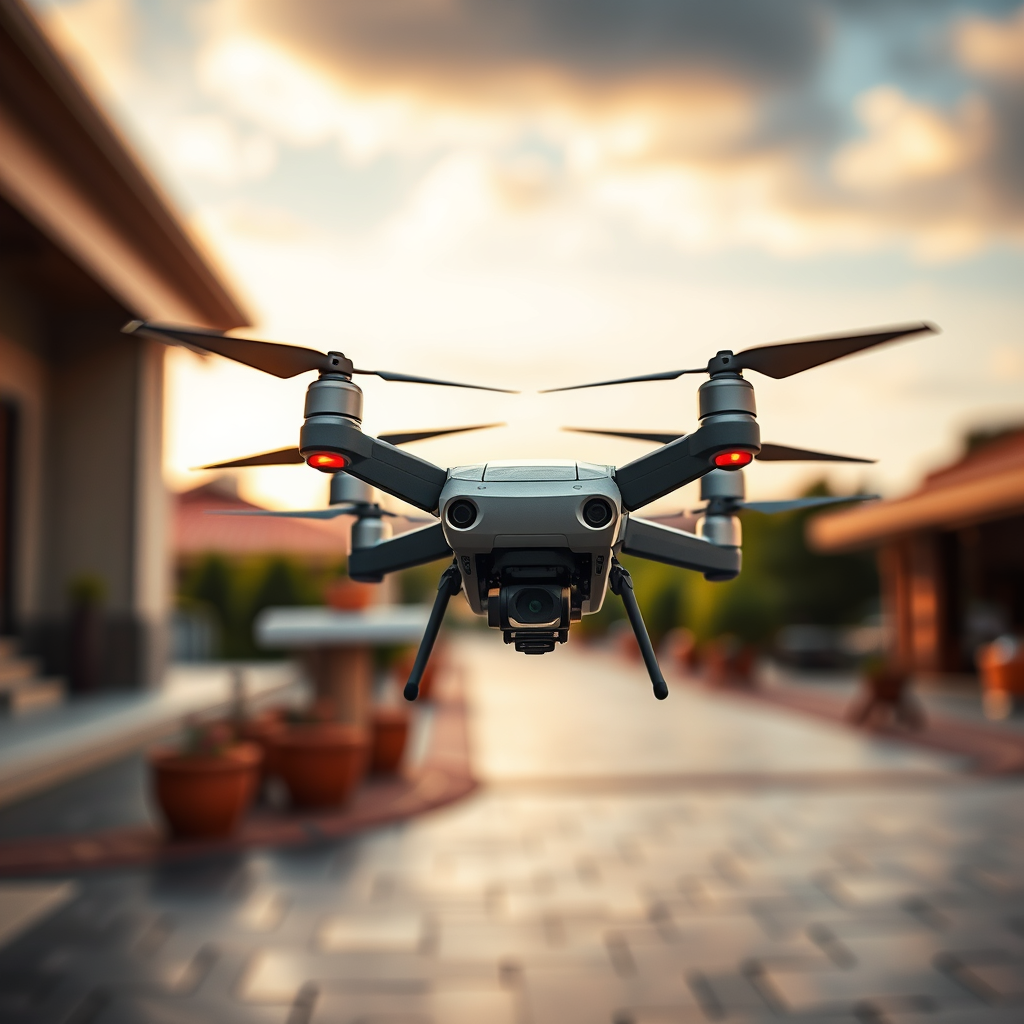
Drones are categorized into various types, each designed for specific purposes and with varying distance capabilities.
– Consumer Drones: These are primarily used for recreational purposes and photography. They usually have a limited range of 1 to 5 kilometers. For instance, popular models like the DJI Mini 2 can travel approximately 10 kilometers under optimal conditions, but many consumer models typically operate within shorter distances due to battery limitations and connection strength.
– Commercial Drones: Designed for professional use, these drones can reach distances of 10 kilometers or more. They are equipped with advanced technology that enables them to cover larger areas efficiently. For example, the DJI Matrice 300 RTK is used for industrial inspections and can operate at a distance of up to 15 kilometers, showcasing its capabilities in professional settings.
Understanding the distinctions between these types of drones is crucial for users looking to invest in a drone that meets their specific needs, whether for casual flying or serious business applications.
Factors Affecting Travel Distance
Several factors significantly impact the travel distance of drones, influencing their operational capabilities.
– Battery Life: The battery life of a drone is one of the most critical factors affecting its overall travel distance. Most consumer drones offer flight times ranging from 20 to 30 minutes, while commercial drones can provide longer durations, sometimes exceeding an hour. For instance, the Skydio 2 boasts a flight time of about 23 minutes, while the senseFly eBee X can fly for up to 90 minutes, allowing it to cover more ground.
– Signal Range: The connection strength between the drone and its controller also affects how far a drone can travel. Drones rely on radio signals to communicate with their operators, and many consumer models have a maximum signal range of 1 to 5 kilometers. Commercial drones often incorporate more robust communication systems, such as 4G LTE, allowing them to maintain a connection over greater distances. This ensures that operators can control the drone effectively, even when it is far from their physical location.
Understanding these factors can help drone users optimize their flight plans and make informed decisions based on the specific requirements of their projects.
Regulations and Restrictions
Drone operations are subject to various regulations that can significantly influence travel distance.
– Local Laws: Different countries and regions have specific laws governing drone flights, which may include restrictions on maximum flight distances. For example, in the United States, the Federal Aviation Administration (FAA) regulates drone operations and typically requires drones to remain within the pilot’s visual line of sight, limiting their operational range.
– Line of Sight Requirements: Many jurisdictions require that drones remain within the operator’s visual line of sight, which can restrict their travel distance. This means that even if a drone has the capability to fly further, legal regulations may prevent operators from exercising that potential. Understanding these regulations is crucial for both hobbyists and commercial operators to ensure compliance and avoid potential fines.
Awareness of local laws and regulations allows drone operators to plan their flights accordingly and operate within legal boundaries.
Technology Innovations
The drone industry is rapidly evolving, with technological advancements significantly enhancing travel distance capabilities.
– Advanced Battery Technologies: Innovations in battery technology, such as lithium-sulfur and solid-state batteries, are on the horizon. These developments promise to extend flight times and, consequently, travel distances. For instance, researchers are exploring batteries that could potentially double the energy density of current lithium-ion batteries, allowing drones to fly longer and cover more ground in a single flight.
– GPS and Navigation Systems: Enhanced GPS and navigation systems are also improving route efficiency and distance capability. Drones equipped with advanced navigation technologies, such as real-time kinematic (RTK) GPS, can accurately determine their position and adjust their flight path based on environmental factors. This not only increases their range but also enhances their operational reliability in complex environments.
These technological innovations not only expand the distance capabilities of drones but also improve their overall performance and reliability in various applications.
Practical Applications of Drone Distances
Understanding how far drones can travel is crucial for their practical applications across various industries.
– Delivery Services: With the rise of e-commerce, drones are being increasingly utilized for delivery services. Companies like Amazon and Zipline have developed drones capable of traveling longer distances to deliver packages efficiently. For example, Zipline’s drones can cover distances of up to 160 kilometers to deliver medical supplies in remote areas, showcasing the potential of drones in logistics and emergency services.
– Aerial Surveying: Drones are widely used in aerial surveying for tasks like mapping, land assessment, and infrastructure inspection. Depending on their capabilities, drones can cover large areas in a single flight, significantly reducing the time and labor associated with traditional surveying methods. For example, the senseFly eBee X can cover up to 500 hectares in a single flight, making it an invaluable tool for surveyors.
These applications highlight the importance of understanding drone travel distances for optimizing operations in various sectors.
Future Trends in Drone Travel Distance
As the drone industry continues to grow, several trends are emerging that may shape the future of travel distances.
– Emerging Technologies: Research on fuel-efficient drones and solar-powered options is underway, aiming to extend flight times and distances even further. Companies are developing hybrid drones that combine battery and fuel sources, potentially allowing for longer flights without the need for frequent recharging.
– Market Growth: The increasing demand for longer-range drones across various sectors, including agriculture, construction, and emergency services, is driving innovation in this space. As businesses recognize the value of drones for operational efficiency, manufacturers are responding by developing models with enhanced distance capabilities.
Keeping abreast of these trends is essential for businesses and individuals looking to leverage drone technology effectively.
In summary, the travel distance of drones varies greatly depending on factors like type, battery life, signal range, and regulatory considerations. Understanding these elements can help users select the right drone for their needs and ensure compliance with regulations. As technology continues to evolve, the potential for longer drone travel distances is promising, paving the way for innovative applications across multiple sectors. Consider your requirements and choose wisely to maximize the benefits of drone technology!
Frequently Asked Questions
What is the average distance a consumer drone can travel?
The average distance a consumer drone can travel typically ranges from 2 to 7 kilometers (1.2 to 4.3 miles) on a single battery charge. Factors such as the drone’s battery capacity, weight, and environmental conditions, including wind and obstacles, can significantly impact this range. For instance, high-end models like the DJI Mavic series can achieve longer distances compared to entry-level drones.
How does battery life affect the travel distance of a drone?
Battery life is crucial in determining a drone’s travel distance, as it directly influences how long the drone can stay in the air. Most consumer drones have flight times between 20 to 30 minutes, meaning the distance traveled will depend on how efficiently the drone uses its battery power. Additionally, flying at higher speeds or navigating challenging terrains can lead to quicker battery depletion, reducing overall travel distance.
Why do some drones have longer travel distances than others?
The travel distance of drones varies due to several factors, including design, technology, and intended use. High-end models often feature advanced communication systems, larger batteries, and optimized aerodynamics, allowing them to cover greater distances. In contrast, budget drones might have limited range due to smaller batteries and less efficient propulsion systems, making them suitable for short-range flying.
Which factors can limit a drone’s travel distance?
Several factors can limit a drone’s travel distance, including battery life, signal interference, and environmental conditions. For example, strong winds can cause a drone to require more power to maintain stability, quickly draining the battery. Additionally, obstacles like buildings or trees can weaken the control signal, forcing the drone to return sooner than expected to avoid losing connection.
What is the maximum range for professional drones used in commercial applications?
Professional drones used for commercial applications can have impressive maximum ranges, often exceeding 10 kilometers (6.2 miles) and sometimes reaching up to 25 kilometers (15.5 miles) or more. These drones are equipped with powerful batteries and advanced transmission systems, allowing operators to cover large areas for tasks like surveying, agricultural monitoring, or aerial photography. However, local regulations, such as the FAA’s line-of-sight rule, may limit operational range in specific regions.
References
- https://en.wikipedia.org/wiki/Drone#Specifications
- https://www.faa.gov/uas/getting_started/part_107/
- https://www.ncbi.nlm.nih.gov/pmc/articles/PMC6511884/
- https://www.theguardian.com/technology/2021/mar/02/drone-uses-distance-travel-technology
- https://www.sciencedirect.com/science/article/abs/pii/S1877050921000250
- https://www.researchgate.net/publication/339501329_The_Emerging_Use_of_Drones_in_Sustainable_Agriculture
- https://www.nasa.gov/centers/dryden/pdf/86967main_D-1022.pdf
