
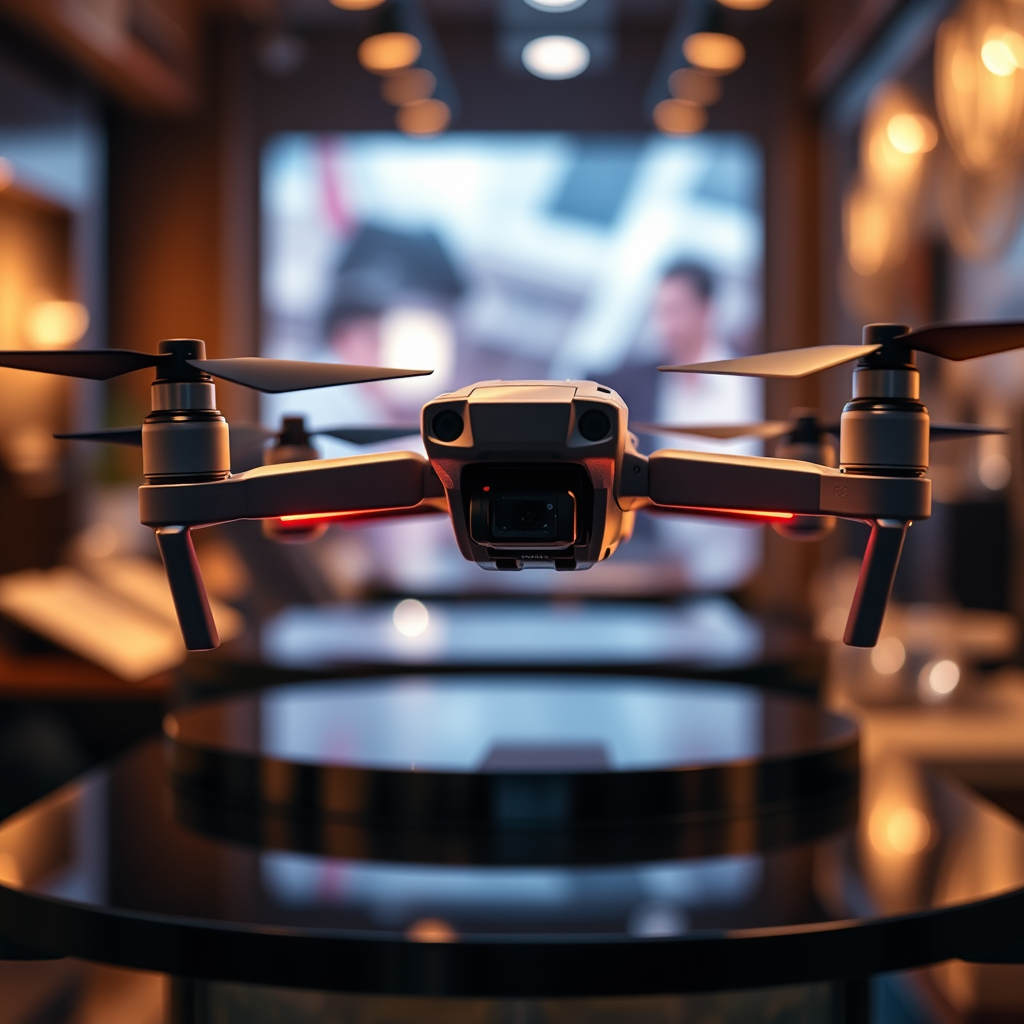
FPV (First-Person View) drones can typically cover distances ranging from a few hundred meters to several kilometers, depending on various factors such as transmission technology, environmental conditions, and battery life. Understanding these limitations is crucial for both enthusiasts and professionals seeking to maximize their drone’s potential and ensure safe operation.
Understanding FPV Drone Range
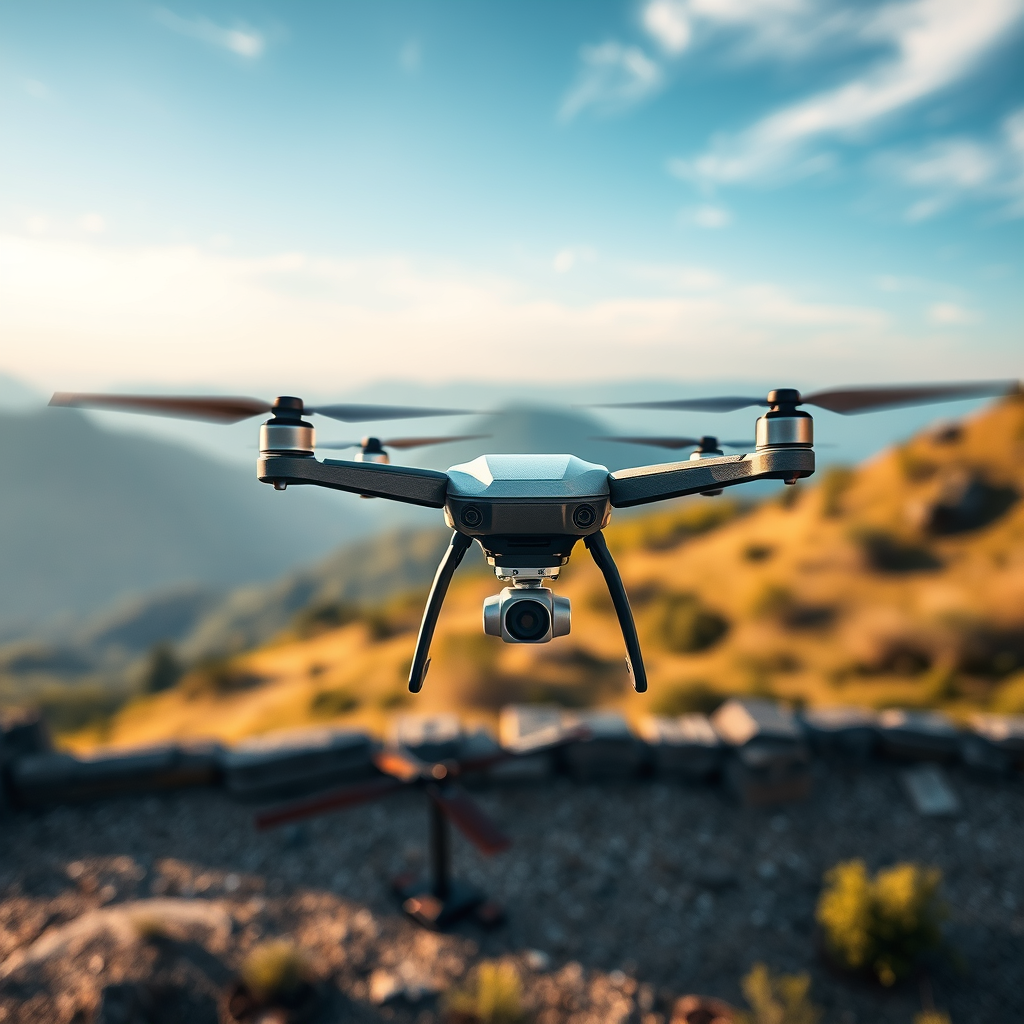
The range of FPV drones is primarily influenced by the transmission technology used to relay video and control signals between the drone and the pilot. There are two main types of transmission systems: analog and digital. Analog systems, while often preferred for their low latency in racing scenarios, typically offer shorter ranges, generally up to 1-2 kilometers. Conversely, digital systems, which provide higher quality video and improved signal resilience, can achieve ranges of 5-10 kilometers or more under optimal conditions. Most consumer FPV drones fall within this range, but achieving maximum distance is contingent upon a clear line of sight and minimal interference.
Additionally, the design and specifications of the drone itself play a vital role in its range capabilities. High-quality antennas, powerful transmitters, and robust receivers contribute to enhancing the overall performance and distance coverage of an FPV drone.
Factors Affecting Drone Distance
Several factors can significantly impact the effective distance of an FPV drone. Environmental obstacles such as buildings, trees, and other structures can obstruct signals, leading to reduced range. For instance, flying in urban environments with dense buildings can severely limit how far a drone can travel, whereas open rural areas often allow for much greater distances.
Moreover, interference from other electronic devices can also affect the drone’s signal strength. Common sources of interference include Wi-Fi networks, other drones, and even radio signals. Pilots should be aware of their surroundings and choose flight locations that minimize potential disruptions to ensure maximum operational range.
Weather conditions can further impact drone performance. Strong winds, rain, or heavy fog can not only affect flight stability but can also disrupt signal transmission, reducing effective range. Pilots should always check weather forecasts before planning long-distance flights.
Types of FPV Drones and Their Ranges
Different types of FPV drones are designed for specific purposes, and their ranges reflect these intended uses. Racing drones, for example, are typically engineered for short, high-speed flights. These drones often have a range of less than 1 kilometer, as their primary focus is on agility and speed rather than long-distance travel. Racing drones excel in competitive environments where quick maneuvers and rapid response times are crucial.
In contrast, long-range FPV drones are optimized for extended distances, frequently exceeding 10 kilometers. These drones are built with larger batteries, more efficient motors, and improved signal transmission systems. Applications for long-range drones include aerial photography, surveying vast areas, and even wildlife monitoring. An example of a long-range FPV drone is the DJI FPV, which can achieve impressive distances while providing high-quality video output.
Battery Life and Its Impact on Range
Battery life is a critical factor influencing how far an FPV drone can travel. The capacity of the battery, usually measured in milliampere-hours (mAh), directly affects flight time and, consequently, the distance a drone can cover. Most FPV drones have flight times ranging from 10 to 30 minutes, depending on battery size and drone weight.
For instance, a drone equipped with a 1300mAh battery may provide around 10 minutes of flight time, while a drone with a 4500mAh battery could achieve flight times of around 25 minutes. This variation can significantly affect operational range; longer flight times allow for extended distances, especially in applications like aerial surveying where staying airborne longer is advantageous.
Pilots can enhance battery life by investing in high-capacity batteries or utilizing energy-efficient flight techniques, such as maintaining a steady altitude and speed. Regular maintenance and ensuring batteries are fully charged before flights are also essential for optimizing range.
Legal Regulations on Drone Distance
Legal regulations concerning drone operation can limit how far drones can fly from the operator. In many countries, regulations mandate that drones must remain within the visual line of sight of the pilot, typically restricting flights to distances of no more than 500 meters to 2 kilometers, depending on local laws.
Understanding these regulations is crucial for safe and legal drone operation. Pilots should familiarize themselves with the laws governing drone use in their area, including any specific restrictions related to altitude, distance, and no-fly zones. Non-compliance with these regulations can lead to hefty fines and legal repercussions, thus emphasizing the importance of staying informed.
In the United States, the Federal Aviation Administration (FAA) has established specific guidelines, while the European Union has its own set of regulations. Therefore, pilots should consult the appropriate authorities and ensure they are operating their drones within the confines of the law.
Enhancing Your Drone’s Range
There are several strategies to enhance the range of FPV drones, allowing pilots to maximize their flight experiences. One effective method is upgrading antennas and transmitters. Higher-gain antennas can significantly improve signal strength and range, while advanced transmitters can provide clearer communication between the drone and the pilot.
Additionally, using high-capacity batteries can extend flight time, enabling longer distances. Pilots should consider investing in lightweight batteries that provide a balance between power and weight, as excessive weight can reduce flight efficiency.
Another useful approach is to utilize range extenders, which amplify the signal and can help overcome some environmental obstacles. Furthermore, maintaining a clear line of sight and minimizing interference during flights will also contribute to achieving maximum range.
Real-World Applications of Long-Range FPV Drones
Long-range FPV drones have diverse applications across various fields, including mapping, surveying, and search and rescue operations. In agriculture, for instance, these drones can cover large expanses of farmland, providing farmers with valuable data on crop health and irrigation needs. Similarly, in environmental monitoring, long-range drones can be deployed to survey wildlife habitats or assess the impact of climate change over vast areas.
In search and rescue missions, long-range drones can cover extensive territories quickly, providing real-time video feeds to search teams and helping locate missing persons. Understanding the range capabilities of these drones enhances their effectiveness in practical applications, allowing professionals to utilize them for maximum impact.
In conclusion, the distance an FPV drone can travel varies greatly based on technology, environmental conditions, battery life, and regulatory constraints. By considering these factors, drone users can better plan their flights and take full advantage of their drone’s capabilities, whether for recreational or professional purposes. Investing in technology upgrades, understanding local laws, and enhancing battery life are all critical steps towards achieving optimal performance and expanding the horizons of FPV drone applications.
Frequently Asked Questions
What is the maximum distance an FPV drone can fly?
The maximum distance an FPV (First Person View) drone can fly varies significantly based on several factors, including its transmission technology, battery life, and the environment. Most consumer FPV drones can typically achieve distances between 1 to 5 miles under optimal conditions, while high-end models can reach up to 10 miles or more. However, regulatory restrictions and signal interference can limit these ranges, so it’s essential to check local laws and ensure a clear line of sight for safe operation.
How does the transmission system affect the range of FPV drones?
The transmission system plays a crucial role in determining how far an FPV drone can go. Drones equipped with analog video transmission generally have shorter ranges, usually around 1 to 2 miles, due to their susceptibility to signal loss and interference. In contrast, drones using digital transmission systems, such as DJI’s OcuSync, can achieve longer ranges, often exceeding 5 miles, while providing better image quality and reduced latency. Choosing the right transmission system is vital for maximizing your drone’s flying distance.
Why do some FPV drones have limited flight distances?
Some FPV drones have limited flight distances due to a combination of factors, including battery capacity, motor efficiency, and antenna design. Lower-end models may use less powerful batteries that drain quickly, limiting flight time and distance. Additionally, the quality of the drone’s antennas can impact signal strength and range; inferior antennas may result in weaker transmission, reducing how far the drone can effectively communicate with the pilot. Understanding these aspects can help you select a drone that meets your range requirements.
What tips can help maximize the distance of my FPV drone?
To maximize the distance of your FPV drone, consider upgrading your antennas to high-gain options, which can enhance signal strength and extend range. Additionally, ensure that your drone is well-maintained—check battery health and propeller condition, as these factors can impact flight performance. Flying in open areas away from obstructions and interference, such as buildings or tall trees, further improves range. Lastly, flying at a higher altitude can reduce ground interference and enhance signal clarity.
Which FPV drones are known for their long-range capabilities?
Several FPV drones are renowned for their long-range capabilities, making them ideal for enthusiasts looking to maximize their flying distance. The DJI FPV Drone, equipped with OcuSync technology, can reach distances of up to 10 kilometers (about 6.2 miles) while providing a stable connection and high-quality video feed. Other popular options include the Eachine Wizard X220 and the Holy Stone HS720, both of which offer solid performance and range for intermediate to advanced pilots. When choosing a long-range FPV drone, consider factors such as battery life, transmission system, and user reviews to make an informed decision.
References
- https://en.wikipedia.org/wiki/Drone_racing
- https://www.faa.gov/uas/
- https://www.reuters.com/technology/drones-are-useless-without-strong-connection-2021-09-14/
- https://www.npr.org/sections/money/2021/09/01/1018205516/how-far-can-drones-fly
- https://www.techrepublic.com/article/how-far-can-drones-really-fly/
- https://www.sciencedirect.com/science/article/pii/S221313881830125X
- https://www.cnet.com/tech/mobile/how-far-can-drones-fly/
- https://www.bbc.com/future/article/20200713-how-drones-are-changing-the-way-we-live
- https://www.dronepilotgroundschool.com/drone-range/
- https://www.ncbi.nlm.nih.gov/pmc/articles/PMC8266635/
