
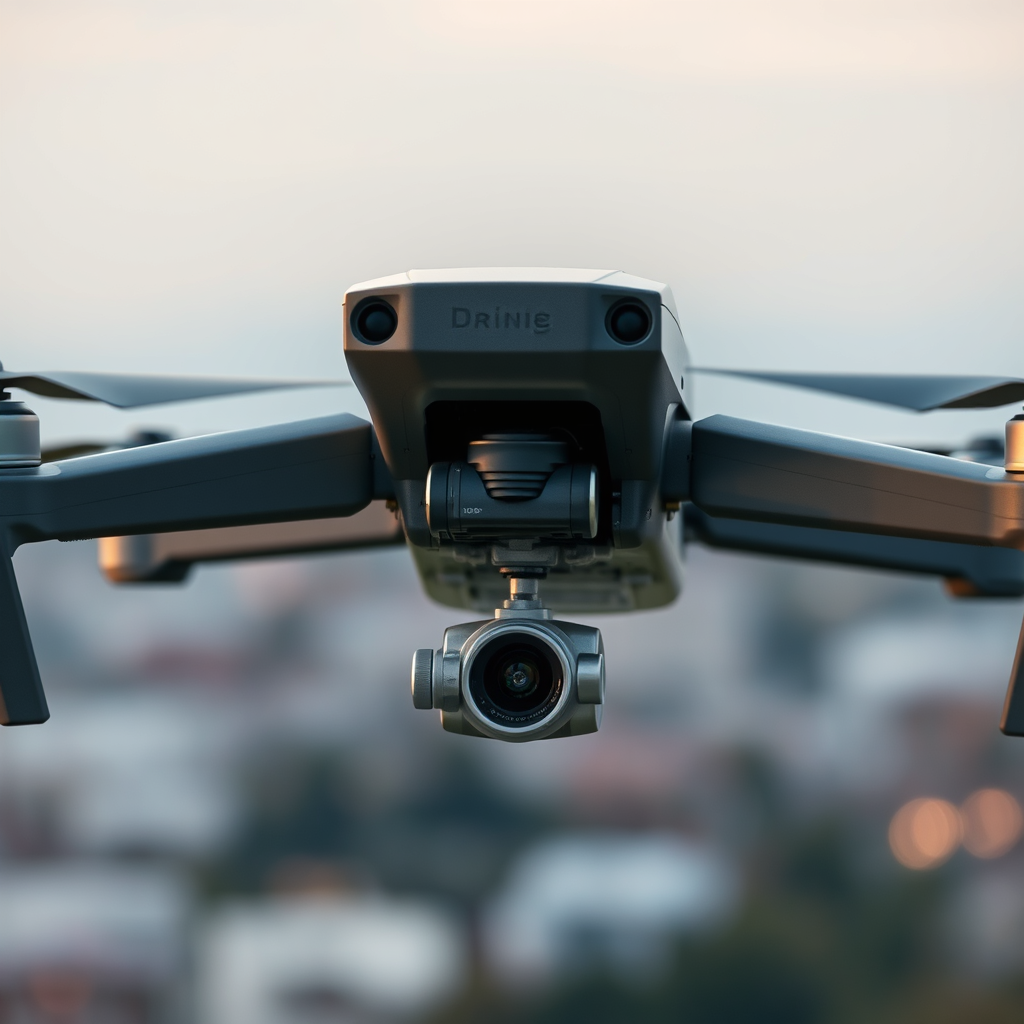
Military drones can fly varying distances depending on their design and purpose, with some models reaching over 1,000 miles. The operational range of military drones is influenced by multiple factors, including their type, fuel efficiency, payload capacity, and technological enhancements. As advancements in drone technology continue, understanding these variables can provide critical insights into the strategic value of unmanned aerial vehicles (UAVs) in modern warfare.
Overview of Military Drone Types
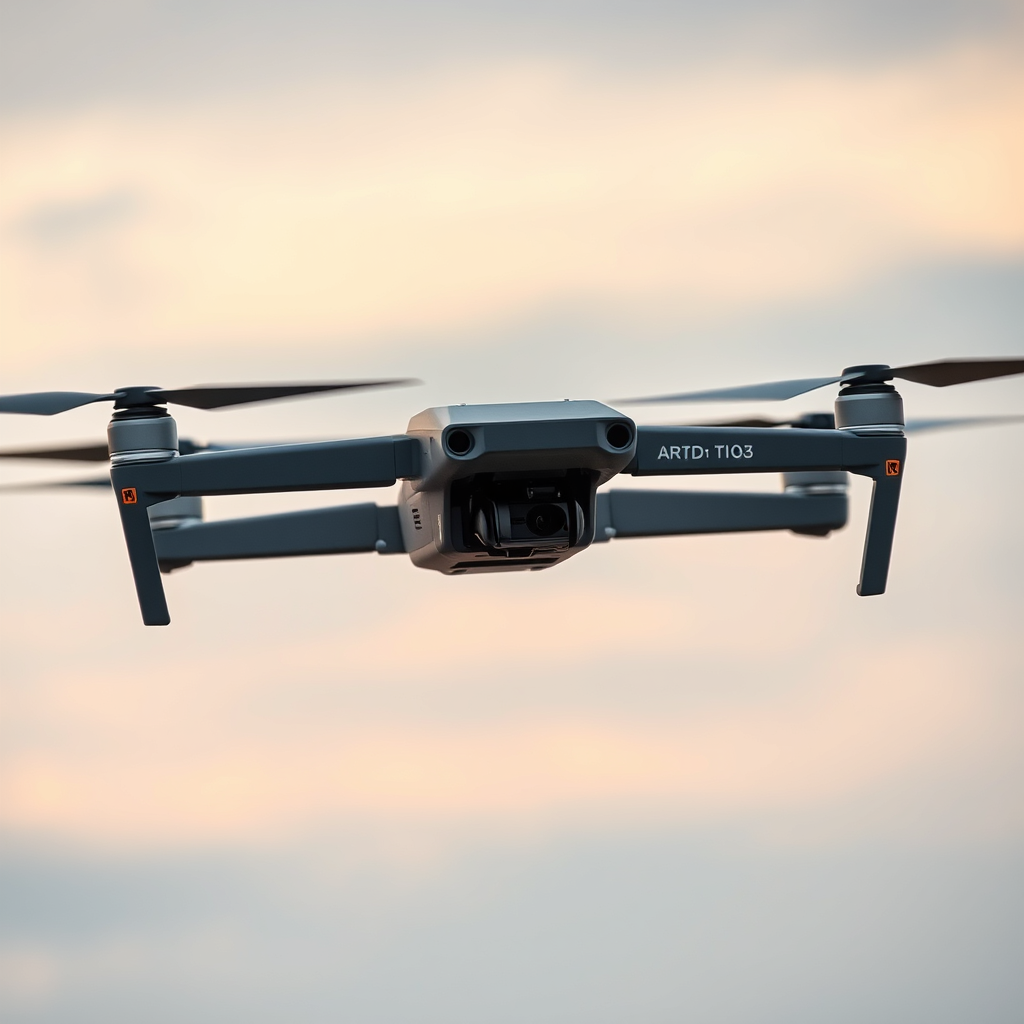
Military drones can be categorized primarily into three types: Unmanned Aerial Vehicles (UAVs), Medium Altitude Long Endurance (MALE) drones, and High Altitude Long Endurance (HALE) drones.
UAVs encompass a broad range of aircraft that operate without a pilot on board. They vary widely in size, capability, and mission. MALE drones, such as the MQ-1 Predator, are designed for missions that require sustained surveillance and precision strikes. Typically, they can operate at altitudes between 10,000 to 30,000 feet and have a range of approximately 1,150 miles.
HALE drones, including the RQ-4 Global Hawk, are built for high-altitude, long-endurance missions, often reaching altitudes above 60,000 feet. These drones boast ranges exceeding 12,000 miles, allowing them to conduct extended reconnaissance and intelligence-gathering missions across vast areas. The specific operational range and mission profile of each drone type are tailored to meet distinct military requirements, from reconnaissance to targeted strikes.
Factors Affecting Flight Range
Several critical factors influence the flight range of military drones, with fuel capacity and efficiency being paramount. The amount of fuel a drone can carry directly affects how far it can travel before needing to refuel. Drones designed for long-range missions often employ advanced engines that maximize fuel efficiency, allowing for extended flight durations without sacrificing performance.
Payload weight is another significant factor impacting distance capabilities. Military drones often carry various payloads, including cameras, sensors, and weapons systems. The heavier the payload, the more fuel is required for flight, which can reduce the overall range. Therefore, military planners must carefully consider the drone’s mission objectives against the weight of its payload to optimize operational efficiency.
Advanced Technologies Enhancing Range
Recent advancements in technology have significantly enhanced the range and operational capabilities of military drones. One notable innovation is the integration of satellite communication systems, which allows drones to maintain control and relay data over long distances. This technology enables real-time communication between operators and drones even when they are far beyond line-of-sight.
Furthermore, innovations in battery technology and solar power have contributed to extending flight ranges. Some military drones are now equipped with hybrid propulsion systems that utilize both traditional fuel sources and electric power from high-capacity batteries or solar panels. This dual approach not only extends the operational range but also reduces the frequency of refueling, increasing mission flexibility.
Notable Military Drones and Their Ranges
Several military drones have set benchmarks in terms of range and capabilities. The MQ-9 Reaper is one of the most recognized military drones, designed for precision strikes and surveillance. It has an operational range of about 1,150 miles and can remain airborne for up to 14 hours. The Reaper’s versatility makes it a critical asset in both reconnaissance and combat scenarios.
In contrast, the RQ-4 Global Hawk exemplifies the capabilities of HALE drones. With an operational range exceeding 12,000 miles and the ability to fly at altitudes of 60,000 feet, it can cover vast geographic areas without the need for frequent refueling. This allows military forces to conduct extensive surveillance missions over hostile territories, gathering intelligence crucial for strategic planning.
When comparing these two models, it is evident that while the Reaper excels in combat missions, the Global Hawk is unparalleled in long-range reconnaissance. Each drone serves distinct purposes, highlighting the importance of diverse capabilities within a military’s UAV arsenal.
Strategic Implications of Drone Range
The extended flight capabilities of military drones have profound implications for military strategy. Drones enable forces to conduct operations with greater reach and precision, allowing for real-time intelligence gathering and rapid response to emerging threats. Their ability to remain airborne for extended periods enhances situational awareness on the battlefield, contributing to informed decision-making.
In combat operations, drones can engage targets with precision, reducing collateral damage and increasing mission effectiveness. The ability to strike from a distance without putting pilots at risk is a game-changer in modern warfare. Additionally, their use in surveillance missions helps maintain a strategic advantage by monitoring enemy movements and activities, thereby influencing the overall dynamics of military engagements.
Future Trends in Military Drone Ranges
Looking ahead, research into hybrid propulsion systems holds promise for further enhancing the range and capabilities of military drones. These systems combine traditional fuel sources with innovative technologies, such as electric engines powered by advanced batteries or solar energy. Such developments could lead to drones capable of flying longer distances while carrying heavier payloads.
Moreover, advancements in autonomous flight capabilities are expected to revolutionize the operational scope of military drones. As artificial intelligence and machine learning technologies evolve, drones may become more capable of conducting complex missions independently, further extending their operational ranges and effectiveness.
Predictions suggest that future military drones could achieve ranges exceeding 20,000 miles, significantly altering the landscape of aerial warfare. These advancements will likely lead to more efficient reconnaissance and combat capabilities, further embedding drones as essential components of military strategy.
In conclusion, understanding how far military drones can fly is crucial for grasping their strategic value in modern warfare. Various factors, including drone type, fuel efficiency, and technological advancements, play a significant role in determining their operational range. As technology continues to advance, we can expect even greater ranges and capabilities from these unmanned systems. Staying informed about the latest developments in military drone technology will be essential for military planners and strategists in the years to come.
Frequently Asked Questions
How far can military drones fly on a single mission?
The flight range of military drones varies significantly depending on the type and model. For instance, the MQ-9 Reaper has a range of approximately 1,150 miles (1,850 kilometers), while larger drones like the Global Hawk can cover distances exceeding 12,000 miles (19,300 kilometers) without needing to refuel. These impressive ranges allow military drones to conduct extensive surveillance and reconnaissance missions far from their launch points.
What factors influence the range of military drones?
Several factors can affect the flight range of military drones, including their design, payload capacity, and propulsion systems. Environmental conditions such as wind speed and altitude also play a crucial role in determining how far a drone can travel. Additionally, mission parameters, such as the need for loitering or endurance, can impact the overall operational range during a flight.
Why do military drones have different flight ranges?
Military drones are designed for various purposes, leading to differences in their flight ranges. Some drones, like the MQ-1 Predator, prioritize endurance and intelligence-gathering capabilities, while others, such as the MQ-9 Reaper, are built for strike missions with substantial payload capacity. This specialization results in varying ranges, tailored to the specific operational needs of the military.
Which military drones have the longest flight range?
Among military drones, the Northrop Grumman RQ-4 Global Hawk is known for its exceptional flight range, capable of flying over 12,000 miles (19,300 kilometers). Other notable drones with extensive range include the MQ-9 Reaper and the Boeing Insitu RQ-21 Blackjack. These long-range capabilities enable sustained surveillance and data collection over vast areas, making them invaluable for military operations.
How do military drones maintain communication over long distances?
Military drones maintain communication over long distances through satellite systems and advanced data links, allowing operators to control the drone and receive real-time information from various sensors. Enhanced communication technologies, such as Line-of-Sight (LOS) and Beyond-Line-of-Sight (BLOS) systems, ensure a stable connection, even when operating thousands of miles away from the base. This capability is crucial for effective mission execution and situational awareness in military operations.
References
- https://en.wikipedia.org/wiki/Military_drone
- https://www.nytimes.com/2021/05/17/us/military-drones.html
- https://www.reuters.com/technology/military-drones-their-use-and-potential-2021-06-21/
- https://www.military.com/equipment/drones.html
- https://www.faa.gov/uas/
- https://www.rand.org/research/projects/airborne-robotics.html
- https://www.armytimes.com/2021/04/02/the-us-armys-historic-drone-fleet-what-you-need-to-know/
