

Military drones can typically fly distances ranging from 10 to 1,500 miles, depending on their design, purpose, and technology. These advanced unmanned aerial vehicles (UAVs) play a pivotal role in modern military operations, providing capabilities that enhance reconnaissance, surveillance, and combat effectiveness. As technology continues to evolve, the flight range of military drones is expanding, allowing for operational flexibility and strategic advantages in various combat scenarios. This article explores the various factors influencing the flight range of military drones, including specific models, their operational capabilities, and advancements in drone technology.
Understanding Drone Types and Their Ranges
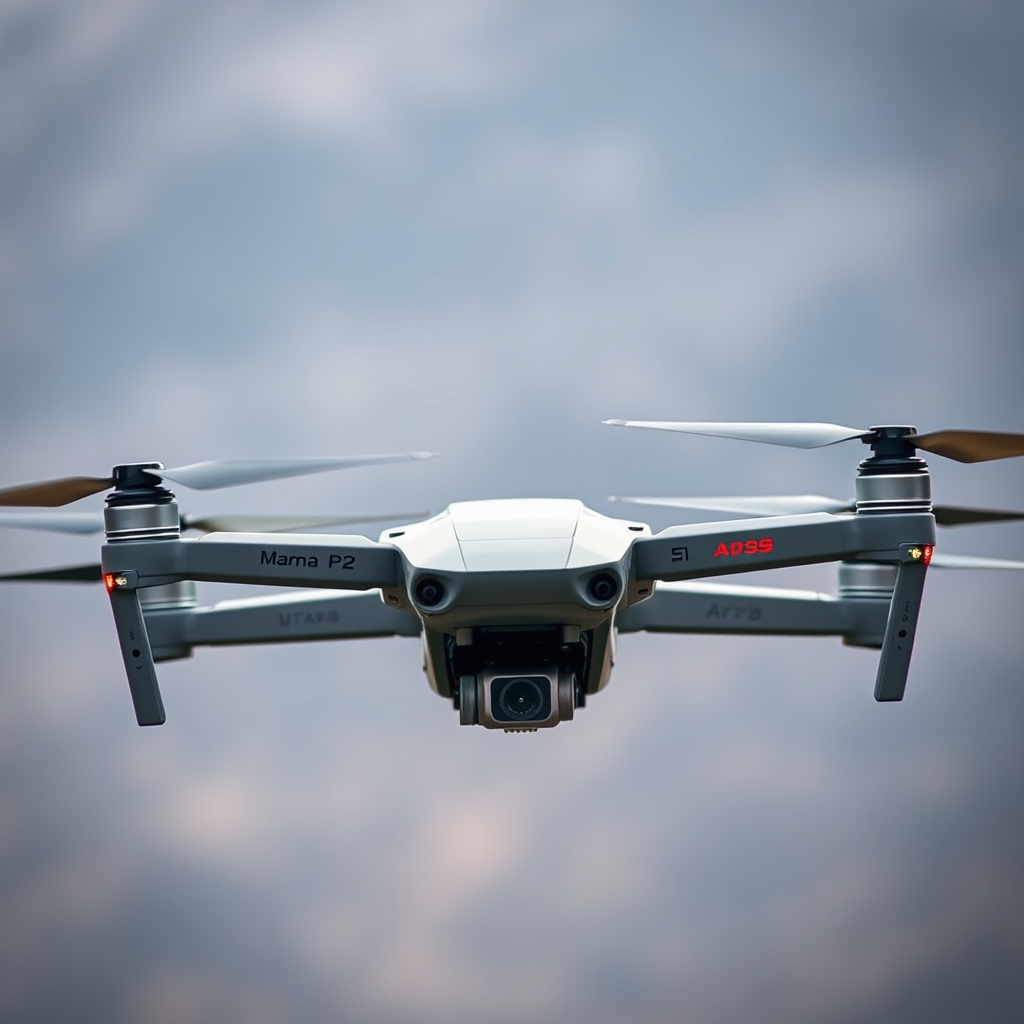
Military drones can be broadly classified into two main categories: Unmanned Aerial Vehicles (UAVs) and Unmanned Combat Aerial Vehicles (UCAVs). UAVs are primarily used for surveillance and reconnaissance missions, while UCAVs are designed for offensive operations, including airstrikes. The range of these drones can vary significantly based on their intended function and design specifications.
For instance, reconnaissance drones like the RQ-4 Global Hawk are engineered for long-endurance missions and can remain airborne for extended periods, effectively covering vast geographical areas. In contrast, tactical drones like the RQ-11 Raven are optimized for short-range operations, typically limited to a few kilometers. Some specialized drones, such as the MQ-9 Reaper, have been designed with greater endurance and range capabilities, making them suitable for both surveillance and strike operations.
Moreover, the operational range is not merely a function of design; it is also influenced by mission profiles, payload requirements, and the need for real-time data transmission. As military strategies evolve, the demand for drones capable of covering longer distances is increasingly paramount.
Key Factors Influencing Flight Range
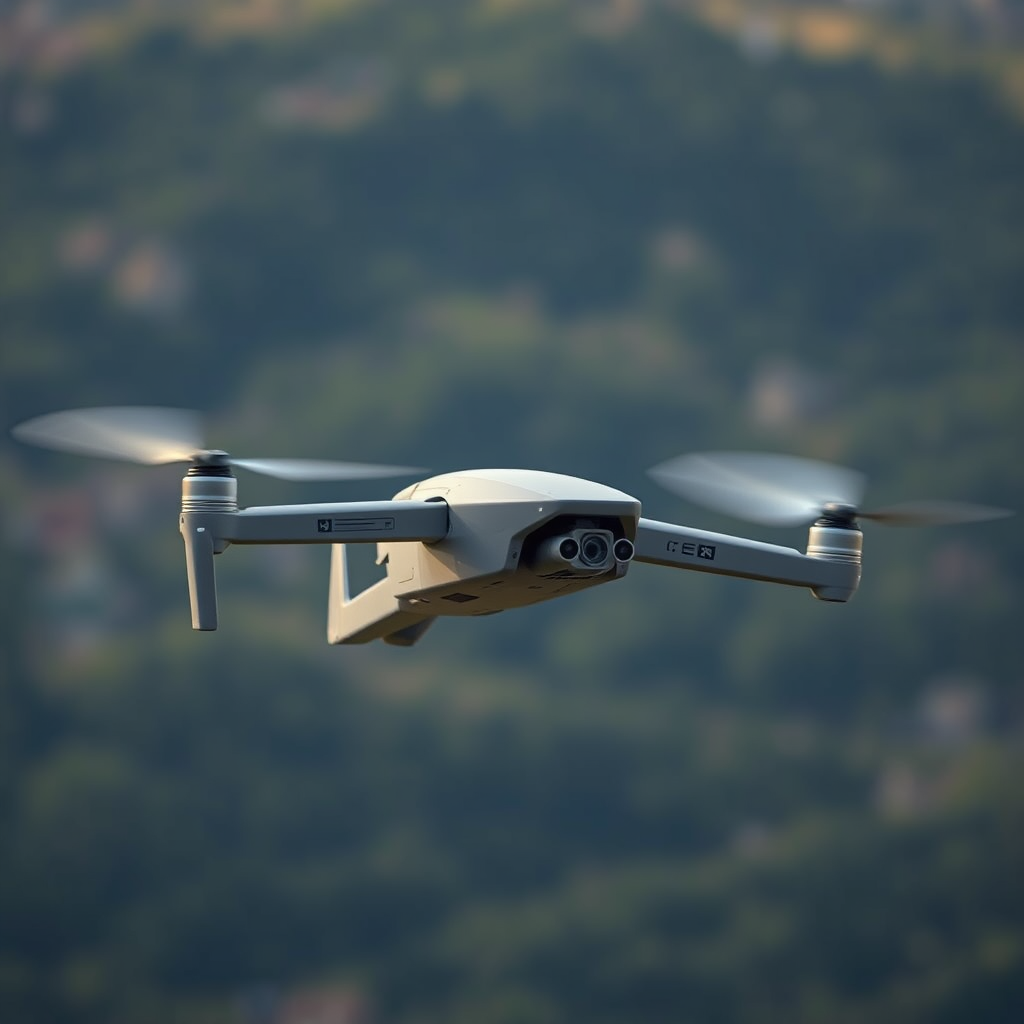
Several critical factors influence the flight range of military drones, with payload capacity and environmental conditions being the most significant. The payload capacity, which refers to the weight of the equipment a drone can carry, directly affects fuel consumption. A heavier payload typically results in increased fuel usage, thereby reducing the drone’s operational range. This relationship necessitates careful consideration when designing mission profiles to ensure that drones can achieve their objectives without compromising range.
Weather conditions also play a crucial role in drone performance. Adverse weather, such as high winds, rain, or fog, can impede a drone’s ability to operate effectively, potentially reducing its range. Additionally, altitude can impact performance; drones operating at higher altitudes may encounter less air resistance, allowing for more efficient flight, while those flying at lower altitudes may be subject to denser air, which can hinder their capabilities.
The integration of advanced navigation systems can mitigate some of these challenges, enabling drones to adapt to varying conditions while optimizing their operational range.
Notable Military Drone Models and Their Specifications
Among the multitude of military drones, a few stand out due to their exceptional specifications and capabilities. The MQ-1 Predator, a well-known UAV, has a flight range of approximately 770 miles. Its design allows for both reconnaissance and limited strike capabilities, making it a versatile asset in the field.
In stark contrast, the RQ-4 Global Hawk UAV boasts a remarkable flight range of over 12,000 miles. This drone is primarily used for high-altitude, long-endurance missions and is equipped with sophisticated sensors that provide extensive surveillance capabilities. The Global Hawk’s ability to cover vast distances makes it an invaluable tool for intelligence-gathering operations.
Another noteworthy model is the MQ-9 Reaper, which has an operational range of about 1,150 miles. As a UCAV, it is designed for both surveillance and precision strike missions, capable of carrying a significant payload of munitions while maintaining a considerable flight range. These specifications underscore the diversity and capability of military drones, illustrating how different models are tailored to meet specific operational requirements.
Advances in Drone Technology
Technological advancements are continually reshaping the landscape of military drone capabilities, particularly in terms of flight range. Innovations in battery life and fuel efficiency have led to the development of drones that can fly longer distances without the need for frequent refueling or recharging. For instance, improvements in lithium-polymer and hybrid propulsion systems are enabling longer endurance flights, which are critical for extended missions.
Furthermore, the integration of satellite communication systems is enhancing the navigation and control capabilities of military drones. These systems allow for real-time data transmission and command, enabling operators to maintain control over vast distances. The use of advanced algorithms for route optimization also helps extend operational ranges by determining the most efficient flight paths based on current conditions.
As research continues, the potential for hybrid and solar-powered drones could further revolutionize flight capabilities. These innovations promise to extend range significantly, reducing the logistical challenges associated with traditional fuel-based systems while enhancing sustainability in military operations.
Strategic Importance of Range in Military Operations
The flight range of military drones is not just a technical specification; it holds strategic significance in the context of modern warfare. Longer flight ranges enable extended reconnaissance and surveillance missions, allowing military forces to gather critical intelligence over vast areas without the need for ground-based assets. This capability is particularly advantageous in areas where traditional reconnaissance methods may be limited or too dangerous.
Additionally, greater operational distances enhance rapid response capabilities in various combat scenarios. Drones with extensive ranges can be deployed quickly to respond to emerging threats or support ground forces, providing tactical advantages that can influence the outcome of engagements. The ability to project power over long distances without the risk to human life is a defining characteristic of modern military strategy.
As military operations become increasingly complex, the importance of having drones capable of operating at extended ranges cannot be overstated. These capabilities allow for greater operational flexibility and effectiveness in a variety of mission profiles.
Future Trends in Military Drone Ranges
Looking ahead, several trends are poised to shape the future of military drone ranges. Ongoing research into hybrid and solar-powered drones holds the potential to significantly extend flight capabilities, allowing for longer missions without the limitations of traditional fuel sources. These innovations could lead to drones capable of sustained operations over weeks or even months, fundamentally altering how military planners approach aerial operations.
Furthermore, advancements in artificial intelligence and machine learning are expected to enhance the autonomy of drones, enabling them to perform complex missions with minimal human oversight. This increased autonomy could allow drones to adapt to changing conditions in real-time, optimizing their routes and strategies to maximize range and effectiveness.
In addition, there is an ongoing effort to reduce the logistical challenges associated with drone operations. Innovations in drone refueling techniques, such as aerial refueling systems, aim to allow drones to extend their ranges further without returning to base. This development could drastically alter operational planning and execution in future military engagements.
In conclusion, understanding how far military drones can fly is essential for grasping their operational capabilities and strategic importance in modern warfare. The range of military drones varies significantly depending on their design, purpose, and advancements in technology. As innovation continues to drive the development of these aerial assets, the ranges of military drones are expected to increase, enhancing their effectiveness across a spectrum of missions. Staying informed about the latest developments in military drone technology and their implications will be crucial for military professionals and analysts alike.
Frequently Asked Questions
What is the maximum range of military drones?
The maximum range of military drones varies significantly depending on the type and model. For instance, smaller tactical drones like the RQ-11 Raven have a range of about 10 kilometers, while larger surveillance drones like the MQ-9 Reaper can fly up to 1,600 kilometers. Advanced drones equipped with satellite communication systems can potentially extend their operational range even further, allowing for missions that cover vast geographic areas.
How do military drones maintain communication over long distances?
Military drones maintain communication over long distances through a combination of radio frequency and satellite communication systems. This dual approach ensures that drones can receive real-time data and instructions from operators, even when flying beyond the line of sight. The use of secure and encrypted communication channels also enhances the operational effectiveness and security of drone missions, making them less vulnerable to interception.
Why do military drones have varying flight ranges?
The flight range of military drones varies based on several factors, including design, purpose, payload capacity, and power source. Tactical drones are designed for short-range reconnaissance missions, while strategic drones are built for long-endurance surveillance and strike capabilities. Additionally, the type of fuel or battery technology used can influence the drone’s ability to sustain longer flights, making some models more adept for extended missions than others.
What are the best military drones for long-range missions?
Some of the best military drones for long-range missions include the MQ-9 Reaper, which is renowned for its endurance and advanced capabilities, and the Global Hawk, which can cover vast distances while gathering intelligence. The Bayraktar TB2 is also notable for its balance between range and payload capacity, making it effective for both surveillance and strike missions. These drones are specifically designed to operate over long distances, providing military forces with the ability to conduct extensive reconnaissance and targeted strikes.
Which factors affect the operational range of military drones?
Several factors affect the operational range of military drones, including atmospheric conditions, payload weight, battery life, and power management systems. Adverse weather conditions can hinder a drone’s performance, leading to reduced range. Additionally, the weight of the payload directly impacts flight efficiency; heavier loads can decrease endurance and limit the distance a drone can effectively travel. Understanding these factors is crucial for military strategists when planning drone operations.
References
- https://en.wikipedia.org/wiki/Military_drone
- https://www.bbc.com/news/world-us-canada-58306353
- https://www.army.mil/article/238840/army_drones_101_what_you_need_to_know
- https://www.reuters.com/technology/us-military-drones-are-getting-bigger-more-capable-2021-10-26/
- https://www.cnas.org/publications/reports/the-future-of-drones-in-the-us-military
- https://www.rand.org/pubs/research_reports/RR3043.html
- https://www.airforce.com/drones
- https://www.nytimes.com/2021/09/02/us/military-drones.html
- https://www.defense.gov/Explore/Spotlight/Unmanned-Systems/
