
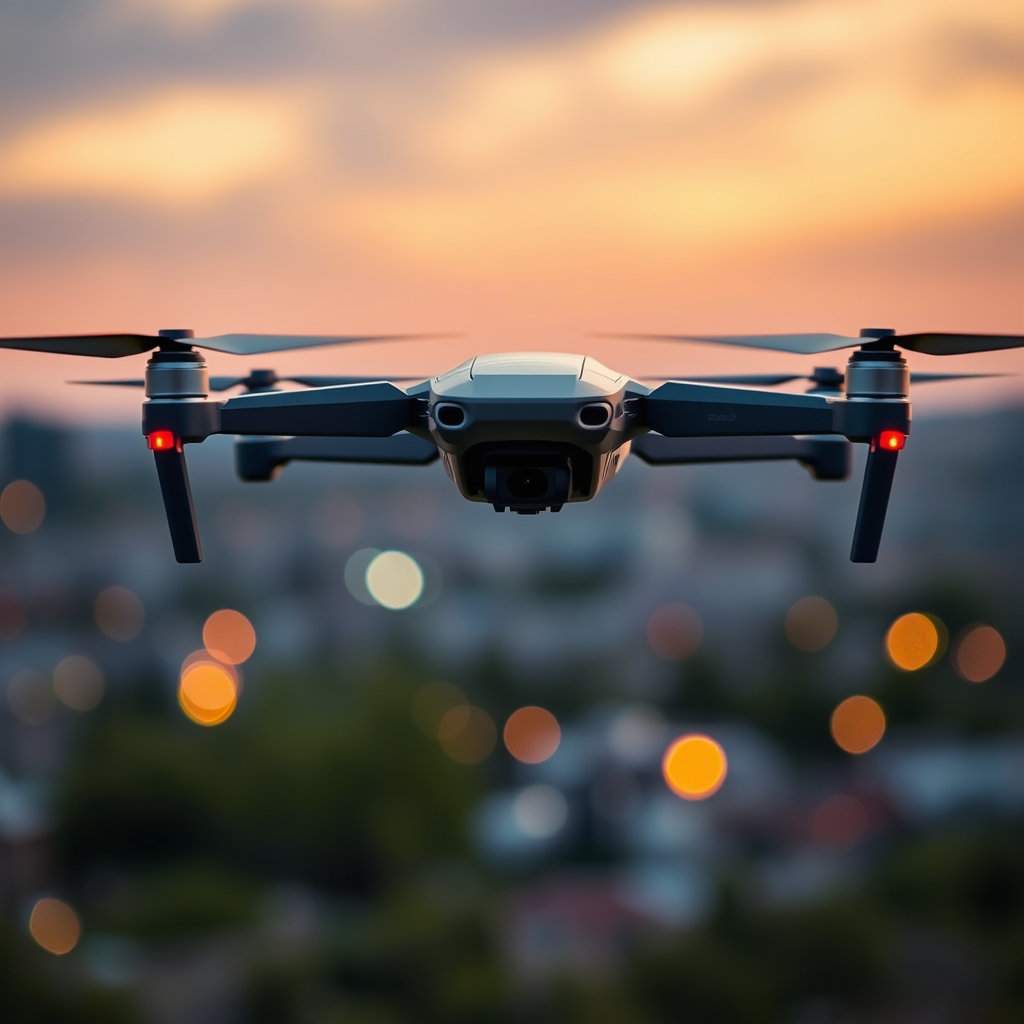
Drones can fly impressive distances, with the best models capable of reaching ranges of up to 10 miles or more, depending on various factors. The ability to cover extensive areas makes them invaluable for applications ranging from aerial photography to agricultural monitoring. In this article, we’ll explore the capabilities of top drones, the technology behind their flight range, and practical tips for maximizing distance. By understanding these elements, drone enthusiasts and professionals alike can make informed decisions for their aerial ventures.
Understanding Drone Flight Range
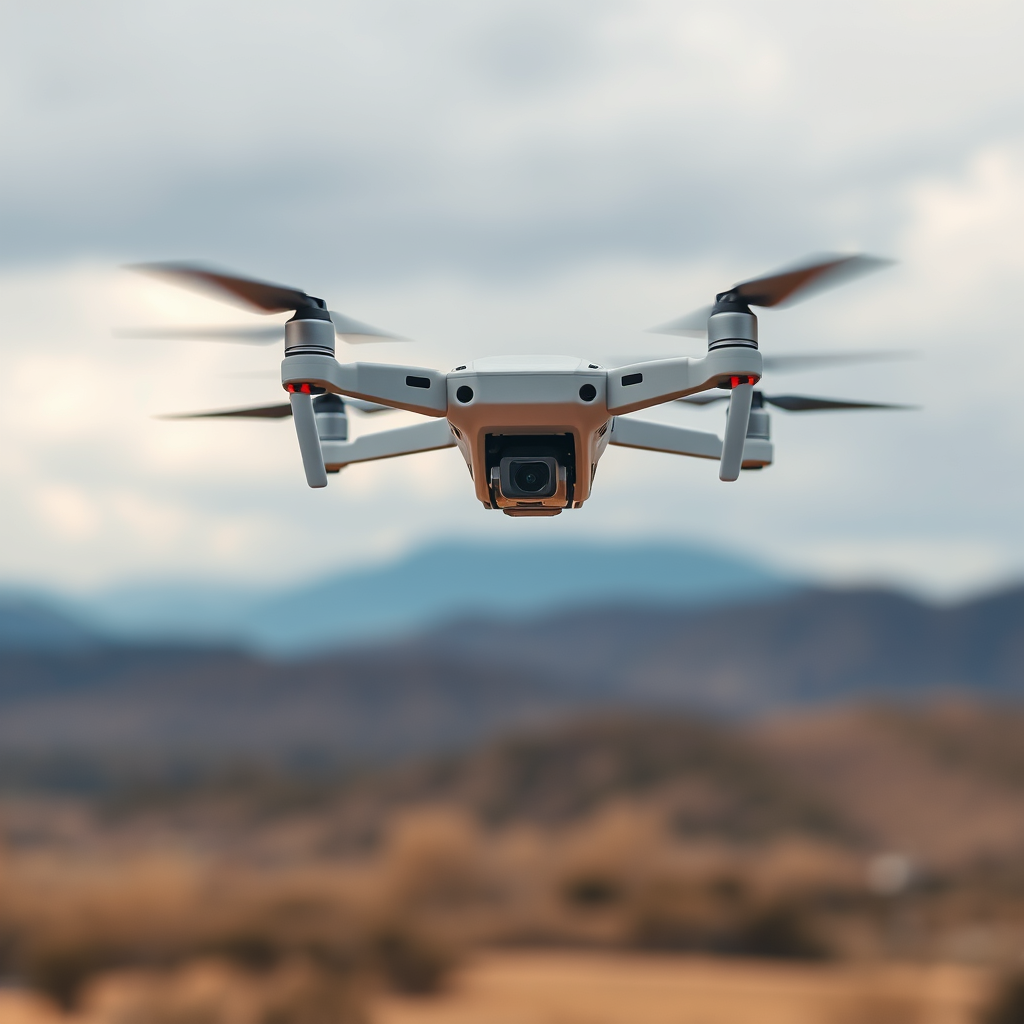
Flight range varies significantly among different drone models, influenced by several crucial factors. To start, the battery life of a drone directly impacts how long it can remain airborne, thus determining how far it can travel. A drone with a higher-capacity battery can sustain longer flights, enabling it to cover more ground. Additionally, signal strength plays a vital role; drones rely on radio signals for communication with the pilot’s remote control, and any interference can lead to reduced effective range. Environmental conditions, such as wind, altitude, and obstacles, also significantly affect flight distance. Understanding these variables is essential for optimizing drone usage, especially for commercial applications where distance and reliability are paramount.
Top Drones with Exceptional Range
When it comes to drones with exceptional flight range, several models stand out due to their advanced technology and capabilities.
– DJI Mavic 3: This drone is renowned for its advanced transmission technology, allowing it to achieve flight distances of up to 15 kilometers (approximately 9.3 miles) under optimal conditions. Equipped with a robust camera system, the Mavic 3 is ideal for professional photographers and videographers seeking to capture high-quality aerial images from significant distances.
– Autel Robotics EVO Lite: Offering a solid range of around 7.4 miles, the EVO Lite combines an impressive flight distance with high-quality imaging capabilities. This drone is equipped with a 1-inch CMOS sensor, allowing it to perform well even in low-light conditions, making it a versatile choice for a variety of applications, including landscape photography and surveillance.
These drones highlight the balance between distance and functionality, making them suitable for both hobbyists and professionals who require reliable performance over long distances.
Factors Affecting Flight Distance
Several factors distinctly influence drone flight distance, ranging from technical specifications to environmental elements.
– Battery Life: The correlation between battery life and flight distance is straightforward—longer-lasting batteries provide more extended flight times. Most high-end drones feature lithium-polymer (LiPo) batteries that can last anywhere from 20 to 40 minutes, depending on usage. Investing in a drone with a powerful battery can significantly enhance your flying experience.
– Signal Interference: Urban environments, with their tall buildings and dense infrastructure, can disrupt the radio signals that drones rely on for communication. This interference can lead to reduced effective flight ranges, often necessitating flight in less congested areas for optimal performance. Additionally, the frequency band used by the drone can impact its susceptibility to interference; 2.4GHz bands are more crowded but provide longer-range capabilities, while 5.8GHz bands offer less range but better resistance to interference.
Understanding these factors allows drone operators to plan their flights more effectively, ensuring they can maximize the potential of their equipment.
Technology Behind Long-Distance Drones
The technology that enables long-distance drone flights is continually evolving, with several key innovations leading the charge.
– Enhanced RF Transmission: Many leading drone manufacturers have developed advanced radio frequency (RF) transmission systems that improve connectivity over greater distances. For instance, DJI’s OcuSync technology allows for a stable connection at distances of up to 10 kilometers. This technology also provides real-time video transmission, ensuring that pilots can maintain a clear view of what the drone is capturing even at significant distances.
– GPS and Navigation Systems: High-precision GPS systems are critical for maintaining stability and direction during long-distance flights. Modern drones are equipped with dual GPS systems that allow for more accurate positioning, which is essential for applications such as surveying and mapping. Enhanced navigation systems also facilitate features such as waypoint planning and automated return-to-home functions, further improving the efficiency and safety of long flights.
These technological advancements not only extend the flight range but also enhance the overall user experience, making drone operations more reliable and accessible.
Tips for Maximizing Drone Flight Range
To ensure you get the most out of your drone’s flight capabilities, consider the following tips:
– Use High-Capacity Batteries: Opt for drones that allow for the use of high-capacity batteries. Some models even offer the option to purchase additional batteries, which can be a worthy investment for extended flying sessions.
– Fly in Open Areas: To maintain a strong signal, it is advisable to fly your drone in open areas free from physical obstructions. Avoid flying near buildings, trees, or other structures that might interfere with signal transmission. Ideal locations include parks and rural areas where there are fewer obstacles.
– Check Weather Conditions: Wind and rain can significantly affect drone performance. Always check weather forecasts before flying and avoid taking off in adverse conditions, as this can reduce both battery life and control range.
By implementing these tips, drone operators can maximize their flying distance and enhance their overall experience.
Regulations and Limitations
While the capabilities of drones are impressive, it’s crucial to understand the regulations that govern their use.
– Local Regulations: Different countries and regions have specific regulations regarding drone flight range, maximum altitude, and no-fly zones. For instance, in the United States, the Federal Aviation Administration (FAA) mandates that drones should not fly above 400 feet and must remain within the operator’s line of sight. Understanding these regulations is essential to avoid legal issues and ensure safe flying practices.
– Manufacturer Restrictions: Additionally, manufacturers often impose limitations on flight distance as part of their safety protocols. These restrictions are designed to prevent loss of control and ensure that the drone operates within safe parameters. Always refer to the user manual and comply with any manufacturer guidelines regarding flight distance and other operational limits.
Being aware of these regulations not only promotes safety but also fosters responsible drone ownership and operation.
In conclusion, while the best drones can achieve remarkable flight distances, factors like technology, battery life, and environmental conditions play a crucial role. By understanding these elements and following best practices, drone enthusiasts can make informed decisions and optimize their flying experiences. Whether you are a hobbyist seeking to explore new heights or a professional looking to capture breathtaking images, knowing how far your drone can fly will help you leverage its capabilities to the fullest.
Frequently Asked Questions
What is the maximum flight range of the best consumer drones?
The maximum flight range of top-tier consumer drones typically varies between 4 to 8 kilometers (about 2.5 to 5 miles), depending on the model and environmental conditions. Drones like the DJI Mavic Air 2 can reach up to 10 kilometers (around 6.2 miles) under optimal conditions, utilizing advanced transmission systems to maintain a stable connection. Always check the manufacturer’s specifications for the exact range and ensure compliance with local regulations.
How does the battery life affect how far a drone can fly?
Battery life directly influences a drone’s flight distance, as longer flight times allow for greater travel ranges. Most high-quality drones offer flight times ranging from 20 to 40 minutes on a single charge, with flight distances limited by both battery capacity and the drone’s power consumption. Users should consider investing in additional batteries or portable charging solutions for extended flying sessions, particularly for aerial photography or surveying tasks.
Why do some drones have longer flight ranges than others?
The flight range of drones varies due to factors such as signal transmission technology, battery capacity, and the weight of the drone. Drones equipped with advanced communication systems, like OcuSync or Lightbridge, can maintain stronger connections over longer distances. Additionally, lightweight designs and efficient motors help optimize battery usage, allowing for longer flight ranges and better overall performance.
Which drones are considered the best for long-distance flying?
Some of the best drones for long-distance flying include the DJI Mavic 3, which boasts a range of up to 15 kilometers (9.3 miles), and the Autel Robotics EVO Lite, with a strong transmission range of approximately 7 kilometers (4.3 miles). These models not only offer extended flight distances but also incorporate advanced features such as obstacle avoidance and high-quality cameras, making them ideal for enthusiasts and professionals alike.
What factors should I consider for safe long-distance drone flying?
When planning for long-distance drone flights, consider factors such as local regulations, weather conditions, and the drone’s battery life and signal strength. Always fly within your line of sight and adhere to airspace restrictions to ensure safety and compliance. Additionally, pre-flight checks, including firmware updates and battery health assessments, can help mitigate risks and enhance the overall flying experience.
References
- https://en.wikipedia.org/wiki/Drone
- https://www.faa.gov/uas/recreational_fliers/
- https://www.nytimes.com/2021/04/07/technology/drones-flying-ranges.html
- https://www.sciencedirect.com/science/article/pii/S235197892100077X
- https://www.nasa.gov/feature/what-is-a-drone
- https://www.reuters.com/technology/what-you-need-know-about-drones-2021-04-05/
- https://www.wired.com/story/drone-range-what-you-need-to-know/
- https://www.techrepublic.com/article/the-future-of-drones-how-far-can-they-fly/
