

Most consumer drones can be controlled up to several miles away, depending on the model and environmental conditions. However, various factors can impact this range, from regulatory limitations to technical specifications. Understanding these nuances is essential for both hobbyists and professionals looking to maximize their drone’s potential and ensure compliance with applicable regulations. In this article, we will explore the different aspects that affect drone control range and provide insights into how to achieve optimal performance.
Understanding Drone Control Range
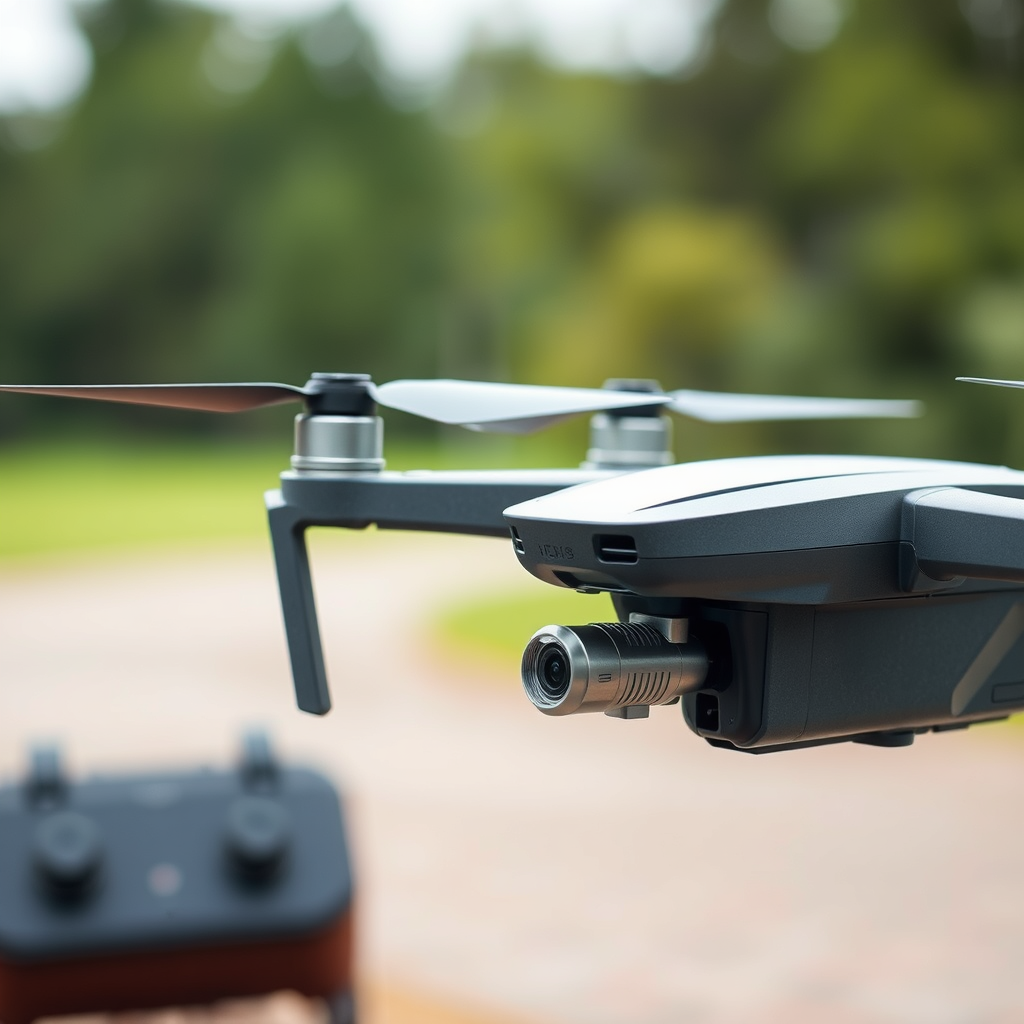
The range of consumer drones varies significantly, with typical control distances ranging from 1 to 7 miles. For example, the popular DJI Mavic Air 2 boasts an impressive range of approximately 6.2 miles under optimal conditions, while the DJI Phantom 4 Pro can reach up to 4.3 miles. Professional drones, designed for more demanding applications such as surveying or cinematography, may offer even greater ranges, sometimes exceeding 10 miles. These extended ranges are often facilitated by advanced communication technologies and enhanced signal processing capabilities, which are crucial for applications where maintaining a strong connection is paramount.
Factors Affecting Drone Range
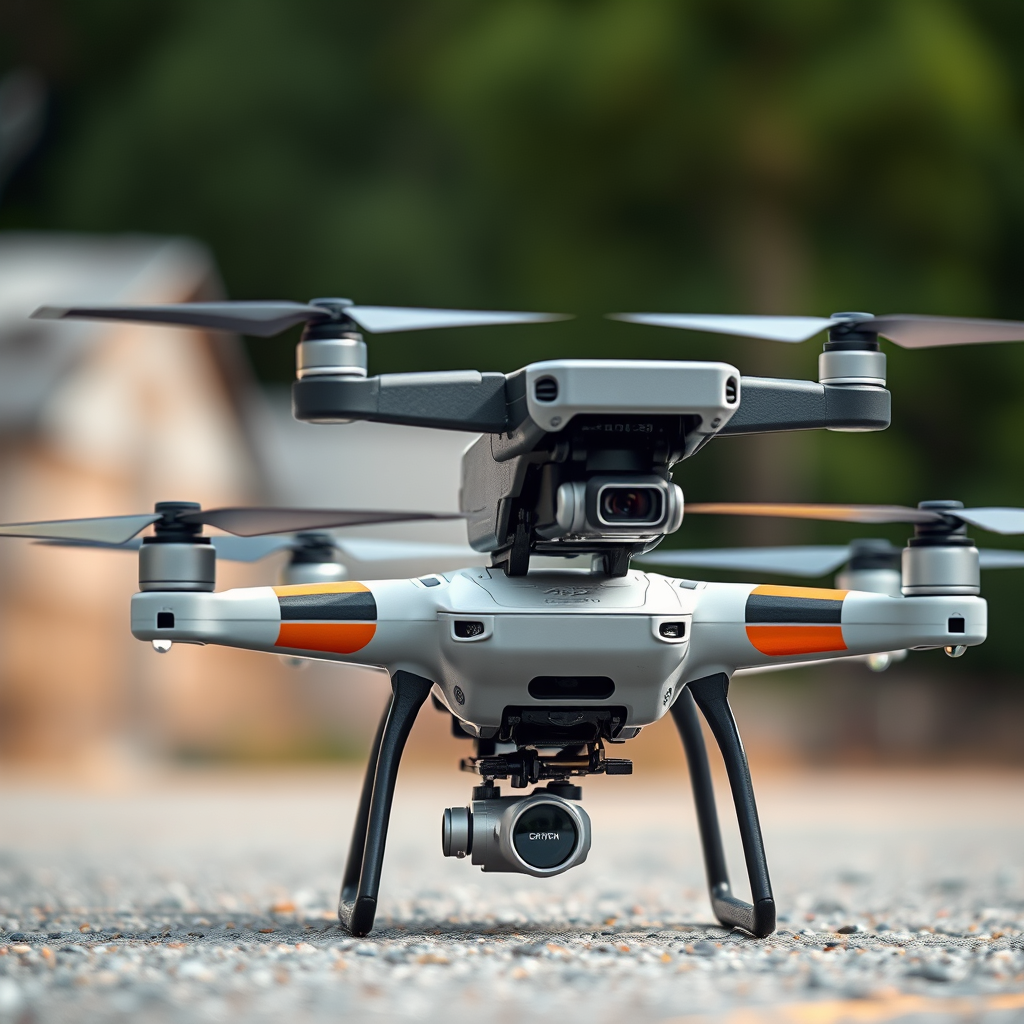
Several key factors can influence the effective range of a drone:
– Signal Strength: The quality and strength of the control signal are critical. Drones typically use either Wi-Fi or radio frequency (RF) signals to communicate with their controllers. A strong signal can extend range significantly, while a weak signal can lead to lost connections or compromised control.
– Interference: Environmental factors play a significant role in determining range. Physical obstacles such as buildings, trees, and hills can obstruct signals, while electronic interference from other devices—such as Wi-Fi networks or radio towers—can degrade communication quality. For instance, flying a drone in an urban area may present more challenges due to interference compared to an open rural landscape.
Types of Drones and Their Ranges
Understanding the type of drone you are using is fundamental to knowing its range capabilities:
– Consumer Drones: Models like the DJI Mavic series and the Phantom series are designed for aerial photography and recreational use. These drones typically feature impressive ranges, with many models capable of reaching distances of several miles under optimal conditions.
– Racing Drones: In contrast, racing drones are engineered for speed and agility rather than long-range control. These drones often have shorter ranges, usually limited to less than a mile, as their design prioritizes quick response times and maneuverability over signal strength. For example, a racing drone like the Eachine Wizard X220 may only fly effectively within 500-800 meters, making it ideal for closed-course racing.
Legal Considerations and Regulations
When it comes to drone operations, legal considerations are paramount:
– FAA Guidelines: In the United States, the Federal Aviation Administration (FAA) outlines regulations that affect how far you can legally fly your drone. Under Part 107 for commercial operations, pilots must maintain visual line of sight (VLOS) with their drone at all times, which practically limits the range to what is visible. Similar regulations exist in other countries, emphasizing compliance over extended flying distances.
– No-Fly Zones: Certain areas are designated as no-fly zones, which restrict drone operations. These zones can include airports, military bases, and populated urban areas. Understanding these restrictions and planning flights accordingly is essential for safe and legal drone operation.
Enhancing Your Drone’s Range
For those looking to extend their drone’s operational range, several strategies can be employed:
– Upgrading Antennas: Replacing stock antennas with high-gain options can improve signal transmission and reception, thereby extending control distances. Many hobbyists invest in aftermarket antennas designed specifically for their drone model to achieve this enhancement.
– Using Range Extenders: Range extenders or signal boosters can amplify the drone’s transmission signal and effectively increase its operational range. These devices act as intermediaries between the controller and the drone, ensuring a stronger connection over longer distances. However, it’s crucial to ensure that any modifications comply with local regulations.
Safety Considerations When Flying Far
While extending your drone’s range can be appealing, safety should always be a priority:
– Maintaining Line of Sight: It is crucial to keep the drone within your visual line of sight at all times, as stipulated by regulatory guidelines. This practice not only ensures compliance but also enhances safety by allowing you to observe the drone’s behavior and surroundings.
– Pre-flight Checks: Before embarking on long flights, conducting thorough pre-flight checks is essential. This includes verifying battery levels, ensuring that the firmware is updated, and inspecting the drone for any damage. A well-prepared drone is less likely to encounter issues during extended flights.
Future Developments in Drone Technology
The drone industry is rapidly evolving, and several developments are on the horizon that may further enhance range capabilities:
– Advances in Battery Life: Improvements in battery technology are expected to extend flight times, which could also increase the practical range of drones. Innovations such as lithium-sulfur batteries promise to deliver longer-lasting energy solutions.
– Enhanced Communication Technologies: Future drones may leverage advanced communication technologies, such as 5G networks, to improve signal strength and reliability. This could enable more consistent control over greater distances, opening up new possibilities for applications in fields like agriculture, infrastructure inspection, and search and rescue.
In summary, understanding how far you can control a drone involves navigating various technical and legal factors. By being aware of the range limits specific to your drone model, the environmental influences at play, and the regulatory framework governing drone operations, you can maximize your drone’s range effectively. Additionally, implementing best practices for safety and compliance will enhance the overall flying experience, whether you’re a hobbyist or a professional. As technology continues to advance, the potential for greater range and capability in drone operations is vast, offering exciting opportunities for innovation and exploration.
Frequently Asked Questions
How far can I control my drone using a standard remote controller?
The control range of a drone largely depends on the model and type of remote controller being used. Most consumer drones typically have a control range of about 1 to 4 kilometers (0.6 to 2.5 miles), while professional-grade drones can extend this range significantly, sometimes exceeding 10 kilometers (6.2 miles) with enhanced antennas and signal boosters. It’s crucial to check the specifications of your drone model to determine the exact control range and always adhere to local laws regarding drone operations.
What factors affect the control distance of my drone?
Several factors can impact the control distance of your drone, including the type of remote controller, the quality of the signal, environmental conditions, and obstacles. For instance, interference from buildings, trees, or other electronic devices can reduce the effective control range. Additionally, flying at higher altitudes or in open areas can improve signal strength and extend the control distance, allowing for a more reliable connection with the drone.
Why does my drone lose connection at a certain distance?
Drones may lose connection at a certain distance due to signal degradation caused by physical obstructions, such as trees, buildings, or hills, which can interfere with the radio waves. Other factors, such as electromagnetic interference from nearby devices or poor battery performance, can also contribute to signal loss. To minimize these issues, it’s advisable to maintain a direct line of sight with the drone and avoid flying in areas with high electromagnetic interference.
Which drones have the longest control range?
Drones equipped with advanced communication technology, such as OcuSync or Lightbridge, typically boast the longest control ranges. For example, models like the DJI Mavic Air 2 can reach up to 10 kilometers (6.2 miles), while the DJI Phantom 4 Pro can achieve similar distances. It’s essential to consider both the drone’s capabilities and the regulatory limits in your area when selecting a drone for long-range operations.
How can I extend the control range of my drone?
To extend the control range of your drone, you can invest in high-gain antennas or signal boosters designed for your specific drone model. Additionally, flying in open areas with minimal obstacles can help maintain a stronger signal. Regularly updating your drone’s firmware and ensuring that the remote controller is fully charged can also improve range performance and reliability during your flights.
References
- https://en.wikipedia.org/wiki/Drone
- https://www.faa.gov/uas/getting_started/part_107
- https://www.nasa.gov/mission_pages/technology/innovation/uas.html
- https://www.reuters.com/technology/drone-flying-distance-what-you-need-know-2021-03-05/
- https://www.airspacelaw.com/uas-operations/
- https://www.nytimes.com/2021/02/25/us/drone-regulations.html
- https://www.ncbi.nlm.nih.gov/pmc/articles/PMC7078290/
- https://www.mdpi.com/2504-446X/4/1/1
- https://www.bbc.com/news/technology-52220780
- https://www.techrepublic.com/article/how-far-can-you-fly-a-drone-in-the-us-what-you-need-to-know/
