

Drones can typically fly anywhere from 1 to 7 miles, depending on the model, battery life, and local regulations. Understanding these factors is essential for maximizing your drone’s range while ensuring compliance with the law. With the rapid advancement of drone technology, pilots can now select from a wide array of models, each with unique capabilities and limitations. Whether you are a hobbyist or a professional drone operator, knowing how far you can fly your drone can enhance your flying experience while ensuring adherence to safety and legal standards.
Understanding Drone Range

Different drone models have varying flight distances based on design. High-end consumer drones often boast impressive ranges due to advanced engineering and powerful transmission systems. For example, the DJI Mavic Air 2 has a maximum range of approximately 6.2 miles, while the DJI Mini 2 can reach up to 3.1 miles. Conversely, entry-level drones may only achieve flight distances of 1 mile or less, limiting their use for aerial photography or surveying tasks.
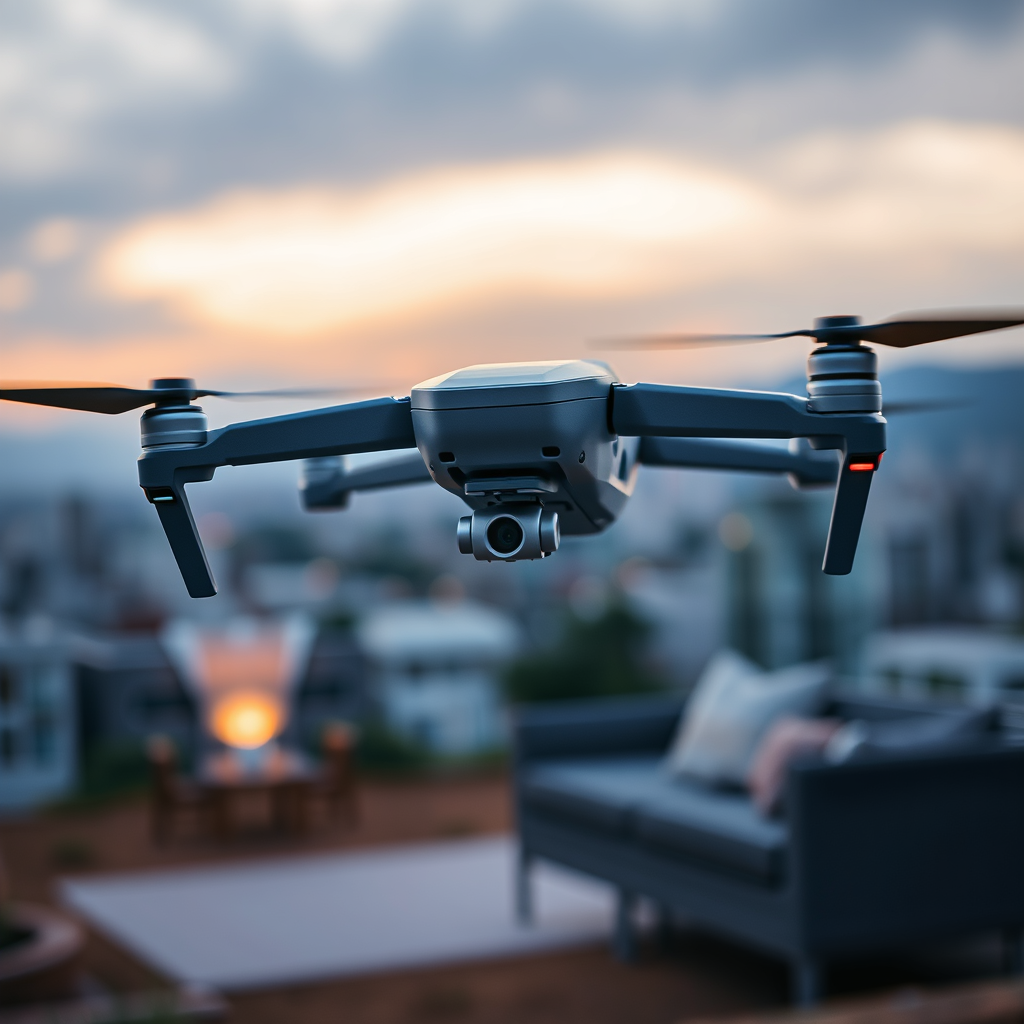
Battery capacity and efficiency also play a crucial role in determining how far a drone can fly. Most consumer drones employ lithium-polymer (LiPo) batteries, which provide a balance of weight and power. A drone’s flight time is typically expressed in minutes, and longer flight times correlate with greater distances. For instance, a drone with a battery capacity of 3,000 mAh may fly for up to 30 minutes under ideal conditions, translating to a potential range of several miles. However, as battery levels deplete, the drone’s range diminishes, necessitating a thorough understanding of battery management for optimal performance.
Factors Affecting Flight Distance

Weather conditions, such as wind and rain, can significantly impact range. Wind resistance can reduce flight efficiency, forcing the drone to expend more energy to maintain altitude and speed. For example, a strong headwind can cut flight time and distance in half, making it crucial for operators to check weather forecasts before embarking on a flight. Rain or snow may also create hazardous conditions, affecting visibility and potentially damaging electronic components, further limiting operational range.
Terrain and obstacles, like mountains or tall buildings, may limit the drone’s effective distance. Drones rely on radio signals to communicate with their controllers, and physical barriers can disrupt these signals. Flying in urban environments presents unique challenges, where buildings may obstruct the line of sight between the drone and the pilot. In contrast, open rural areas typically provide fewer obstacles, allowing for greater operational freedom. Understanding your environment is therefore vital for ensuring that you can utilize your drone to its full potential.
Legal Restrictions on Drone Flight
Be aware of the FAA regulations that restrict flying beyond visual line of sight (VLOS). In the United States, the Federal Aviation Administration (FAA) mandates that commercial and recreational drone pilots must always keep their drone within visual range, typically defined as approximately 400 feet above ground level. This regulation ensures safety and accountability while operating in shared airspace.
Local laws may impose additional restrictions on drone operations, including no-fly zones. Many cities have designated areas where flying is prohibited, such as near airports, schools, and parks. It is crucial for drone operators to familiarize themselves with local laws and regulations to avoid legal repercussions. Various apps and websites provide real-time updates on airspace restrictions and no-fly zones, which can help ensure compliance during your flights.
Enhancing Your Drone’s Range
Upgrading to high-capacity batteries can extend your drone’s flight time. Many drone manufacturers offer battery upgrade options or third-party batteries that provide increased capacity. For instance, some users have successfully modified their DJI drones with aftermarket batteries, extending flight times significantly. However, it is essential to ensure that any modifications comply with manufacturer specifications to avoid damaging the drone or voiding warranties.
Utilizing range extenders can help boost your drone’s signal and connectivity. Signal boosters can amplify the controller’s transmission, allowing for improved communication between the drone and the pilot. Some pilots also employ antennas with greater gain to enhance range. However, while these enhancements can increase flight distance, they must be used responsibly and within the confines of local regulations.
Best Practices for Safe Drone Flying
Always conduct a pre-flight check to ensure your drone is in good working condition. This includes inspecting propellers, checking battery levels, and ensuring firmware is up to date. A thorough pre-flight checklist can prevent malfunctions and ensure a safe flying experience. Additionally, familiarizing yourself with the drone’s controls and features can significantly enhance your operational effectiveness.
Keep your drone within visual line of sight to comply with regulations and ensure safety. This practice not only adheres to legal requirements but also allows you to maintain better awareness of your surroundings. Using a spotter or a second person can help maintain visual contact, especially in unfamiliar or complex environments.
Popular Drone Models and Their Ranges
Review specifications of popular drones like the DJI Mavic series and others to understand their capabilities. The DJI Mavic 3 boasts an impressive range of up to 9 miles, thanks to its advanced transmission system. In contrast, the DJI Mini SE offers a more modest range of 2.5 miles, making it suitable for beginner operators.
Comparing their maximum flight distances and battery life can help you determine the best option for your needs. If you require long-range capabilities for professional applications, investing in a more advanced model may be worthwhile. Conversely, casual users may find that entry-level drones meet their requirements without the need for expensive upgrades.
In conclusion, understanding the various factors that influence how far you can fly a drone is vital for both enjoyment and compliance. From the specifications of your model to environmental conditions and legal regulations, each element plays a significant role in determining flight distance. By staying informed about your drone’s capabilities, adhering to local laws, and considering enhancements for better performance, you can maximize your flying experience. Always prioritize safety and compliance, and happy flying!
Frequently Asked Questions
How far can a typical consumer drone fly?
The range of a typical consumer drone varies depending on the model and manufacturer, but most consumer drones can fly between 2 to 7 kilometers (1.2 to 4.3 miles) under optimal conditions. Factors such as battery life, signal strength, and environmental conditions (like interference and obstacles) can significantly impact this range. It’s essential to check the specifications of your specific drone model for precise distance capabilities.
What factors affect the flying distance of a drone?
Several factors can affect the flying distance of a drone, including battery life, the quality of the remote control signal, and environmental conditions. High interference areas, such as urban settings with many buildings, can reduce range, while open spaces allow for maximum distance. Weather conditions like wind and rain can also play a significant role in how far your drone can fly effectively.
Why is it important to know the maximum flight range of your drone?
Knowing the maximum flight range of your drone is crucial for safety, legal compliance, and effective planning of your flight operations. Understanding this limit helps prevent losing your drone due to signal loss, which can lead to crashes or uncontrolled landings. Additionally, many regions have regulations that limit drone operations beyond visual line of sight, making it essential to stay within your drone’s capabilities.
What is the best drone for long-distance flying?
The best drones for long-distance flying typically feature advanced battery technology, robust signal transmission systems, and GPS capabilities. Models like the DJI Mavic Air 2 or the Autel Robotics EVO Lite+ are popular choices among enthusiasts due to their impressive ranges of up to 10 kilometers (6.2 miles) and reliable performance. When choosing a long-range drone, consider factors like camera quality, flight stability, and additional features that enhance user experience.
Which regulations should I consider regarding drone flight distance?
When flying a drone, it’s essential to adhere to local regulations governing maximum flight distances and operational limits. In the United States, the Federal Aviation Administration (FAA) mandates that drones must be flown within the pilot’s visual line of sight and typically prohibits flights beyond 400 feet in altitude. Always check local laws and regulations before flying, as these can vary significantly from one region to another and may include restrictions on flying near airports or populated areas.
References
- https://en.wikipedia.org/wiki/Drone_flight_range
- https://www.faa.gov/uas/getting_started/registration
- https://www.faa.gov/uas/getting_started/fly
- https://www.nationalgeographic.com/science/article/drones
- https://www.reuters.com/technology/how-far-can-you-fly-drone-2021-04-02/
- https://www.abc.net.au/news/science/2020-11-12/how-like-a-drone-fly-complexity-of-a-drone-optimized/12886616
- https://www.aau.edu/research-initiatives/unmanned-aerial-systems/faq
- https://www.nasa.gov/mission_pages/tdm/faq/index.html
- https://www.abc.net.au/education/life-among-the-drones/13468582
