
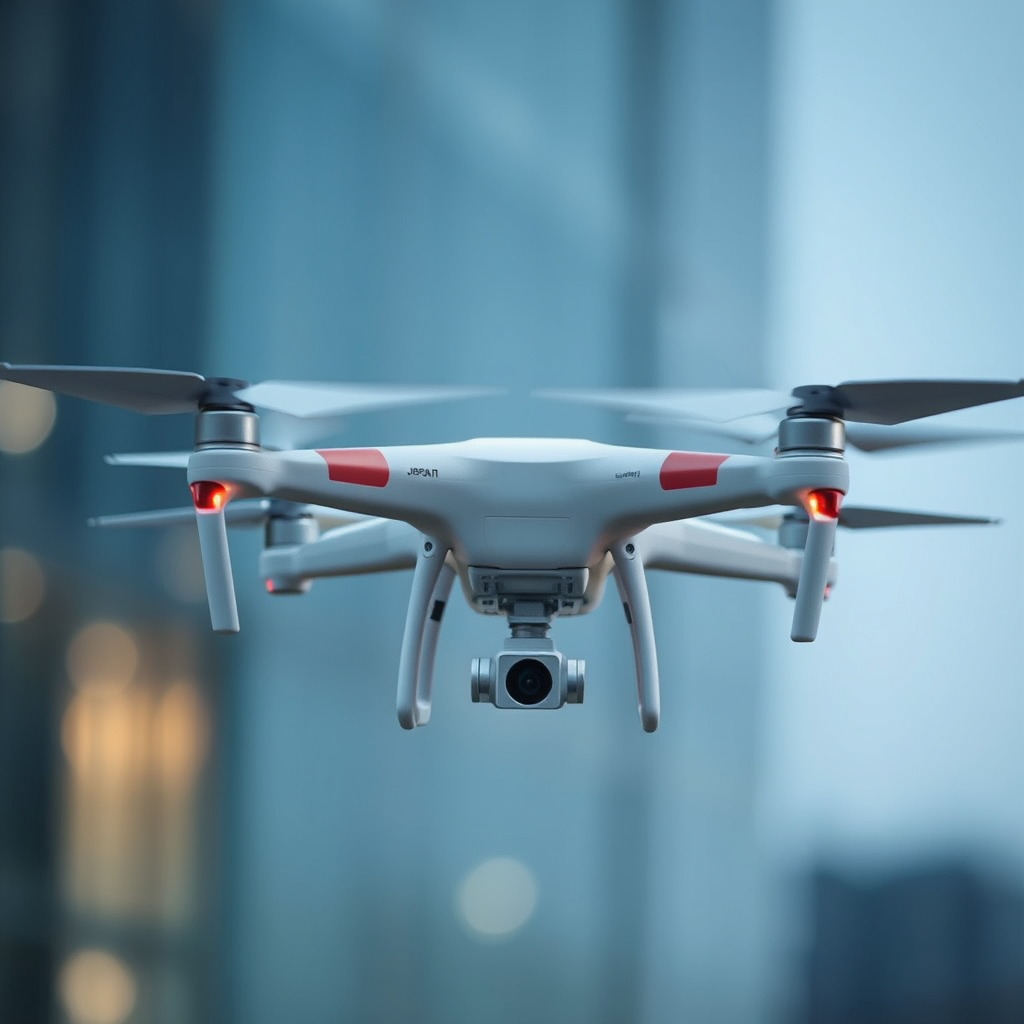
You can typically fly a Phantom 4 drone up to 3.1 miles (5 kilometers) under optimal conditions. However, various factors like battery life, signal interference, and local regulations can significantly affect this distance. Understanding these elements is crucial for drone enthusiasts and professionals alike, as they can dictate not only the operational range but also the overall safety and legality of drone flights. In this article, we will delve into the range capabilities of the Phantom 4 drone, explore the factors that influence its flying distance, and provide best practices for maximizing its performance.
Understanding the Phantom 4’s Range
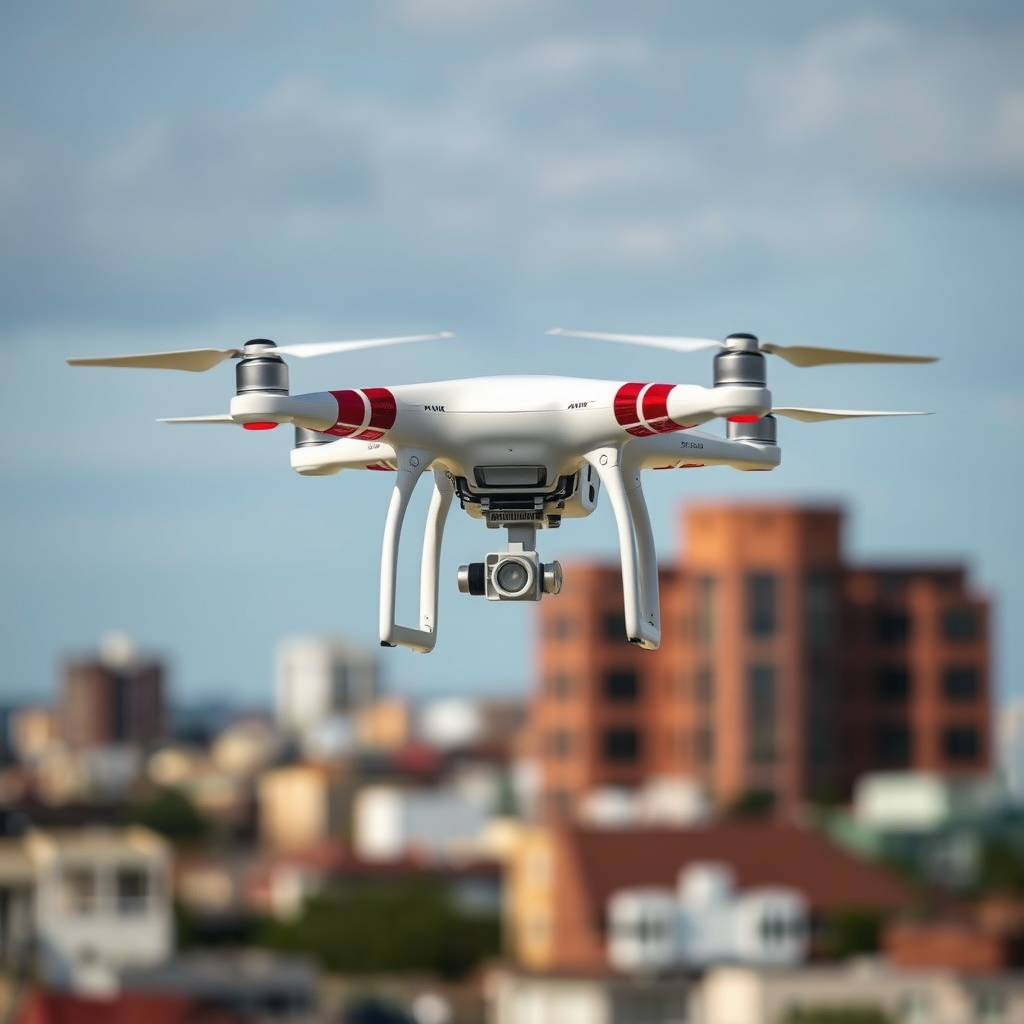
The DJI Phantom 4 drone is renowned for its impressive range, boasting an official maximum distance of 3.1 miles (5 km) when flying under optimal conditions. This figure, however, is based on several ideal circumstances, including a clear line of sight, minimal interference, and full battery capacity. When the drone is operated in environments that meet these criteria—such as open fields or remote locations where obstacles are few—the pilot can effectively harness the full potential of the drone’s range.
It’s important to note that actual flight distances may vary. For instance, if the drone is flown in urban settings where buildings, trees, or other structures obstruct the line of sight, the effective range may be reduced significantly. Additionally, environmental elements like wind, rain, or electromagnetic interference can further impact the connectivity between the drone and its controller, thereby decreasing the operational distance.
Factors Affecting Flight Distance
– Battery Life: One of the most critical factors influencing how far you can fly a Phantom 4 drone is its battery life. The drone offers an impressive flight time of approximately 28 minutes under ideal conditions. However, this duration can diminish quickly due to factors such as aggressive flying, high wind conditions, or the payload being carried. Pilots should always monitor their battery levels to ensure they can safely return to their starting point before the battery depletes entirely.
– Signal Interference: The Phantom 4 utilizes a robust transmission system to maintain communication between the drone and the remote controller. However, various obstacles can disrupt this signal, including physical barriers like trees and buildings, as well as weather conditions like rain or fog. Furthermore, electromagnetic interference from devices such as cell towers or Wi-Fi networks can also affect the drone’s ability to maintain a stable connection. Pilots should always be mindful of their surroundings and avoid flying in areas known for signal disruption.
Local Regulations and Restrictions
Before embarking on any drone flight, it is imperative to familiarize yourself with local regulations and restrictions that may apply to drone operations. Many jurisdictions impose laws that limit not only the distance a drone can fly but also the altitude and specific areas where drones are permitted to operate. For example, flying near airports, schools, or populated areas is often restricted or prohibited altogether due to safety concerns.
In the United States, the Federal Aviation Administration (FAA) has established guidelines that drone operators must adhere to, including maintaining visual line-of-sight and flying below 400 feet. Similar regulations exist in other countries, and failure to comply can result in hefty fines or legal repercussions. Therefore, always check with local aviation authorities to ensure that your flight plans are in compliance with applicable laws.
Best Practices for Maximizing Range
To maximize the flying range of your Phantom 4 drone, consider implementing the following best practices:
– Fly in Open Areas: To achieve optimal signal strength, piloting the drone in open spaces with minimal obstructions is crucial. This not only enhances the drone’s range but also reduces the risk of signal loss or interference.
– Maintain Line of Sight: Keeping the drone within sight allows for better control and adherence to regulations. By maintaining visual contact, pilots can respond quickly to any potential issues that may arise during flight.
– Utilize Smart Features: The Phantom 4 is equipped with various smart flying features that can enhance both safety and performance. Utilizing modes like Return to Home, which automatically brings the drone back to its launch point when battery levels are low or signal is lost, can significantly enhance operational safety.
– Pre-flight Checks: Conducting thorough pre-flight checks can help identify potential issues that may affect flight distance. Ensure that the drone’s firmware is up to date, the battery is fully charged, and all components are functioning properly before takeoff.
Troubleshooting Range Issues
If you experience issues with drone range, consider the following troubleshooting strategies:
– Monitor Battery Levels: Keeping a close eye on battery levels during flight is essential. Many drones, including the Phantom 4, provide real-time battery information on the controller’s display, allowing pilots to make informed decisions regarding flight duration and return timing.
– Check Signal Strength: Regularly checking the signal strength indicator on the controller can provide insight into how effectively the drone is communicating. If the signal is weak, consider flying the drone closer to the controller or repositioning to a location with fewer obstructions.
– Adjust Settings: Some drones allow for adjustments to transmission power settings, which can improve signal strength and range performance. Familiarize yourself with your drone’s settings to optimize its capabilities based on your specific flying environment.
Comparing to Other Drones
When comparing the Phantom 4’s range to similar models in the market, it stands out for its impressive distance capabilities. For instance, competitors like the DJI Mavic Air 2 offer a maximum range of approximately 6.2 miles (10 km) under optimal conditions. While the Phantom 4 may not have the longest range, it compensates with superior stability, camera quality, and user-friendly features.
Additionally, when evaluating different drone types, consider the intended use. For professional photography and videography, the Phantom 4’s advanced camera system provides exceptional image quality, making it a preferred choice among aerial filmmakers. In contrast, racing drones typically prioritize speed and agility over range, highlighting the importance of selecting the right drone based on operational needs.
In summary, while the Phantom 4 drone can fly up to 3.1 miles under optimal conditions, it’s essential to consider various factors that can influence this distance. Factors such as battery life, signal interference, and local regulations play a crucial role in determining how far you can safely fly. By following best practices and being mindful of potential range issues, pilots can enhance their flying experience while ensuring compliance with safety regulations. Always prioritize safety and legality in your drone operations. Happy flying!
Frequently Asked Questions
What is the maximum flight range of a Phantom 4 drone?
The DJI Phantom 4 drone has a maximum flight range of approximately 5 kilometers (3.1 miles) when operating under ideal conditions. This range can be significantly affected by environmental factors such as interference, obstacles, and signal strength. To ensure optimal performance, it’s recommended to fly in open areas with minimal obstructions.
How does the battery life affect the distance a Phantom 4 can fly?
The Phantom 4 drone is equipped with a battery that typically lasts around 28 minutes under normal flying conditions. However, the distance you can fly is directly impacted by the battery life, as the drone needs sufficient power to return safely. It’s essential to monitor battery levels and plan your flight accordingly, ensuring you have enough charge for the return trip.
Why is the flight distance of the Phantom 4 limited?
The flight distance of the Phantom 4 is limited by several factors, including the drone’s battery capacity, the strength of the remote controller’s signal, and local regulations. Additionally, flying beyond the visual line of sight can pose safety risks and may violate aviation regulations. Understanding these limitations can help ensure safer and more reliable drone operations.
What are the best practices for maximizing the flight range of a Phantom 4 drone?
To maximize the flight range of your Phantom 4 drone, ensure that you fly in open, unobstructed areas and keep the drone away from large metal structures or dense forests that can interfere with the signal. Additionally, flying at a steady altitude and avoiding aggressive maneuvers can help conserve battery life and maintain a strong connection with the remote controller, allowing for a longer flight distance.
Which factors can reduce the effective flight distance of my Phantom 4 drone?
Several factors can reduce the effective flight distance of your Phantom 4 drone, including electromagnetic interference from nearby devices, physical obstructions like tall buildings or trees, and adverse weather conditions such as strong winds or rain. Additionally, flying in areas with high radio frequency traffic can also impact the drone’s performance and range. Understanding these factors can help you plan your flights more effectively.
References
- https://en.wikipedia.org/wiki/Drone
- https://www.faa.gov/uas/getting_started/fly_my_drone
- https://www.nasa.gov/mission_pages/launch/faq/faq_drone.html
- https://www.ncbi.nlm.nih.gov/pmc/articles/PMC6830645/
- https://www.reuters.com/technology/drone-flight-rules-regulations-2021-06-15/
- https://www.techrepublic.com/article/what-you-need-to-know-about-drone-flight-limits/
- https://www.bbc.com/news/technology-49962374
