
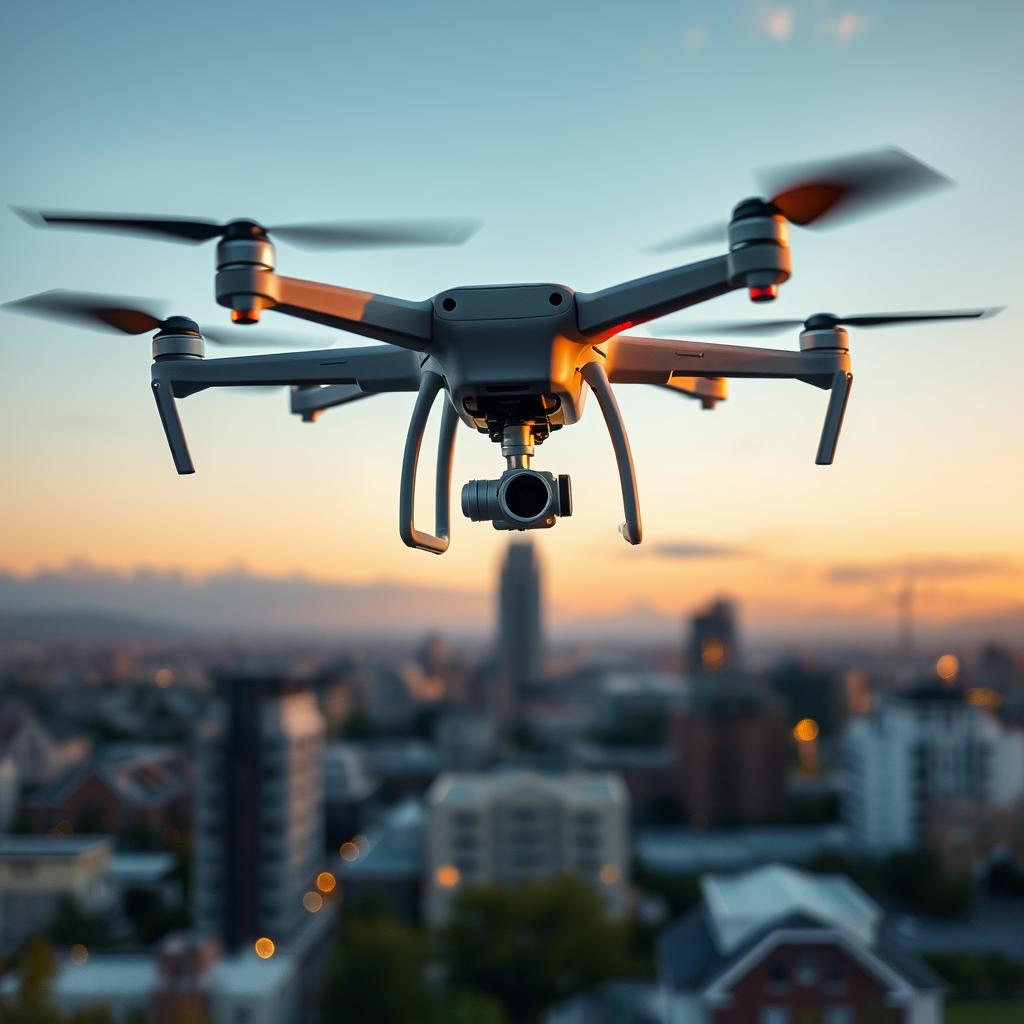
You can legally fly a drone up to 400 feet above ground level in most areas, but this varies based on local regulations and specific circumstances. Understanding these rules is essential for safe and legal drone operation, especially as recreational and commercial drone use continues to grow. Knowledge of the Federal Aviation Administration (FAA) regulations, local laws, no-fly zones, and airspace classifications will help you navigate the complexities of drone flying and ensure compliance.
Understanding FAA Regulations
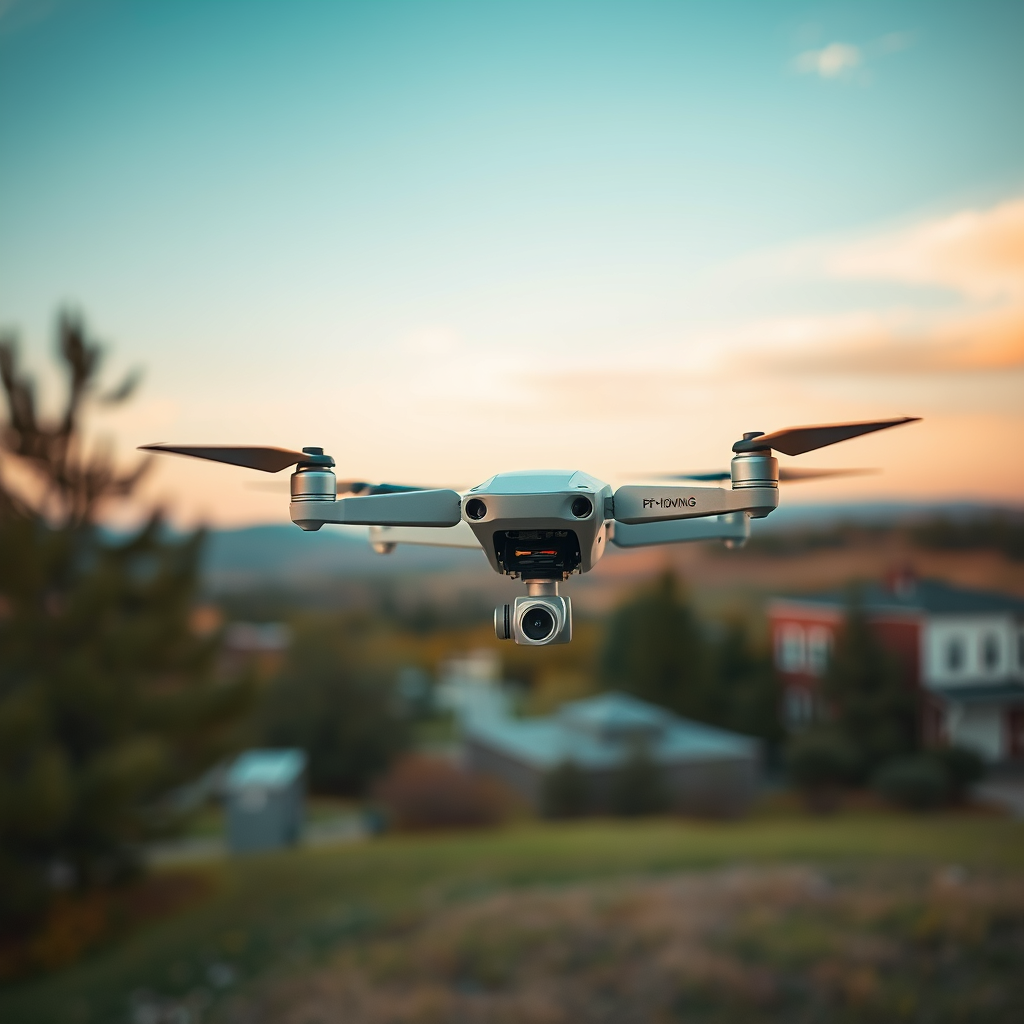
The Federal Aviation Administration (FAA) is the primary governing body for drone flight in the United States. Its regulations are designed to ensure the safety of both drone operators and the general public. The FAA categorizes drone operators into two main groups: recreational and commercial. Recreational drone users must adhere to the FAA’s guidelines, which include registering their drones if they weigh more than 0.55 pounds, maintaining visual line-of-sight during flight, and avoiding restricted airspace.
For commercial operators, the rules are more stringent. They must obtain a Remote Pilot Certificate and comply with Part 107 of the FAA regulations, which includes a series of operational limitations, such as the maximum altitude of 400 feet unless flying over a structure. Understanding these regulations is crucial as they not only safeguard public safety but also protect the rights of other airspace users.
Maximum Altitude Limits
Drones must typically stay under 400 feet for safety and compliance with FAA regulations. This altitude limit is intended to minimize the risk of collisions with manned aircraft, which generally fly at higher altitudes. However, exceptions exist. If a drone is flown over a structure, it may be allowed to exceed 400 feet, provided it does not stray too far from the vertical line of the structure.
Altitude limits can vary significantly in controlled airspace, such as near airports or heliports. In Class B airspace, where commercial air traffic is dense, drone operations are more restricted and often require prior authorization from the FAA. Operators should always be aware of their surroundings and use apps, such as B4UFLY, to determine the altitude limits in their specific location.
Local and State Laws
In addition to federal regulations, many states and municipalities have enacted their own laws regarding drone use, which can include restrictions on altitude, flight distance, and even specific locations where drones can be flown. Some cities may impose stricter guidelines, while others may allow more leniency. For instance, certain areas may require drone operators to obtain additional permits for flying, especially in densely populated urban environments.
It is essential for drone operators to familiarize themselves with these local ordinances before taking to the skies. Ignorance of the law does not exempt individuals from potential penalties, which can range from fines to confiscation of the drone. Online resources and local government websites often provide information on specific regulations in different areas, making it easier for operators to remain compliant.
No-Fly Zones
Certain areas are designated as no-fly zones, where drone operations are strictly prohibited. These typically include locations near airports, military bases, national parks, and other sensitive sites. For instance, the airspace around major airports is heavily regulated to protect commercial air traffic and ensure safety. Similarly, military installations often have restricted airspace to maintain security and operational integrity.
To avoid inadvertently flying into these prohibited areas, drone operators should utilize apps and resources that provide real-time information on no-fly zones. The FAA’s B4UFLY app is a useful tool that helps pilots understand where they can and cannot fly, displaying both temporary and permanent restrictions. Additionally, checking for temporary flight restrictions (TFRs) that may arise due to events such as wildfires or airshows is crucial for compliance.
Airspace Classes
Understanding the various classes of airspace is essential for legal drone operations. The airspace is categorized into several classes, each with its own set of rules and regulations. For example, Class G airspace is uncontrolled and generally allows for unrestricted drone flight below specific altitudes. In contrast, Class B airspace, which surrounds major airports, requires prior authorization for drone operations due to the high volume of manned aircraft traffic.
Operators should also be aware of Class C and Class D airspace, which pertain to smaller airports and have specific communication requirements with air traffic control. Familiarity with these classifications ensures that drone operators can navigate the skies safely and legally, minimizing the risk of accidents and violations.
Best Practices for Safe Drone Flying
To maintain compliance with regulations and ensure safe drone operations, drone pilots should adopt several best practices. Conducting pre-flight checks is paramount; operators should inspect their drones for any mechanical issues, ensure batteries are fully charged, and verify that all equipment is functioning correctly. Staying informed about changing regulations and local laws is also crucial, as drone laws can evolve rapidly based on technological advancements and public safety considerations.
Additionally, respecting the privacy and safety of others is essential when flying drones. Operators should avoid flying over private property without permission and be mindful of noise levels, especially in residential areas. Engaging with the local community and educating oneself about the implications of drone use can foster goodwill and promote a safer environment for all.
In summary, while the general legal limit for flying a drone is up to 400 feet, various factors such as local laws, airspace classifications, and no-fly zones can influence this limit. As drone technology continues to evolve, staying informed and compliant with both federal and local regulations is crucial for a safe flying experience. By adhering to these guidelines and best practices, drone operators can enjoy their hobby or business while contributing to the responsible use of airspace.
Frequently Asked Questions
How far can I legally fly my drone in the United States?
In the United States, the Federal Aviation Administration (FAA) allows drone operators to fly up to a maximum altitude of 400 feet above ground level within visual line-of-sight. Additionally, the distance you can fly your drone horizontally is not explicitly limited by the FAA, but you must maintain visual contact with your drone at all times, which effectively restricts how far you can fly it based on your surroundings. Always check local regulations as they may impose additional restrictions.
What are the restrictions on flying drones near airports?
Flying drones near airports is heavily regulated to ensure aviation safety. The FAA prohibits flying drones within a five-mile radius of an airport without prior notification and permission from the airport and air traffic control. Additionally, drone pilots must be aware of the specific airspace classification in the area, as some zones may require special authorization, especially for commercial drone operations.
Why are there flight distance regulations for drones?
Flight distance regulations for drones are in place primarily to ensure safety and mitigate risks associated with manned aircraft. By requiring drone operators to maintain visual line-of-sight, the FAA aims to prevent collisions with other aircraft and to promote responsible drone use. These regulations help protect both the drone operator and the broader community from potential hazards related to unregulated drone flights.
What is the best way to ensure I’m flying my drone legally and safely?
To fly your drone legally and safely, start by familiarizing yourself with the FAA’s regulations and guidelines for recreational and commercial drone use. Use resources such as the FAA’s B4UFLY app, which provides information on airspace restrictions and nearby airports. Additionally, always register your drone if it weighs over 0.55 pounds and consider taking a safety course to understand best practices and local laws that may apply to your flying area.
Which states have the most restrictive drone flight laws?
States like California, New York, and Florida have some of the most restrictive drone flight laws, often due to their high population density and significant air traffic. In these states, local regulations may impose additional restrictions such as no-fly zones over certain areas, including parks, schools, and public events. It’s crucial to research state and municipal regulations before flying your drone to avoid potential fines or penalties.
References
- https://en.wikipedia.org/wiki/Drone_regulations
- https://www.faa.gov/uas/getting_started/registration
- https://www.faa.gov/uas/guidance/media/Part_107_Summary.pdf
- https://www.nasa.gov/feature/nasa-s-drone-traffic-management-system
- https://www.ncbi.nlm.nih.gov/pmc/articles/PMC6796918/
- https://www.ucsusa.org/resources/drone-safety-and-regulation
- https://www.ama-assn.org/delivering-care/public-health/drone-technology-public-health
- https://www.nytimes.com/2021/04/13/us/drone-regulations.html
