
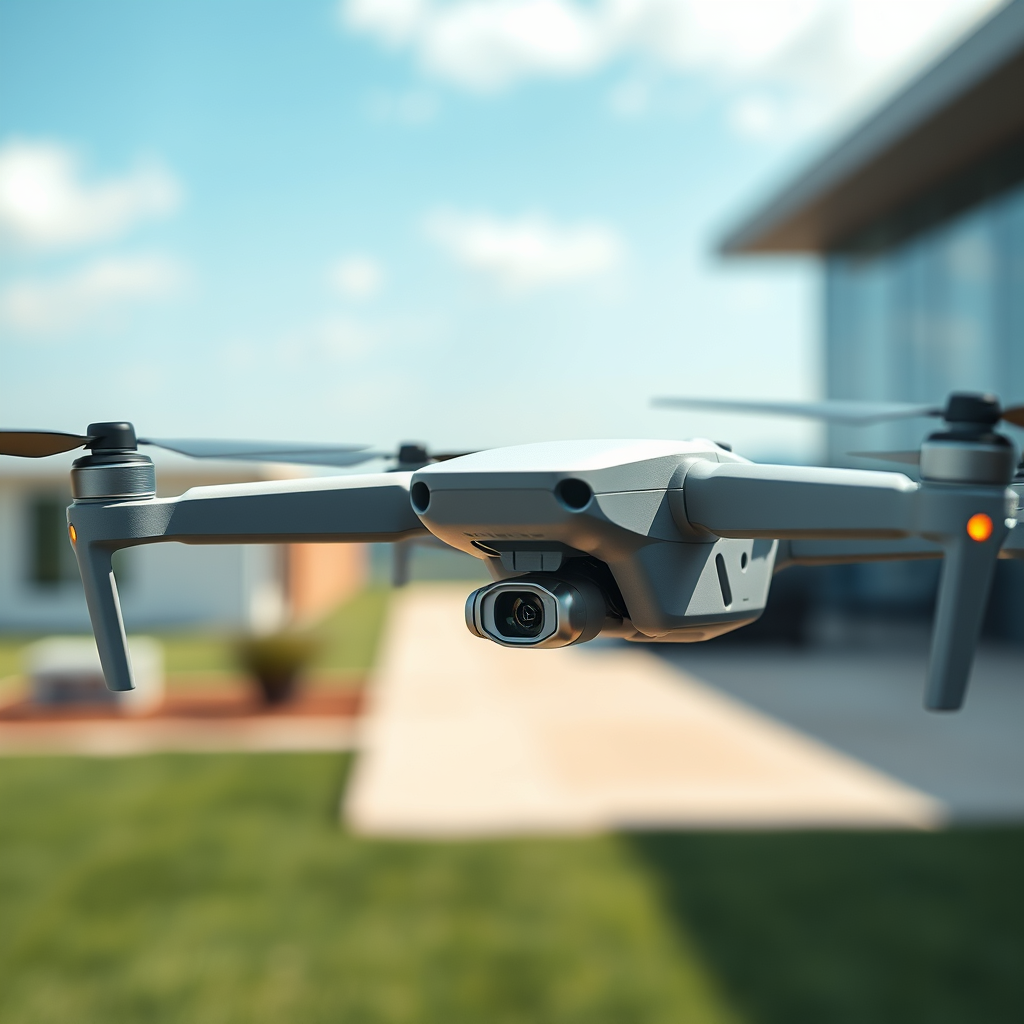
Drones can typically operate at distances of up to 4 to 7 miles, depending on the model and environmental factors. However, this range can be significantly affected by regulations, battery life, and interference. Understanding these factors is essential for safe and effective drone operation, allowing pilots to make the most of their aerial capabilities while adhering to safety protocols.
Understanding Drone Range Limits
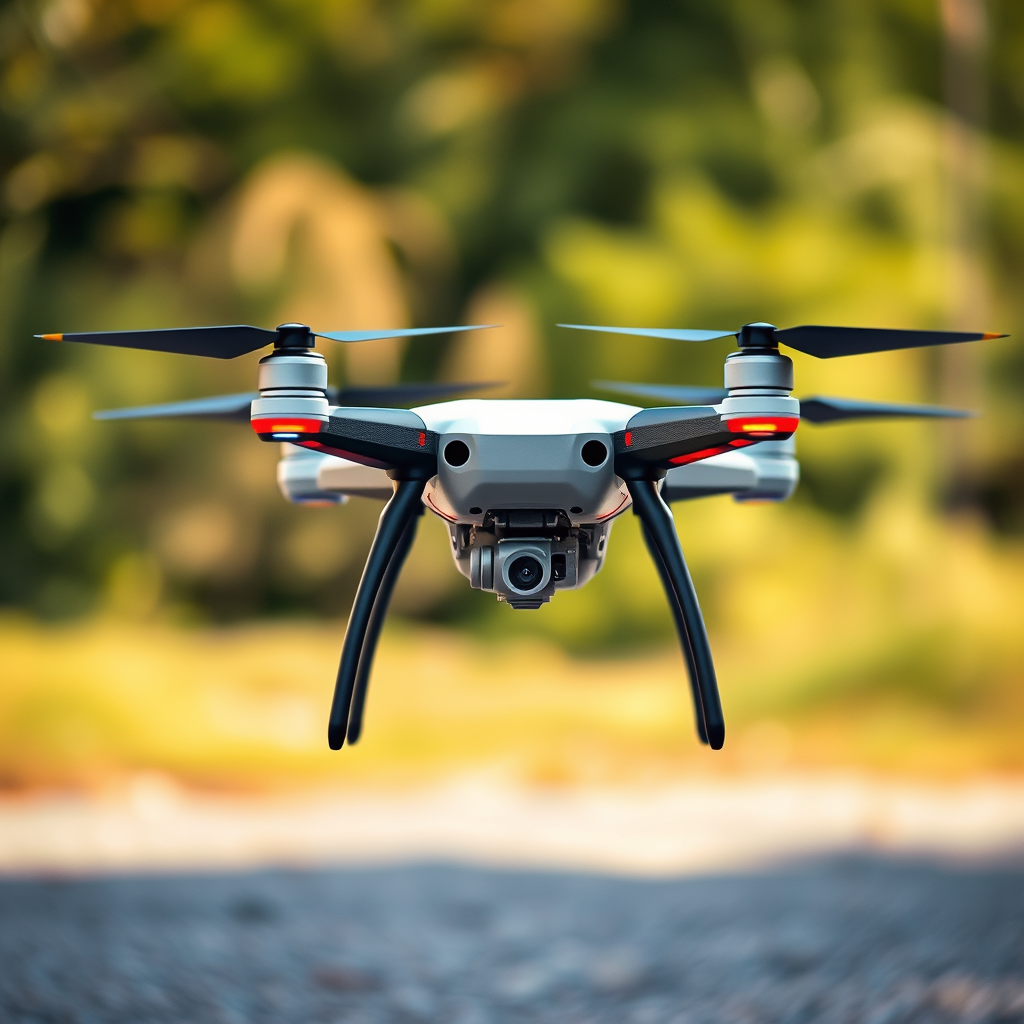
Drones are often limited by the manufacturer’s specifications, which dictate the maximum operational distance based on the technology used. The range of a drone is primarily determined by its transmission system, which typically includes radio frequencies (RF) or a Wi-Fi connection. For instance, consumer drones like the DJI Mavic series boast impressive ranges, often achieving up to 7 miles under ideal conditions. However, real-world scenarios frequently present challenges that can diminish this range.
Several factors play a crucial role in determining the effective range of a drone. Signal strength can be influenced by obstacles such as buildings, trees, or even atmospheric conditions, leading to signal attenuation. Additionally, the drone’s altitude can impact how far it can operate; flying at a higher elevation can sometimes extend the operational range by reducing the number of obstructions in the line of sight. Understanding these limitations enables drone operators to plan their flights more effectively and ensure they remain within safe operational parameters.
Regulatory Considerations
Many countries have laws regulating drone operation distance, often mandating that pilots keep their drones within visual line of sight (VLOS). In the United States, for example, the Federal Aviation Administration (FAA) requires drone operators to maintain VLOS during flight, which effectively limits the practical range to about 1 to 2 miles for most recreational users. In contrast, commercial operators may apply for waivers that allow for extended range operations, provided they demonstrate the ability to maintain safety and control.
It is essential to check local regulations to avoid legal issues before operating a drone. Countries like the United Kingdom, Canada, and Australia have their own sets of rules that can include restrictions on flying near airports, populated areas, or certain altitudes. Staying informed about these regulations not only ensures compliance but also promotes responsible drone use that benefits the entire community.
Environmental Factors Affecting Range
Environmental conditions play a significant role in determining how far a drone can operate. Urban areas can cause signal interference and reduce range due to the presence of numerous physical obstacles, such as tall buildings and power lines. This can lead to challenges in maintaining a stable connection between the drone and the controller, potentially resulting in loss of control or crashes.
Conversely, open fields generally allow for longer operational distances, as there are fewer obstructions and less interference. Weather conditions also play a crucial role; factors such as wind speed, temperature, and precipitation can impact a drone’s performance. For example, high winds can make it difficult for a drone to maintain stability, which might compel pilots to cut their flights short. Understanding these environmental factors can help operators choose the most suitable locations for their drone flights.
Battery Life and Its Impact
The type of battery used can significantly affect how far a drone can fly. Most consumer drones are powered by lithium polymer (LiPo) batteries, which offer a balance of weight and power but have limited flight times, typically ranging from 20 to 30 minutes on a full charge. As battery life diminishes, so does the operational range, necessitating careful monitoring of battery status during flights.
Regular maintenance and battery checks can help maximize range and ensure safe operation. Pilots should regularly inspect batteries for signs of damage, wear, or swelling. Additionally, understanding the drone’s flight time under different conditions can help operators plan their routes effectively. For example, flying at lower altitudes or in calmer conditions can extend battery life, allowing for longer operational ranges.
Drone Technology Advancements
Newer models may feature enhanced technology for increased range and performance. For instance, advancements in transmission technology, such as OcuSync used in DJI drones, have significantly improved the reliability and range of drone control signals. These technologies enable drones to maintain a connection over greater distances, often exceeding the standard operational limits of older models.
Features like GPS and obstacle avoidance systems also play a critical role in how far you can fly. GPS allows for precise navigation and can help ensure that the drone remains within safe operational boundaries. Meanwhile, obstacle avoidance systems help to prevent crashes, giving pilots the confidence to operate at greater distances without the fear of losing control due to unseen barriers.
Best Practices for Long-Distance Drone Operation
To maximize the operational range while ensuring safety, drone operators should always fly within line of sight. This practice not only complies with regulations but also allows for better situational awareness, reducing the risk of accidents. Pilots should familiarize themselves with their drone’s capabilities and limitations, enabling them to make informed decisions during flights.
Planning the flight path ahead of time is another crucial best practice. By mapping out the intended route, operators can avoid obstacles and hazardous areas that may impede the drone’s performance. Utilizing apps and tools designed for drone flight planning can help assess potential risks and enhance the overall flying experience.
In addition, it is advisable to conduct pre-flight checks, ensuring that the drone is in good working order. This includes verifying battery levels, ensuring the firmware is updated, and conducting a thorough inspection of the drone’s components. Adequate preparation can significantly reduce the likelihood of encountering issues during flight.
In conclusion, while most drones can operate several miles away, various factors can influence this range. Understanding the limitations imposed by regulations, environmental conditions, battery life, and technological advancements is essential for maximizing the operational capabilities of drones. By adhering to best practices and staying informed about the latest developments in drone technology, operators can ensure safe and effective drone use, ultimately enhancing their aerial experiences.
Frequently Asked Questions
What is the maximum distance I can operate my drone?
The maximum operating distance of a drone largely depends on its model, battery life, and the regulations in your area. Consumer drones typically have a range between 1 to 7 kilometers (0.6 to 4.3 miles) when flying in optimal conditions. However, it’s important to note that many countries require you to keep your drone within visual line of sight (VLOS), which might limit your effective range regardless of the drone’s technical capabilities.
How can I extend the operating range of my drone?
To extend the operating range of your drone, consider upgrading to a high-quality antenna or using a range extender to boost the signal. Additionally, flying in open areas with minimal obstacles and interference can enhance range, as can flying at a higher altitude. Always ensure you follow local regulations regarding drone operation to avoid penalties.
Why do drones lose connection at long distances?
Drones can lose connection at long distances primarily due to signal interference and the limitations of their communication systems. Factors such as physical obstructions (e.g., trees, buildings), radio frequency interference, and the drone’s battery power can all contribute to connection loss. It’s essential to monitor your drone’s telemetry data and maintain a clear line of sight to minimize connection issues.
What is the best drone for long-range flying?
The best drones for long-range flying typically feature advanced transmission technology and high-capacity batteries. Models like the DJI Mavic Air 2 and the Autel Robotics EVO Lite offer impressive ranges, often exceeding 10 kilometers (6.2 miles) under optimal conditions. When choosing a drone, prioritize features such as GPS stability, signal strength, and battery life to ensure a reliable long-distance flight experience.
Which regulations should I be aware of for flying drones at long distances?
When operating drones at long distances, it’s crucial to be aware of local regulations, which can vary significantly by country and region. Many jurisdictions require that drones be flown within visual line of sight (VLOS) and may impose restrictions on flying beyond certain distances from the operator. Additionally, registration and licensing may be required for drones above a specific weight, so always check your local aviation authority’s guidelines before flying.
References
- https://en.wikipedia.org/wiki/Drone_operations
- https://www.faa.gov/uas/getting_started/part_107/
- https://www.nasa.gov/mission_pages/UAS/index.html
- https://www.hud.gov/program_offices/comm_planning/affordablehousing/drones
- https://www.reuters.com/technology/drone-deliveries-how-far-can-they-go-2021-08-12/
- https://www.ama-assn.org/delivering-care/public-health/drones-deliveries-what-you-need-know
- https://www.ncbi.nlm.nih.gov/pmc/articles/PMC6889000/
- https://www.unm.edu/~ncdl/Drone-Technology-and-Applications.pdf
- https://www.aerialmobility.com/faq/
- https://www.theguardian.com/technology/2021/may/23/drones-what-you-need-to-know
