

You can typically fly a drone up to five miles away from an airport, but it’s crucial to check local regulations and airspace restrictions, as these can vary by location. Understanding these guidelines is essential for safe and legal drone operation. With the increasing popularity of drone technology, both recreational and commercial users must navigate the complex landscape of airspace regulations to ensure compliance and safety.
Understanding FAA Regulations
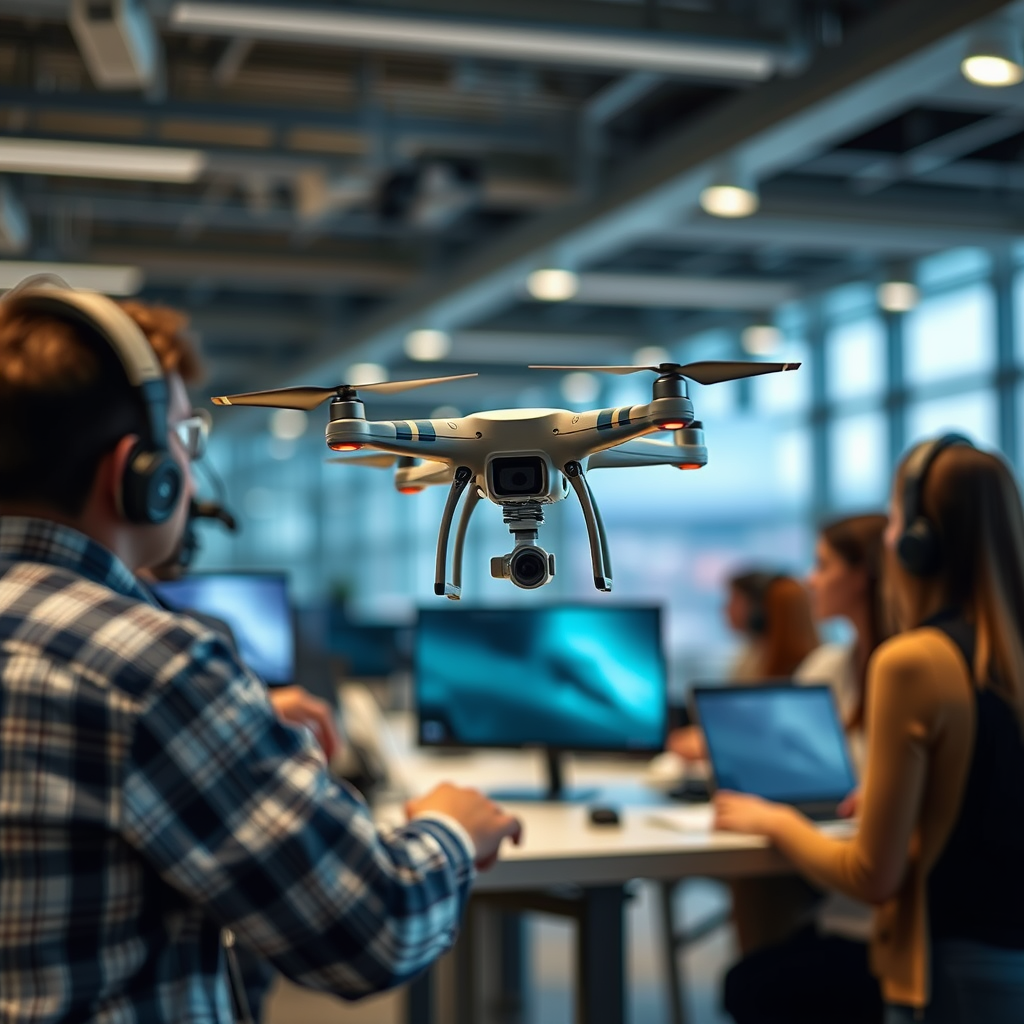
The Federal Aviation Administration (FAA) governs drone use in the U.S., establishing regulations that all drone operators must follow to maintain safety in the national airspace. One of the critical rules is that drones must not be flown within five miles of an airport without prior notification to the airport operator. This regulation helps prevent potential conflicts between drones and manned aircraft, which can pose significant safety risks.
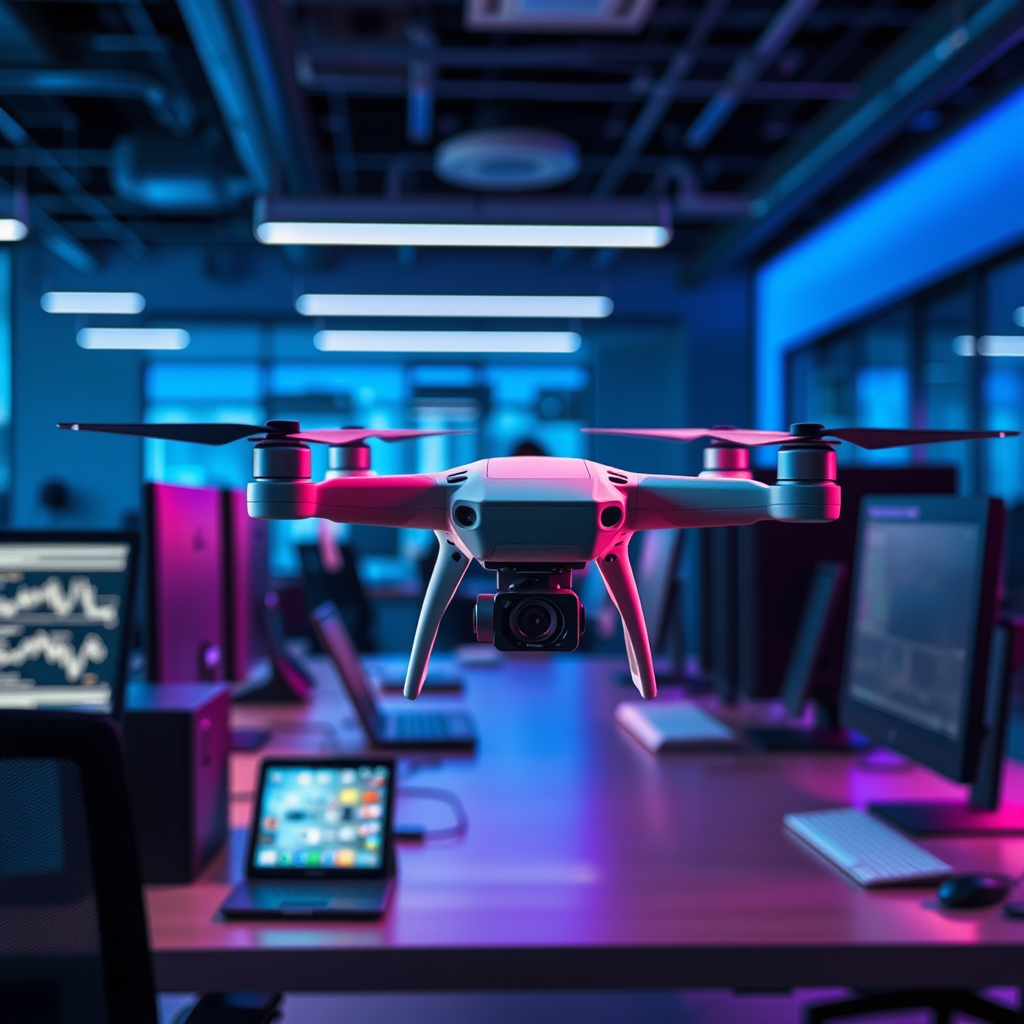
In addition to the five-mile rule, the FAA mandates that drone operators follow visual line-of-sight (VLOS) guidelines, ensuring that the drone remains within the pilot’s sight during operation. Furthermore, drone operators are required to register their drones if they weigh more than 0.55 pounds. Familiarizing oneself with the FAA’s Part 107 regulations is essential for commercial drone pilots, as these rules dictate everything from operational limitations to pilot certification requirements.
Local Regulations and Restrictions
While the FAA sets national standards, local laws can impose stricter limits on drone flight near airports. Various cities, counties, and states may have additional regulations governing drone use, reflecting community concerns about privacy, safety, and noise. For instance, some urban areas may prohibit drone flights entirely in certain zones, like parks or near public events, regardless of their distance from an airport.
Before flying your drone, it is advisable to consult local authorities or drone regulations specific to your area. This can include checking local government websites, reaching out to local law enforcement, or visiting community forums where drone enthusiasts gather. By being aware of these regulations, drone operators can avoid fines and ensure they are operating within the law.
Airspace Classes and Their Impact
Airspace around airports is classified into different categories—Class B, C, D, and E—each with unique restrictions and requirements. Class B airspace, for example, surrounds the busiest airports and generally requires specific authorization for drone flights. Class C airspace is less restrictive but still requires notification to air traffic control. Class D airspace is typically found around smaller airports, where communication with the control tower is essential. Class E airspace has fewer requirements but still mandates that drone operators be aware of how their operations may interact with manned aircraft.
Understanding the airspace classification around an airport is crucial for safe flying. For example, if you intend to fly your drone near a Class B airport, you will need to obtain permission through the FAA’s Low Altitude Authorization and Notification Capability (LAANC) system. This system allows drone operators to receive real-time authorization to fly within controlled airspace, ensuring compliance with regulations while facilitating safe operations.
Notification and Authorization
If you plan to fly within five miles of an airport, it is imperative to notify the airport operator. This notification is not merely a formality; it serves to inform air traffic controllers and nearby pilots of your intended drone activity, which is essential for maintaining safety in the airspace.
In certain situations, such as flying in controlled airspace or near major airports, you may need to obtain a special waiver or authorization from the FAA. This process can involve submitting a detailed flight plan and demonstrating that your drone operations will not interfere with manned aircraft. Failure to notify or obtain necessary permissions can result in severe penalties, including fines and the revocation of your drone pilot’s license.
Tools for Checking Airspace
Fortunately, drone operators today have access to various tools and resources that simplify the process of checking airspace. Apps and online platforms like Airmap, SkyVector, and the FAA’s own B4UFLY app provide real-time information about airspace classifications, current regulations, and notifications required for flying near airports.
These resources are user-friendly and often feature interactive maps that allow drone pilots to visualize airspace boundaries and any restrictions that may apply. For instance, Airmap provides alerts about temporary flight restrictions (TFRs) that could impact your planned flight, such as those related to natural disasters, sports events, or other special operations.
By utilizing these tools, drone operators can make informed decisions and avoid potential regulatory violations, enhancing both their safety and the safety of others in the airspace.
Best Practices for Flying Near Airports
When flying near airports, it is essential to maintain a safe distance and remain aware of nearby air traffic. Following best practices can significantly reduce the risk of accidents and ensure compliance with regulations. Always keep your drone within visual line-of-sight and avoid flying at altitudes that may interfere with manned aircraft.
Additionally, it is crucial to respect the privacy and safety of others. This includes avoiding flying over populated areas and being mindful of noise levels that may disturb residents or wildlife. Being courteous and responsible will not only help you avoid legal issues but also promote a positive image of the drone community.
Moreover, consider flying during designated off-peak hours when air traffic is lighter if you are near an airport. This can help minimize the risk of conflicts with manned aircraft and allow for a safer flying experience.
In conclusion, while you can fly drones relatively close to airports, it’s essential to understand and comply with regulations set by the FAA and local authorities. Always prioritize safety and stay informed about airspace rules to ensure a smooth flying experience. By familiarizing yourself with the governing regulations, utilizing available tools, and following best practices, you can enjoy the benefits of drone flying while ensuring the safety of all airspace users.
Frequently Asked Questions
What are the FAA regulations regarding flying a drone near airports?
The Federal Aviation Administration (FAA) regulations state that you cannot fly a drone within a 5-mile radius of an airport without prior authorization. This rule is in place to ensure the safety of manned aircraft, as drones can pose significant hazards. Pilots must check for Temporary Flight Restrictions (TFRs) and utilize resources like the FAA’s B4UFLY app to verify airspace restrictions before operating their drones.
How can I find out how far I am from an airport when flying my drone?
To determine your distance from an airport, you can use GPS coordinates or mapping applications like Google Maps. Additionally, drone-specific apps, such as AirMap or Kittyhawk, provide real-time information about your location in relation to nearby airports and airspace classifications. Always ensure that you are aware of your surroundings and comply with local regulations before flying.
Why is it important to know the distance from an airport when flying a drone?
Knowing the distance from an airport is crucial for maintaining safety in the airspace. Drones can interfere with manned aircraft operations, leading to potential accidents. By adhering to regulations and understanding your proximity to airports, you can avoid legal issues, fines, and dangerous situations, ultimately ensuring a safer flying experience.
What are the best practices for flying a drone near airports?
The best practices for flying a drone near airports include obtaining necessary permissions, maintaining communication with air traffic control if required, and using drone apps to check airspace restrictions. Additionally, it’s advisable to fly your drone at lower altitudes and stay vigilant for any manned aircraft in the area. Always prioritize safety and follow local laws to ensure compliant drone operations.
Which drones are best for flying near airports, considering regulations?
While no drone is inherently “better” for flying near airports due to strict regulations, some models are equipped with geofencing technology that prevents them from entering restricted airspace. Drones like the DJI Phantom series or the Mavic series have built-in safety features that help pilots comply with FAA regulations. However, regardless of the drone type, always prioritize understanding the regulations and gaining necessary permissions before flying.
References
- https://www.faa.gov/uas/getting_started/part_107
- https://www.faa.gov/uas/recreational_fliers/
- https://www.nas.gov/sites/default/files/2022-05/Drone-Operations-Near-Airports.pdf
- https://www.faa.gov/uas/resources/policy_library/
- https://www.nasa.gov/feature/what-you-need-to-know-about-flying-drones-near-airports
- https://www.smithsonianmag.com/innovation/flying-drones-near-airports-180973884/
- https://www.mtu.edu/news/stories/2021/april/drone-research-and-regulations.html
- https://en.wikipedia.org/wiki/Unmanned_aerial_vehicle#Regulations
