
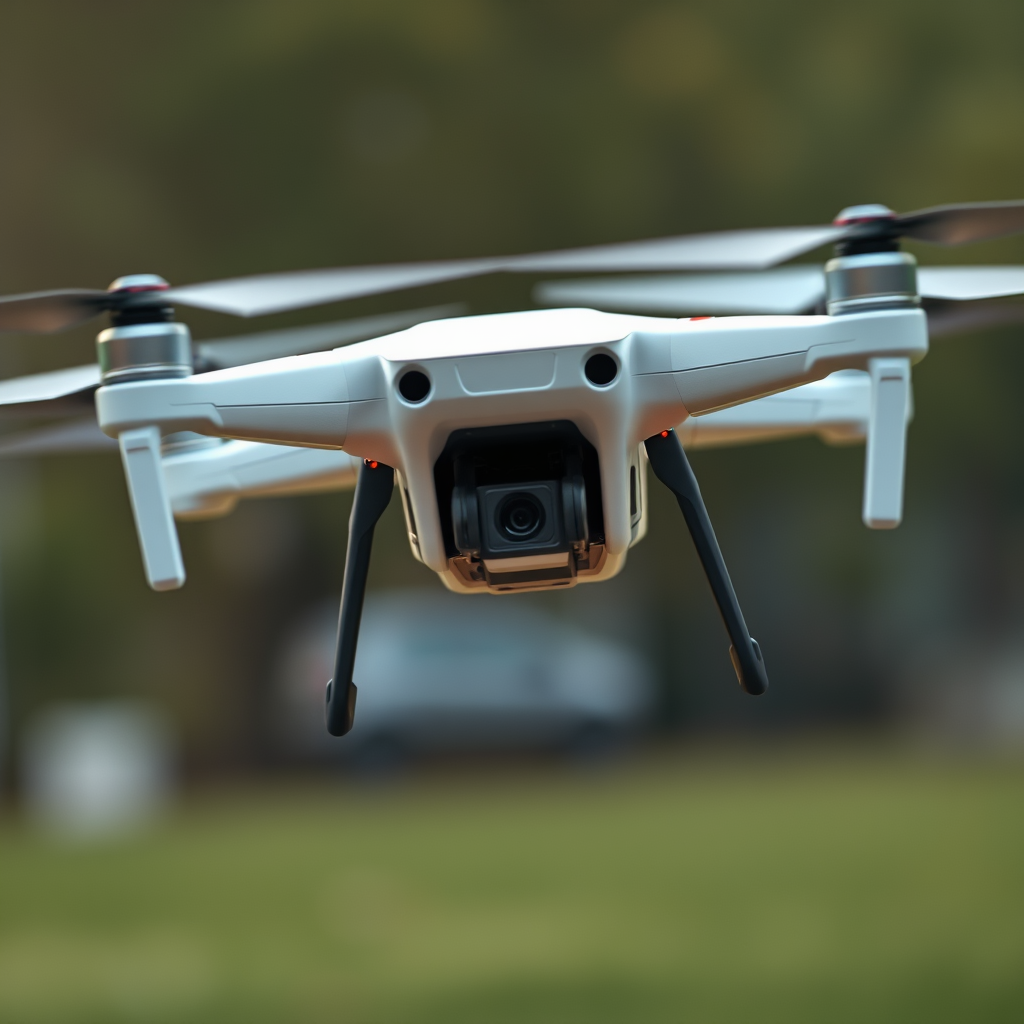
Consumer drones typically have flight speeds ranging from 15 to 50 miles per hour, depending on the model and conditions. While some high-performance racing drones can exceed 100 miles per hour, most consumer drones are designed with a balance of speed, stability, and functionality in mind. This article will delve into the various factors that influence drone speed, explore the capabilities of different types of consumer drones, and provide insights into what users can expect from their flying experience.
Understanding Drone Speed Categories
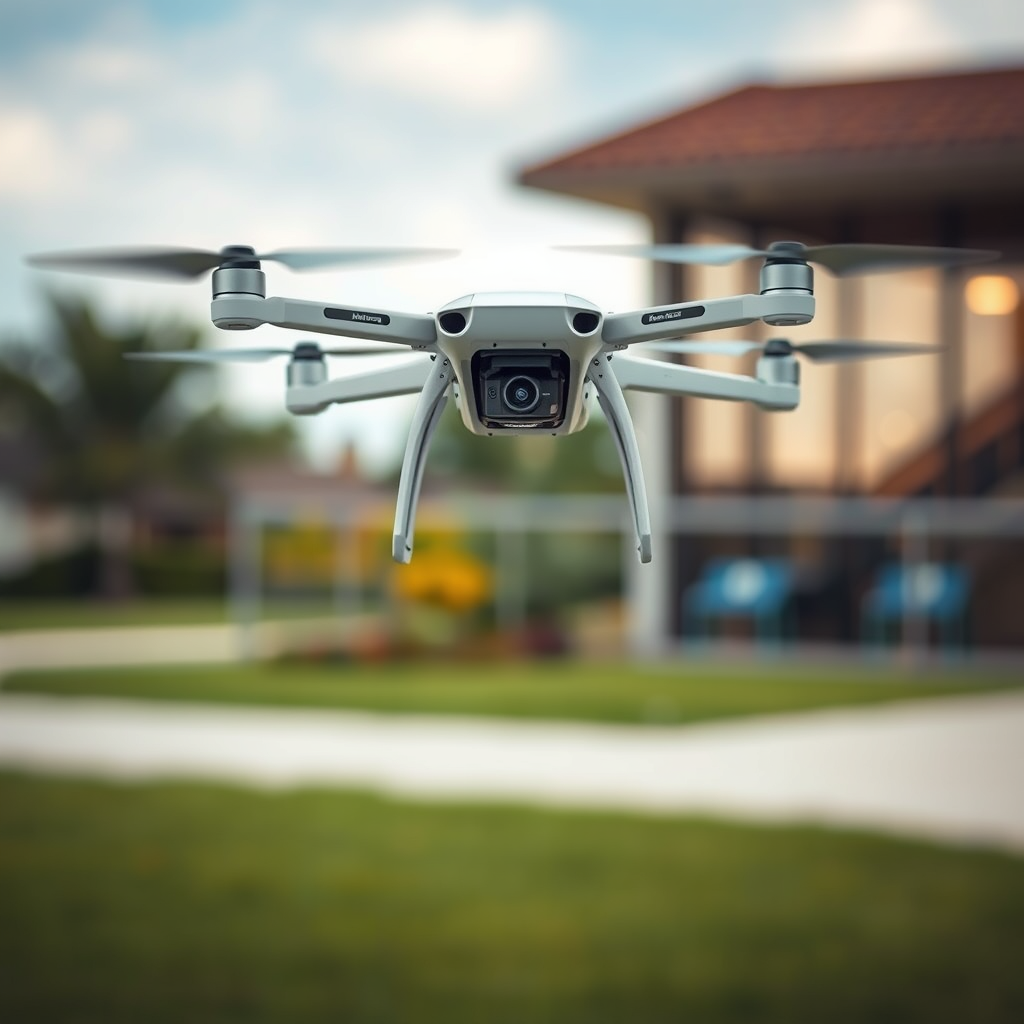
Drones are categorized into various types based on their speed capabilities, including racing drones, photography drones, and recreational drones. Racing drones, specifically engineered for speed and agility, often feature lightweight materials and powerful motors, allowing them to reach impressive velocities of over 100 mph. These drones are typically used in competitive environments where speed and maneuverability are paramount.
On the other hand, photography drones, such as those in the DJI Phantom series, are designed to prioritize stability and image quality over sheer speed. These drones usually fly at more moderate speeds, around 30 to 40 mph, allowing for smooth aerial photography and videography. Recreational drones, which appeal to hobbyists and casual flyers, often fall within the same speed range but may vary based on specific models and their intended use. Understanding these categories helps consumers select the right drone based on their needs, whether for racing, capturing stunning visuals, or simply enjoying leisurely flights.
Factors Affecting Drone Speed
Several factors significantly influence a drone’s speed, with weight and design being paramount. Generally, lighter models can achieve higher speeds due to reduced drag and improved thrust-to-weight ratios. A well-designed drone, featuring an aerodynamic frame and efficient propulsion system, can also enhance speed performance.
Environmental conditions play a crucial role in determining how fast a drone can fly. Wind speed is a significant factor; strong headwinds can slow a drone’s forward momentum, while tailwinds can give it a boost. Temperature can also affect battery efficiency, with colder conditions potentially reducing performance. Pilots should always consider these factors before flying, as they can dramatically impact the overall experience and speed capabilities of the drone.
Popular Consumer Drones and Their Speeds
Among the most popular consumer drones, the DJI Mavic series stands out for its impressive specifications and capabilities. Mavic models typically fly at speeds around 40 mph, making them suitable for both recreational and professional use. The Mavic Air 2, for example, not only offers speed but also advanced features like obstacle avoidance and intelligent flight modes, making it a favorite among content creators.
In the realm of racing drones, models like the EMAX Hawk 5 cater to competitive enthusiasts, achieving speeds over 80 mph. These drones come equipped with high-performance motors and lightweight frames, allowing for exhilarating racing experiences and high-speed maneuvers. For those interested in speed, investing in a racing drone can provide an adrenaline-pumping experience that differs significantly from the more leisurely pace of photography drones.
Legal Regulations Impacting Drone Speed
Drone operators must navigate a landscape of regulations that can impact how fast they can fly. The Federal Aviation Administration (FAA) in the United States, for instance, sets maximum altitude limits and specific guidelines that restrict drone operations. While these regulations are primarily focused on safety, they can indirectly affect speed, as pilots may need to adjust their flying practices to comply with legal standards.
It’s essential for drone operators to familiarize themselves with local laws and regulations, as these can vary significantly from one region to another. Some areas may have designated no-fly zones, while others may impose specific restrictions based on population density or proximity to airports. Non-compliance can result in penalties, making it crucial for pilots to be informed and responsible.
Tips for Maximizing Drone Speed
To achieve optimal speed during flights, drone operators can implement several best practices. Proper maintenance is fundamental; keeping the drone in excellent condition can enhance performance. Regularly checking and updating firmware ensures that the drone operates with the latest enhancements and improvements.
Adjusting flight mode settings can also make a difference. Many drones feature modes tailored for speed, which can be activated when the pilot desires a more exhilarating flying experience. Additionally, optimizing battery life is essential; a fully charged battery will not only extend flight time but also ensure that the drone operates at its peak performance level.
Flying in favorable conditions—such as calm weather with minimal wind—can also contribute to achieving maximum speeds. Planning flights during optimal times can significantly enhance the experience and allow for a more enjoyable and faster flying session.
Safety Considerations When Flying Fast
While flying at high speeds can be exhilarating, it also increases the risk of accidents. Ensuring the safety of both the operator and the public should be a priority. It is essential to maintain a safe distance from people, property, and obstacles to prevent potential collisions.
Using a drone with advanced obstacle avoidance technology can significantly mitigate risks associated with high-speed flying. Many modern consumer drones come equipped with sensors that detect obstacles in the drone’s path, allowing it to navigate and avoid collisions automatically. This feature can be particularly valuable for new pilots who may not yet have developed the skills necessary to manage high-speed flights effectively.
Educating oneself about safe flying practices and remaining aware of the environment can enhance the flying experience while ensuring safety is not compromised.
In conclusion, consumer drones can offer impressive speeds, typically ranging from 15 to 50 miles per hour, with specialized racing drones pushing the limits even further. Various factors, including weight, design, environmental conditions, and legal regulations, can influence how fast a drone can fly. By understanding these elements, drone enthusiasts can enhance their flying experience while prioritizing safety and compliance with local laws. Whether you are a recreational flyer or a competitive racer, being informed about your drone’s capabilities will lead to more enjoyable and successful flights.
Frequently Asked Questions
What is the average speed of a consumer drone?
The average speed of a consumer drone typically ranges from 15 to 50 miles per hour (24 to 80 kilometers per hour). Factors like the drone’s design, weight, and battery capacity can influence its speed. High-performance models, especially those designed for racing or aerial photography, can achieve speeds exceeding 60 mph (97 km/h), making them suitable for various applications.
How can I increase the speed of my consumer drone?
To increase the speed of your consumer drone, consider upgrading to a higher-capacity battery and optimizing the drone’s weight by removing unnecessary accessories. Additionally, adjusting the propellers for better aerodynamics and ensuring that the firmware is updated can enhance performance. Finally, flying in optimal weather conditions, such as minimal wind resistance, can also help achieve higher speeds.
Why do some consumer drones have speed limitations?
Speed limitations in consumer drones are often due to safety regulations, battery life, and structural integrity. Manufacturers design drones to operate within specific speed thresholds to prevent crashes and ensure stable flight. Furthermore, higher speeds can lead to faster battery drain, which may compromise flight time and increase the risk of losing control.
Which consumer drones are the fastest on the market?
Some of the fastest consumer drones available include the DJI FPV, capable of reaching speeds up to 87 mph (140 km/h), and the Holy Stone HS720, which can fly at approximately 44 mph (71 km/h). Racing drones, like the Eachine Wizard X220, are also designed for speed, often exceeding 60 mph (97 km/h) in competitive settings. When selecting a fast drone, consider the intended use and ensure it complies with local regulations.
What factors affect the flying speed of a consumer drone?
Several factors affect the flying speed of a consumer drone, including its weight, aerodynamics, battery power, and environmental conditions. Heavier drones may struggle to achieve high speeds due to increased drag, while aerodynamic designs can enhance speed capabilities. Additionally, wind resistance, temperature, and altitude can impact a drone’s performance, making it essential to consider these variables before flight.
References
- https://en.wikipedia.org/wiki/Consumer_drone
- https://www.faa.gov/uas/
- https://www.nytimes.com/2021/05/05/business/drone-technology.html
- https://www.theguardian.com/technology/2021/jul/09/drone-speed-competition
- https://www.sciencedirect.com/science/article/pii/S2351978921000292
- https://www.reuters.com/technology/drones/
- https://www.techrepublic.com/article/how-fast-can-drones-fly/
- https://www.nasa.gov/feature/what-is-a-drone
- https://www.aiaa.org/docs/default-source/uploadedfiles/2020-aiaa-uav-forum-presentation.pdf
- https://www.dji.com/information/faq
