
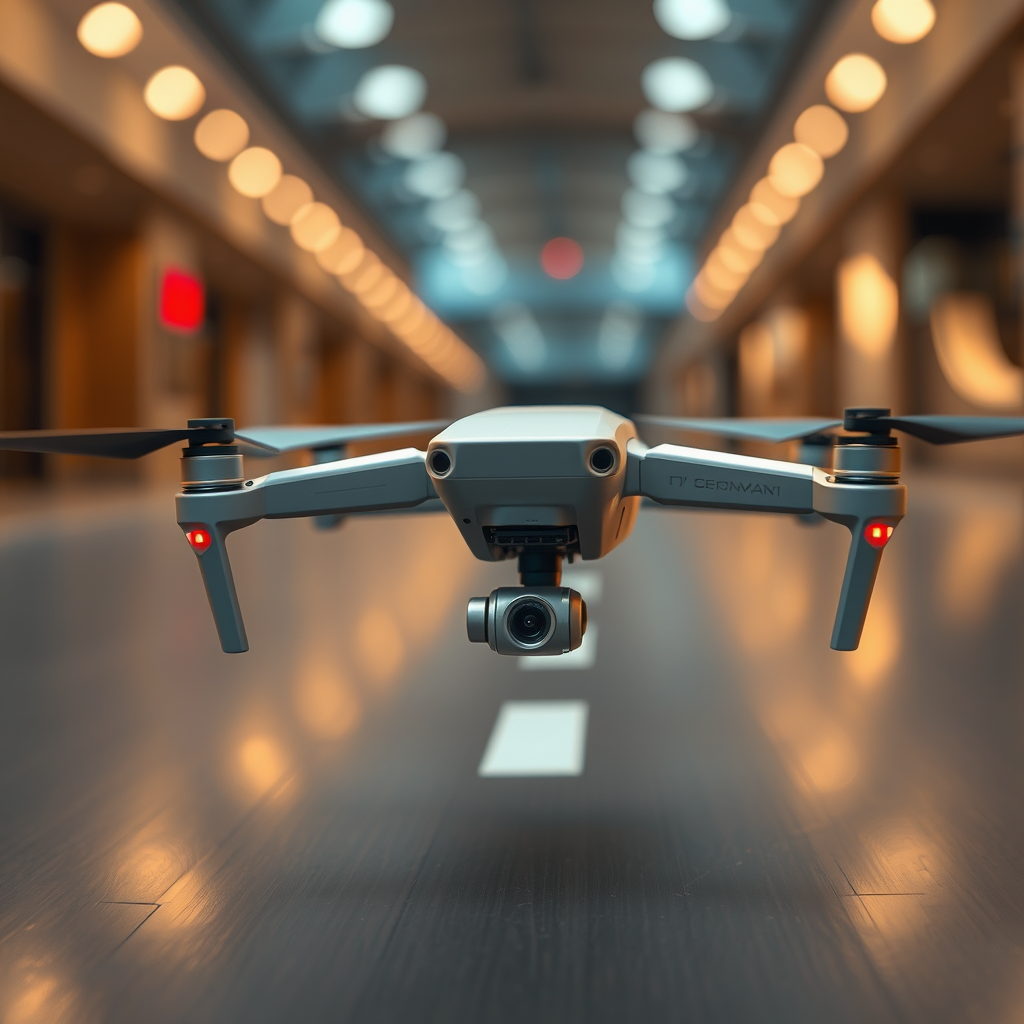
Drones can fly at speeds ranging from 15 mph to over 100 mph, depending on their type and design. This remarkable variation is influenced by several factors, including the drone’s intended use, its construction, and the technological advancements incorporated into its design. In this article, we will delve deeper into the different types of drones, the elements that impact their speed, and the broader implications of these speeds for users in various fields.
Understanding Drone Types and Their Speeds
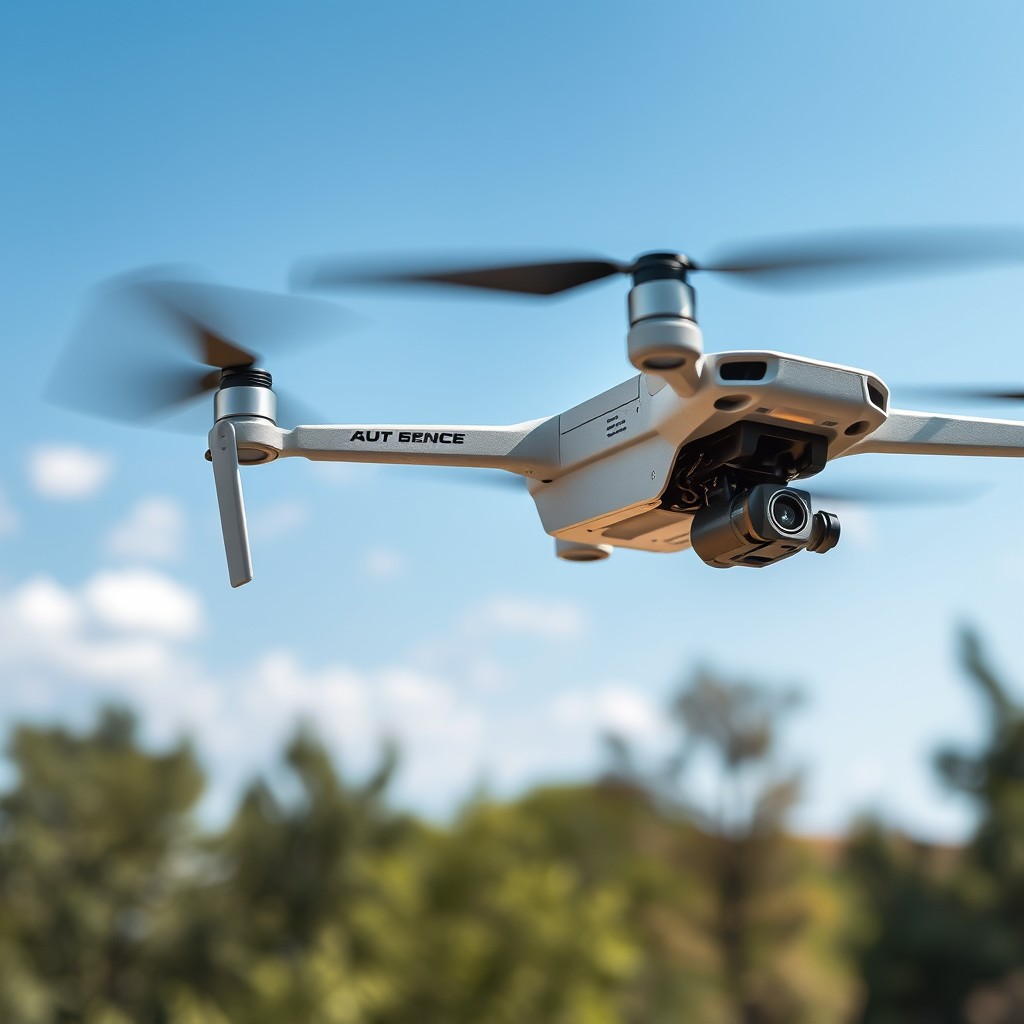
Drones come in various categories, with each designed for specific applications and performance levels.
– Consumer Drones: These are primarily aimed at hobbyists and casual users. Typically, consumer drones fly at speeds between 15 to 30 mph. This speed range is optimal for recreational activities, such as aerial photography, personal videography, and casual flying. Drones like the DJI Mavic Air 2 exemplify this category, offering a top speed of approximately 42.5 mph while maintaining stability and ease of use.
– Racing Drones: In stark contrast, racing drones are engineered for speed and agility, often reaching speeds of up to 100 mph in competitive settings. These drones are lightweight and designed for maneuverability, enabling pilots to navigate tight courses with precision. Models such as the Eachine Wizard X220 highlight the capabilities of racing drones, showcasing how speed can be a critical factor in drone racing competitions.
The differences in speed across drone types reflect the diverse needs of users, from casual enthusiasts to competitive racers.
Factors Influencing Drone Speed
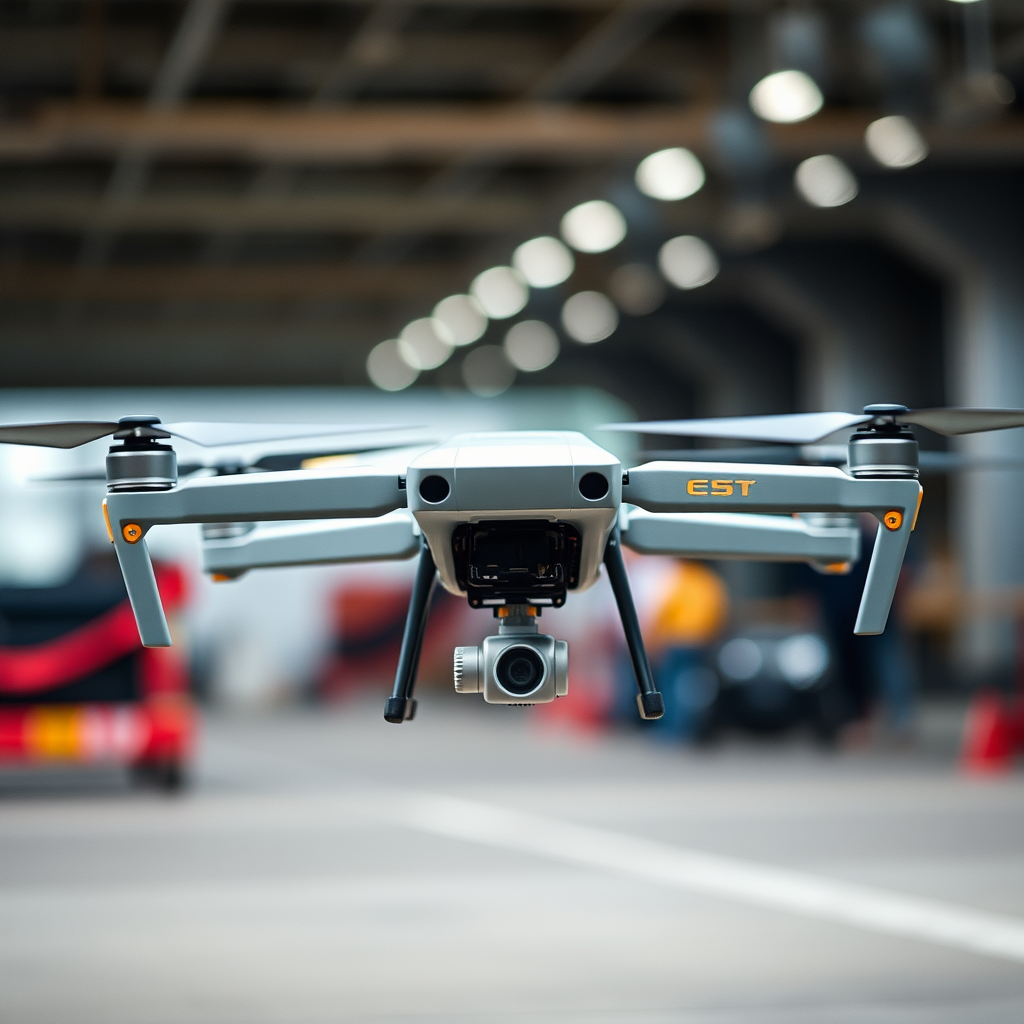
Several factors significantly influence how fast a drone can fly, and understanding these can aid prospective buyers in choosing the right model.
– Weight and Design: The weight of a drone plays a crucial role in its speed. Lighter drones are generally able to achieve higher speeds due to reduced drag. For instance, carbon fiber frames are often utilized in racing drones to minimize weight without sacrificing structural integrity. Conversely, heavier drones, which may be equipped with more advanced technology or larger batteries, might struggle to reach comparable speeds.
– Battery Power: The type and efficiency of a drone’s battery also have a direct impact on its speed. High-capacity lithium polymer (LiPo) batteries provide more power for acceleration and sustained speed. The energy output from the battery must be carefully balanced with the drone’s weight and motor capability to optimize performance. Consequently, manufacturers are constantly innovating in battery technology to enhance flight times and speeds.
The Role of Technology in Drone Speed
Technological advancements are pivotal in enhancing drone speeds, as they improve the overall efficiency and performance of these devices.
– Propeller Design: The design of the propellers is a key factor in a drone’s aerodynamics. Advanced propeller shapes can reduce drag and allow for greater speed. For example, drones with larger, more efficient propellers can generate more lift and thrust, contributing to faster flight. Companies like DJI are continuously experimenting with propeller shapes to maximize performance across various drone models.
– Motor Quality: The motors used in drones are another critical element that affects speed. High-performance brushless motors are favored for their ability to deliver rapid acceleration and higher top speeds. These motors provide better torque and responsiveness, allowing drones to reach their maximum speeds more quickly. For instance, racing drones equipped with high-quality motors can accelerate from 0 to 60 mph in just a few seconds.
Legal Speed Limits and Regulations
While the Federal Aviation Administration (FAA) has established guidelines for drone operation, it is essential to note that there are no specific speed limits for drones.
– FAA Guidelines: The FAA regulates the maximum altitude for drone flights, which is generally capped at 400 feet above ground level. However, the agency does not impose specific speed limits, leaving users to operate their drones within the parameters of safety and local regulations. This creates a flexible environment where drone operators can utilize the full potential of their devices.
– Local Laws: In addition to FAA guidelines, local laws may impose restrictions on drone operation speeds, particularly in urban areas or near airports. Operators should familiarize themselves with these regulations to ensure compliance and avoid potential fines. It’s advisable to check with local authorities before flying to understand any specific limitations in place.
Practical Applications of Drone Speed
The speed of drones has practical implications across various industries, affecting how they are utilized in real-world applications.
– Aerial Photography: For aerial photographers, speed can significantly influence the quality and stability of captured images. Faster drones may experience more turbulence, which can lead to shaky footage or blurred images, particularly in windy conditions. Therefore, stability is often prioritized over speed in photography-oriented drones, where slower speeds can enhance image quality.
– Delivery Services: In the realm of logistics, faster drones can drastically improve delivery times, making them an attractive option for companies looking to enhance efficiency. For instance, companies like Amazon have been experimenting with drone delivery services that leverage speed to reduce wait times for customers. The potential for rapid delivery could reshape the logistics landscape, particularly in urban settings.
Future Innovations in Drone Speed
As technology continues to advance, the future of drone speed promises exciting developments.
– Emerging Technologies: Innovations in battery life, materials, and propulsion systems are expected to pave the way for faster drones. For example, the development of solid-state batteries could lead to lighter, more energy-dense options that enhance both speed and flight duration. Additionally, advancements in artificial intelligence and automation may contribute to more efficient flight paths and operational speeds.
– Potential Market Trends: The demand for faster drones is expected to grow across various industries, from entertainment to agriculture. As businesses seek to leverage drone technology for competitive advantage, manufacturers may focus on speed enhancement as a key selling point, driving further innovation and research in the field.
In summary, the speed of a drone can vary widely based on several factors, including its type, design, and intended use. Understanding these elements can help users choose the right drone for their needs and make the most of its capabilities. If you’re considering a drone purchase, take these speed factors into account to ensure you find the perfect fit for your activities. As the drone industry continues to evolve, staying informed about speed and performance will be crucial for maximizing the benefits of this versatile technology.
Frequently Asked Questions
What is the average speed of recreational drones?
The average speed of recreational drones typically ranges from 15 to 30 miles per hour (24 to 48 kilometers per hour). However, more advanced models designed for racing can reach speeds of up to 70 miles per hour (113 kilometers per hour). It’s important to note that factors such as drone weight, battery life, and environmental conditions can affect speed.
How fast can commercial drones fly for delivery services?
Commercial drones used for delivery services, such as those operated by companies like Amazon and UPS, usually fly at speeds between 30 to 45 miles per hour (48 to 72 kilometers per hour). These drones are engineered for efficiency and speed to ensure timely deliveries while adhering to regulations and safety standards.
Why do some drones have speed limits?
Many drones come with speed limits imposed by manufacturers to ensure safety and compliance with aviation regulations. These limits prevent inexperienced pilots from flying too fast, which could lead to crashes or loss of control. Additionally, speed regulations help maintain airspace safety, especially in populated areas.
Which drones have the fastest flight speeds on the market?
Some of the fastest drones available on the market include the DJI FPV, which can reach speeds of up to 87 miles per hour (140 kilometers per hour), and racing drones like the EMAX Hawk 5, capable of speeds exceeding 100 miles per hour (160 kilometers per hour). These high-speed drones are specifically designed for racing and advanced aerial maneuvers, making them popular among drone enthusiasts.
How can I increase the speed of my drone?
To increase the speed of your drone, consider upgrading its propellers and motors to more powerful options designed for high performance. Additionally, reducing the weight by removing unnecessary accessories and ensuring your drone is properly calibrated can enhance its speed. However, it’s essential to adhere to safety guidelines and regulations when modifying your drone.
References
- https://en.wikipedia.org/wiki/Drone
- https://www.faa.gov/uas/
- https://www.nasa.gov/centers/langley/news/factsheets/Drone.html
- https://www.reuters.com/technology/drone-market-expected-reach-43-bln-2024-2023-01-17/
- https://www.sciencedirect.com/science/article/pii/S2213138821001954
- https://www.theguardian.com/technology/2020/feb/04/drone-technology-future-potential-uses
- https://www.bbc.com/future/article/20220302-how-fast-can-drones-fly
- https://www.techcrunch.com/2022/05/20/how-fast-can-drones-fly/
