
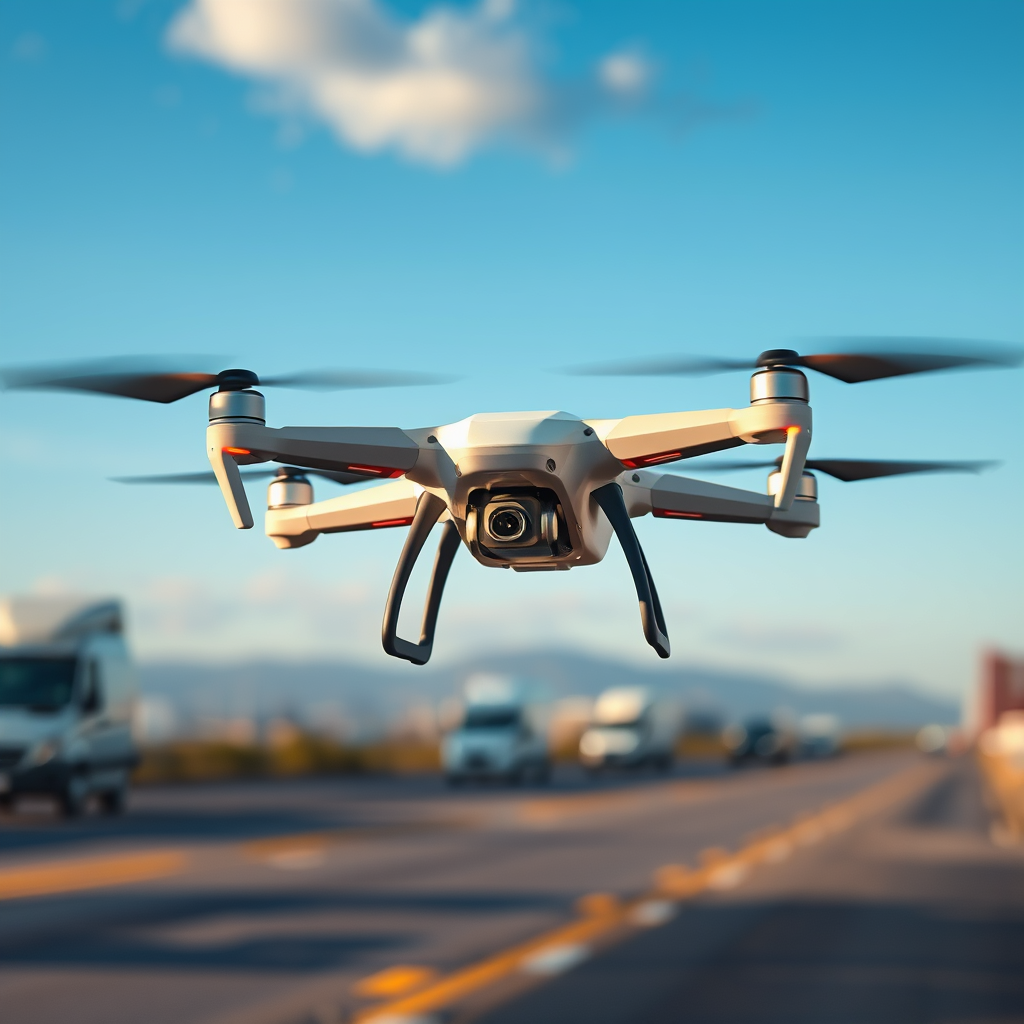
Commercial drones can typically fly at speeds ranging from 15 to 150 miles per hour, depending on their model and purpose. This impressive speed range showcases the versatility of drones in various applications, from delivery services to agricultural monitoring. Understanding the factors that influence drone speed, the types of drones available, and their practical uses across industries is essential for anyone looking to harness the potential of drone technology.
Understanding Drone Speed Categories
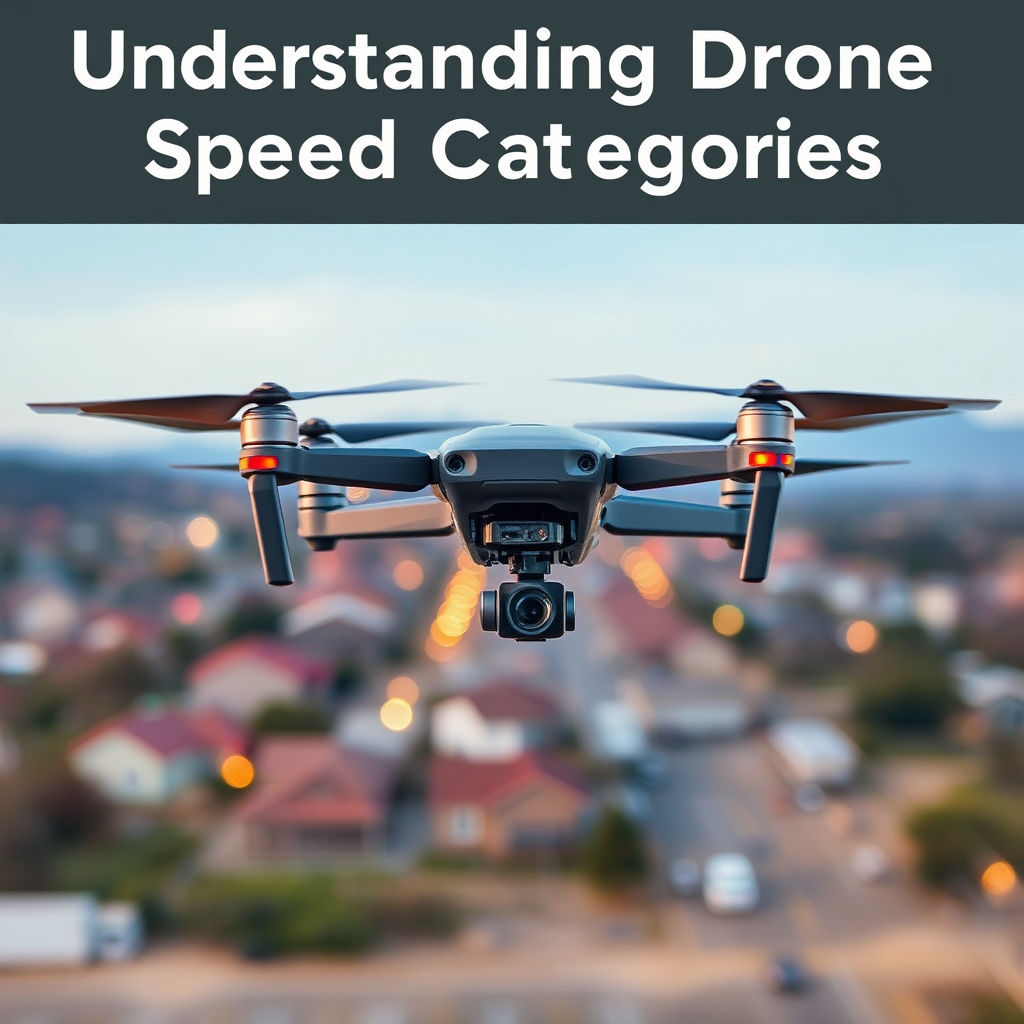
The speed capabilities of drones vary significantly across different categories, primarily defined by their design and intended use. Consumer drones, often used for recreational purposes and photography, generally feature speeds between 15 to 30 mph. These drones prioritize stability and ease of use over speed, making them suitable for hobbyists and amateur photographers.
In contrast, commercial drones are designed for a wide range of applications, including surveillance, delivery, and agricultural monitoring. These drones can reach speeds of up to 150 mph, depending on their configuration and purpose. Racing drones represent another category altogether; these high-performance machines are engineered for speed and agility, often achieving speeds exceeding 100 mph in competitive environments.
The categorization of drones based on speed not only reflects their design but also impacts their operational capabilities. For businesses considering drone integration, understanding these categories is crucial for selecting the right model to meet specific operational needs.
Factors Affecting Drone Speed
Several factors influence the speed of commercial drones, with two of the most significant being weight and battery life.
– Weight: The overall weight of a drone, including its payload, plays a crucial role in determining its speed. Heavier drones experience increased drag, which can hinder their ability to attain higher speeds. For example, a commercial drone designed for package delivery may need to balance payload capacity with speed efficiency, leading to design choices that affect overall performance.
– Battery Life: High-speed flights typically consume more battery power, leading to a trade-off between speed and flight duration. Drones that are designed for rapid delivery or surveillance often require advanced battery technology to sustain longer flight times while maintaining speed. Innovations in battery efficiency, such as lithium-polymer advancements, are continuously evolving to address these challenges, allowing drones to fly faster without compromising flight time.
Understanding these factors is essential for operators who need to optimize drone performance for specific tasks, ensuring that speed does not come at the expense of reliability or operational efficiency.
Types of Commercial Drones and Their Speeds
Commercial drones can be broadly categorized into two main types: fixed-wing drones and multi-rotor drones, each with its own speed characteristics.
– Fixed-Wing Drones: These drones are designed for long-distance travel and typically achieve higher speeds, often reaching up to 150 mph. Their aerodynamic design allows them to cover large areas efficiently, making them ideal for applications such as mapping, surveying, and environmental monitoring. For instance, companies like senseFly utilize fixed-wing drones to provide aerial imaging services that require extensive coverage with minimal flight time.
– Multi-Rotor Drones: In contrast, multi-rotor drones, which include quadcopters and hexacopters, are generally slower but offer superior maneuverability. These drones typically fly at speeds ranging from 15 to 40 mph, making them well-suited for tasks that require precise control, such as aerial photography, inspections, and agricultural monitoring. Companies like DJI produce a range of multi-rotor drones that are popular for their ease of use and ability to perform intricate maneuvers in confined spaces.
Understanding the differences in speed and functionality between these drone types is vital for businesses and individuals seeking to leverage drone technology effectively across various applications.
Applications of Fast Drones
The speed capabilities of commercial drones enable them to be utilized in a variety of applications across numerous industries.
– Delivery Services: One of the most prominent applications of fast drones is in delivery services. Companies like Amazon and UPS are actively exploring drone technology for rapid package delivery. Fast drones can transport goods quickly over short distances, reducing delivery times and operational costs. For example, the use of drones for last-mile delivery can significantly enhance efficiency, especially in urban areas where traffic congestion is an issue.
– Agricultural Monitoring: Fast drones are also making a significant impact in agriculture. Drones equipped with high-resolution cameras and sensors can cover vast fields in a fraction of the time it would take traditional methods, enabling farmers to monitor crop health, assess irrigation needs, and even apply fertilizers and pesticides efficiently. Companies such as PrecisionHawk utilize fast drones to provide actionable insights to farmers, ultimately leading to increased crop yields and reduced resource waste.
The versatility and speed of commercial drones have the potential to transform industries by enhancing operational efficiencies and creating new opportunities for innovation.
Regulatory Considerations for Drone Speed
As the commercial drone industry continues to evolve, regulatory considerations surrounding drone speed and operations remain a critical aspect.
– Local Regulations: Many regions have imposed specific speed limits on commercial drones to ensure safety and minimize risks to people and property. Operators must be aware of these regulations to avoid fines and legal issues. For instance, the FAA has established guidelines for drone operations in the United States, which include restrictions on flying in certain areas and at specified speeds.
– Compliance with FAA Guidelines: Compliance with Federal Aviation Administration (FAA) guidelines is essential for operational safety. The FAA sets forth rules regarding the maximum altitude and speed at which drones can operate, as well as requirements for pilot certification and drone registration. Businesses looking to incorporate drones into their operations must stay informed about these regulations to ensure they are adhering to safety standards and maintaining compliance.
Understanding the regulatory landscape surrounding drone speed is vital for operators to navigate the complexities of commercial drone use successfully.
Future Trends in Drone Speed
The future of drone technology is promising, particularly regarding advancements in speed and efficiency.
– Technological Advancements: Ongoing research and development in drone technology are expected to yield faster and more efficient drones. Innovations in aerodynamics, propulsion systems, and design are paving the way for drones that can cover greater distances at higher speeds, enhancing their utility across various applications.
– Innovations in Battery Technology: The development of advanced battery technologies, such as solid-state batteries and energy-dense lithium-ion batteries, holds the potential to revolutionize drone speed and performance. These innovations could allow drones to maintain high speeds for extended periods, making them even more effective for applications like delivery and aerial surveillance.
As technology continues to advance, we can anticipate an exciting future for commercial drones, one that promises to enhance their capabilities and expand their applications across industries.
In summary, commercial drones can fly at a wide range of speeds influenced by their design, intended use, and various operational factors. With advancements in technology, the drone industry is poised for rapid evolution, leading to faster, more efficient drones that will further revolutionize industries. Staying informed about these developments is crucial for businesses and individuals looking to leverage the benefits of drone technology in their operations.
Frequently Asked Questions
What is the average speed of commercial drones?
The average speed of commercial drones typically ranges from 20 to 60 miles per hour (32 to 97 kilometers per hour), depending on the model and purpose. For example, delivery drones may operate at lower speeds to ensure package safety, while surveying drones can reach higher speeds to cover larger areas quickly. Factors like wind conditions, payload weight, and battery life also affect the actual speed during operation.
How fast can delivery drones operate?
Delivery drones are designed to travel at speeds of 30 to 50 miles per hour (48 to 80 kilometers per hour) in optimal conditions. Companies like Amazon and UPS are testing drones that can achieve these speeds to enhance delivery efficiency. However, regulatory requirements, airspace restrictions, and safety protocols can influence the operational speed in real-world scenarios.
Why do commercial drones have speed limits?
Commercial drones have speed limits primarily due to safety and regulatory considerations. The Federal Aviation Administration (FAA) and other aviation authorities impose restrictions to prevent accidents, ensure safe operations around populated areas, and maintain air traffic safety. Additionally, slower speeds allow for better control, especially in complex environments where navigation and obstacle avoidance are crucial.
Which types of commercial drones are the fastest?
The fastest commercial drones are typically those designed for racing or high-performance applications, such as the DJI FPV drone, which can reach speeds of up to 87 mph (140 km/h). However, for commercial use, fixed-wing drones, such as the senseFly eBee X, are known for their speed and efficiency in mapping and surveying, capable of flying at around 68 mph (110 km/h). The choice of drone depends on specific operational requirements and intended applications.
How can I increase the flying speed of my commercial drone?
To increase the flying speed of your commercial drone, consider optimizing its weight by reducing unnecessary payload and using lightweight materials. Additionally, ensuring that the drone’s propellers are in good condition and adjusting the flight settings for maximum performance can help. Regular maintenance, battery health checks, and flying in optimal weather conditions also contribute to achieving higher speeds during flights.
References
- https://en.wikipedia.org/wiki/Drone#Commercial_drones
- https://www.faa.gov/uas/
- https://www.nytimes.com/2021/06/23/technology/drone-delivery.html
- https://www.reuters.com/business/aerospace-defense/what-you-need-know-about-commercial-drones-2021-03-09/
- https://www.ncbi.nlm.nih.gov/pmc/articles/PMC6606985/
- https://www.techrepublic.com/article/the-future-of-commercial-drones-in-2021-and-beyond/
- https://www.wired.com/story/commercial-drone-delivery/
