
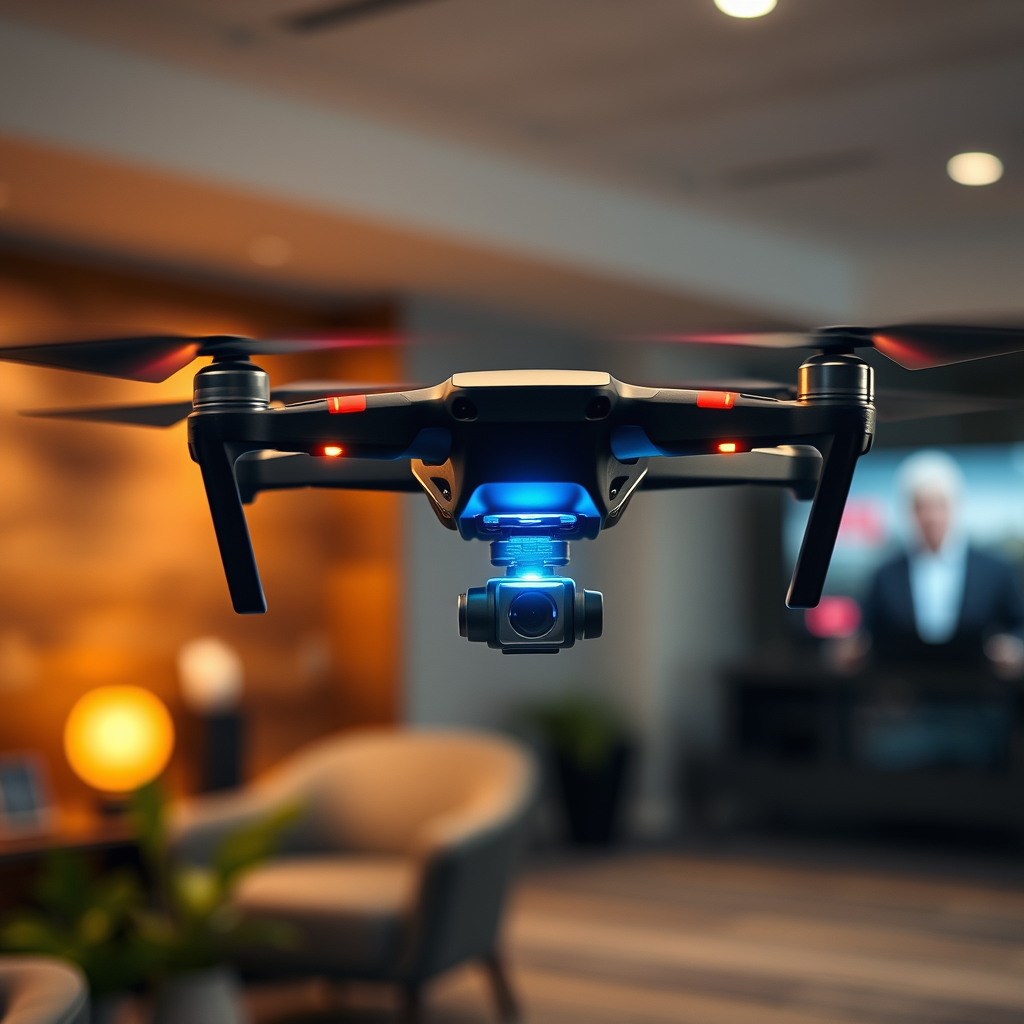
Drones can fly at speeds ranging from 15 mph for entry-level models to over 70 mph for advanced racing drones. Understanding the factors that influence drone speed can help you choose the right model for your needs and applications. The rapid evolution of drone technology has paved the way for significant advancements in speed and performance, making it essential for enthusiasts and professionals alike to grasp the fundamentals of drone categories, design, and regulations.
Understanding Drone Categories
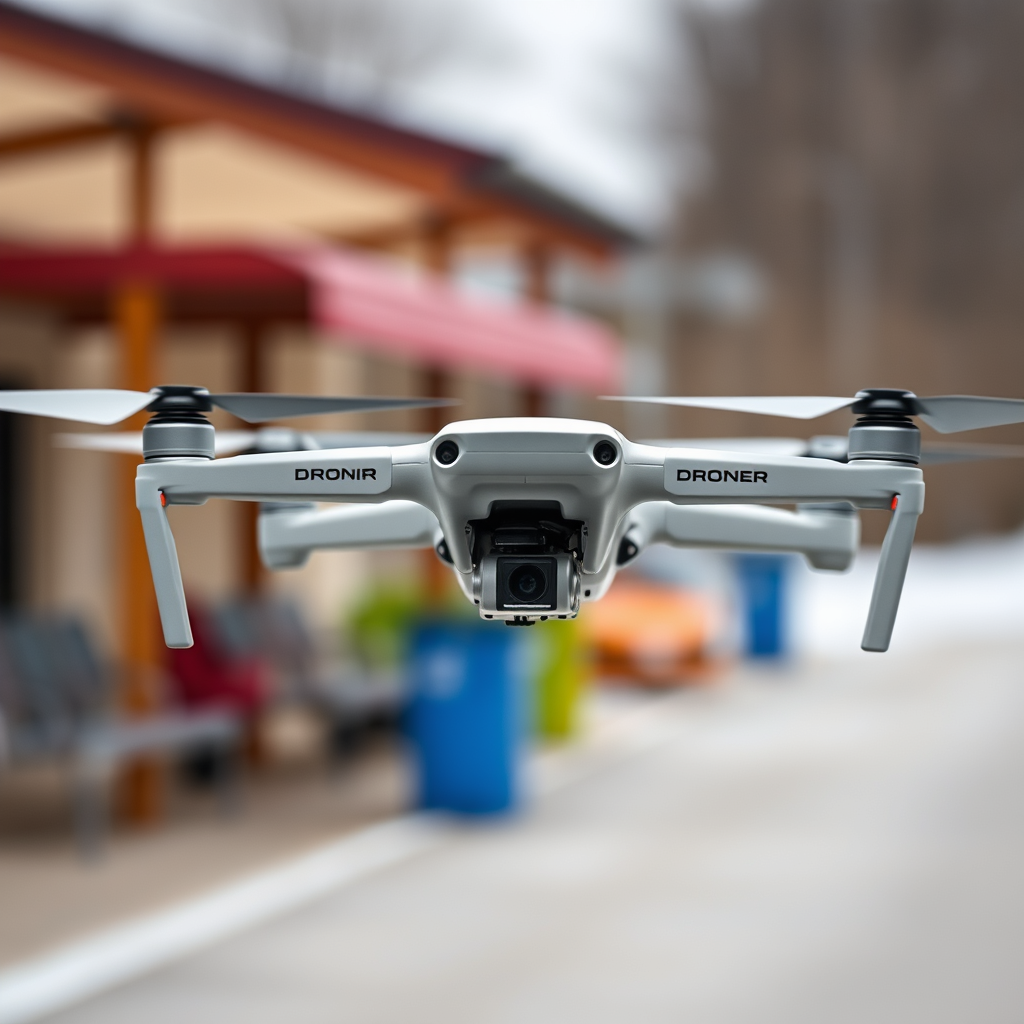
Drones can be broadly categorized into two main types: consumer drones and racing drones.
– Consumer Drones: These are typically designed for recreational use, aerial photography, and videography. They usually operate at slower speeds, ranging from 15 to 30 mph. Popular models like the DJI Mavic Air and the DJI Phantom series are excellent examples of consumer drones that prioritize ease of use and stability over sheer speed. Their slower speeds are often adequate for capturing high-quality images and videos while maintaining control and safety.
– Racing Drones: In stark contrast, racing drones are engineered specifically for speed and agility. These models can exceed speeds of 70 mph, making them popular in competitive racing environments. Racing drones, such as the Fat Shark 101 and the EMAX Hawk Series, are optimized for rapid acceleration and maneuverability, enabling pilots to navigate challenging courses and perform aerial stunts. Their design often incorporates lightweight materials and high-performance components that contribute to their impressive velocity.
Factors Affecting Drone Speed
Several factors contribute to the speed capabilities of drones, with two primary aspects being drone design and motor power.
– Drone Design: The aerodynamics of a drone significantly impacts its flying speed. Drones with streamlined shapes and lightweight frames can achieve higher velocities thanks to reduced air resistance. Additionally, the placement of the propellers and the overall weight distribution play critical roles in determining how efficiently a drone can cut through the air. For instance, a racing drone will often have an elongated frame to minimize drag, while consumer drones might prioritize stability over speed.
– Motor Power: The strength and efficiency of the motors are pivotal in determining a drone’s acceleration and maximum speed. Higher wattage motors generally provide better thrust, allowing drones to reach and maintain faster speeds. For example, a drone equipped with powerful brushless motors can achieve rapid acceleration compared to one with less powerful motors. Understanding motor specifications is essential for anyone looking to purchase a drone tailored to specific speed requirements.
Types of Drones and Their Speeds
Drones come in various configurations, each with distinct speed capabilities. Here, we delve into some common types of drones and their speed profiles.
– Quadcopter Drones: As the most prevalent type of consumer drone, quadcopters typically have average speeds ranging from 15 to 25 mph. They are favored for their stability and ease of control, making them suitable for tasks such as aerial photography and recreational flying. Models like the DJI Mini 2 showcase a balanced combination of speed and functionality, appealing to both beginners and experienced pilots.
– Fixed-Wing Drones: Unlike quadcopters, fixed-wing drones are designed for efficiency over long distances. They can achieve speeds of 60 mph or more, making them ideal for applications such as agricultural monitoring and surveying large areas. Fixed-wing drones, such as the senseFly eBee X, utilize their aerodynamic design to glide efficiently, covering vast distances without expending excessive energy.
Real-World Speed Examples
To better illustrate drone speeds, let’s highlight a few popular models across different categories.
– Popular Models: The DJI Phantom 4 Pro is a well-regarded consumer drone known for its capability to reach speeds of up to 44 mph. This model balances speed with an impressive array of features, such as obstacle avoidance and a high-resolution camera, making it a favorite among both hobbyists and professionals. Another popular option is the Autel Robotics EVO Lite+, which can fly at speeds of up to 40 mph while offering exceptional camera quality.
– Racing Drones: For those interested in speed, racing drones like the EMAX Hawk 5 are specifically designed for high-performance flying. These drones can easily exceed speeds of 70 mph, providing an exhilarating experience for pilots during competitive events. The combination of lightweight frames, high-torque motors, and advanced flight controllers makes these drones exceptionally agile, capable of navigating tight turns and complex courses with ease.
Legal Speed Limits and Regulations
While the excitement of flying fast drones is undeniable, it’s crucial to be aware of the legal implications concerning drone speed and operation.
– FAA Regulations: In the United States, the Federal Aviation Administration (FAA) has set forth regulations that govern drone operation, including altitude limits and airspace restrictions. While there is no specific speed limit for drones, the overarching guidelines require pilots to fly below 400 feet and maintain visual line-of-sight, which indirectly impacts how fast they can fly in certain areas. Pilots must also avoid flying near airports or in restricted airspace, which can further limit speed opportunities.
– Safety Considerations: Adhering to local laws and regulations is paramount for ensuring the safety of both the pilot and the public. High-speed drone flights can pose risks, especially in populated areas. Responsible flying practices include maintaining a safe distance from people and properties, avoiding flights in adverse weather conditions, and staying informed about local laws.
Future of Drone Speed Technology
The future of drone technology holds promise for even faster models, driven by innovations in design and materials.
– Innovations: Emerging technologies, such as improved battery efficiency and advanced propulsion systems, are paving the way for drones that can fly faster and longer. Concepts like hybrid drones that combine vertical takeoff capabilities with fixed-wing efficiency are being explored, potentially leading to significant advancements in speed and operational range.
– Applications: The implications of faster drones extend beyond recreational use. High-speed drones could revolutionize delivery services by enabling rapid transportation of goods over urban landscapes. Additionally, in emergency response scenarios, faster drones could facilitate quicker assessments of disaster areas, delivering critical supplies and information to first responders in real time.
In conclusion, drone speeds vary significantly based on type and purpose, with some models achieving impressive velocities. By understanding the distinctions between consumer and racing drones, as well as the factors influencing speed, you can make informed decisions suited to your needs. Whether you are a hobbyist seeking to capture stunning aerial footage or a competitive pilot aiming for high-speed thrills, always remember to adhere to safety regulations and local laws to ensure a responsible flying experience.
Frequently Asked Questions
What is the average flying speed of consumer drones in mph?
The average flying speed of consumer drones typically ranges from 15 to 40 mph, depending on the model and design. Entry-level drones may fly at lower speeds, while high-performance models, particularly those designed for racing or professional photography, can reach speeds upwards of 60 mph. Understanding these speeds can help users select the right drone for their needs, whether for recreational flying or commercial use.
How fast can racing drones fly compared to other types of drones?
Racing drones are designed for speed and agility, often achieving impressive velocities of 70 to 100 mph during competitions. This is significantly faster than the typical speeds of hobbyist or camera drones, which usually max out around 40 mph. If speed is a primary concern for your drone activities, choosing a racing drone is the best option to experience the thrill of rapid flight.
Why do different types of drones have varying maximum speeds?
The variation in maximum speeds among different types of drones is primarily due to their design, purpose, and motor power. For instance, racing drones are built for speed and maneuverability, incorporating powerful motors and lightweight materials, while photography drones prioritize stability and battery life over sheer speed. Understanding these distinctions can help users choose a drone that best meets their specific flying needs and objectives.
Which drones are the fastest on the market currently?
Some of the fastest drones on the market include the DJI FPV, which can reach speeds of up to 87 mph, and the Eachine Tyro 129, known for its racing capabilities. Other notable mentions include the RaceDayQuads 5″ whoop, capable of hitting around 100 mph. When searching for fast drones, consider features like motor type, frame design, and intended use to find the best fit for your high-speed flying adventures.
How can I increase the speed of my drone?
To increase the speed of your drone, consider upgrading to high-performance propellers, optimizing the drone’s weight by removing unnecessary accessories, or tuning the flight controller settings for maximum performance. Additionally, ensuring that your battery is in good condition and fully charged can help maintain speed during flight. However, it’s essential to balance speed enhancements with safety and control, especially in crowded areas or complex environments.
References
- https://en.wikipedia.org/wiki/Drone
- https://www.faa.gov/uas/recreational_flyers/
- https://www.nytimes.com/2021/06/24/technology/drones.html
- https://www.sciencedirect.com/science/article/pii/S235286482100007X
- https://www.theguardian.com/technology/2020/aug/11/drones-flying-vehicles-speed-altitude
- https://www.techcrunch.com/2021/03/10/how-fast-can-drones-fly/
- https://www.nasa.gov/centers/dryden/pdf/87731.pdf
