
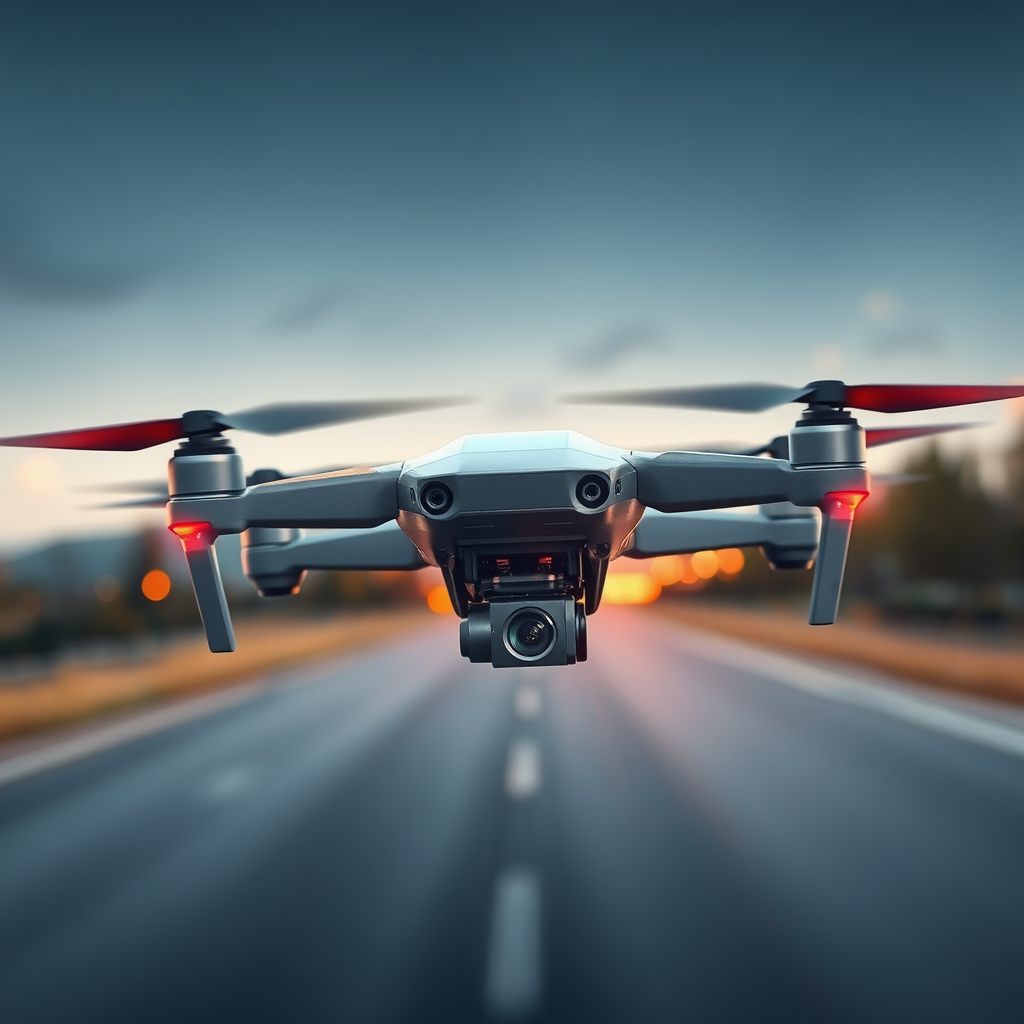
Drones can reach speeds of up to 100 mph (160 km/h), depending on their type and purpose. Racing drones are typically the fastest, while consumer models exhibit varying speeds based on their design and intended use. This article delves into the different classes of drones, their top speeds, and the myriad factors that influence these speeds, offering a comprehensive understanding of drone performance in various applications.
Types of Drones and Their Speeds

Understanding the various types of drones is essential to grasp their capabilities and limitations, particularly regarding speed. Drones can be categorized into three primary classes: racing drones, consumer drones, and professional drones, each serving different purposes and exhibiting a wide range of speeds.
– Racing Drones: These high-performance machines can exceed speeds of 100 mph (160 km/h) and are engineered specifically for competitive flying. Equipped with powerful motors and lightweight materials, racing drones prioritize speed and agility, allowing pilots to navigate complex courses at remarkable velocities. Popular models in this category include the ImmersionRC Vortex and the Emax Hawk 5, both of which are favored by professional drone racers.
– Consumer Drones: Generally designed for recreational use, consumer drones typically have speeds ranging from 15 mph (24 km/h) to 50 mph (80 km/h). These drones are user-friendly and equipped with various features such as camera capabilities and GPS navigation. Models like the DJI Mavic Mini capture stunning aerial footage while providing a balance between speed and stability, making them ideal for hobbyists and casual users.
– Professional Drones: These drones are often tailored for specific tasks such as surveying, mapping, or aerial photography. Their speeds usually range from 30 mph (48 km/h) to 60 mph (97 km/h). The DJI Phantom 4 Pro is a prime example of a professional drone that combines speed with advanced imaging capabilities, making it a preferred choice among photographers and videographers.
Understanding the type of drone and its intended use is crucial for users to maximize their experience and achieve desired results, particularly when speed is a critical factor.
Factors Influencing Drone Speed
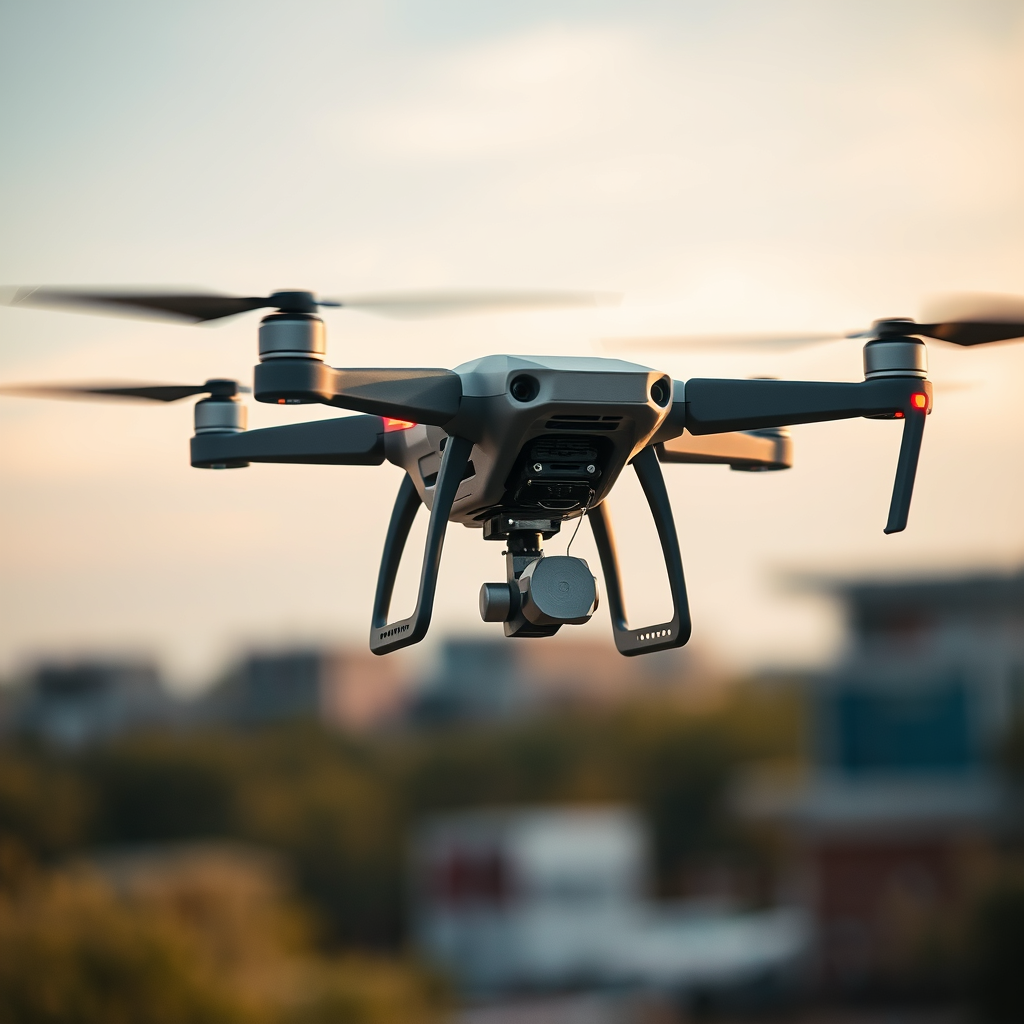
Several key factors influence a drone’s speed, and understanding these can help users select the right model for their needs.
– Design and Build: The aerodynamics of a drone play a significant role in determining its maximum speed. Drones designed with sleek, streamlined shapes experience less air resistance, allowing them to reach higher speeds. Additionally, the weight of the drone is critical; lighter drones can accelerate faster than their heavier counterparts, contributing to overall performance.
– Motor Power: The strength and quality of the motors directly affect a drone’s acceleration capabilities. High-performance motors provide the thrust necessary for rapid takeoff and sustained high-speed flight. For instance, racing drones often utilize brushless motors, which deliver superior performance and efficiency compared to standard motors found in many consumer models.
– Battery Life: Speed has a direct correlation with battery life. High-speed flying can drain batteries quickly, limiting the duration of flight. Manufacturers often design drones with powerful batteries to support faster speeds, but this can lead to trade-offs in battery life. Users must be mindful of battery performance and plan their flights accordingly to avoid mid-air power failures.
Recognizing these factors can help drone enthusiasts optimize their flying experience, whether they are racing competitively or capturing breathtaking footage for personal or professional use.
Comparison of Popular Drone Models
To provide a clearer perspective on drone speeds, let’s compare some popular models across different categories.
– DJI Mavic Air 2: With a top speed of around 42 mph (68 km/h), the Mavic Air 2 is a versatile consumer drone that strikes a balance between speed and functionality. It boasts a 48MP camera, making it a favorite among hobbyists seeking high-quality aerial photography.
– DJI Phantom 4 Pro: This professional-grade drone can reach speeds of up to 45 mph (72 km/h) and is renowned for its excellent camera capabilities and intelligent flight modes. The Phantom 4 Pro is widely used in industries such as real estate and film production due to its reliability and impressive performance.
– FPV Racing Drones: In stark contrast to consumer and professional drones, FPV (first-person view) racing drones can exceed speeds of 100 mph (160 km/h). These drones are built for speed and maneuverability, making them ideal for competitive racing events. Their lightweight frames and powerful motors allow pilots to experience the thrill of high-speed racing from a unique perspective.
This comparison illustrates the diversity in drone capabilities, highlighting how different models cater to specific user needs and preferences.
Regulations and Speed Limits
As drone technology evolves, so too do the regulations governing their use. Understanding these regulations is essential for safe and responsible drone operation.
– FAA Guidelines: In the United States, the Federal Aviation Administration (FAA) establishes guidelines that typically cap commercial drone speeds at 100 mph (160 km/h) for safety reasons. These regulations are designed to prevent collisions and ensure that drones operate within controlled airspace, maintaining safety for both operators and the public.
– Local Laws: In addition to federal regulations, local laws may impose additional restrictions on drone speed and operational parameters. For example, certain urban areas may have stricter regulations governing drone use due to population density and potential hazards. It is crucial for drone operators to familiarize themselves with local laws to avoid legal repercussions and ensure compliance.
By adhering to established regulations, drone users can help foster a safe and responsible flying community while enjoying the benefits of drone technology.
Future Innovations in Drone Speed
As technology continues to advance, the future of drone speed holds exciting possibilities.
– Advancements in Technology: The development of new materials, such as lightweight composites and advanced battery technology, is expected to enhance drone performance significantly. Improved aerodynamics and motor efficiency will likely pave the way for faster and more agile drones, enabling new applications and capabilities.
– Increased Demand: The rise of delivery services and logistics companies exploring drone technology may further accelerate the push for faster drones. Companies like Amazon and UPS are already investing in drone delivery systems, seeking to reduce delivery times and improve service efficiency. As competition grows, there will likely be greater emphasis on speed and performance in future drone designs.
These innovations promise to revolutionize the drone industry, offering users even more capabilities and applications across various sectors.
Real-World Applications of Drone Speed
The speed of drones is not merely a technical specification; it has practical implications across various industries.
– Delivery Services: Faster drones can significantly reduce delivery times, enhancing customer satisfaction and operational efficiency for logistics companies. For instance, a drone capable of flying at 50 mph can cover distances much quicker than traditional delivery methods, making it a viable option for urban and rural deliveries alike.
– Emergency Response: In disaster situations, high-speed drones can be deployed rapidly to assess damage, deliver supplies, or locate missing persons. Their ability to navigate challenging environments quickly can be crucial for first responders, potentially saving lives and facilitating timely assistance.
Understanding these real-world applications highlights the importance of drone speed in enhancing operational effectiveness and meeting specific needs across various sectors.
In summary, drone speeds vary widely based on model, design, and purpose, with racing drones leading the pack at over 100 mph. As technology advances, we can expect to see even faster and more efficient drones across diverse applications. Staying informed about the latest developments in drone technology is essential for users to fully understand how speed impacts functionality and usage, ultimately allowing them to leverage these advancements for their specific needs.
Frequently Asked Questions
What is the average speed of consumer drones?
The average speed of consumer drones typically ranges from 15 to 50 miles per hour (24 to 80 kilometers per hour). However, higher-end models can reach speeds up to 70 mph (112 km/h). Factors like drone design, weight, and battery life can influence these speeds, making it important for users to check the specifications of the model they are considering.
How fast can racing drones fly compared to standard drones?
Racing drones are specifically built for speed and agility, often reaching speeds of 60 to 100 miles per hour (96 to 161 kilometers per hour). In contrast, standard consumer drones prioritize stability and ease of use, typically flying at lower speeds. This makes racing drones ideal for competitive events, while standard drones are better suited for aerial photography and recreational flying.
Why do some drones have speed limits?
Many drones have built-in speed limits to ensure safety and compliance with aviation regulations. These restrictions help prevent accidents, especially in populated areas or near airports, by minimizing the risk of collisions. Additionally, speed limits can extend battery life, allowing users to enjoy longer flight times while maintaining control over the drone.
What are the fastest commercial drones available?
Some of the fastest commercial drones on the market include the DJI Inspire 2, which can reach speeds of up to 58 mph (94 km/h), and the Skydio 2, known for its autonomous capabilities and speeds up to 36 mph (58 km/h). When looking for fast commercial drones, it’s important to consider the intended use, as speed may not always be the primary factor for every user.
Which factors affect a drone’s maximum speed during flight?
Several factors can affect a drone’s maximum speed, including wind conditions, weight load, battery charge, and the drone’s design. Strong headwinds can slow a drone down, while a heavier payload can reduce its speed and maneuverability. Additionally, battery performance can diminish over time, impacting overall speed capabilities during flight.
References
- https://en.wikipedia.org/wiki/Drone
- https://www.faa.gov/uas/getting_started/remote_pilot/
- https://www.nytimes.com/2020/07/31/technology/drones-speed.html
- https://www.theguardian.com/technology/2021/may/13/what-is-a-drone-and-how-do-they-work
- https://www.sciencedirect.com/science/article/pii/S2351978921008651
- https://www.bbc.com/news/technology-59809990
- https://www.aiaa.org/-/media/Files/Publications/Technical-Papers/2021/AIAA-2021-1577.pdf
- https://www.nasa.gov/press-release/nasa-aims-to-advance-drone-technology-for-future-aircraft
- https://www.nist.gov/news-events/news/2021/11/how-fast-can-drones-fly-what-you-need-know-about-drones-speed
