
FPV (First-Person View) drones can fly at speeds ranging from 30 mph to over 100 mph, depending on their design, purpose, and modifications. These remarkable machines are engineered for various applications, from competitive racing to recreational flying, and understanding their speed capabilities can enhance your flying experience. In this article, we will explore the factors influencing FPV drone speed, compare different models, and provide insights into their performance capabilities, ensuring you make informed decisions when selecting or upgrading your drone.
Understanding FPV Drone Categories
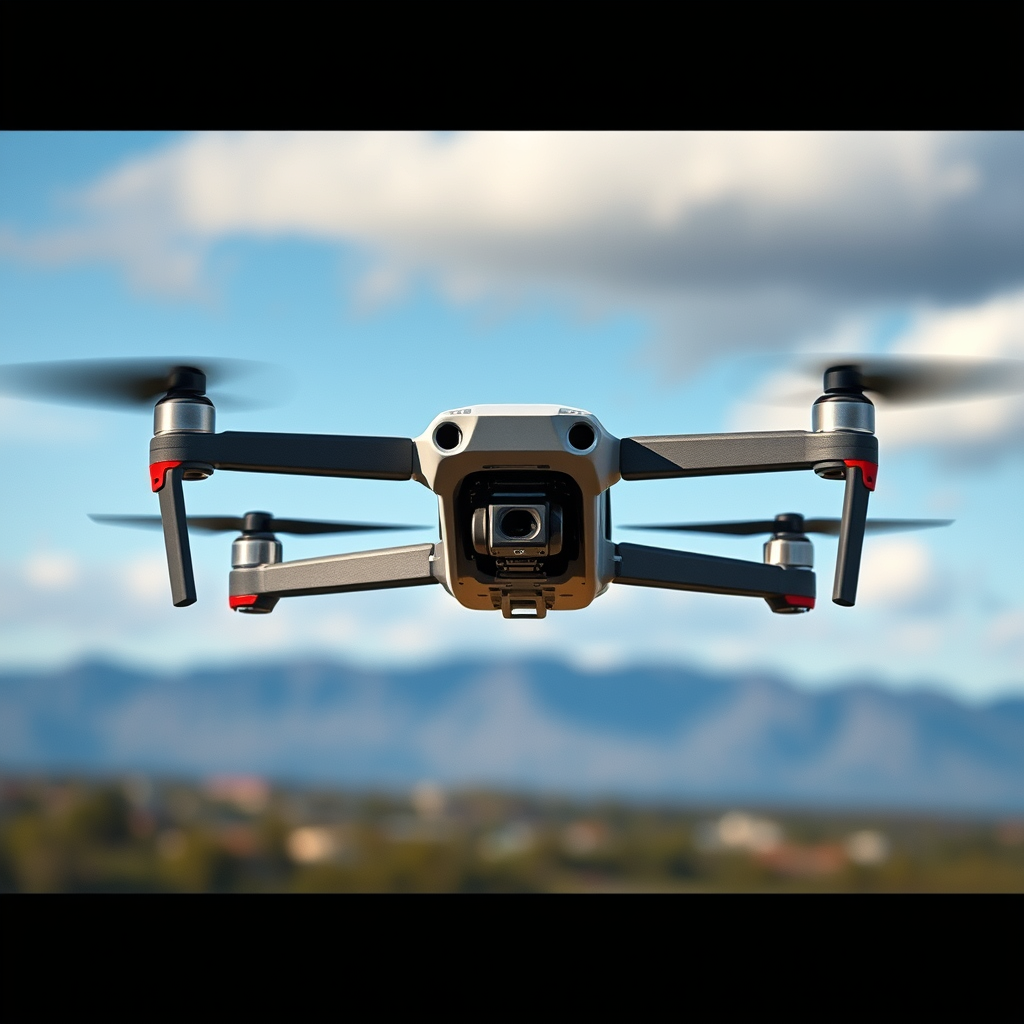
FPV drones can be categorized primarily into two distinct types: racing drones and freestyle drones.
– Racing Drones: These are specifically designed for speed and agility, making them the pinnacle of performance in the FPV world. Racing drones can achieve impressive speeds due to their lightweight frames, powerful motors, and optimized aerodynamics. Many racing enthusiasts customize their drones to enhance performance, often resulting in top speeds exceeding 100 mph. Examples include models like the TBS Vendetta and the Eachine Wizard X220, which are popular among racers for their speed and maneuverability.
– Freestyle Drones: While still capable of impressive speeds, freestyle drones prioritize maneuverability and stability over sheer velocity. These drones are built to perform acrobatic stunts and aerial tricks, often operating at lower speeds than racing drones. Models such as the DJI FPV and the GoPro Karma are designed to offer a balance of speed and flexibility, catering to those who enjoy cinematic flying rather than competitive racing.
Factors Affecting Drone Speed
Several key factors influence the speed capabilities of FPV drones. Understanding these elements can help you choose the right drone for your needs or make informed upgrades.
– Weight: The weight of a drone plays a significant role in its speed potential. Heavier drones typically have slower acceleration and top speeds due to the increased force required to lift and propel them. Manufacturers often use lightweight materials such as carbon fiber to create frames that are both durable and light, enhancing speed and agility.
– Motor Power: The power of the motors installed in the drone is a critical determinant of its speed. High-quality, high-KV (revolutions per minute per volt) motors can significantly increase a drone’s speed and responsiveness. For instance, a racing drone equipped with powerful brushless motors can achieve higher speeds than one with standard motors. Upgrading to motors rated at higher KV can yield substantial performance improvements.
Typical Speed Ranges of Popular Models
The speed capabilities of FPV drones vary widely across different models, catering to various skill levels and purposes.
– Entry-Level Drones: For beginners, entry-level FPV drones typically offer average speeds ranging from 30 to 50 mph. These drones are designed to be user-friendly and forgiving, allowing new pilots to develop their skills without overwhelming them with excessive speed. Models such as the Holy Stone HS720 and eachine E010 are excellent choices for novice flyers.
– High-Performance Racing Drones: For seasoned pilots, high-performance racing drones offer speeds that can exceed 100 mph under optimal conditions. Advanced models like the ImmersionRC Vortex 250 Pro and the Fat Shark 101 are engineered for speed, precision, and competitive performance. Achieving such high speeds requires skillful piloting and an understanding of the drone’s capabilities.
Speed Comparisons: FPV Drones vs. Other Drones
When comparing FPV drones to other types of drones, it becomes clear that FPV drones generally outpace their counterparts in terms of speed.
– Comparison with Camera Drones: Standard camera drones, such as the DJI Mavic series, are designed for stability and capturing high-quality images rather than speed. These drones typically operate at speeds of 15 to 30 mph, making FPV drones significantly faster. The agility and speed of FPV drones cater to the needs of thrill-seekers and competitive racers, allowing for dynamic flying experiences.
– Comparison with Traditional RC Planes: FPV drones often match or exceed the speeds of traditional remote-controlled planes. While some high-performance RC planes can reach speeds comparable to racing drones, the average FPV drone typically surpasses the average speed of RC aircraft. This makes FPV drones a preferred choice for enthusiasts looking for fast-paced flight experiences.
Safety Considerations for High-Speed Flying
While the thrill of flying high-speed FPV drones is enticing, safety should always be a priority.
– Proper Training: Mastering the control of high-speed FPV drones requires proper training and practice. New pilots should invest time in flight simulators or beginner-friendly drones to develop their skills before attempting to fly high-performance models. This training can help reduce the risk of crashes and accidents.
– Legal Regulations: Awareness of local laws and regulations regarding drone flight is crucial for all FPV enthusiasts. Many areas impose speed limits, altitude restrictions, and no-fly zones that must be adhered to. Understanding these regulations not only ensures compliance but also promotes safer flying practices within the community.
Tips for Enhancing Drone Speed
If you’re looking to maximize the speed of your FPV drone, several strategies can help you achieve that goal.
– Upgrading Components: Consider upgrading key components of your drone, such as the motors, propellers, and batteries. Higher-quality motors with greater power can significantly enhance speed. Additionally, using lightweight propellers can reduce drag, allowing the drone to reach higher velocities. Look for brands known for performance upgrades, such as HQProp or Gemfan.
– Tuning Settings: Adjusting the flight controller settings is another effective way to improve speed. Fine-tuning parameters such as PID (Proportional-Integral-Derivative) settings can optimize the drone’s responsiveness and handling. Many modern flight controllers offer tuning software that allows users to customize their settings according to their flying style and preferences.
In summary, FPV drones can achieve impressive speeds influenced by various factors such as design, components, and pilot skill. Whether you are drawn to racing or casual flying, understanding these aspects will empower you to select the right drone for your needs. By exploring different models and considering upgrades, you can maximize your flying experience and enjoy the exhilarating world of FPV drone flight.
Frequently Asked Questions
What is the average speed of FPV drones?
The average speed of FPV drones typically ranges from 30 to 100 miles per hour, depending on the model and its intended use. Racing drones, designed for high-speed competition, can reach speeds of up to 120 mph or more. Factors such as weight, motor power, and aerodynamics all play a significant role in determining a drone’s speed capabilities.
How do I increase the speed of my FPV drone?
To increase the speed of your FPV drone, consider upgrading components such as the motors, propellers, and electronic speed controllers (ESCs). Additionally, reducing the overall weight by using lighter materials can enhance speed. Proper tuning of the flight controller settings and ensuring optimal battery performance can also contribute to improved speed and efficiency.
Why do some FPV drones fly faster than others?
The speed of FPV drones varies based on several factors, including design specifications, motor power, and intended purpose. Racing drones are built for speed with powerful motors and minimal weight, while cinematic drones prioritize stability and camera quality over speed. Understanding these differences can help users choose the right drone for their specific needs, whether it’s racing or aerial photography.
What is the fastest FPV drone available on the market?
As of October 2023, one of the fastest FPV drones is the DRL RacerX, which has been clocked at speeds exceeding 200 miles per hour. Designed for professional drone racing, it features cutting-edge technology that maximizes speed and agility. However, for hobbyists, various high-speed racing drones like the EMAX Hawk Pro or the iFlight Nazgul5 also offer impressive speeds and performance.
Which factors affect the flying speed of FPV drones?
Several factors can impact the flying speed of FPV drones, including the motor size and KV rating, propeller pitch and size, battery voltage, and overall drone weight. Environmental conditions such as wind resistance and altitude can also affect speed. Understanding these elements can help users optimize their drone setup for maximum performance in specific flying conditions.
References
- https://en.wikipedia.org/wiki/FPV_flying
- https://www.npr.org/sections/alltechconsidered/2016/07/26/487257301/drones-are-flying-faster-than-ever
- https://www.theguardian.com/technology/2021/jun/09/fpv-drones-speed-racers-competition
- https://www.faa.gov/uas/
- https://www.ncbi.nlm.nih.gov/pmc/articles/PMC6698495/
- https://www.researchgate.net/publication/334252002_The_Future_of_FPV_Drones_in_Air_Sports
- https://www.techopedia.com/definition/32273/fpv-drone-first-person-view-drone
