
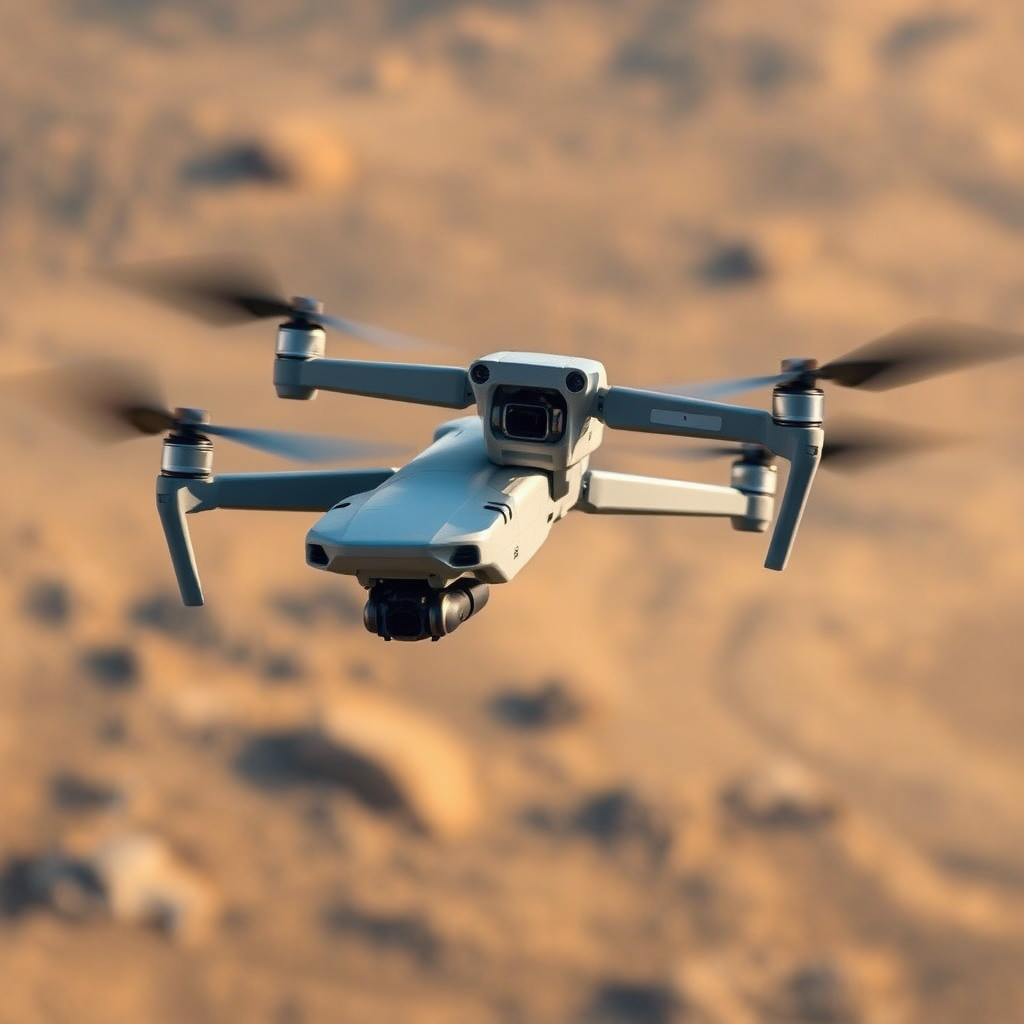
Military drones can fly at speeds ranging from 100 to over 600 miles per hour, depending on their design and purpose. Their capabilities have revolutionized modern warfare and surveillance, enabling military forces to conduct operations with unprecedented speed and efficiency. This article explores the various types of military drones, their speed capabilities, and the factors that influence their performance in various operational settings.
Types of Military Drones
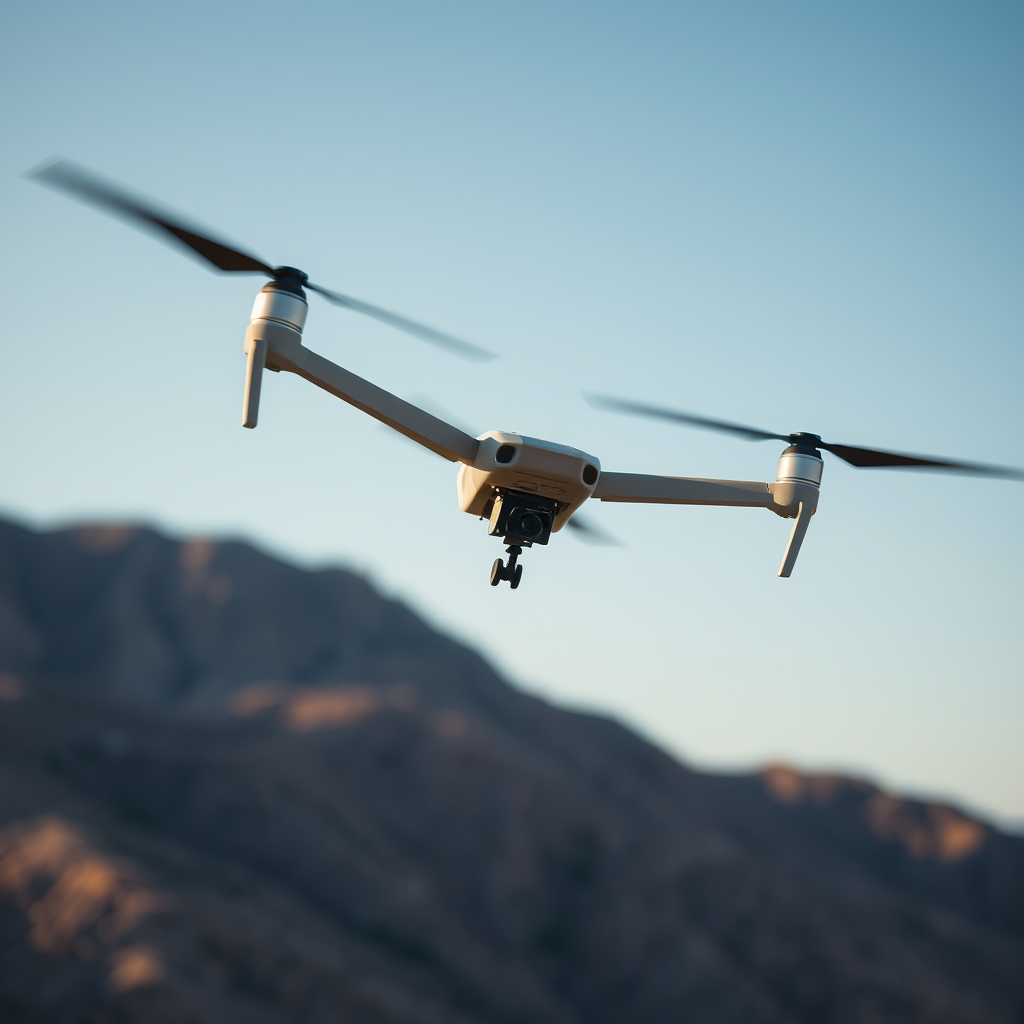
Military drones can be broadly categorized into several types, each designed for specific missions and functionalities.
– Reconnaissance Drones: These drones are primarily used for surveillance and intelligence gathering. They are designed for endurance and stability rather than speed, allowing them to loiter over target areas for extended periods. Examples include the RQ-11 Raven, which can reach speeds of around 60 mph, and the MQ-1 Predator, which is typically slower, averaging around 84 mph. Their slower speeds are offset by their ability to collect high-resolution imagery and real-time data, making them invaluable for surveillance missions.
– Combat Drones: In contrast, combat drones are engineered for speed and agility. These drones are equipped to conduct attack missions and can reach significantly higher speeds. For instance, the MQ-9 Reaper is a medium-altitude drone that can fly at speeds up to 300 mph. Designed for precision strikes, these drones combine speed with advanced targeting systems, allowing for rapid engagement of enemy targets. The ability to reach high speeds is crucial in combat scenarios where time-sensitive decisions can impact mission success.
Speed Comparisons
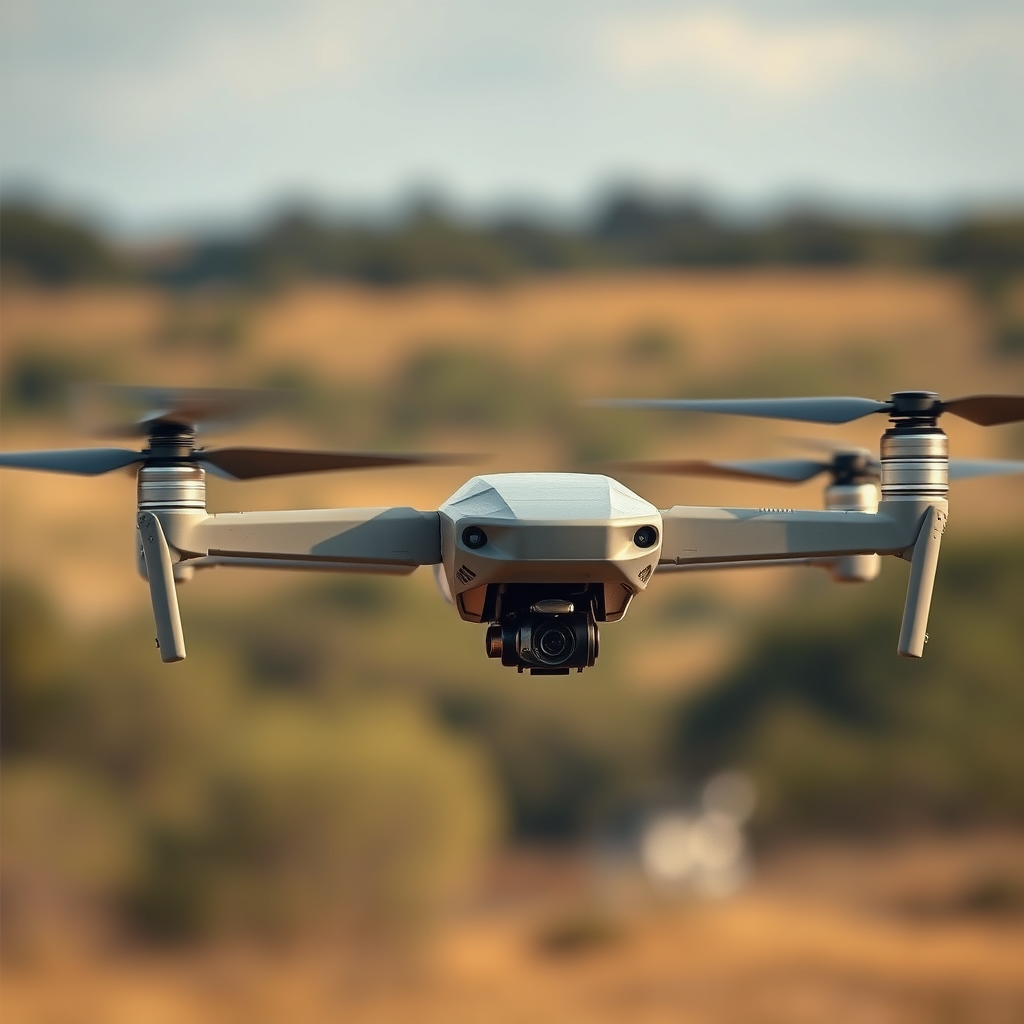
Understanding the speed capabilities of specific military drones provides valuable insight into their operational effectiveness.
– Predator Drones: The MQ-1 Predator, one of the most recognized drones in military operations, has an average speed of around 84 mph. While this may seem modest compared to other aircraft, it is ideal for its primary role in reconnaissance and surveillance, allowing it to gather intelligence without drawing excessive attention.
– Global Hawk Drones: In stark contrast, the Northrop Grumman RQ-4 Global Hawk is a high-altitude reconnaissance drone capable of flying at speeds up to 400 mph. This drone is designed for long-range missions, providing real-time intelligence over vast areas. Its speed and altitude capabilities make it a critical asset for military planners, as it can cover extensive territories quickly and efficiently.
Factors Influencing Drone Speed
Several factors influence the speed capabilities of military drones, affecting their overall performance and operational scope.
– Design and Purpose: The primary design and intended use of a drone play a significant role in determining its speed. Drones built for speed often sacrifice payload capacity, as lighter designs enable faster flight. Conversely, reconnaissance drones may prioritize sensor technology and endurance over speed, resulting in slower flight capabilities.
– Engine Type: The type of propulsion system is crucial in defining a drone’s speed. Jet engines typically offer higher speeds and are commonly found in combat drones. In contrast, propeller-driven drones, while generally slower, can be more fuel-efficient and better suited for surveillance missions. Advances in engine technology continue to push the boundaries of drone performance, enhancing both speed and efficiency.
Advantages of High-Speed Drones
The integration of high-speed drones into military operations presents numerous advantages.
– Quick Response: High-speed drones provide the military with the ability to reach targets faster, which enhances mission effectiveness. Rapid deployment can be critical in time-sensitive scenarios, allowing forces to respond swiftly to emerging threats or opportunities.
– Surveillance: The capability to travel quickly also facilitates rapid data collection. High-speed drones can cover larger areas in shorter periods, enabling comprehensive reconnaissance missions. This speed advantage helps military strategists gather actionable intelligence that can inform decisions in real-time.
Limitations of Drone Speed
Despite their advantages, high-speed drones also face limitations that can impact operational effectiveness.
– Fuel Efficiency: Operating at higher speeds often leads to increased fuel consumption. This can limit the operational range of the drone, requiring careful planning to ensure that missions can be completed within fuel constraints. The balance between speed and fuel efficiency is a critical consideration for military planners.
– Operational Range: The speed of a drone may be restricted by its fuel capacity and mission requirements. High-speed drones may need to return to base sooner than their slower counterparts, which can affect the overall duration of reconnaissance missions or combat operations. Understanding these limitations is essential for effective mission planning.
Future Trends in Drone Technology
The future of drone technology promises exciting advancements that could significantly enhance their speed and overall capabilities.
– Advancements in Propulsion: Ongoing research into more efficient propulsion systems is likely to yield breakthroughs that will allow drones to fly faster without sacrificing range. Innovations in hybrid engines, electric propulsion, and alternative fuels are being explored to extend operational capabilities while maintaining speed.
– Integration of AI: The incorporation of artificial intelligence into drone technology may optimize flight paths for both speed and efficiency. AI can analyze real-time data to adjust flight trajectories, enabling drones to navigate complex environments and enhance mission outcomes. This technology could revolutionize how military operations are conducted, allowing for smarter, faster responses.
In conclusion, military drones demonstrate a wide range of speeds influenced by their design and intended use. From reconnaissance to combat missions, understanding these capabilities is crucial for appreciating their impact on modern warfare and surveillance operations. As technology evolves, we can expect further enhancements in drone speed and efficiency, which will continue to shape the landscape of military operations in the years to come. For more insights on drone technology, stay tuned for our upcoming articles!
Frequently Asked Questions
What is the average speed of military drones?
The average speed of military drones varies significantly depending on the type and purpose of the drone. For instance, smaller tactical drones like the Raven can fly at speeds up to 60 mph, while larger UAVs (unmanned aerial vehicles) like the MQ-9 Reaper can reach speeds of about 230 mph. High-altitude, long-endurance drones, such as the Global Hawk, can cruise at speeds around 400 mph. Understanding these speeds helps in assessing their operational capabilities in various military scenarios.
How do military drone speeds compare to manned aircraft?
Military drones generally have slower speeds compared to manned fighter jets. For example, while a typical jet fighter like the F-16 can exceed speeds of 1,200 mph, most military drones operate at subsonic speeds. However, drones like the MQ-9 Reaper, with a top speed of 230 mph, can still be effective for reconnaissance and precision strikes, allowing them to cover significant distances while remaining stealthy.
Why do military drones have varying speeds?
The varying speeds of military drones are primarily due to their design, mission profiles, and operational requirements. Drones designed for surveillance and reconnaissance prioritize endurance and stealth over speed, resulting in slower flight capabilities. Conversely, combat drones may be engineered for faster speeds to evade threats and respond quickly in dynamic combat situations. This diversity in speed aligns with the specific roles that different drones play within military operations.
What is the fastest military drone currently in use?
As of 2023, the fastest military drone is the Northrop Grumman X-47B, which has reached speeds of approximately 1,000 mph during test flights. This experimental stealth drone demonstrates the potential for high-speed operations in future military engagements. However, most operational military drones are designed for a balance of speed, endurance, and stealth rather than maximum velocity.
Which factors influence the speed of military drones?
Several factors influence the speed of military drones, including their size, weight, engine type, and mission objectives. Larger drones may have more powerful engines that allow for higher speeds, while smaller drones prioritize agility and maneuverability. Additionally, aerodynamic design and payload capacity can also impact flight speed. Understanding these factors is crucial for military strategists when selecting the appropriate drone for specific operational needs.
References
- https://en.wikipedia.org/wiki/Military_drone
- https://www.bbc.com/news/world-us-canada-46964522
- https://www.reuters.com/article/us-usa-drones-insight-idUSKBN1ZK2XQ
- https://www.defense.gov/Explore/News/Article/Article/1644555/us-air-force-unveils-new-drone-technology/
- https://www.airforce.com/technology/drones
- https://www.armytimes.com/2020/06/12/how-fast-can-the-u-s-army-drones-fly/
- https://www.nytimes.com/2021/12/28/us/politics/drone-strikes.html
- https://www.c-span.org/video/?525587-1/air-force-drone-operations
