
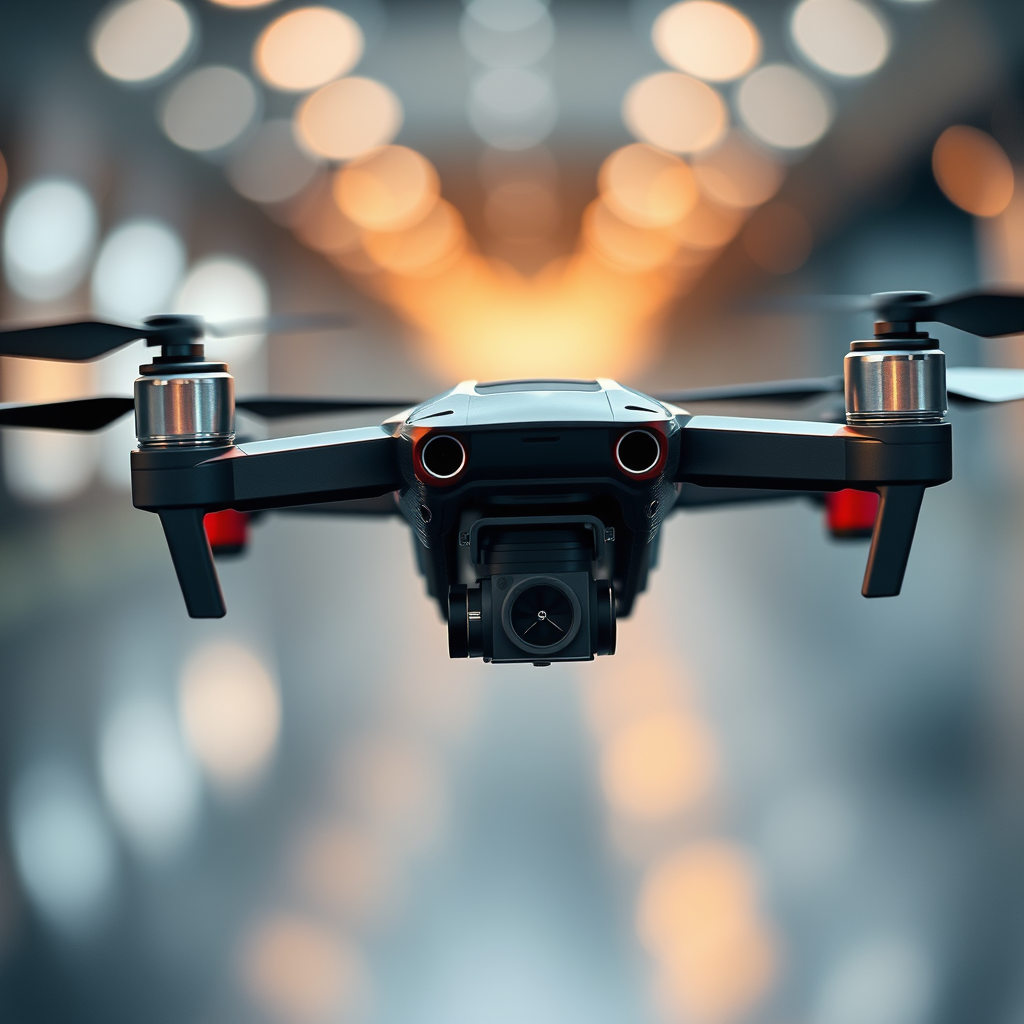
Racing drones can reach impressive speeds, often exceeding 100 miles per hour (160 km/h) in competitive settings. These high-performance machines have captivated enthusiasts and professionals alike, pushing the boundaries of technology and piloting skill. This article delves into the factors influencing their speed, notable records, and what aspiring pilots should know to compete effectively in this thrilling sport.
Understanding Racing Drone Types
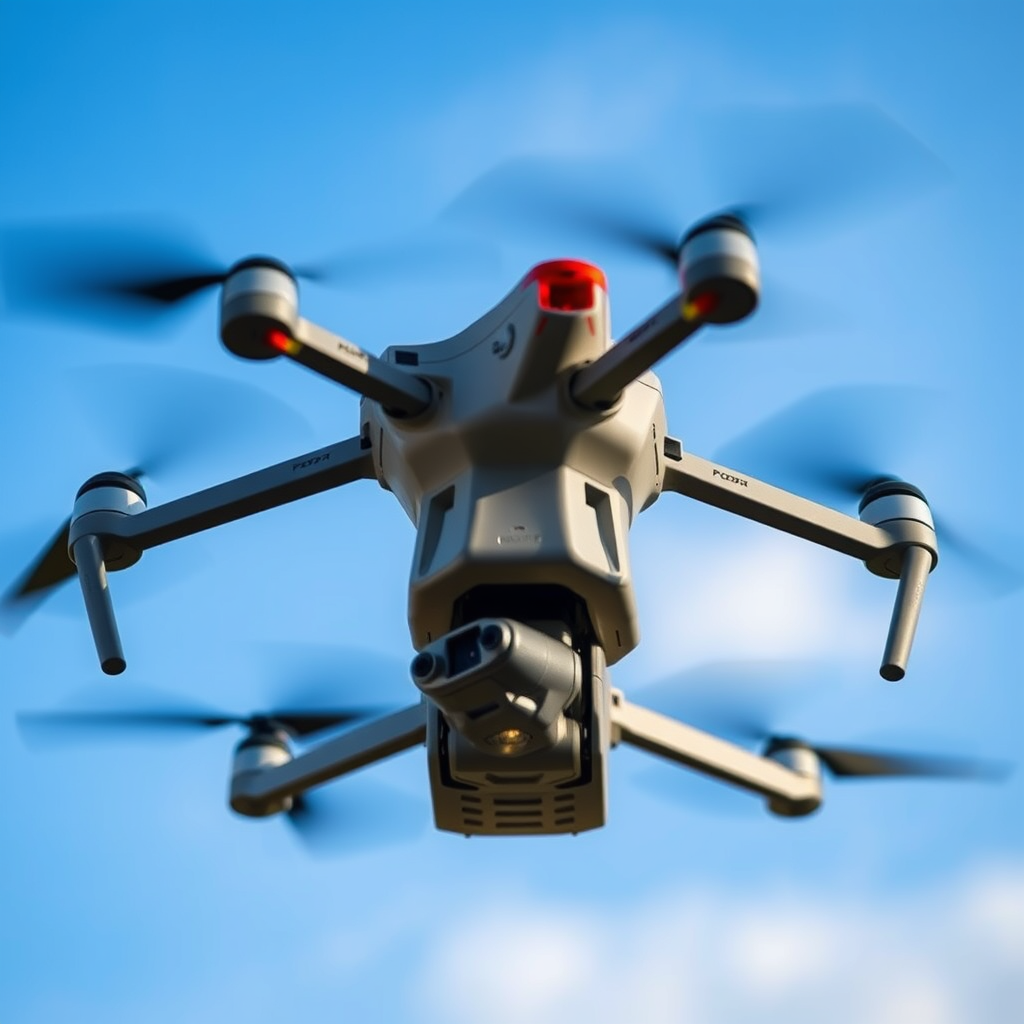
Racing drones come in various configurations, each designed with specific objectives in mind. The primary categories include First-Person View (FPV) drones, Mini drones, and Long Range drones.
FPV drones are the most common in competitive racing, equipped with a camera that transmits real-time video to the pilot’s goggles, allowing for an immersive flying experience. These drones are typically lightweight and built for agility, which enhances their speed capabilities. Mini drones, on the other hand, are smaller and often used in indoor racing venues. While they may not achieve the same top speeds as their larger counterparts, their design allows for quick maneuvers and tight cornering. Long Range drones are engineered for endurance and can fly at high speeds over extended distances. Their design often prioritizes battery life and stability, which can limit their maximum speed but enhances overall performance in endurance races.
The variations in design and configuration significantly impact speed capabilities. For instance, an FPV racing drone might prioritize a lightweight frame and high-thrust motors, enabling it to accelerate rapidly and achieve high speeds. In contrast, a Long Range drone may focus on aerodynamics and battery efficiency, sacrificing some speed for the ability to cover greater distances without losing power.
Factors Affecting Drone Speed
Several key factors influence the speed capabilities of racing drones, with weight and aerodynamics being paramount. A drone’s weight plays a crucial role in its performance; lighter drones can accelerate faster and achieve higher speeds. Manufacturers often use advanced materials such as carbon fiber to create lightweight yet durable frames. Additionally, the drone’s design affects its aerodynamic efficiency. A streamlined shape reduces drag, allowing the drone to slice through the air more effectively, which is essential for achieving maximum speed.
Battery life and power output are also critical determinants of a drone’s speed. High-quality lithium polymer (LiPo) batteries can provide substantial power for rapid acceleration. However, the voltage and capacity of the battery directly influence the overall performance. A drone with a higher voltage battery can supply more power to the motors, resulting in faster speeds. Conversely, if a drone is carrying a heavy battery, it may struggle to reach its potential speed. Therefore, achieving the right balance between weight, battery capacity, and motor output is essential for optimal performance.
Record-Breaking Racing Drones
In the world of racing drones, speed records are a testament to engineering excellence and piloting prowess. One notable example is the DRL RacerX, which holds the Guinness World Record for the fastest racing drone, achieving a staggering speed of 179 miles per hour (288 km/h). This drone features cutting-edge technology, including advanced aerodynamics and high-thrust motors, pushing the limits of what is possible in drone racing.
Another impressive contender is the “Vortex 250,” which has been a popular choice among competitive racers. While it may not have set records like the RacerX, its design and performance have proven to be exceptionally reliable for pilots striving for speed in competitive environments. The technology behind these high-speed machines typically includes powerful brushless motors, high-efficiency propellers, and sophisticated flight controllers that enhance stability and responsiveness.
The continuous evolution of drone technology means that new records are frequently set, making it an exciting time for enthusiasts and competitors alike. The integration of artificial intelligence and machine learning into drone design is also on the horizon, promising to further enhance speed and performance.
The Role of Pilot Skill
While the drone’s design and technology are crucial to achieving high speeds, the pilot’s skill is equally important. A skilled pilot can maximize the potential of their drone by understanding its capabilities and limitations. Experience plays a significant role in this aspect; seasoned pilots often have a better feel for how their drones respond to input, allowing them to navigate courses more efficiently and maintain higher speeds.
Training is essential for aspiring pilots looking to improve their skills. This can include practicing in various environments, learning to control the drone under different conditions, and mastering techniques such as throttle control and cornering. Many successful racers also study video footage of their flights to identify areas for improvement, demonstrating the importance of continuous learning and adaptation in the sport.
Competitions often feature challenging courses that test pilots’ abilities to maneuver at high speeds while maintaining control. The combination of technical skill and a deep understanding of the drone’s performance metrics can significantly influence race outcomes.
Safety Considerations in Racing
As thrilling as drone racing may be, safety must always be a top priority. The high speeds involved can lead to serious accidents if proper precautions are not taken. Pilots should adhere to safety measures such as flying in designated areas, maintaining a safe distance from spectators, and using spotters to assist with navigation during races.
Familiarizing oneself with local regulations and guidelines is crucial for anyone interested in drone racing. Many regions have specific rules regarding drone operation, including altitude limits and no-fly zones. Compliance with these regulations not only ensures safety but also fosters a responsible racing community.
Additionally, investing in safety equipment, such as propeller guards and crash-resistant frames, can help mitigate the risks associated with high-speed racing. Promoting a culture of safety within the racing community is essential for protecting both pilots and spectators.
Future of Racing Drone Technology
The future of racing drone technology promises exciting advancements that could revolutionize speed and performance. Innovations on the horizon include enhanced propulsion systems, improved battery technology, and the integration of artificial intelligence to optimize flight paths and decision-making.
Battery technology is particularly ripe for innovation, with developments in solid-state batteries expected to increase energy density and reduce weight. This could allow drones to fly faster and longer without compromising performance. Additionally, advancements in materials science may lead to even lighter and stronger frames, further pushing the boundaries of speed.
Predictions for the evolution of racing drones suggest that we may see more sophisticated racing leagues emerge, featuring drones equipped with advanced sensors and AI capabilities. These innovations could lead to new racing formats and challenges, enhancing the competitive landscape and attracting a broader audience.
As drone technology continues to evolve, staying informed about the latest trends and advancements will be essential for aspiring pilots seeking to excel in the sport.
In conclusion, racing drones are capable of astonishing speeds, driven by a combination of technological advancements, pilot expertise, and a commitment to safety. Understanding the various factors influencing speed, from drone design to pilot skill, is crucial for anyone interested in entering the world of drone racing. By staying informed about innovations and trends, aspiring pilots can sharpen their skills and enhance their competitive edge in this exhilarating sport.
Frequently Asked Questions
What is the top speed of racing drones?
Racing drones can reach impressive speeds, typically ranging from 60 to over 100 miles per hour (96 to 161 kilometers per hour). The exact speed depends on the drone’s design, motor power, and weight. High-performance racing drones, often used in competitions, can even achieve speeds exceeding 120 mph (193 km/h), showcasing the incredible engineering and technology behind these flying machines.
How do racing drones achieve high speeds?
Racing drones achieve high speeds through a combination of lightweight materials, powerful motors, and advanced aerodynamics. By using materials like carbon fiber for the frame and high-capacity lithium polymer batteries for power, these drones are optimized for speed. Additionally, the design of the drone, including propeller size and pitch, plays a crucial role in maximizing thrust and reducing drag.
Why do racing drones fly faster than traditional drones?
Racing drones are specifically designed for speed and agility, unlike traditional drones that prioritize stability and camera functionality. Racing drones feature streamlined designs with minimal weight, powerful propulsion systems, and optimized flight controllers that allow for quick responses to pilot commands. This focus on performance enables racing drones to achieve higher speeds while maintaining maneuverability during competitive flying.
What are the best racing drones for speed?
Some of the best racing drones known for their speed include the EMAX Hawk 5, Diatone GT-R 249, and the TBS Vendetta. These models are favored among pilots for their lightweight construction, high-performance motors, and competitive design features, enabling them to reach top speeds efficiently. When selecting a racing drone, consider factors like build quality, ease of repair, and upgrade options to enhance speed further.
How can I make my racing drone faster?
To make your racing drone faster, you can upgrade to more powerful motors, choose higher capacity batteries, and optimize the propeller size and pitch for better thrust. Additionally, reducing weight by using lighter materials for the frame or removing non-essential components can enhance speed. Regular maintenance, such as ensuring that the drone is properly tuned and calibrated, can also contribute to better performance and faster flying speeds.
