
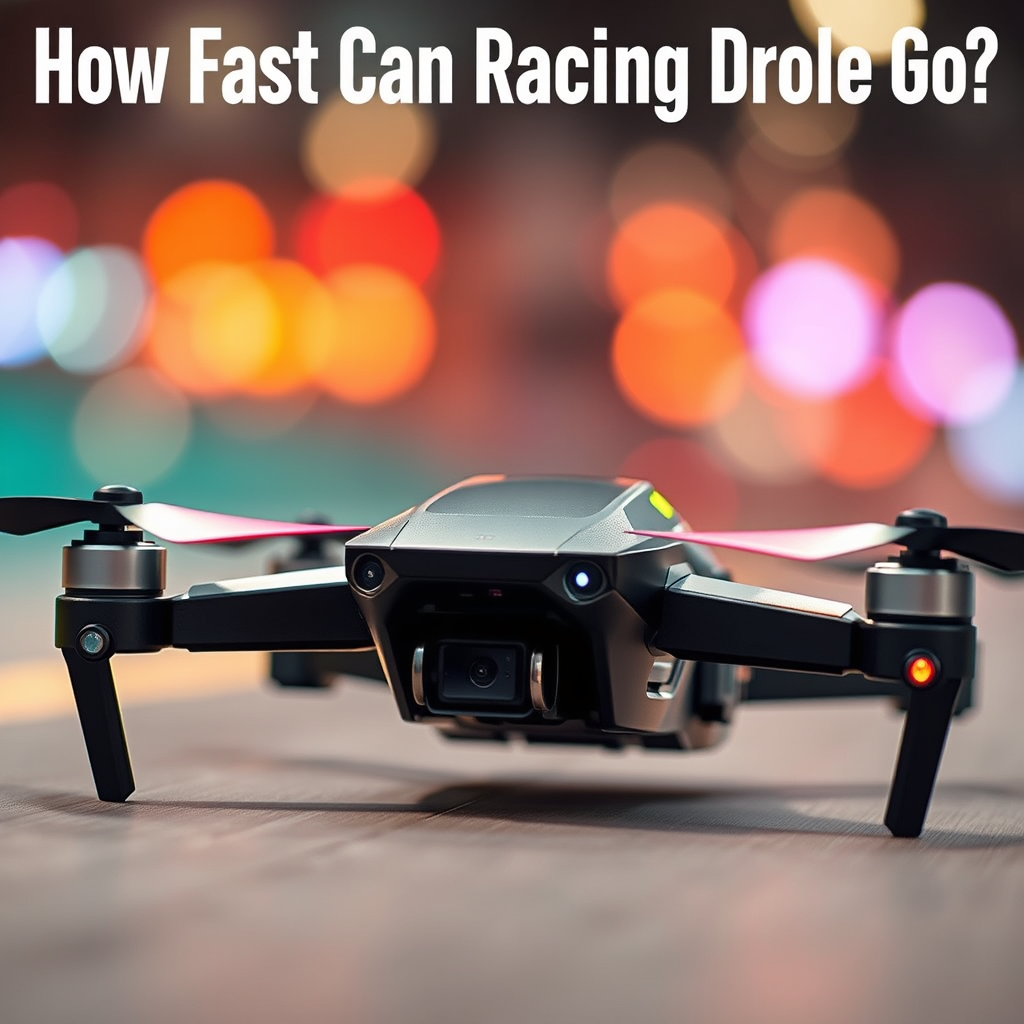
Racing drones can reach speeds of up to 100 miles per hour (160 km/h) or more, depending on their design and specifications. This astonishing velocity is achieved through a combination of lightweight materials, powerful motors, and advanced aerodynamics. As drone technology continues to evolve, racers are finding new ways to push the limits of speed and agility. In this article, we will explore the factors influencing these speeds, the various types of racing drones, and what it takes to achieve peak performance in this exhilarating sport.
The Anatomy of a Racing Drone
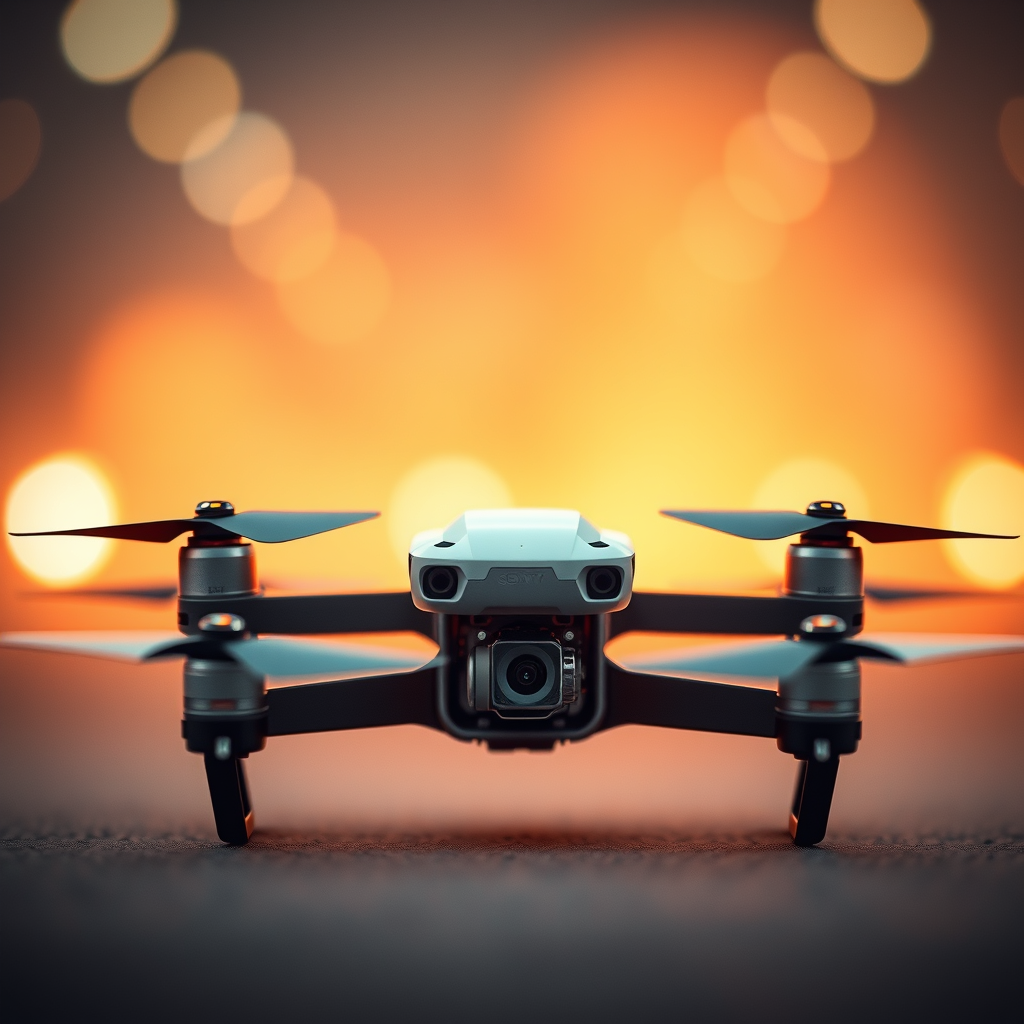
At the core of a racing drone’s performance is its anatomy, which must be meticulously designed for speed and agility. Racing drones typically feature a lightweight frame made from materials like carbon fiber or high-strength plastic. These materials provide the necessary durability while minimizing weight, which is critical for achieving high speeds.
High-performance motors are another essential component. These motors, often brushless, allow for rapid acceleration and sustained speed. Coupled with electronic speed controllers (ESCs), which manage the power distribution to the motors, racing drones can respond almost instantaneously to pilot inputs, enhancing control during high-speed maneuvers. The integration of advanced flight controllers, capable of processing data quickly and efficiently, further optimizes the drone’s performance, allowing it to navigate complex racing courses with precision.
Types of Racing Drones
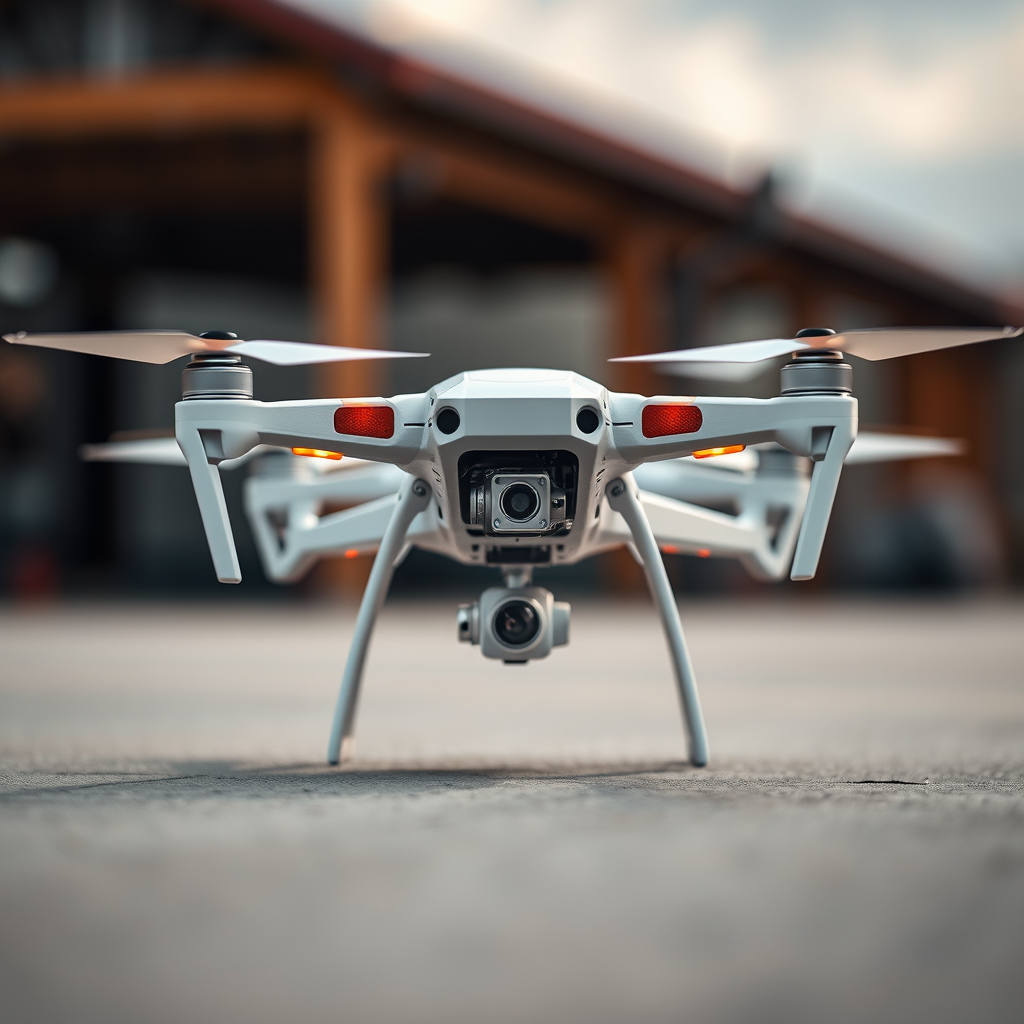
When it comes to racing drones, there are primarily two types that dominate the scene: FPV (First Person View) drones and freestyle drones.
– FPV (First Person View) Drones: These drones are designed for an immersive racing experience, equipped with onboard cameras that transmit live video feeds to the pilot’s goggles or screens. This technology allows pilots to experience the thrill of flying as if they were in the cockpit, providing a unique perspective during races. FPV drones are engineered for speed and agility, making them the preferred choice for competitive racing.
– Freestyle Drones: While primarily built for acrobatics and performing tricks, freestyle drones can also be adapted for racing. These drones typically have a more robust frame and are equipped with powerful motors that allow for quick bursts of speed and agile maneuvers. Although not specifically designed for racing, their versatility can make them competitive in certain racing scenarios.
Each type serves different purposes within the drone community, catering to varying levels of skill and interest, from casual flying to fiercely competitive racing.
Factors Influencing Speed
Several factors contribute to the speed capabilities of racing drones, each playing a crucial role in their overall performance.
– Weight: One of the most significant factors influencing speed is the weight of the drone. Lighter drones can accelerate faster and maintain higher speeds over prolonged periods. Pilots often seek to reduce weight by selecting lightweight components and minimizing unnecessary additions to their drones.
– Propeller Size and Pitch: The size and pitch of the propellers also greatly affect a drone’s speed. Larger propellers can generate more thrust, while steeper-pitched propellers can provide greater acceleration. However, there is a trade-off; larger propellers can increase drag, which may reduce overall speed in certain conditions. Pilots often experiment with different combinations to find the optimal setup for their racing style and the specific course they are tackling.
– Battery Life and Power Output: Battery technology is another crucial factor. High-performance lithium polymer (LiPo) batteries provide the necessary power output for extended racing sessions. The ability to maintain high voltage under load is essential for sustaining speed without significant performance drops.
Racing Drone Competitions
Drone racing has rapidly gained popularity, with organized competitions drawing both enthusiasts and professional pilots alike. Events like the Drone Racing League (DRL) showcase high-speed racing, featuring courses that are intricately designed to challenge both speed and maneuverability. These competitions often include a variety of obstacles, such as gates, hoops, and tight turns, that test the skills of pilots and the capabilities of their drones.
The DRL and other racing leagues have established a structured environment for racing, complete with regulations and safety protocols. Pilots must navigate these courses at astonishing speeds, often reaching over 100 miles per hour, while maintaining precision control. The combination of competitive spirit and technical prowess makes drone racing an exciting spectacle for both participants and spectators.
Tips for Building a Fast Racing Drone
For those interested in building their own racing drone, several key considerations can help maximize speed and performance:
– Choose High-Quality Components: Investing in high-quality motors, batteries, and flight controllers is critical. Premium components not only enhance performance but also improve reliability during races. Brands like T-Motor and EMAX are known for their high-performance motors, while reputable battery manufacturers like Turnigy offer dependable LiPo options.
– Optimize Weight Distribution: Proper weight distribution is essential for maintaining balance and stability. Pilots should aim to center the weight around the drone’s center of gravity to enhance control during high-speed maneuvers. This can involve adjusting the placement of components like the battery, camera, and flight controller.
– Fine-tune Settings: Utilizing software for tuning flight controllers can significantly improve performance. Adjusting PID (Proportional, Integral, Derivative) settings can aid in achieving quicker response times and smoother handling, which is vital for racing success.
Safety Considerations
As racing drones continue to reach impressive speeds, safety becomes paramount. Pilots must be aware of the inherent risks involved in high-speed flying and take necessary precautions. Wearing appropriate safety gear, such as goggles and protective clothing, can mitigate injuries in case of accidents.
Moreover, understanding and adhering to local laws governing drone racing is essential. Many regions have specific regulations regarding where and how drones can be operated, especially at high speeds. Engaging in responsible flying practices not only ensures the safety of the pilot but also protects bystanders and the environment.
In conclusion, racing drones can achieve remarkable speeds, primarily driven by advancements in technology and design. Understanding the anatomy of racing drones, the types available, factors influencing speed, and the dynamics of competitions can significantly enhance both the experience and performance of aspiring racers. Whether you’re a hobbyist looking to build your first drone or a seasoned pilot aiming for the championship, this knowledge will help you maximize your drone’s potential. Start your journey by researching components and considering participation in local racing events for hands-on experience in this thrilling sport.
Frequently Asked Questions
What is the maximum speed that racing drones can achieve?
Racing drones can reach impressive speeds, with some high-performance models capable of surpassing 100 miles per hour (160 km/h). The speed largely depends on the drone’s design, motor power, and the type of propellers used. Many competitive racing drones are engineered for speed, allowing skilled pilots to push their limits on the racing circuit.
How do racing drones achieve such high speeds?
Racing drones achieve high speeds through a combination of lightweight construction, powerful brushless motors, and aerodynamic designs. The use of high-capacity lithium polymer (LiPo) batteries provides the necessary thrust, while advanced flight controllers and tuning help optimize performance. Additionally, enhancements such as larger propeller sizes and efficient electronic speed controllers (ESCs) contribute to their rapid acceleration and top speeds.
Why do racing drones have superior speed compared to regular drones?
Racing drones are specifically designed for speed and agility, unlike regular drones which prioritize stability and camera quality. Features like reduced weight, high-performance motors, and minimal drag make racing drones much faster. Furthermore, racing drones often lack additional features like gimbals or cameras that can add weight and slow down performance, focusing instead on raw speed and maneuverability.
What are the best racing drones for achieving maximum speed?
Some of the best racing drones known for achieving maximum speed include the EMAX Hawk Pro, the Fat Shark 101, and the Diatone GT R349. These models are equipped with powerful motors, optimized frames, and excellent battery life, allowing for high-speed racing experiences. When selecting a racing drone, it’s crucial to consider factors like build quality, motor efficiency, and the availability of aftermarket upgrades to enhance speed.
Which factors affect the speed of a racing drone during a race?
Several factors can influence the speed of a racing drone during a race, including drone weight, motor power, battery voltage, and environmental conditions like wind. The tuning of the drone’s flight controller and the pilot’s skill level also play critical roles in maximizing speed. Additionally, propeller size and pitch can significantly affect acceleration and top speed, making it vital to choose the right combination for optimal racing performance.
References
- https://en.wikipedia.org/wiki/Racing_drone
- https://www.sciencedirect.com/science/article/pii/S235197892100144X
- https://www.theguardian.com/technology/2021/dec/03/drone-racing-what-you-need-to-know
- https://www.nytimes.com/2020/05/20/sports/drone-racing.html
- https://www.reuters.com/technology/drone-racing-winners-and-losers-2021-06-06/
- https://www.ustream.tv/recorded/162315910
- https://www.instructables.com/Drone-Racing-101/
