
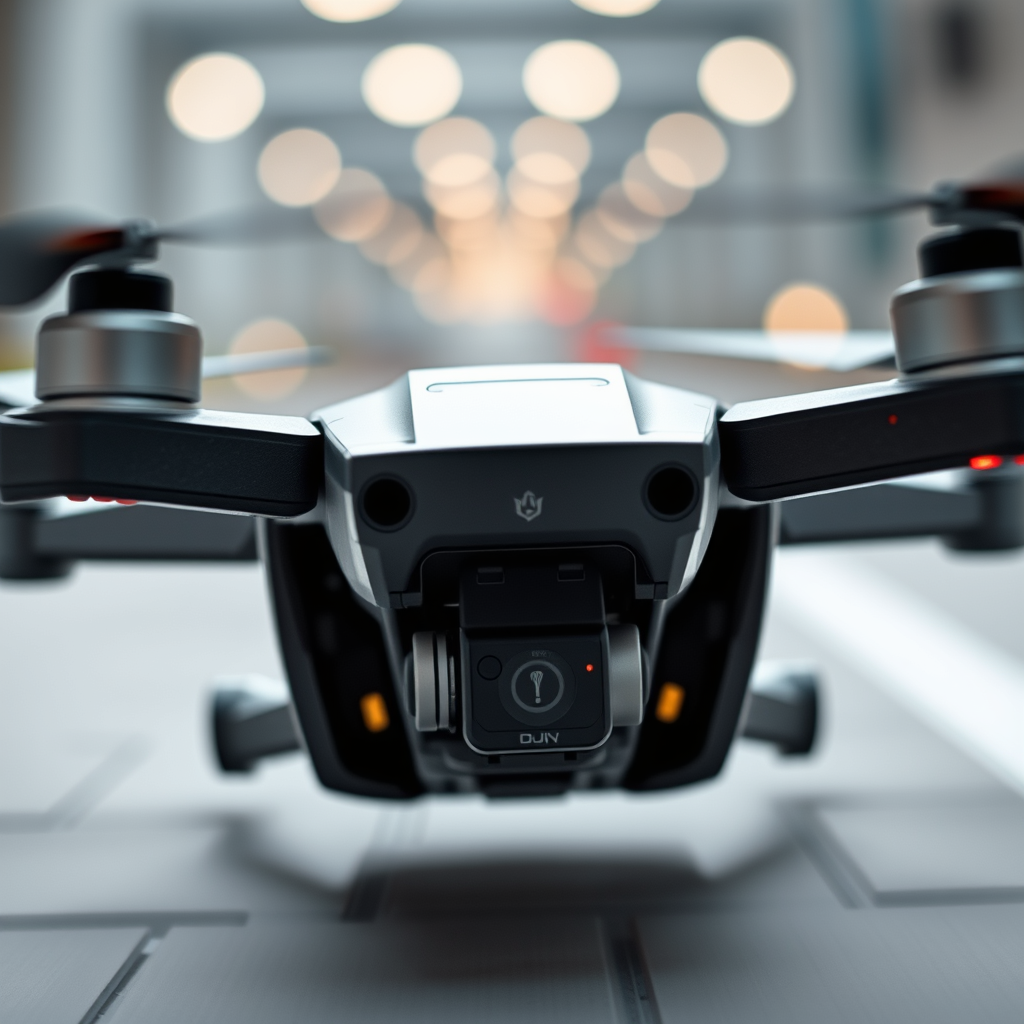
The DJI FPV drone can reach impressive speeds of up to 87 mph (140 km/h) in its manual mode. This remarkable speed enables users to experience the thrill of high-speed flying while capturing dynamic and breathtaking aerial footage. With its advanced technology and design, the DJI FPV drone is tailored for both racing enthusiasts and filmmakers, unlocking new creative possibilities. Below, we explore various aspects of the DJI FPV drone’s speed, performance, and features, providing a comprehensive understanding of what it can do.
Understanding Speed Modes
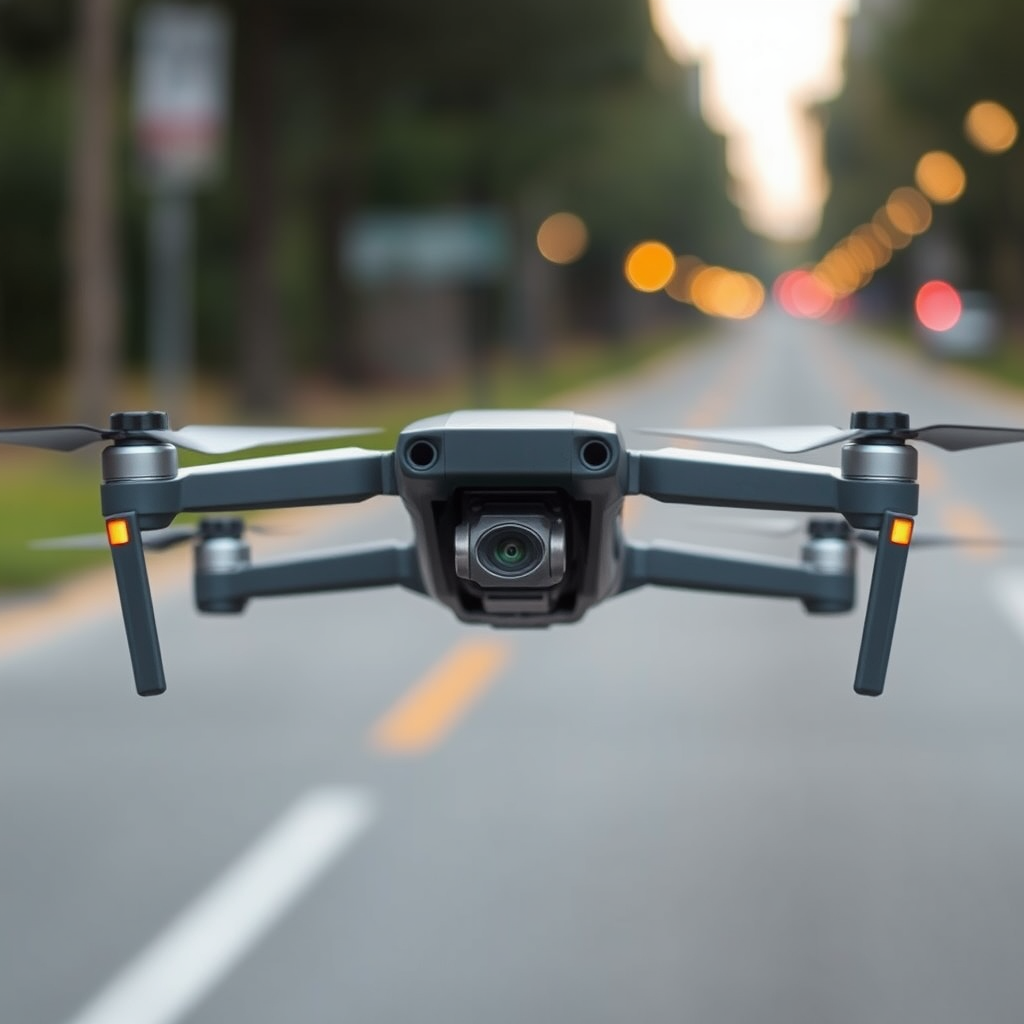
The DJI FPV drone features three distinct speed modes: Normal, Sport, and Manual. Each mode is designed to cater to different flying experiences and proficiency levels, ultimately affecting the maximum speed and maneuverability of the drone.
– Normal Mode: This mode is ideal for beginners, offering a maximum speed of around 28 mph (45 km/h). It provides a stable flying experience, allowing new pilots to familiarize themselves with the drone’s controls and features without the risk of losing control at high speeds.
– Sport Mode: A step up from Normal, Sport Mode allows for a maximum speed of approximately 62 mph (100 km/h). This mode introduces more dynamic flying characteristics, enabling pilots to execute sharper turns and faster maneuvers while retaining some level of stabilization.
– Manual Mode: For the seasoned pilot who desires the ultimate experience, Manual Mode unleashes the full potential of the DJI FPV drone, allowing it to reach top speeds of 87 mph (140 km/h). In this mode, the drone becomes fully agile, responding instantly to pilot commands, making it perfect for racing and advanced aerial acrobatics.
Understanding these modes is crucial for pilots to select the appropriate setting based on their skill level and intended use, ensuring a safe and enjoyable flight experience.
Factors Affecting Speed
Several factors can significantly impact the speed performance of the DJI FPV drone. These include environmental conditions, payload weight, and even the pilot’s skills.
– Environmental Conditions: Wind speed and direction play a vital role in how a drone performs. Flying against strong headwinds can drastically reduce the drone’s speed and battery life. Ideally, pilots should choose calm weather conditions for optimal performance. Similarly, flying at higher altitudes can result in thinner air, which may affect lift and speed.
– Weight and Payload: The overall weight of the drone, including any attached camera equipment or accessories, can influence its maximum speed. Heavier payloads require more power to maintain altitude and speed, potentially slowing down the drone. Pilots should consider the weight of their gear and aim for a balanced setup to maximize speed and performance.
– Pilot Proficiency: The skill level of the pilot is perhaps the most crucial factor affecting speed. Experienced pilots can exploit the drone’s capabilities more effectively, executing maneuvers that maintain or enhance speed. Practicing and mastering the controls can lead to improved performance in high-speed scenarios.
Speed Comparisons with Other Drones
When evaluating the DJI FPV drone, it’s essential to compare its speed to other models in the market. The DJI FPV stands out not only for its top speed but also for its agility and responsiveness.
– Racing Drones: Many racing drones can achieve speeds comparable to or even exceeding the DJI FPV, often reaching up to 100 mph (160 km/h) or more. However, these drones typically lack the stabilization and user-friendly features that DJI offers, making the FPV drone a more accessible choice for many users.
– Consumer Drones: In the consumer drone category, models such as the DJI Mavic Air 2 max out at around 42 mph (68 km/h). While suitable for general photography and videography, they do not compare to the FPV’s performance capabilities, especially when it comes to speed and agile aerial maneuvers.
The DJI FPV drone’s speed, combined with its advanced technology and ease of use, positions it as a versatile option for both racers and creative professionals alike.
Tips for Maximizing Speed
To fully utilize the speed capabilities of the DJI FPV drone, pilots should consider the following tips:
– Proper Calibration: Ensuring that the drone is calibrated correctly before takeoff can significantly impact its performance. Pilots should follow the manufacturer’s guidelines for calibration to maintain optimal control and responsiveness.
– Understanding Controls: Familiarizing oneself with the drone’s controls is vital. Pilots should practice in open spaces to develop their skills and understand how the drone responds to various inputs, especially in Manual Mode.
– Battery Management: Keeping the drone’s battery charged and well-maintained is essential for achieving maximum speed. A fully charged battery provides the necessary power for high-speed flights, while a depleted battery can hinder performance.
– Open Areas for Testing: Pilots should seek out wide-open spaces for speed testing. This not only enhances safety but also allows for greater control and maneuverability when testing the drone’s limits.
Safety Considerations
Flying at high speeds presents unique challenges, and safety should always be a priority. Here are some essential safety considerations:
– Maintain Line of Sight: Pilots must keep their drone within the visual line of sight at all times. This practice ensures better control and awareness of the drone’s surroundings, minimizing the risk of accidents.
– Adhere to Local Regulations: Different regions have specific regulations regarding drone flight. Pilots should familiarize themselves with local laws, including altitude restrictions and no-fly zones, to ensure compliance while flying at high speeds.
– Pre-Flight Checks: Conducting thorough pre-flight checks can prevent accidents. Pilots should inspect the drone’s components, including propellers, batteries, and camera equipment, to ensure everything is in optimal condition before flight.
– Emergency Procedures: Understanding how to execute emergency procedures, such as returning the drone to home or landing it safely in case of a malfunction, is crucial for high-speed flying.
Real-World Applications of Speed
The speed of the DJI FPV drone is not merely a thrill-seeking feature; it has practical applications in various fields.
– Racing: High-speed racing is one of the most exciting uses of the DJI FPV drone. Enthusiasts can participate in organized races, where speed and agility are critical for success.
– Cinematic Filming: Filmmakers can leverage the drone’s speed to capture dynamic shots, allowing for creative storytelling through fast-paced aerial footage. The ability to maneuver quickly around subjects adds a unique perspective to cinematic projects.
– Search and Rescue: In emergency situations, the high speed of the DJI FPV drone can be advantageous for search and rescue operations, allowing for rapid coverage of large areas to locate missing persons or assess disaster damage.
The versatility of high-speed drones like the DJI FPV extends to numerous fields, showcasing their potential beyond mere recreational use.
User Experiences and Reviews
Many users have shared their experiences with the DJI FPV drone, particularly regarding its speed and performance. Testimonials reveal a pattern of excitement and satisfaction among pilots.
– User Anecdotes: One user noted that the thrill of reaching top speeds during races provided an adrenaline rush unlike any other drone experience. The drone’s responsiveness allowed for precise control, enhancing their racing skills.
– Cinematic Feedback: Filmmakers have praised the drone’s ability to capture high-speed footage with stunning clarity and stability. One user remarked that the FPV drone allowed them to achieve dynamic shots that were previously unattainable with traditional drones.
– Community Insights: The FPV drone community often shares tips and tricks to maximize speed, emphasizing the importance of practice and understanding the drone’s capabilities. Many users encourage new pilots to take their time learning before attempting high-speed maneuvers.
These insights highlight how the DJI FPV drone’s speed enhances the flying experience, providing users with both excitement and creative opportunities.
The DJI FPV drone’s remarkable speed opens up a world of possibilities for both recreational and professional users. Whether you’re racing or capturing breathtaking footage, understanding and utilizing its speed can greatly enhance your drone flying experience. Explore more about the DJI FPV and take your flying skills to new heights!
Frequently Asked Questions
What is the maximum speed of the DJI FPV drone?
The maximum speed of the DJI FPV drone is approximately 87 mph (140 km/h) in Sport mode. This impressive speed allows for exhilarating flight experiences and is particularly beneficial for racing and capturing high-speed action shots. It’s important to note that achieving this speed requires optimal conditions and proper piloting skills.
How does the speed of the DJI FPV drone compare to other racing drones?
The DJI FPV drone’s top speed of 87 mph places it among the faster racing drones available on the market. While some dedicated racing drones can exceed this speed, the DJI FPV drone stands out for its combination of speed, stability, and user-friendly features, making it a great choice for both beginners and experienced pilots alike.
Why is understanding the speed of the DJI FPV drone important for users?
Knowing the speed capabilities of the DJI FPV drone is crucial for users looking to maximize their flying experience. It helps pilots plan their flights effectively, especially when capturing fast-moving subjects or participating in racing events. Additionally, understanding speed can assist pilots in adhering to local regulations and safety guidelines.
Which flight modes affect the speed of the DJI FPV drone?
The DJI FPV drone features three flight modes: Normal, Sport, and Manual. In Normal mode, the drone prioritizes stability and ease of use, limiting speed to around 31 mph (50 km/h). Sport mode allows for higher speeds up to 87 mph (140 km/h), while Manual mode provides full control over speed and agility, making it ideal for advanced users looking to push the drone to its limits.
How can I improve the speed and performance of my DJI FPV drone?
To enhance the speed and performance of your DJI FPV drone, ensure that you have fully charged batteries and maintain a clean, well-functioning propeller system. Additionally, flying in optimal weather conditions—such as low wind and clear skies—can significantly improve performance. Regularly updating the firmware and practicing in different modes will also help you become a more proficient pilot and maximize the drone’s speed capabilities.
References
- https://en.wikipedia.org/wiki/DJI_FPV
- https://www.theverge.com/2021/3/2/22309364/dji-fpv-drone-review-speed-flight-time-features-price
- https://www.techradar.com/reviews/dji-fpv-drone-review
- https://www.cnet.com/tech/what-is-the-dji-fpv-drone-and-what-are-its-features/
- https://www.dji.com/dji-fpv
- https://www.faa.gov/uas/getting_started/part_107/
