
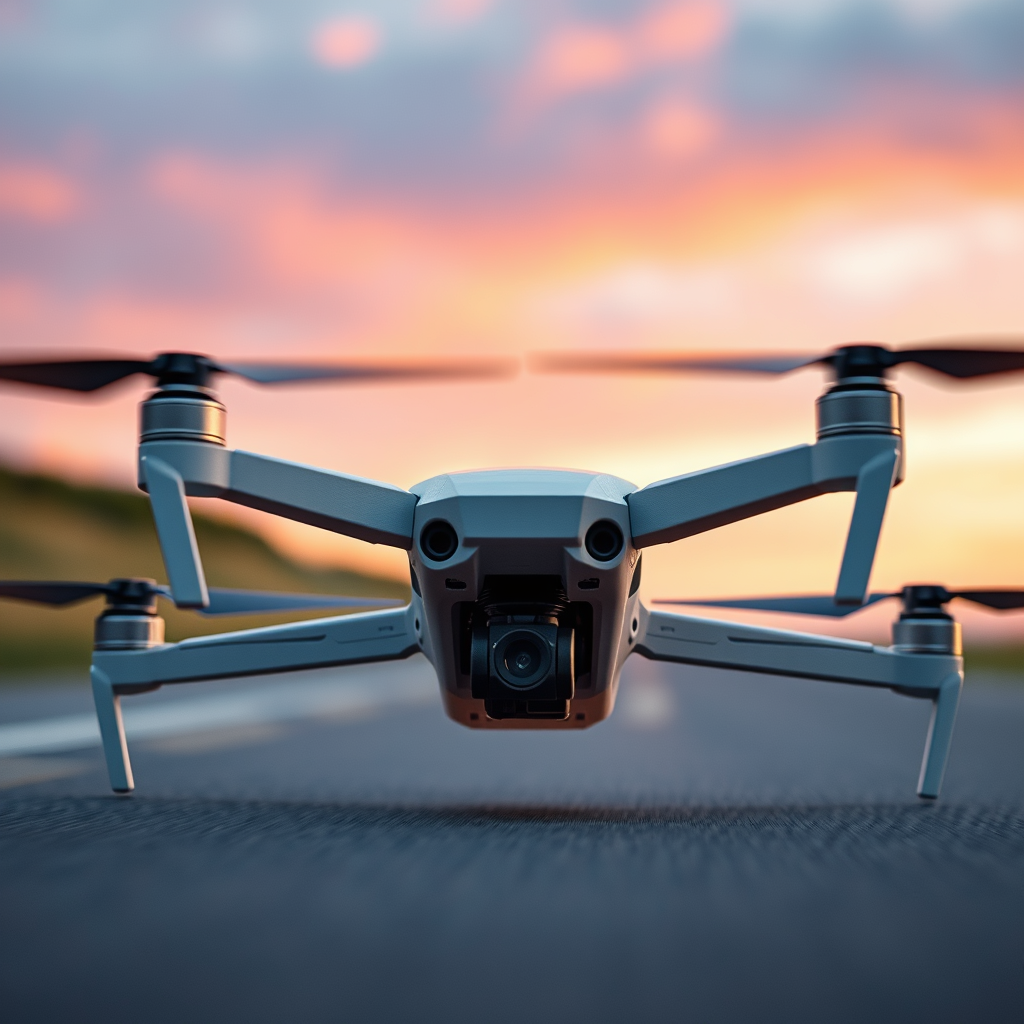
The fastest drone in the world can reach speeds of up to 263 miles per hour (423 kilometers per hour). This remarkable speed is achieved by specialized racing drones that prioritize velocity over stability and endurance. As drone technology evolves, understanding the factors that contribute to these incredible speeds and the types of drones that can achieve them is essential for enthusiasts and professionals alike. In this article, we will explore the categories of drones, the key factors influencing speed, notable speed records in drone racing, the role of technology, safety considerations, and future trends in drone speed development.
Understanding Drone Speed Categories
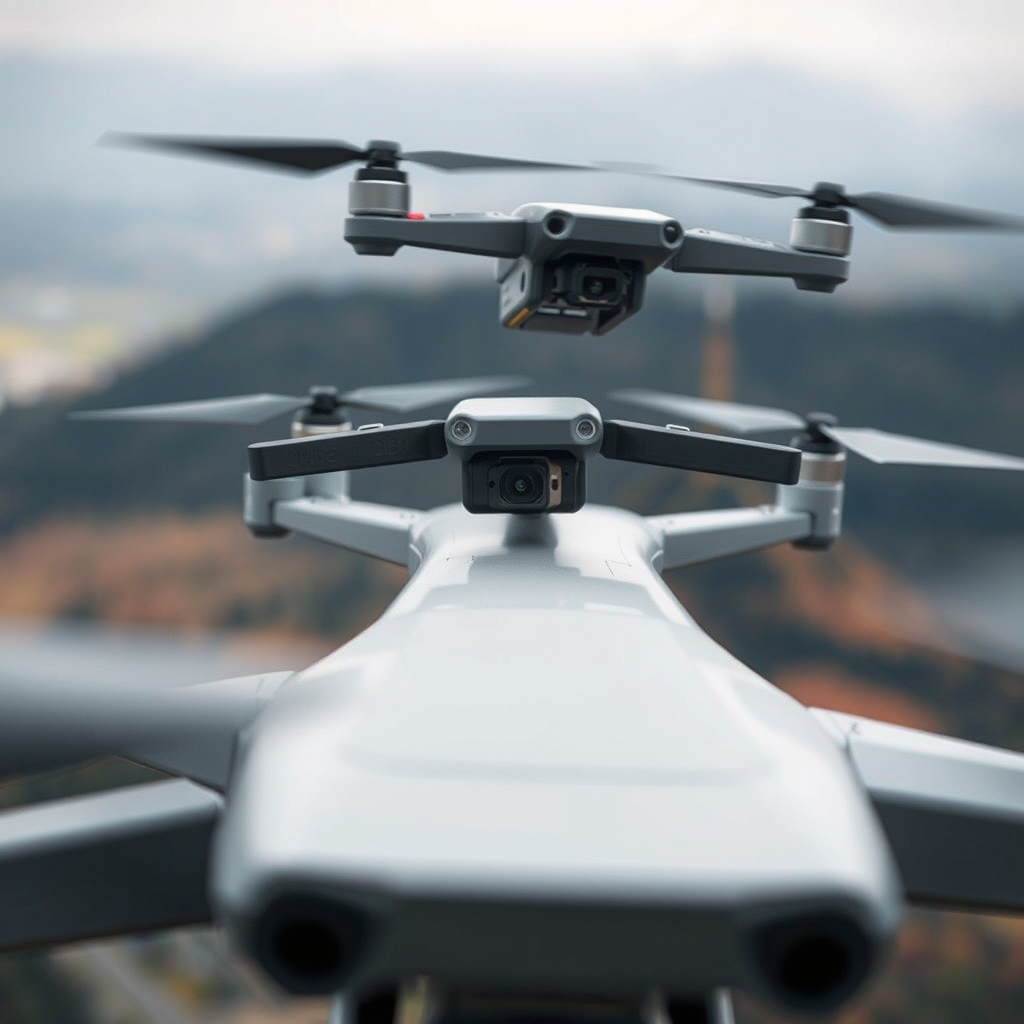
Drones can be classified into several categories based on their design and intended use, each with varying speed capabilities.
– Racing Drones: Racing drones are specifically engineered for speed and agility, making them the fastest type of drone available. These drones are lightweight and equipped with powerful motors, allowing them to navigate complex race courses quickly. Competitors often customize their drones to maximize performance in competitive events, with some models capable of exceeding 200 miles per hour.
– Commercial Drones: In contrast to racing drones, commercial drones prioritize stability and endurance, often sacrificing speed for reliability. These drones are typically utilized for tasks such as aerial photography, agriculture, and delivery services. While some commercial drones can reach speeds of 50 to 70 miles per hour, they are not designed for high-speed performance.
– Military Drones: Military drones can achieve high speeds, but their design often focuses on stealth and operational range rather than outright speed. Drones like the MQ-9 Reaper can reach speeds up to 300 miles per hour, but their primary function is surveillance and reconnaissance rather than racing.
Key Factors Influencing Drone Speed
Several critical factors influence the speed capacity of a drone. Understanding these elements can help enthusiasts optimize their drones for performance.
– Weight: The weight of a drone plays a significant role in its acceleration and maximum speed. Lighter drones can accelerate more quickly and achieve higher speeds than heavier counterparts. Manufacturers often use lightweight materials such as carbon fiber to reduce weight without compromising structural integrity.
– Propulsion Systems: The propulsion system is vital for a drone’s speed capabilities. High-performance motors combined with efficient propellers can significantly enhance speed. For instance, racing drones often use brushless motors, which provide more power and quicker response times compared to traditional motors.
– Aerodynamics: The design of a drone affects its ability to cut through the air. Sleek, aerodynamic designs reduce drag, allowing drones to maintain higher speeds with less effort. Innovations in drone design, such as incorporating winglets or optimizing the shape of the body, further enhance aerodynamic efficiency.
Notable Speed Records in Drone Racing
The world of drone racing has seen remarkable achievements, with records continually being shattered as technology advances.
– Current Record Holder: As of now, the title of the fastest drone belongs to a custom-built racing drone piloted by drone racing champion Johnny Schaer, known as “JohnnyFPV.” This drone achieved an astonishing speed of 263 miles per hour during a race, showcasing the potential of advanced racing technology.
– Competitions: Major drone racing events, such as the Drone Racing League (DRL) and MultiGP Racing, provide platforms for pilots to showcase their skills and speed capabilities. These competitions have gained popularity worldwide, attracting spectators and sponsors, which further fuels innovation in drone technology.
– Speed Innovations: Recent technological advancements, such as improved battery technology and better flight control systems, have propelled the speed limits of drones. For example, the integration of artificial intelligence in flight controllers allows for real-time adjustments, optimizing speed and stability during races.
The Role of Technology in Achieving High Speeds
Technological innovations are at the heart of achieving high speeds in drones. Several key components contribute to their performance.
– Flight Controllers: Advanced flight controllers utilize sophisticated algorithms that optimize a drone’s performance, ensuring stability and responsiveness even at high speeds. These systems allow pilots to push the limits of their drones while maintaining control.
– Battery Technology: Improvements in battery technology have significantly impacted drone performance. High-capacity lithium polymer (LiPo) batteries provide the necessary power for enhanced thrust and acceleration, enabling drones to reach their top speeds more efficiently.
– Materials: The use of lightweight, high-strength materials, such as carbon fiber and advanced plastics, has revolutionized drone design. These materials allow manufacturers to build faster drones without sacrificing durability, a critical factor for racing applications.
Safety Considerations at High Speeds
While high-speed drone racing is exhilarating, it also comes with inherent risks that must be addressed to ensure safety.
– Risk of Crashes: The dangers of flying at extreme speeds are significant. Crashes can result in severe damage to both the drone and surrounding property, as well as pose risks to bystanders. Pilots must exercise caution and adhere to safety protocols, including maintaining a safe distance from obstacles and spectators.
– Regulatory Compliance: Understanding the legal limitations and guidelines for flying fast drones is critical. Many countries have regulations governing drone speeds, flight altitudes, and areas where drones can operate. Pilots must familiarize themselves with local laws to avoid penalties and ensure safe flying practices.
– Pilot Skill Level: Operating high-speed drones requires a high level of skill and experience. Pilots must undergo training to handle the complexities of flying at such velocities. Participating in drone racing leagues or joining local clubs can provide valuable experience and knowledge.
Future Trends in Drone Speed Development
The future of drone technology promises even more exciting advancements in speed and performance.
– Research and Development: Ongoing projects in aerodynamics, propulsion systems, and materials science aim to push the boundaries of drone speeds. Companies and research institutions are continuously exploring new technologies to enhance performance.
– Potential Applications: Faster drones could revolutionize various industries, including delivery services, agriculture, and surveillance. For instance, rapid delivery drones could minimize transit times for goods, while high-speed agricultural drones could cover more ground efficiently.
– The Next Generation of Drones: As technology progresses, predictions suggest that future drones may achieve speeds exceeding 300 miles per hour. Innovations in quantum computing and AI could lead to breakthroughs in flight control and navigation, enabling drones to operate at unprecedented speeds safely.
The world of high-speed drones is both thrilling and rapidly evolving. With advancements in technology and a growing interest in drone racing, we can expect to see even faster drones in the future. Whether you’re a hobbyist or a professional, staying informed about these developments can enhance your flying experience. As the landscape of drone technology continues to evolve, the excitement surrounding speed and performance will undoubtedly capture the imagination of enthusiasts worldwide.
Frequently Asked Questions
What is the fastest drone currently available on the market?
As of October 2023, the fastest commercially available drone is the DRL RacerX, which can reach speeds of up to 263 mph (423 km/h). This racing drone was designed specifically for competitive racing and utilizes advanced aerodynamics and lightweight materials to achieve its impressive speed. For hobbyists and enthusiasts looking for high-speed options, there are other models like the Eachine Racer 250, but they typically reach speeds around 50-70 mph.
How do drone speeds compare between racing drones and consumer drones?
Racing drones are typically engineered for maximum speed and agility, often exceeding 200 mph, whereas consumer drones are designed for stability, camera quality, and ease of use, usually reaching speeds of 15 to 50 mph. The difference in design focus means that racing drones have more powerful motors, lighter frames, and advanced controls, making them ideal for speed enthusiasts. If you’re looking for a drone to capture stunning aerial footage, a consumer drone may be more suitable than a racing model.
Why do some drones have such high speeds while others are much slower?
The speed of a drone is influenced by several factors including its weight, motor power, and aerodynamics. Racing drones prioritize lightweight construction and powerful brushless motors to achieve high speeds, while consumer drones often have heavier frames and additional features like cameras and GPS, which can reduce speed. Additionally, flight stability and control systems in consumer drones are optimized for smooth operation rather than speed, making them slower overall.
What are the risks associated with flying high-speed drones?
Flying high-speed drones poses several risks, including collision with obstacles, loss of control, and the potential for injury to bystanders. High-speed drones can be difficult to maneuver, especially for inexperienced pilots, and flying them in populated areas is often against regulations. It’s essential to fly in open spaces, maintain a safe distance from people and structures, and adhere to local laws to mitigate these risks.
Which factors should I consider when choosing a fast drone for racing?
When selecting a fast drone for racing, consider factors such as the drone’s weight, motor power, battery life, and camera quality. Lightweight drones with powerful brushless motors will provide better speed and agility, while a high-capacity battery will ensure longer flight times. Additionally, evaluate the drone’s control system for responsiveness and stability, as these elements are crucial for successful racing performance.
References
- https://en.wikipedia.org/wiki/Drone_racing
- https://www.bbc.com/news/technology-50387687
- https://www.theguardian.com/technology/2020/jan/08/the-worlds-fastest-drone
- https://www.sciencedirect.com/science/article/pii/S2212017317301933
- https://www.nytimes.com/2017/03/29/technology/drone-racing.html
- https://www.nasa.gov/mission_pages/tdm/overview/index.html
