
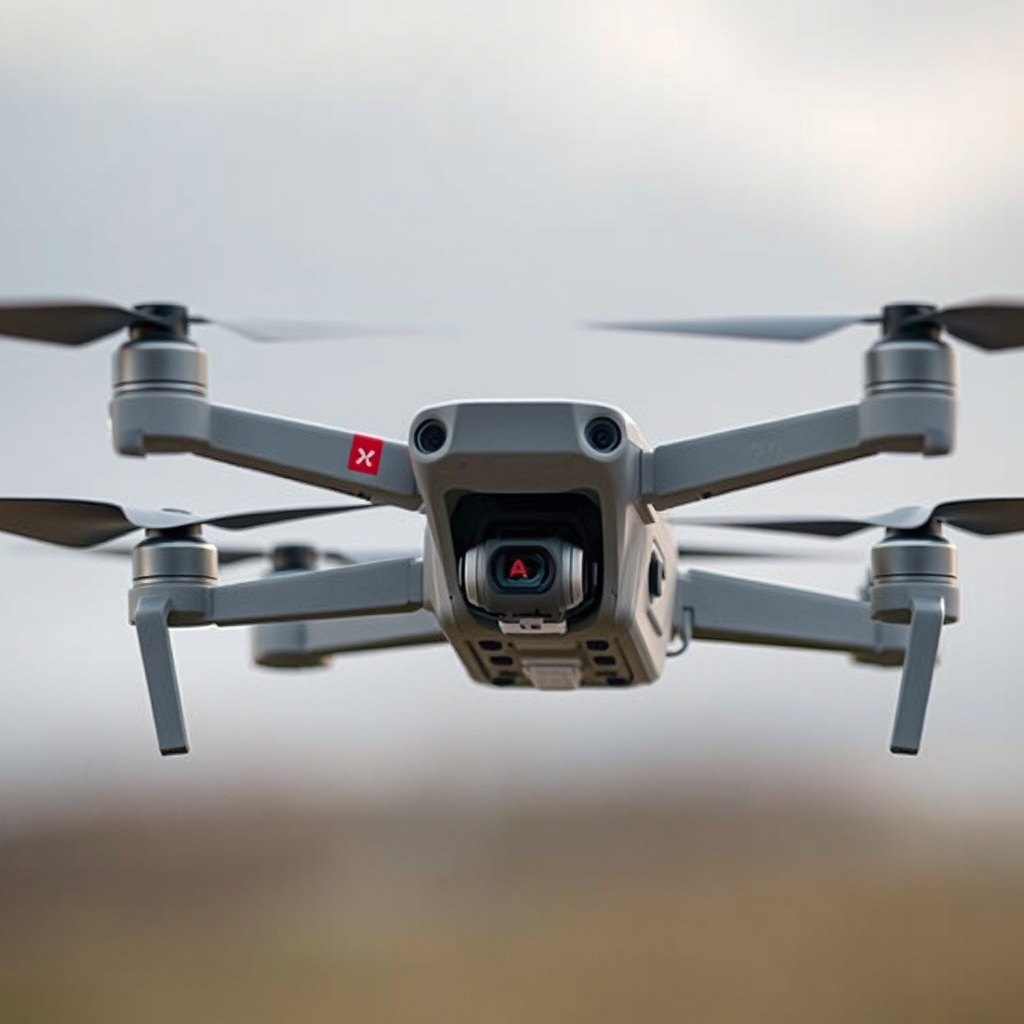
Drones can typically weigh anywhere from a few grams to over 25 kilograms (55 pounds), depending on their design and purpose. Understanding these weight limits is crucial for compliance with regulations and optimizing drone performance. The weight of a drone not only impacts its operational capabilities but also influences factors such as flight time, stability, and legal requirements. In this article, we will explore the factors influencing drone weight, various categories of drones, and the implications of weight on flight.
Factors Influencing Drone Weight
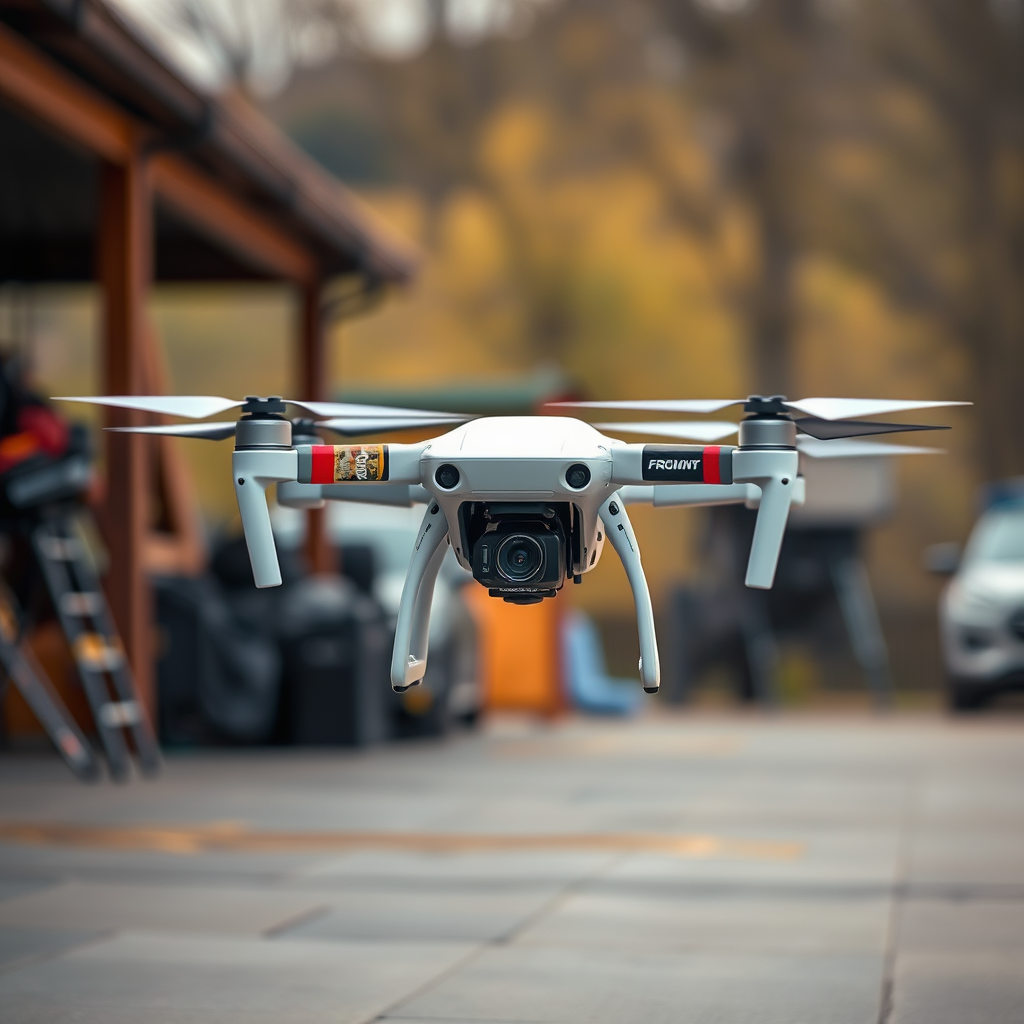
The weight of a drone is determined by several key factors, each of which plays a significant role in its design and functionality.
1. Materials Used in Construction: The choice of materials is fundamental in determining the overall weight of a drone. Lightweight materials such as plastic and carbon fiber are often favored for their strength-to-weight ratio. High-end drones frequently utilize carbon fiber due to its durability and reduced weight compared to traditional metals. For example, DJI’s Mavic series employs a combination of high-grade plastics and lightweight metals to maintain a low weight while ensuring structural integrity.
2. Battery Types and Capacities: The type and capacity of the battery used in a drone are crucial determinants of its weight. Lithium Polymer (LiPo) batteries, commonly used in drones, offer a good balance between weight and energy capacity. However, higher-capacity batteries, while providing longer flight times, add significant weight. As a result, drone manufacturers often need to strike a balance between battery weight and the desired flight duration.
3. Payload Requirements for Specific Tasks: Drones are increasingly used for various applications, from aerial photography to agricultural monitoring. The payload, which includes cameras, sensors, or other equipment, directly affects the total weight of the drone. For instance, a drone designed for surveying might carry specialized sensors that add considerable weight, necessitating a robust frame and powerful motors to maintain flight capabilities.
Categories of Drones by Weight
Drones can be categorized based on their weight, which directly influences their intended use and regulatory classification.
1. Micro Drones (Under 250 grams): These lightweight drones are designed for recreational use and have become increasingly popular among hobbyists. With their compact size, they are easy to transport and operate in various environments. The DJI Tello, for example, weighs just 80 grams and is perfect for beginners looking to explore the world of aerial photography without extensive regulatory hurdles.
2. Mid-Sized Drones (250 grams to 25 kilograms): This category includes drones commonly employed for commercial purposes, such as real estate photography, agricultural monitoring, and infrastructure inspections. These drones typically weigh between 250 grams and 25 kilograms and are subject to specific regulations. Notable examples include the DJI Phantom 4, which weighs approximately 1.4 kilograms and is widely used for professional aerial photography.
3. Heavy-Lift Drones (Over 25 kilograms): Heavier drones are utilized in industrial applications, including cargo transport, search and rescue operations, and film production. These drones can carry substantial payloads, often exceeding 100 kilograms, due to their advanced engineering and powerful propulsion systems. An example of this category is the Griff Aviation 200, which can lift up to 200 kilograms and is employed in various logistical operations.
Legal Weight Limits and Regulations
Compliance with legal weight limits is essential for ensuring safe and lawful drone operation.
1. Overview of FAA Regulations in the United States: The Federal Aviation Administration (FAA) regulates drone operations in the United States. For commercial drones, the maximum weight limit for Part 107 operations is 25 kilograms (55 pounds). This regulation ensures that drones can be safely operated within national airspace while minimizing risks to people and property.
2. International Regulations and Weight Classifications: Different countries have varying regulations regarding drone weight limits. For instance, the European Union Aviation Safety Agency (EASA) has established classifications for drones based on weight, with specific operational rules for each category. Understanding these regulations is vital for drone operators who plan to fly internationally.
3. Consequences of Exceeding Weight Limits for Commercial Operators: Exceeding legal weight limits can lead to severe repercussions, including fines, suspension of flight operations, and legal liability in the event of an accident. Commercial operators must adhere strictly to weight regulations to ensure compliance and maintain their operational licenses.
Performance Implications of Drone Weight
The weight of a drone significantly influences its performance across various parameters.
1. Effects of Weight on Flight Time and Battery Life: Heavier drones typically experience shorter flight times due to the increased energy required to maintain lift. For instance, a drone weighing 2 kilograms may achieve a flight time of 25 minutes, while a similarly designed drone at 4 kilograms might only achieve 15 minutes. Understanding this relationship is crucial for mission planning, especially for tasks that require extended flight durations.
2. Impact on Maneuverability and Stability During Flight: A drone’s weight affects its maneuverability and overall stability. Heavier drones may struggle with quick directional changes and may be more susceptible to wind disturbances, impacting their ability to maintain a steady flight path. Operators should consider these factors when selecting a drone for specific applications, ensuring they choose a model that aligns with their operational needs.
3. Recommendations for Optimizing Weight for Specific Missions: To optimize a drone for a particular mission, operators can take several steps. This includes carefully selecting lightweight materials, minimizing unnecessary accessories, and choosing the appropriate battery size. For example, if a drone is primarily used for aerial photography, operators might prioritize a high-quality camera while keeping other components lightweight.
Safety Considerations for Heavier Drones
Operating heavier drones comes with unique safety considerations that must be addressed to ensure safe flight.
1. Risks Associated with Heavier Drones During Operation: Heavier drones pose a greater risk in the event of a malfunction or crash due to their increased mass. The potential for injury or property damage is significantly higher, making it imperative for operators to conduct thorough pre-flight checks and risk assessments.
2. Importance of Proper Loading and Balance: Properly loading and balancing a drone is crucial, especially for heavier models. An uneven load can lead to instability during flight, increasing the risk of crashes. Operators should ensure that payloads are evenly distributed and that the center of gravity is maintained within the manufacturer’s specifications.
3. Required Safety Equipment for Heavier Payloads: When operating heavier drones, additional safety equipment may be necessary. This can include safety nets, emergency parachutes, and robust landing gear designed to absorb impact. Operators should evaluate their specific operational environment and consider these safety measures to mitigate risks.
Future Trends in Drone Weight Capacity
The future of drone weight capacity is poised for significant advancements, driven by innovations in technology and materials.
1. Innovations in Lightweight Materials and Battery Technology: The development of advanced materials, such as graphene and high-strength composites, promises to reduce drone weight while enhancing strength and durability. Additionally, the evolution of battery technology, including solid-state batteries, may lead to lighter and more efficient power sources, further expanding the capabilities of heavier drones.
2. Predictions for Heavier Drones in Commercial and Delivery Services: As drone technology advances, heavier drones are expected to play a crucial role in commercial applications, particularly in delivery services. Companies like Amazon and UPS are investing in drone technology capable of transporting larger packages, which will necessitate a reevaluation of weight limits and safety regulations.
3. The Role of Regulatory Bodies in Shaping Future Weight Limits: Regulatory bodies will continue to play an essential role in defining weight limits as drone technology evolves. Collaboration between manufacturers, operators, and regulators will be necessary to ensure that safety remains a priority while allowing for innovation and growth in the industry.
In conclusion, the weight of a drone is a fundamental aspect that influences its operation, performance, and regulatory compliance. Understanding the various factors that contribute to drone weight, as well as the implications of weight on flight capabilities, is vital for both hobbyists and professionals. As the drone industry continues to evolve, staying informed about weight limits and advancements in technology will be essential for ensuring safe and effective drone operations. For anyone considering purchasing or operating a drone, it’s crucial to prioritize knowledge of these factors to enhance both safety and functionality.
Frequently Asked Questions
What is the maximum weight a drone can carry for commercial use?
The maximum weight a drone can carry for commercial use is typically determined by regulations set forth by aviation authorities, such as the FAA in the United States. For instance, the FAA allows drones to have a maximum takeoff weight (MTOW) of 55 pounds (25 kg) for commercial operations. However, this weight includes both the drone itself and any payload, so operators must consider the drone’s weight when calculating how much additional equipment or cargo can be included.
How does a drone’s weight affect its performance?
A drone’s weight significantly impacts its performance, including flight time, speed, and maneuverability. Generally, a heavier drone will consume more battery power, leading to reduced flight times. Additionally, increased weight can make it more challenging for a drone to ascend quickly and can affect its stability, especially in windy conditions, which is crucial for aerial photography or videography.
Why are there weight restrictions on drones?
Weight restrictions on drones are primarily in place for safety and regulatory reasons. Heavier drones can pose greater risks to people, property, and other aircraft in the event of a malfunction or crash. Regulatory bodies, such as the FAA, enforce these limits to ensure that drone operations are safe and that pilots maintain control over their aircraft, especially in populated areas.
Which drones are best for carrying heavy payloads?
Drones designed for carrying heavy payloads typically include models like the DJI Matrice 600 and the Freefly Alta 8. These drones are engineered with robust frames and powerful motors to support significant weights, making them ideal for professional applications such as filmmaking, industrial inspections, and agricultural surveying. When selecting a drone for carrying heavy loads, it’s essential to consider factors like the maximum payload capacity, flight stability, and battery life.
What is the legal weight limit for recreational drone flying?
For recreational drone flying in the United States, the legal weight limit is set at 55 pounds (25 kg) for the drone, including any payload. This regulation ensures that hobbyist pilots adhere to safety guidelines while enjoying their drone flying experiences. It’s important for recreational users to familiarize themselves with local laws and regulations, as weight limits may vary by country and region.
References
- https://en.wikipedia.org/wiki/Drone
- https://www.faa.gov/uas/
- https://www.nasa.gov/aeroresearch/programs/aavp/overview
- https://www.faa.gov/uas/media/Part_107_Summary.pdf
- https://www.theguardian.com/technology/2021/jun/09/drone-revolution-airspace-regulations
- https://www.ncbi.nlm.nih.gov/pmc/articles/PMC6083504/
- https://www.sciencedirect.com/science/article/pii/S2352864817302088
- https://www.nist.gov/news-events/news/2021/05/nist-research-informs-safety-drone-operations-urban-environments
