
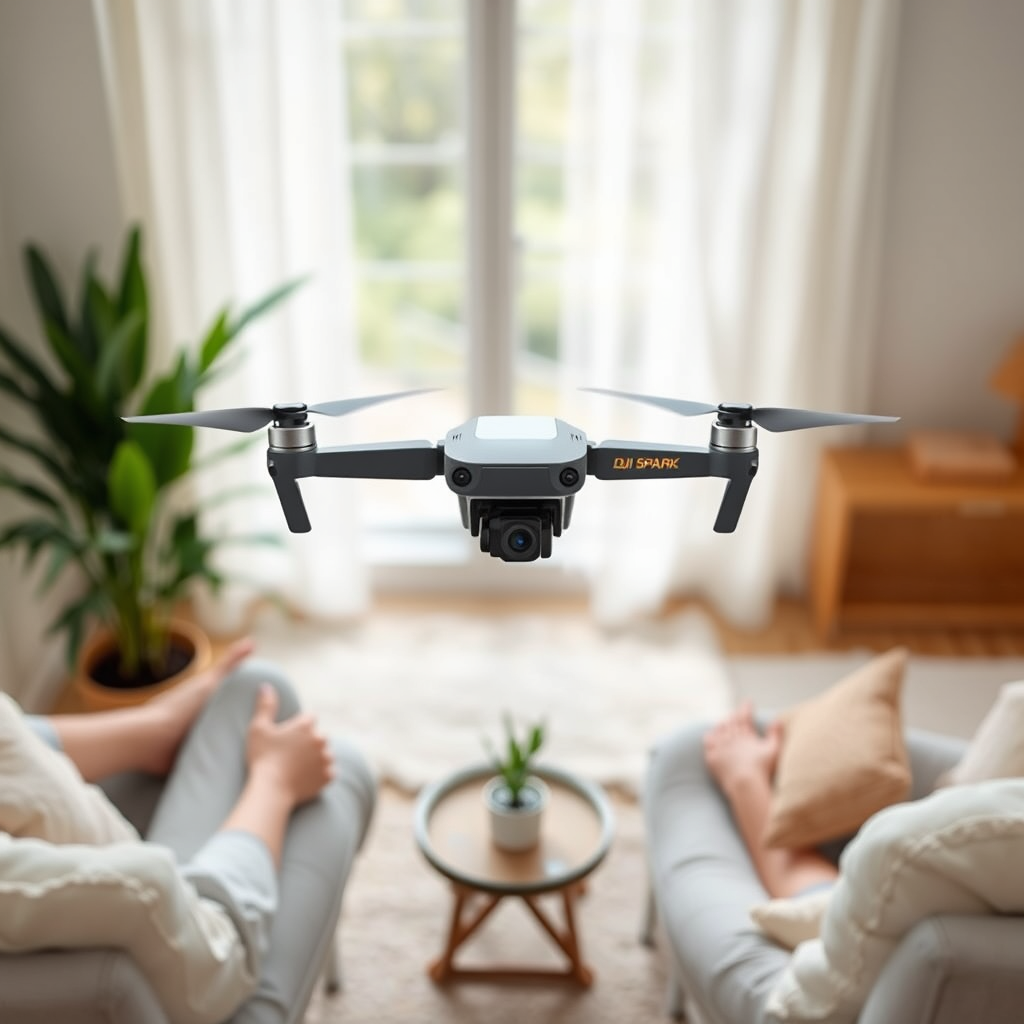
The DJI Spark drone can fly up to a maximum altitude of 500 meters (approximately 1,640 feet) above sea level. This impressive height allows for breathtaking aerial photography and videography, enabling users to capture stunning landscapes from a unique perspective. However, the actual flying altitude can be influenced by various factors, including environmental conditions and regulatory requirements. In this article, we will delve deeper into the DJI Spark’s altitude capabilities while discussing the elements that affect flight performance and ensuring a safe and enjoyable flying experience.
Understanding the DJI Spark’s Altitude Limit
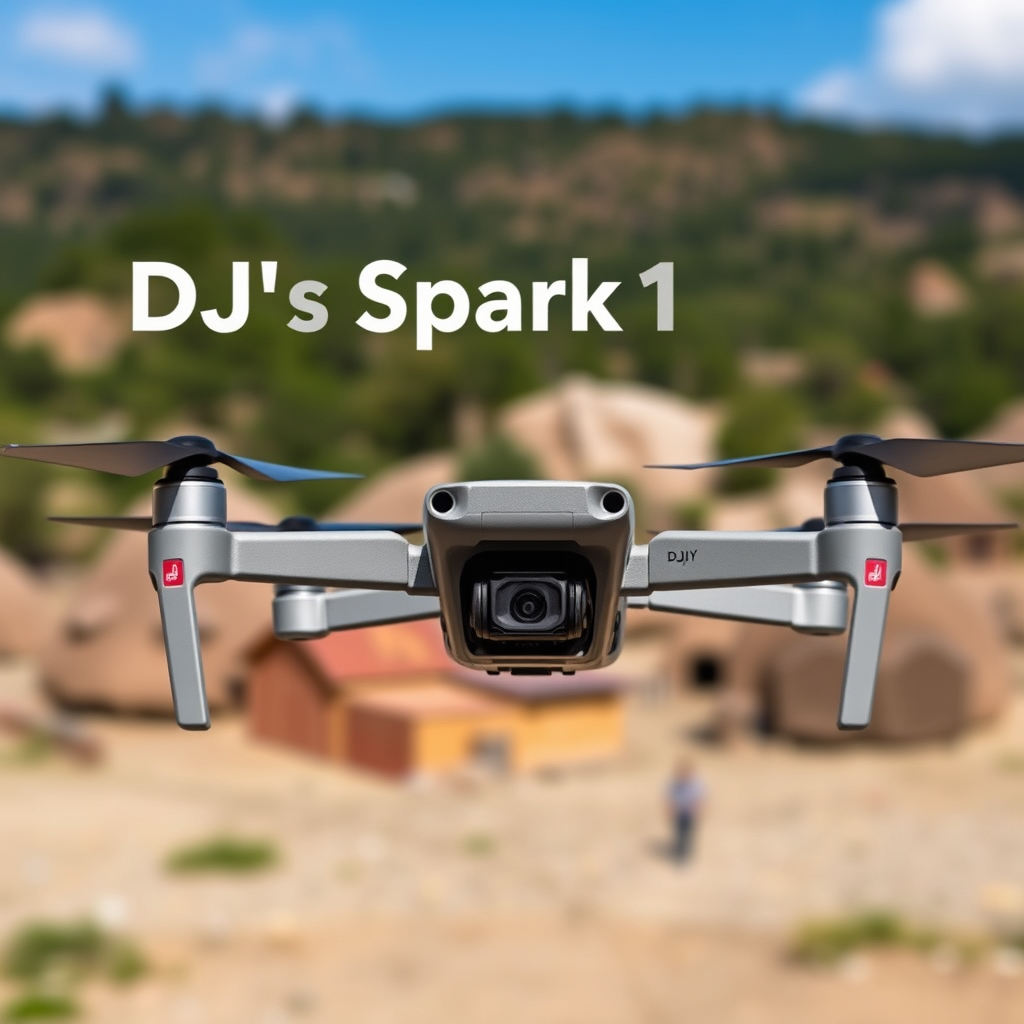
The maximum altitude of 500 meters is not arbitrary; it is a safety feature implemented by DJI to comply with aviation regulations and to mitigate risks associated with drone operation. This altitude limit helps prevent interference with manned aircraft, particularly in areas with heavy air traffic. Additionally, pilots using the DJI GO 4 app can adjust altitude settings based on personal preferences or specific needs, such as filming requirements or safety concerns.
For instance, if a pilot is flying in a densely populated area, they may choose to limit their drone’s altitude to minimize risks of accidents or collisions. The app allows for such adjustments, making it a versatile tool for both amateur and professional drone operators. Understanding these altitude settings is crucial for ensuring compliance with local laws and regulations while maximizing the drone’s capabilities.
Factors Affecting Flight Altitude
Several factors can influence how high a DJI Spark can actually fly, despite its advertised maximum altitude. One of the primary factors is weather conditions. Wind speeds, humidity levels, and temperature can all impact the drone’s performance. For example, high winds can destabilize the drone, making it difficult to maintain altitude, while extreme temperatures may affect battery efficiency and overall flight capabilities.
Battery life is another critical factor. As the battery drains, the drone’s ability to maintain altitude diminishes. Pilots should monitor battery levels closely, especially when flying at higher altitudes where the drone may need more power to counteract wind resistance and maintain stability. It’s advisable to plan flights based on battery life estimates, ensuring that the drone can return safely before running out of power.
Local Regulations and Restrictions
When operating a DJI Spark, it is essential to be aware of local regulations that may impose further altitude restrictions. In many countries, the Federal Aviation Administration (FAA) and other regulatory bodies dictate maximum flight heights for drones to ensure public safety and prevent interference with manned aircraft. For instance, in the United States, the FAA limits recreational drone flights to 400 feet above ground level (AGL) in uncontrolled airspace.
Furthermore, certain areas may be designated as no-fly zones due to safety concerns, such as near airports, military installations, or national parks. Pilots must familiarize themselves with these regulations and utilize tools like the DJI GO 4 app, which can provide real-time information about no-fly zones and ensure compliance with local laws.
Tips for Maximizing Flight Performance
To achieve the best possible performance from a DJI Spark drone, several pre-flight checks and best practices should be followed. Before taking off, pilots should conduct a thorough inspection of the drone and its components, including the battery, propellers, and camera. Ensuring that these elements are in good condition can prevent mid-flight failures and enhance overall safety.
Additionally, flying in optimal weather conditions is crucial for maximizing altitude. Clear skies with minimal wind will not only allow for better stability but also for impressive imagery. If possible, plan flights during times of day when weather conditions are most favorable, such as early morning or late afternoon when winds are typically calmer.
Safety Considerations When Flying High
Safety should always be the top priority when operating a drone, especially when flying at high altitudes. Maintaining a line of sight with the drone is essential for avoiding obstacles and ensuring safe operation. Pilots should be vigilant and aware of their surroundings, keeping an eye out for trees, buildings, and other structures that could pose a collision risk.
Moreover, it is advisable to establish an emergency plan for potential issues, such as losing signal or battery failure. Understanding how to safely land the drone in various scenarios can prevent accidents and damage to the equipment. Utilizing features like Return to Home (RTH) can also aid in ensuring the drone returns safely in case of unexpected challenges.
Capturing Stunning Aerial Shots
One of the most appealing aspects of flying a DJI Spark drone is the ability to capture stunning aerial shots. To achieve the best results at high altitudes, pilots should familiarize themselves with best practices for photography and videography. Techniques such as using the rule of thirds, experimenting with different angles, and capturing images during golden hour can enhance the visual appeal of the footage.
Furthermore, adjusting camera settings to accommodate varying light conditions at high altitudes is crucial. For instance, as the drone ascends, the lighting can change significantly, affecting exposure and color balance. Pilots should consider using manual settings to control ISO, shutter speed, and aperture, ensuring high-quality images and videos regardless of altitude.
In conclusion, while the DJI Spark can fly up to 500 meters, several factors—including weather conditions, battery life, and local regulations—can affect this capability. By understanding these elements and adhering to safety guidelines, drone operators can enjoy a rewarding flying experience while capturing breathtaking aerial imagery. Always remember to stay informed, plan thoroughly, and fly responsibly. Happy flying!
Frequently Asked Questions
How high can a DJI Spark drone fly?
The DJI Spark drone has a maximum altitude limit of 500 meters (approximately 1,640 feet) above ground level, as per regulations set by the Federal Aviation Administration (FAA) in the United States. However, many drone enthusiasts recommend flying at lower altitudes for safety and optimal performance, typically within 120 meters (about 400 feet) to comply with most aviation rules and to ensure better control over the drone.
What factors can affect the flight altitude of a DJI Spark drone?
Several factors can influence the flight altitude of a DJI Spark drone, including battery life, weather conditions, and local regulations. Wind speed can impact stability at higher altitudes, while low battery levels may restrict the maximum height to ensure a safe return. Additionally, flying in restricted airspace may legally limit how high the drone can ascend.
Why is there a height limit for flying drones like the DJI Spark?
Height limits for drones like the DJI Spark are primarily set to ensure aviation safety and prevent interference with manned aircraft. The FAA and other aviation authorities impose these regulations to maintain safe distances between drones and planes, as well as to protect sensitive areas such as airports and military zones. Adhering to these limits helps promote responsible drone use and reduces the risk of accidents.
What is the best altitude to fly a DJI Spark for photography?
The best altitude to fly a DJI Spark for photography typically ranges between 30 to 120 meters (approximately 100 to 400 feet). This height allows for optimal image quality while capturing expansive landscapes and minimizing distortion. Flying at this altitude also provides a good balance between detail and overall perspective, ensuring stunning aerial shots without risking the drone’s safety.
Which modes can help me achieve better altitude control when flying a DJI Spark?
The DJI Spark offers several flight modes that can help achieve better altitude control, including “P-Mode” (Position Mode) and “Sport Mode.” In P-Mode, the drone utilizes GPS and vision positioning systems for stable flight, making it easier to maintain desired altitudes. Sport Mode, while allowing for higher speeds, requires more skill to manage altitude effectively, so it’s best suited for experienced pilots who are comfortable with rapid maneuvers.
References
- https://en.wikipedia.org/wiki/DJI_Spark
- https://www.faa.gov/uas/getting_started/part_107/
- https://www.reuters.com/article/us-dji-spark-idUSKBN1A52Z3
- https://www.theverge.com/2017/5/24/15688496/dji-spark-drone-review
- https://www.cnet.com/news/dji-spark-drone-review/
- https://www.techradar.com/reviews/dji-spark
- https://www.npr.org/sections/alltechconsidered/2017/05/24/529874156/dji-spark-drone-is-small-but-mighty
