
Drones can typically fly up to 400 feet (120 meters) in the United States, as regulated by the FAA. This altitude limit is crucial for ensuring the safety and efficiency of airspace usage. However, various factors, such as drone type, weight, battery life, and local regulations, can significantly influence their maximum altitude capabilities. In this article, we will explore these dynamics to provide a comprehensive understanding of how high drones can fly and what every operator should know before taking to the skies.
Understanding FAA Regulations
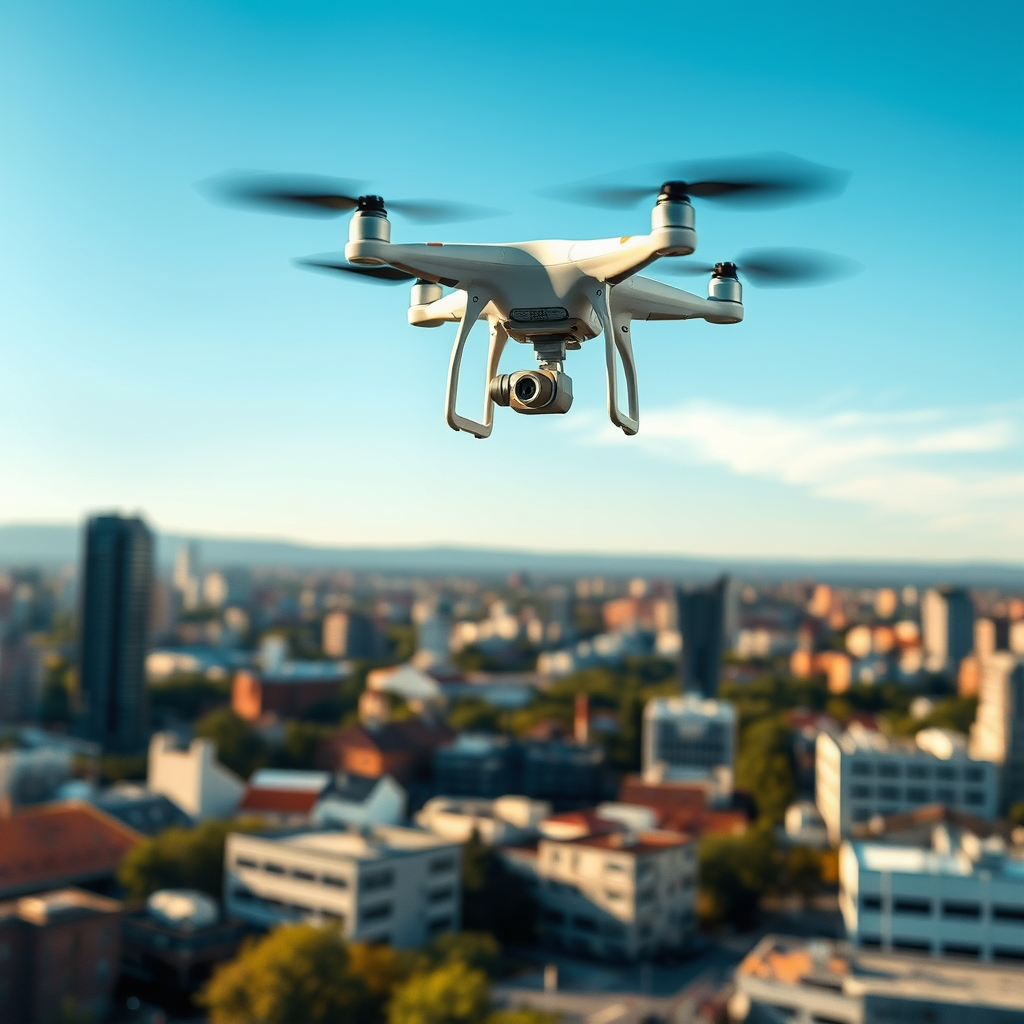
The Federal Aviation Administration (FAA) establishes regulations that govern the operation of unmanned aerial vehicles (UAVs) in the United States. The foremost rule is that both recreational and commercial drone flights must not exceed an altitude of 400 feet above ground level. This altitude limit is designed to minimize the risk of collisions with manned aircraft, which typically fly at higher elevations.
In addition to altitude restrictions, the FAA mandates that drone operators maintain a visual line of sight with their drones during flight. This rule ensures that pilots can effectively monitor their drone’s surroundings, thereby enhancing safety and reducing the likelihood of accidents. Compliance with FAA regulations is essential for both recreational hobbyists and professional operators, as violations can lead to significant penalties, including fines and loss of flight privileges.
Factors Affecting Drone Altitude
Several factors influence a drone’s ability to reach maximum altitudes, with weight and battery life being among the most significant.
– Weight: The weight of a drone plays a crucial role in its flight capabilities. Heavier drones may struggle with lift and stability, particularly at high altitudes. For instance, a consumer drone designed for photography may be equipped with additional camera gear, pushing its weight beyond optimal limits. In contrast, lightweight racing drones are engineered for speed and agility, allowing them to achieve higher altitudes more easily.
– Battery Life: The power consumption of a drone increases with altitude due to the need for more lift and stabilization. As drones ascend, they may require more energy to maintain flight, which can significantly reduce flight duration. For example, a drone operating at sea level may have a flight time of 30 minutes, but that time could drop to 20 minutes at higher altitudes. Operators must carefully consider battery capacity and flight conditions to avoid unexpected landings.
Drone Types and Their Capabilities
The drone market is diverse, with various models tailored for specific uses and performance levels. Understanding the capabilities of different types of drones is essential for determining how high they can effectively fly.
– Consumer Drones: Typically designed for recreational use, consumer drones often come equipped with user-friendly features and have altitude limits around 400 feet. Popular models such as the DJI Phantom series or the Parrot Anafi are excellent examples. These drones are optimized for stability and ease of use, making them suitable for hobbyists and amateur photographers.
– Professional Drones: On the other hand, professional drones are equipped with advanced technology, enabling enhanced performance and higher flight altitudes. Drones used in agriculture, surveying, or cinematography, such as the DJI Matrice series, often have the capacity to operate at higher altitudes, depending on local regulations. These drones may also include features like improved navigation systems, obstacle avoidance, and extended battery life, allowing for more complex flight operations.
Local Regulations and Restrictions
While federal regulations provide a general framework for drone operation, local laws and restrictions can vary significantly. Some areas may impose specific altitude limits, while others may designate no-fly zones where drone flights are strictly prohibited.
For instance, urban environments often have strict regulations to protect privacy and safety, and flying drones near airports or densely populated areas is typically restricted. Additionally, certain parks and recreational areas may have their own regulations regarding drone usage. It is imperative for drone operators to research and understand local laws before embarking on a flight to avoid potential legal issues and to ensure safe operation.
Safety Considerations for High Altitude Flights
Flying at higher altitudes presents unique challenges and hazards that every drone operator must consider.
– Potential Hazards: Increased altitude can lead to encounters with other aircraft, especially near airports or flight paths. The risk of collision rises significantly, underscoring the importance of maintaining visual line of sight and following airspace regulations. Furthermore, higher altitudes may expose drones to adverse weather conditions, such as strong winds, which can affect stability and control.
– Best Practices: To mitigate risks associated with high-altitude flights, drone operators should implement best practices for safety. This includes conducting thorough pre-flight checks, monitoring weather conditions, and using spotters when flying in complex environments. Operators should also ensure their drones are equipped with the latest software updates and safety features, such as return-to-home functions and GPS tracking.
Technological Advances in Drone Flight
The field of drone technology is rapidly evolving, with innovations continually pushing the boundaries of flight capabilities.
– Newer Models: Recent advancements have led to the development of drones capable of higher altitudes and longer flight times. For instance, some high-end models now incorporate advanced battery technologies, such as lithium-sulfur batteries, which provide significantly improved energy density compared to traditional lithium-ion batteries. This allows drones to achieve greater altitudes while maintaining longer flight durations, enhancing their usability for various applications.
– Future Insights: Ongoing research in drone technology promises even more remarkable changes. As regulations adapt to accommodate emerging capabilities, we may see new guidelines that allow for higher-altitude drone operations in specific contexts. Additionally, developments in artificial intelligence and machine learning are enhancing drones’ navigation and obstacle avoidance systems, further promoting safe operation at greater altitudes.
In summary, while the general maximum altitude for drones is set at 400 feet in the United States, multiple factors can influence how high they can actually fly. Understanding FAA regulations, the impact of drone types, local laws, and safety considerations is essential for responsible drone operation. As technology continues to advance, operators must stay informed about the latest developments and regulations to ensure safe and effective drone flights. Always prioritize safety and compliance when flying your drone, and enjoy the remarkable capabilities these devices offer.
Frequently Asked Questions
What is the maximum legal altitude for flying a drone?
In the United States, the Federal Aviation Administration (FAA) regulates drone flights, setting a maximum altitude of 400 feet above ground level for recreational and commercial pilots. This height helps ensure the safety of manned aircraft and minimizes the risk of collisions. However, if you’re flying near a taller structure, you may fly up to 400 feet above that structure’s height, as long as you remain within a 400-foot radius.
How high can a drone fly in different countries?
Drone altitude restrictions vary by country. For example, in the UK, the Civil Aviation Authority (CAA) allows drones to fly up to 400 feet, similar to the FAA in the U.S. However, some countries might have stricter regulations or specific zones where drone flights are prohibited. It’s crucial to check local regulations before flying to ensure compliance with the maximum altitude allowed in that area.
Why is there a limit on how high a drone can fly?
The altitude limit for drone flights is primarily for safety and regulatory reasons. By restricting drones to a maximum height of 400 feet, authorities aim to prevent collisions with manned aircraft, which typically fly at higher altitudes. Additionally, these regulations help maintain airspace order and ensure that drones do not interfere with commercial and private aviation operations.
What factors can affect how high a drone can actually fly?
Several factors can influence a drone’s effective flying altitude, including battery life, payload weight, and environmental conditions such as wind and temperature. Higher altitudes may lead to increased battery consumption and reduced performance, especially for consumer drones. Additionally, flying in windy conditions can make it challenging to control a drone at higher altitudes, potentially leading to safety issues.
Which drones can fly the highest?
Drones designed for professional and industrial applications often have higher flight capabilities than consumer models. For instance, some high-end commercial drones can achieve altitudes of up to 20,000 feet, but these are typically restricted to specific use cases with special permissions. For hobbyists, models like the DJI Mavic Series or Phantom Series are popular choices, allowing for flights up to 400 feet in compliance with regulations, making them ideal for aerial photography and recreational use.
References
- https://en.wikipedia.org/wiki/Drone
- https://www.faa.gov/uas/getting_started/part_107/
- https://www.nasa.gov/centers/dryden/pdf/81419.pdf
- https://www.theguardian.com/technology/2021/oct/05/drone-flying-height-regulations
- https://www.nytimes.com/2021/06/18/us/drone-height-regulations.html
- https://www.sciencedirect.com/science/article/pii/S2352864821000730
- https://www.faa.gov/uas/
- https://www.abc.net.au/news/2021-01-15/how-high-can-drones-fly/13052982
