
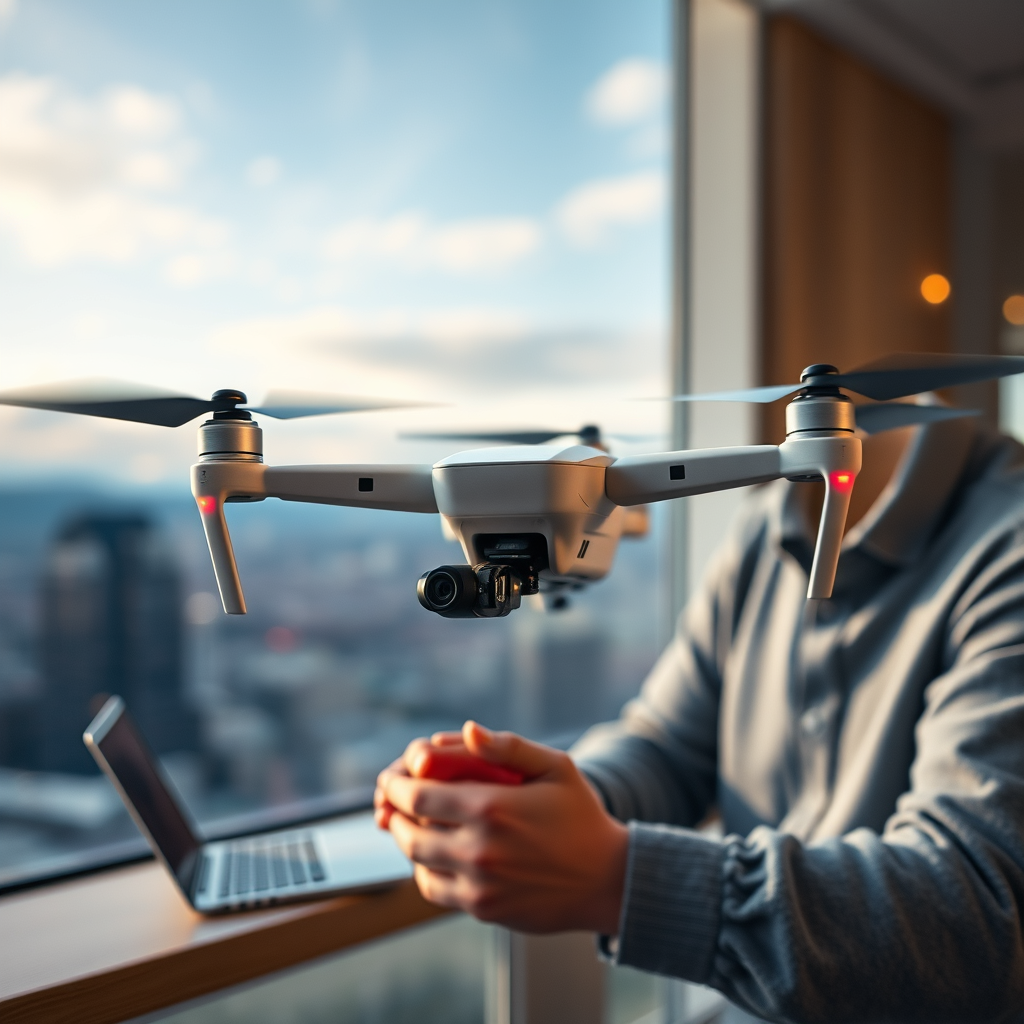
Drones in Canada can typically fly up to 400 feet (120 meters) above ground level in uncontrolled airspace, according to Transport Canada regulations. This altitude limit is established to ensure the safety of both drone operations and manned aircraft while allowing drone pilots to conduct their activities effectively. In this article, we will delve deeper into the specific regulations, factors influencing drone altitude, and best practices for flying drones in Canada.
Understanding Canada’s Drone Regulations
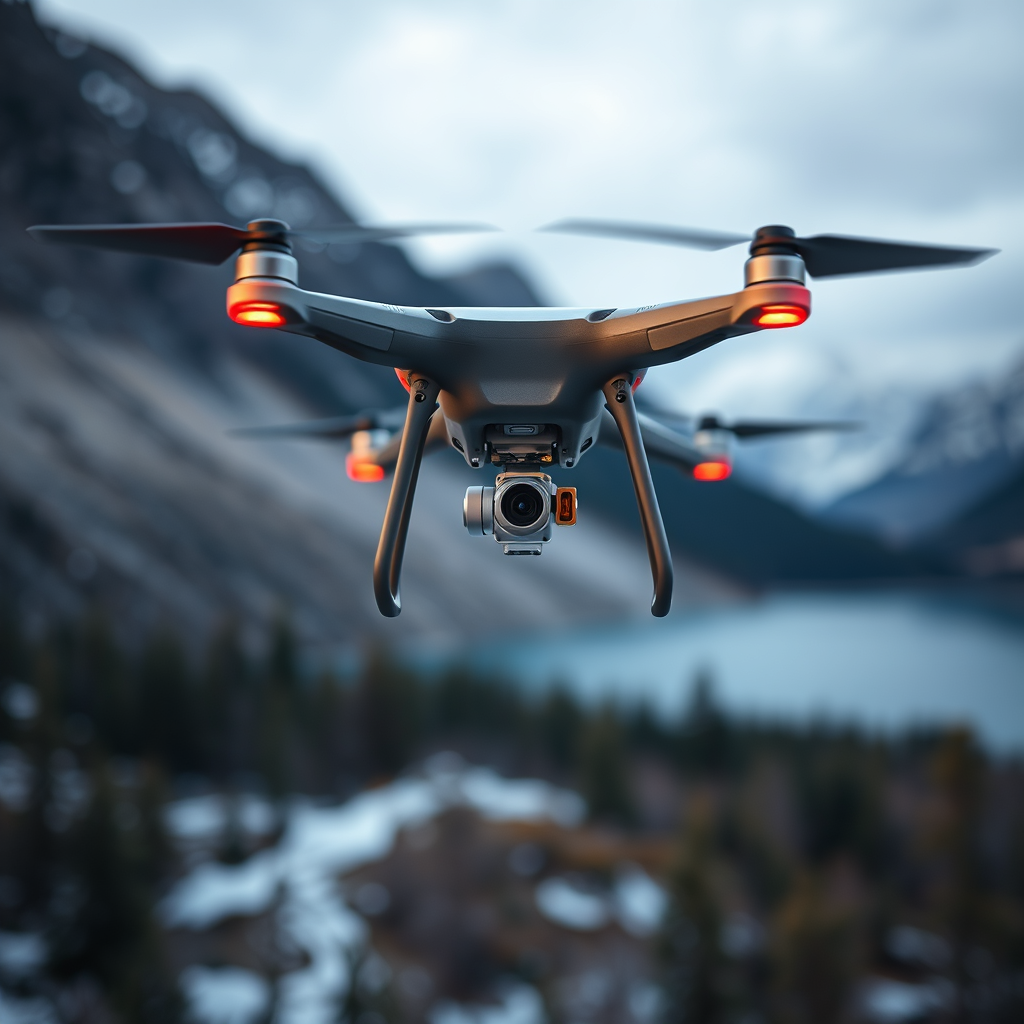
In Canada, the regulation of drone operations is primarily overseen by Transport Canada, which enforces strict guidelines to ensure the safety and integrity of the airspace. The 400-foot altitude ceiling in uncontrolled airspace is a key component of these regulations, designed to minimize the risk of collisions between drones and other aircraft. Uncontrolled airspace is defined as areas where air traffic control does not provide service, allowing for more flexible drone operation but still necessitating adherence to safety protocols.
Additionally, drone pilots must be aware of the distinction between controlled and uncontrolled airspace. In controlled airspace, which typically surrounds airports, drone operations are subject to further restrictions and may require special permissions or licenses. Understanding these regulations ensures that drone pilots operate within legal parameters, thus enhancing the overall safety of aviation activities in Canada.
Factors Influencing Drone Altitude
Several factors can affect the altitude at which a drone can safely operate. Firstly, the type of drone being used plays a significant role. For instance, consumer-grade drones may have built-in altitude limitations set by the manufacturer, while professional-grade drones designed for commercial applications often have higher performance capabilities and may allow for more altitude flexibility.
Environmental conditions also significantly influence flight altitude. Weather factors such as wind speed, precipitation, and visibility can all impact a drone’s ability to fly safely at higher altitudes. For example, high winds can make it challenging for a drone to maintain stable flight, especially at elevations above 400 feet. Additionally, the terrain can pose risks; flying over mountainous areas or densely wooded regions may require lower altitudes to avoid obstacles and ensure safe navigation.
Special Considerations for Urban Areas
Flying drones in urban environments presents unique challenges and considerations, particularly regarding altitude. The presence of high-rise buildings, power lines, and other obstacles necessitates lower flying altitudes to maintain safety. Moreover, navigating through a city requires constant vigilance to avoid potential hazards that can arise from both the environment and nearby human activity.
Furthermore, regulations may vary significantly depending on the proximity to airports and designated no-fly zones. Drone pilots should familiarize themselves with any local bylaws or restrictions that may dictate where and how high they can fly. Utilizing tools such as geo-fencing applications can assist pilots in identifying restricted areas and ensuring compliance with aviation laws while operating in urban settings.
Exceptions to the 400-Foot Rule
While the general altitude limit for drones in Canada is set at 400 feet, there are specific situations where exceptions may apply. For instance, certain permits can be obtained that allow for higher flight altitudes, particularly in the context of research, commercial operations, or special events. Operators seeking to conduct aerial surveys, inspections, or other specialized tasks may find it necessary to apply for a Special Flight Operations Certificate (SFOC), which grants permission to exceed standard altitude limits under controlled conditions.
Moreover, institutional and research entities may qualify for altitude exemptions if their operations contribute to public safety or scientific research. It is essential for pilots considering such operations to thoroughly understand the application process and ensure they meet all necessary requirements to operate legally and responsibly.
Safety Measures for High-Altitude Flights
When flying at higher altitudes, implementing robust safety measures is critical to ensuring that drone operations remain safe and compliant with regulations. Comprehensive pre-flight checks should be conducted to confirm that the drone is functioning correctly. This includes checking battery levels, ensuring the GPS is operational, and confirming that all systems are calibrated and in good working condition.
Maintaining visual line-of-sight (VLOS) with the drone is particularly important when flying at elevated altitudes, as it allows the pilot to maintain control and avoid potential collisions. Pilots should also remain vigilant regarding changing environmental conditions, which can affect flight stability at higher altitudes. By adhering to these safety measures, drone pilots can significantly reduce the risk of accidents and enhance the overall safety of their operations.
Best Practices for Drone Pilots
To ensure responsible and compliant drone operations, pilots should stay informed about local laws and regulations governing drone use. This includes being aware of any recent updates or changes to Transport Canada guidelines, as well as understanding specific regional regulations that may apply. Regularly reviewing official resources, such as Transport Canada’s website or consultation with aviation authorities, can provide valuable insights and updates.
Additionally, joining local drone clubs or associations can be beneficial for pilots seeking shared knowledge and resources. Engaging with a community of fellow drone enthusiasts allows for the exchange of best practices, tips, and experiences, fostering a culture of safety and compliance within the drone flying community. Such networks can also facilitate collaborative ventures and provide access to valuable training opportunities, enhancing the overall proficiency of drone operators.
In conclusion, while the maximum altitude for drone flights in Canada is generally set at 400 feet, various factors and regulations must be considered to ensure compliance and safety. By understanding the regulatory environment, acknowledging the influences on flight altitude, and adopting effective safety measures and best practices, drone pilots can operate responsibly while enjoying the benefits of this technology. For further information, consider exploring Transport Canada’s official resources or connecting with local drone communities to enhance your knowledge and skillset in drone operations.
Frequently Asked Questions
What is the maximum legal flying altitude for drones in Canada?
In Canada, the maximum legal flying altitude for drones is 122 meters (400 feet) above ground level. This regulation is in place to ensure the safety of both manned aircraft and drone operations. Pilots must also maintain visual line-of-sight with their drones during flight to comply with Transport Canada regulations.
How can I check if I’m flying my drone at a safe altitude in Canada?
To ensure you are flying your drone at a safe altitude in Canada, you can use various tools and apps such as NAV Canada’s Drone Flight Planning Tool or the FlySafe app. These resources provide real-time information about airspace restrictions and allow you to monitor your altitude, ensuring compliance with legal limits and enhancing flight safety.
Why is there a restriction on drone flying altitude in Canada?
The restriction on drone flying altitude in Canada, set at 122 meters (400 feet), is primarily aimed at preventing collisions between drones and manned aircraft. By maintaining these limits, Transport Canada ensures the safety of aviation operations in shared airspaces, thus protecting both drone operators and the general public.
What types of drones can fly higher than the legal limit in Canada?
Generally, commercial drones operated under special permissions, such as those with a Special Flight Operations Certificate (SFOC), can fly above the 122-meter limit in Canada. However, these operations are subject to strict regulations and must be justified by specific operational needs, such as aerial surveying or search and rescue missions, ensuring safety and compliance with aviation laws.
Which factors can affect a drone’s maximum flying altitude in Canada?
Several factors can affect a drone’s maximum flying altitude in Canada, including the type of airspace you are flying in, local regulations, and environmental conditions. For example, flying near airports or in controlled airspace may impose additional restrictions, while weather conditions like high winds can also impact a drone’s ability to maintain altitude. Always check local regulations and airspace classifications before flying.
References
- https://www.tc.gc.ca/en/services/aviation/drone-safety.html
- https://www.cbc.ca/news/canada/drone-regulations-canada-1.6105573
- https://www.canada.ca/en/transport-canada/services/aviation/drone-safety.html
- https://www.ontario.ca/page/drone-safety
- https://www.faa.gov/uas/
- https://www.cad.ca/en/
- https://www.wired.com/story/drone-flying-height-regulations/
- https://en.wikipedia.org/wiki/Unmanned_aerial_vehicle#Regulations
