
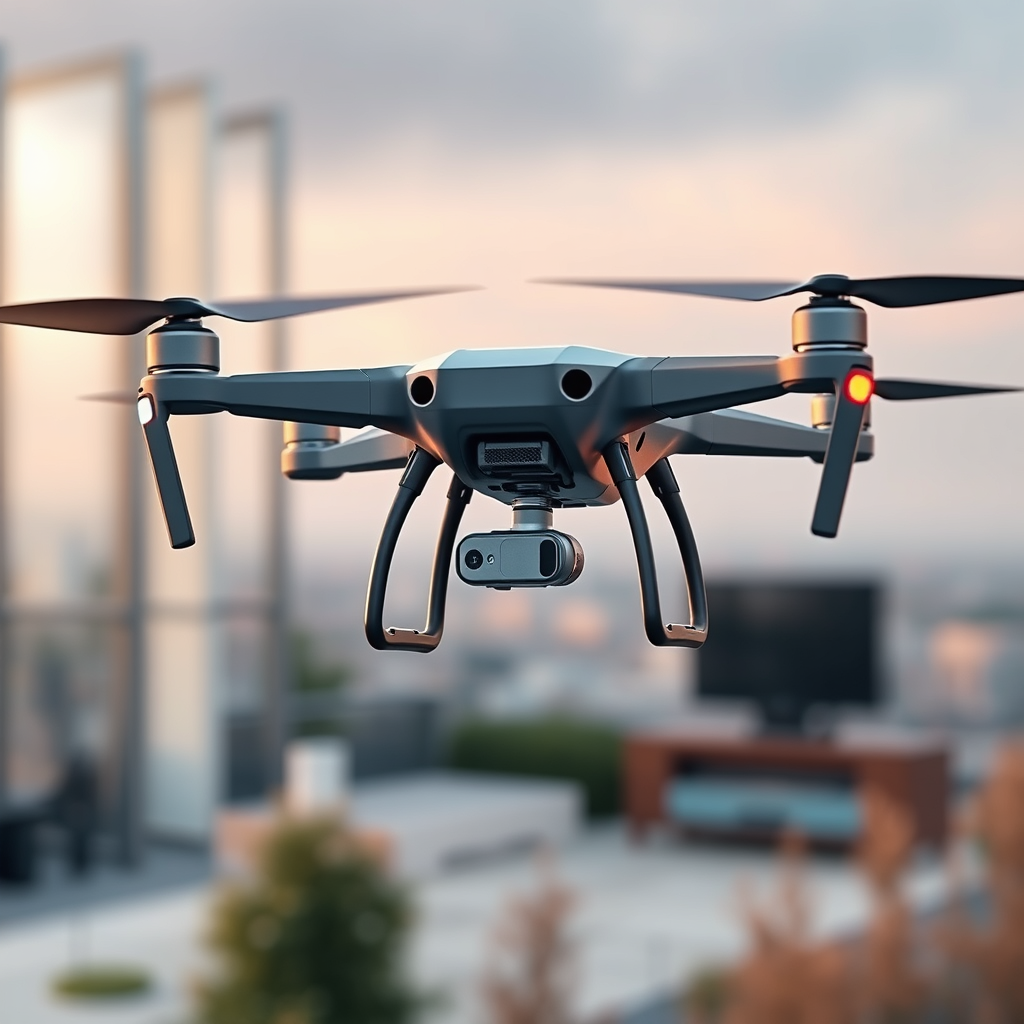
Drones can typically fly at altitudes up to 120 meters (400 feet) for commercial and recreational use, as regulated by aviation authorities in many countries. This altitude limit is designed to ensure safety and minimize interference with manned aircraft. However, various factors such as the type of drone, local regulations, and environmental conditions can influence how high a drone can actually fly. Understanding these variables is essential for drone enthusiasts and professionals alike, especially as the industry continues to evolve.
Understanding Drone Altitude Regulations
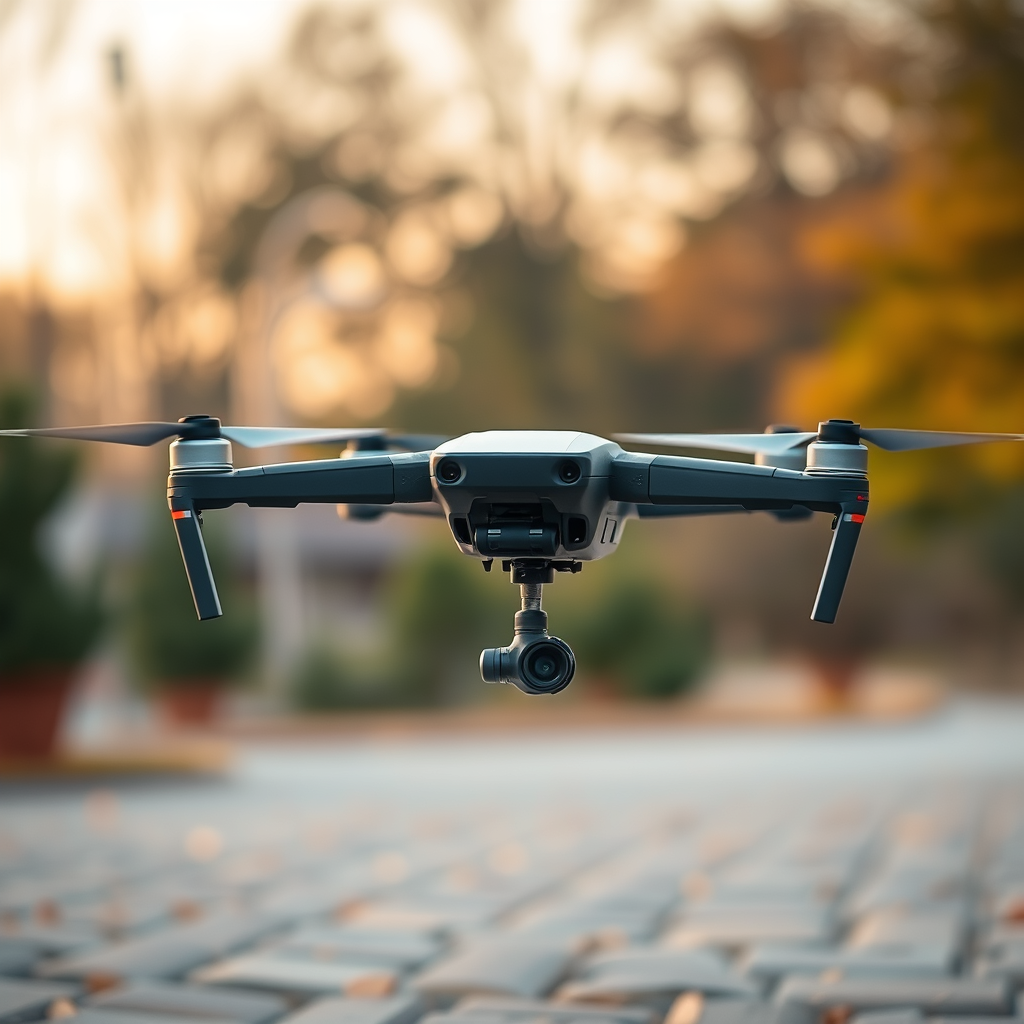
Aviation authorities worldwide have established altitude limits to ensure the safe operation of drones. In the United States, for instance, the Federal Aviation Administration (FAA) mandates that recreational and commercial drones must not exceed 120 meters (400 feet) above ground level when flying in uncontrolled airspace. Similar regulations exist in other regions, including the European Union Aviation Safety Agency (EASA) and the Civil Aviation Safety Authority (CASA) in Australia, with slight variations based on local air traffic considerations.
However, these regulations can differ significantly from one country to another. For example, in some countries, there may be specific zones where drones are prohibited from flying above a certain altitude due to proximity to airports or urban areas. Additionally, certain permissions may be required for higher altitude flights, especially for commercial users engaging in activities like aerial photography or surveying. Therefore, it is crucial for drone operators to familiarize themselves with local laws and regulations before taking to the skies.
Different Types of Drones and Their Limits
The type of drone being used can greatly influence its maximum altitude capabilities. Consumer drones, which are popular among hobbyists, often come with altitude limits set by manufacturers to ensure compliance with regulations and to enhance safety. For example, a common consumer drone like the DJI Mavic Air 2 is programmed to fly up to 500 meters, but operational regulations still restrict flights to 120 meters in many regions.
Conversely, professional drones, such as those used in commercial applications like surveying, mapping, and agriculture, may be engineered for higher altitude capabilities. These drones are equipped with advanced sensors and technologies that allow them to operate effectively at greater heights, often exceeding standard consumer limits. For instance, the senseFly eBee X, a fixed-wing drone designed for professional surveying, can operate at altitudes of up to 3,000 meters (about 9,800 feet) under the right conditions. This capability allows for extensive aerial data collection and analysis across vast areas, demonstrating how drone type correlates with altitude potential.
Factors Influencing Flight Height
Several factors can influence a drone’s ability to fly at its maximum altitude. Weather conditions are one of the most critical elements; strong winds, rain, or fog can significantly hinder a drone’s stability and control, making it unsafe to reach higher altitudes. For example, flying a drone in windy conditions can result in loss of control, potentially leading to crashes or accidents. Therefore, operators should always check weather forecasts and conditions before planning a flight.
Additionally, battery life and drone weight play pivotal roles in determining how high a drone can fly. Heavier drones, especially those equipped with additional payloads like cameras or sensors, may have reduced flight times and capabilities. For instance, a drone carrying a high-resolution camera for aerial photography may have a shorter flight duration and lower altitude ceiling compared to a lighter model designed for basic recreational use. Operators must therefore balance the drone’s weight with its intended purpose to optimize performance and ensure safety at higher altitudes.
Safety Considerations When Flying at High Altitudes
Operating a drone at high altitudes presents unique safety challenges that must be addressed to prevent accidents. One primary concern is avoiding obstacles such as buildings, trees, and power lines, which become increasingly difficult to navigate as the altitude increases. Drone operators should always conduct thorough pre-flight checks, including identifying potential hazards in the surrounding area, to ensure safe operations.
Moreover, awareness of air traffic is critical when flying at higher elevations. Drones can inadvertently interfere with manned aircraft, leading to dangerous situations. Many countries require drone operators to maintain visual line of sight with their drones at all times, which can be challenging at greater altitudes. Furthermore, as the number of drones in the airspace increases, operators must be vigilant about other drones to avoid mid-air collisions. Utilizing software applications that provide real-time airspace information can assist operators in maintaining situational awareness.
Technological Advancements in Drone Flight
Technological advancements are continually pushing the boundaries of how high drones can fly. Innovations in battery life are particularly significant, as longer-lasting batteries enable drones to achieve greater altitudes and sustain flight for extended periods. For instance, advancements in lithium-ion battery technology have led to lighter, more efficient batteries that can support higher payloads and longer flight times.
Additionally, improvements in drone materials and construction techniques have resulted in lighter and more aerodynamic designs. Companies are exploring the use of advanced composites and lightweight metals to create drones that can ascend to greater heights without compromising stability or control. These technological developments not only enhance the performance of drones but also broaden their applications across various industries, paving the way for future innovations in drone flight capabilities.
Real-world Applications of High-Flying Drones
High-altitude drones are increasingly utilized in a variety of real-world applications, demonstrating their versatility and importance in multiple fields. In agriculture, drones are employed for crop monitoring and management, allowing farmers to assess the health of their crops from altitudes that provide comprehensive aerial views. This capability enables precision agriculture, leading to more efficient farming practices and improved yields.
Moreover, in the field of surveying and mapping, high-flying drones are revolutionizing how land is measured and analyzed. Using advanced imaging technologies, these drones can collect data from altitudes unsuitable for traditional surveying methods, providing detailed topographical maps and 3D models that enhance urban planning and infrastructure development.
Environmental monitoring is another area benefiting from high-altitude drone technology. Drones are utilized to track wildlife, monitor deforestation, and assess the impacts of climate change across vast landscapes. Their ability to fly at significant altitudes allows researchers to collect data from otherwise inaccessible areas, supporting critical environmental research and conservation efforts.
In conclusion, while drones can generally fly up to 120 meters, various factors including regulations, drone type, and safety protocols can affect this limit. Understanding the nuances of drone operation at higher altitudes is essential for both recreational and professional users. As technology continues to evolve, the potential for high-flying drones will expand, opening new avenues for innovation and application. If you are considering flying a drone, always check local regulations to ensure compliance and safe operation, thus contributing to a responsible and sustainable drone industry.
Frequently Asked Questions
What is the maximum altitude a consumer drone can fly in meters?
Most consumer drones are limited to a maximum altitude of 120 meters (approximately 400 feet) above ground level. This limit is set by aviation authorities, such as the FAA in the United States, to ensure safety in airspace and to prevent interference with manned aircraft. Always check your local regulations as some regions may impose stricter altitude limits.
How do I know if my drone is reaching its altitude limit?
Most modern drones are equipped with built-in altimeters and GPS systems that display real-time altitude data on the controller or mobile app. Additionally, if your drone reaches its maximum altitude, it will often trigger a warning or automatically limit further ascent, ensuring compliance with height regulations. It is crucial to regularly monitor these readings to avoid exceeding legal limits.
Why are there restrictions on drone flight altitudes?
Restrictions on drone flight altitudes are primarily in place to maintain safety in the airspace and to avoid conflicts with manned aircraft, which typically operate at higher altitudes. These regulations help prevent accidents and ensure that drones don’t interfere with emergency services or commercial flights. Compliance with these rules is essential for responsible drone operation and safety.
What are the best practices for flying a drone at high altitudes?
To safely fly a drone at high altitudes, always adhere to local regulations and check the maximum allowed altitude in your area. Additionally, conduct pre-flight checks to ensure your drone’s battery is fully charged and that it is equipped with the latest firmware. Monitoring weather conditions is also crucial, as high winds can affect stability and control at greater heights.
Which drones are capable of flying the highest, and how high can they go?
Some high-performance drones designed for professional use, such as the DJI Matrice series or the senseFly eBee X, can reach altitudes of up to 5,000 meters (approximately 16,404 feet) under specific conditions. However, users must still comply with local regulations, as flying beyond legal limits can lead to penalties. It’s important to research and select a drone that fits your intended use while considering altitude capabilities and restrictions.
References
- https://en.wikipedia.org/wiki/Drone
- https://www.faa.gov/uas/getting_started/fly_for_fun
- https://www.nasa.gov/feature/what-are-drones-and-how-do-they-work
- https://www.reuters.com/technology/what-you-need-know-about-drone-regulations-2021-07-01/
- https://www.sciencedirect.com/science/article/pii/S2351978918305475
- https://www.bbc.com/news/technology-50850280
- https://www.ncbi.nlm.nih.gov/pmc/articles/PMC7570526/
- https://www.wired.com/story/drone-altitude-records/
