
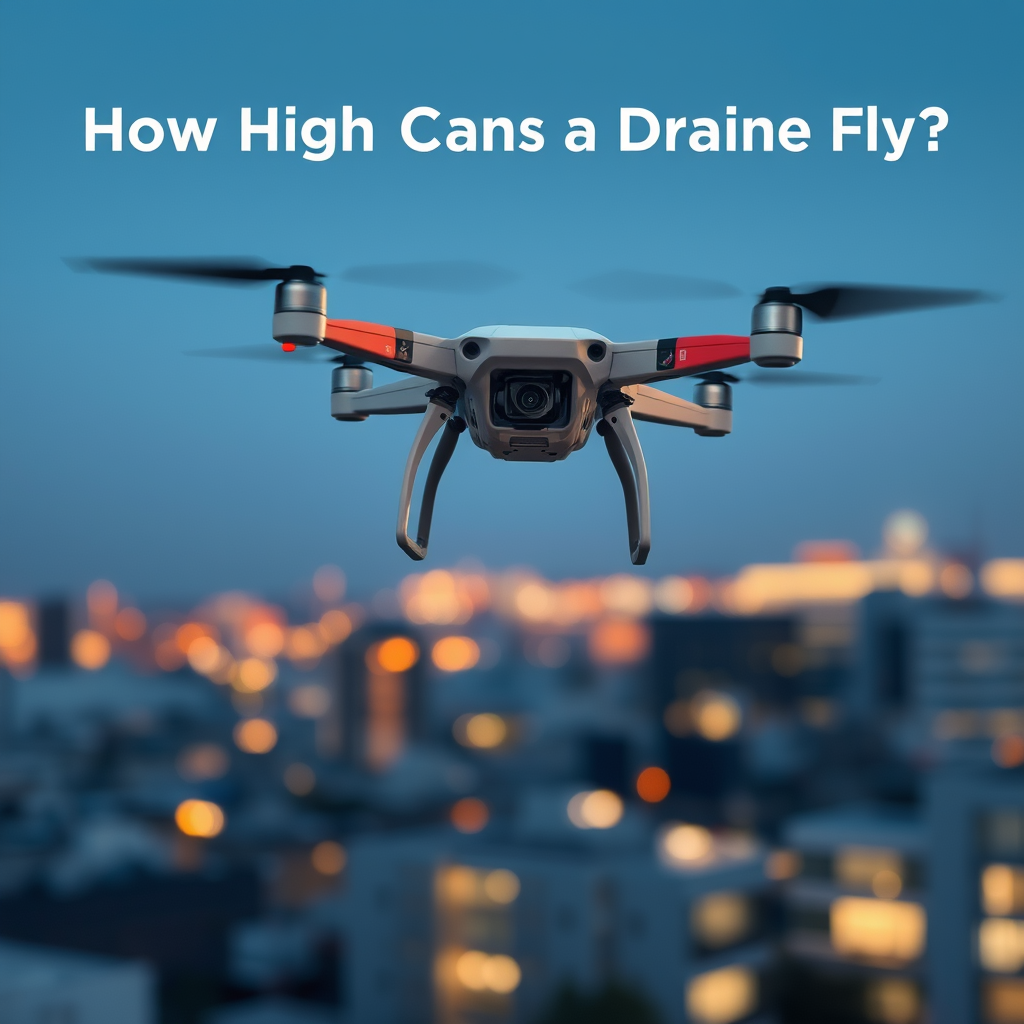
Drones can typically fly up to 400 feet (122 meters) above ground level, depending on regulations and the specific drone model. This altitude limit is set to ensure safety and minimize interference with manned aircraft, which operate at higher elevations. Understanding the nuances of drone flight capabilities is essential for both recreational and commercial operators. In this article, we will explore the factors that affect a drone’s altitude capabilities and the regulations governing drone flights, providing a comprehensive overview of this critical aspect of drone operation.
Understanding Drone Altitude Limits
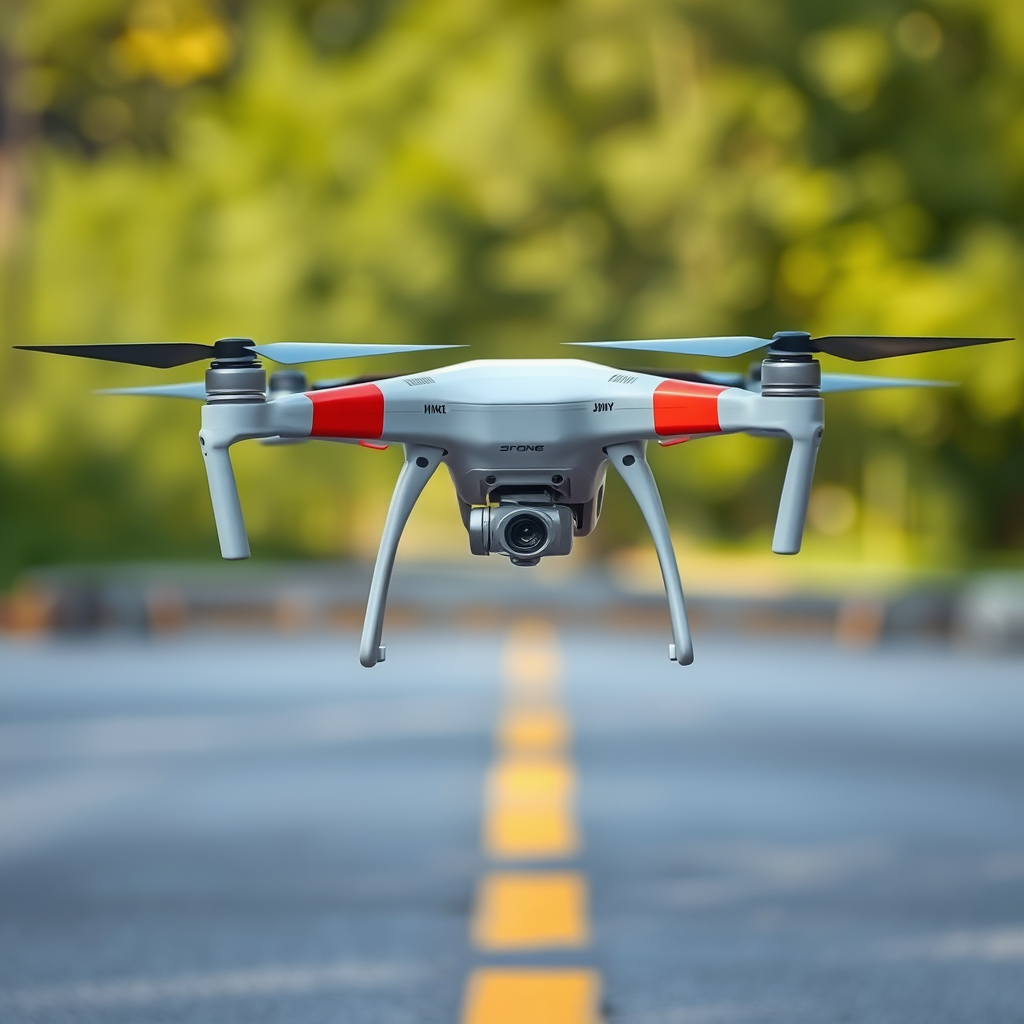
The Federal Aviation Administration (FAA) establishes the 400-feet altitude limit for most consumer drones in the United States. This regulation is designed to create a safe operating environment for both drone pilots and manned aircraft, which typically fly at altitudes above this threshold. The 400-foot limit applies to drones flown within the pilot’s visual line of sight and not in controlled airspace, which may have additional restrictions.
However, some specialized drones can fly higher than the standard limit. For instance, aerial surveying drones and certain commercial-grade models have been designed to operate above 400 feet, provided that operators have obtained the necessary waivers or permits from the FAA. These exceptions highlight the importance of understanding specific drone capabilities and regulatory frameworks for different use cases.
Factors Affecting Drone Flight Altitude
Several factors can influence a drone’s ability to reach and maintain altitude. One key element is battery life; the higher a drone flies, the more energy it requires to counteract gravity and maintain stability. As a result, a drone with a heavier payload or lower battery capacity may struggle to reach the 400-foot limit, especially in windy conditions.
Weather conditions also play a significant role in determining effective flying altitude. High winds can make it more challenging for drones to achieve and sustain altitude, leading to potential instability and risk of crash. Rain and other adverse weather conditions can further limit a drone’s altitude capabilities, as moisture can affect both the electronics and the physical structure of the drone.
Regulations Governing Drone Flight Heights
The FAA’s regulations apply universally to both recreational and commercial drones, making it crucial for operators to be aware of these requirements. In addition to the 400-foot altitude limit, drone pilots must adhere to other guidelines, including avoiding restricted airspace and maintaining visual line of sight during flight. Violating these regulations can lead to significant penalties, including fines and revocation of flying privileges.
Beyond federal regulations, local laws may impose additional restrictions on flight altitude. For example, some municipalities have enacted ordinances that limit drone flights over residential areas or certain public spaces. Therefore, it is vital for drone operators to stay informed about both federal and local regulations to ensure compliance and safe operation.
Types of Drones and Their Altitude Capabilities
Different types of drones have varying altitude capabilities, influenced by their design and intended purpose. Racing drones, for example, are built for speed and agility, often allowing them to reach higher altitudes quickly. These drones are typically lighter and more maneuverable, giving pilots the ability to perform aerial stunts and navigate complex environments.
On the other hand, professional drones used for photography and videography are often equipped with advanced stabilization technology, enabling them to maintain altitude more effectively while capturing high-quality images and footage. These drones may have stricter payload limits, but they are designed to operate efficiently within the 400-foot altitude limit for optimal performance.
Understanding the specifications and capabilities of your specific drone model is crucial for effective flight planning and execution. Operators should refer to the manufacturer’s guidelines to better comprehend their drone’s altitude limits and performance characteristics.
Safety Considerations for High-Altitude Flights
Flying at high altitudes poses inherent risks that drone operators must consider. One of the primary concerns is the potential loss of control. At higher elevations, a drone may encounter stronger winds and less stable air conditions, increasing the likelihood of accidents. Furthermore, flying too high can lead to collisions with manned aircraft, which pose significant safety risks for both parties.
To mitigate these risks, it is essential to maintain visual line of sight while flying. This practice not only ensures better control but also helps drone pilots avoid obstacles and other aircraft. Additionally, operators should familiarize themselves with their drone’s features, including fail-safe mechanisms and return-to-home functions, which can be crucial for maintaining safety during high-altitude flights.
Best Practices for Maximizing Drone Altitude
To maximize altitude capabilities while ensuring safe operation, drone operators should prioritize regular maintenance and pre-flight checks. Keeping the drone in optimal condition can enhance performance, allowing it to reach its maximum altitude. This includes checking battery health, propeller integrity, and firmware updates.
Moreover, understanding your drone’s specifications is vital for safe operation. Operators should familiarize themselves with the manufacturer’s guidelines, which often include recommended altitude limits based on the drone’s design and intended use. By adhering to these recommendations, pilots can optimize their flying experience while minimizing risks.
When planning a flight, it’s also advisable to conduct a thorough weather assessment. Checking wind speeds and potential weather changes can help operators determine the best time to fly, ensuring a safe and successful operation.
In conclusion, while most drones can fly up to 400 feet, various factors influence this capability. Understanding the regulations governing drone flights, along with the specific characteristics of different drone types, is essential for responsible operation. Additionally, safety considerations and best practices play a significant role in maximizing altitude potential. By staying informed and adhering to local laws, drone operators can ensure a safe and enjoyable flying experience.
Frequently Asked Questions
What is the maximum altitude a drone can fly legally?
The maximum altitude a drone can fly legally in the United States is generally 400 feet above ground level, according to the Federal Aviation Administration (FAA) regulations. This limit is set to ensure the safety of manned aircraft and to maintain safe airspace. However, some drones may be capable of flying higher, but it’s crucial to adhere to legal restrictions to avoid penalties and ensure safe operations.
How high can consumer drones typically fly?
Most consumer drones are designed to fly at altitudes ranging from 300 to 400 feet. High-end models, like the DJI Mavic series or the Phantom series, can reach altitudes of up to 5000 meters (approximately 16,404 feet), but they are often limited by firmware settings or regulations in various regions. Always check your drone’s specifications and local laws before attempting to fly at high altitudes.
Why is there a limit on how high drones can fly?
The altitude limit for drones is primarily in place to ensure the safety of airspace and prevent conflicts with manned aircraft. Drones flying above 400 feet can interfere with commercial and private planes, leading to potential accidents. Additionally, this regulation helps law enforcement and aviation authorities maintain control over air traffic, ensuring safer skies for everyone.
What factors can affect how high a drone can fly?
Several factors can influence a drone’s maximum flight altitude, including the type of drone, its weight, battery life, and weather conditions. Drones equipped with powerful motors and advanced technology can achieve higher altitudes, while heavier drones may struggle. Additionally, wind conditions and atmospheric pressure can impact a drone’s performance, so it’s essential to consider these factors before attempting high-altitude flights.
Which drones are known for their high-altitude capabilities?
Drones like the DJI Matrice 600 and the Parrot Anafi USA are known for their high-altitude capabilities, often exceeding the typical limits set for consumer drones. The Matrice 600, for example, is built for professional use and can reach altitudes well above 400 feet, making it suitable for various applications, including aerial photography and surveying. However, it’s essential to always check local regulations and ensure compliance when operating these advanced drones.
References
- https://en.wikipedia.org/wiki/Drone
- https://www.faa.gov/uas/getting_started/part_107/
- https://www.nasa.gov/feature/nasa-s-research-into-drone-flight-altitudes
- https://www.reuters.com/technology/what-you-need-know-about-drone-regulations-2021-06-25/
- https://www.bbc.com/news/technology-58633807
- https://www.sciencedirect.com/science/article/pii/S1877050920303835
- https://www.techrepublic.com/article/how-high-can-drones-fly/
- https://www.nist.gov/news-events/news/2021/05/nist-helps-define-drone-height-standards
