
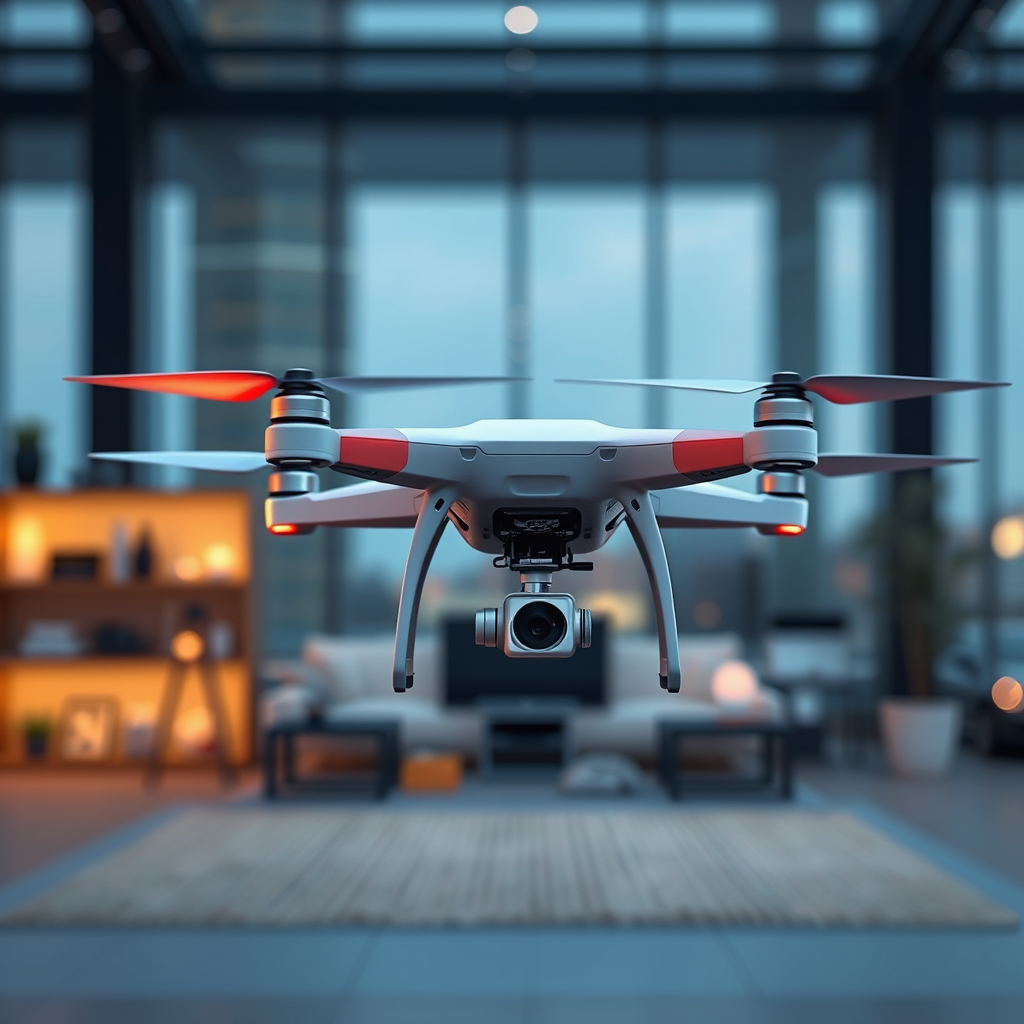
Drones can typically fly at altitudes up to 400 feet (120 meters) above ground level, depending on regulations and the type of drone being used. This altitude limit is crucial for ensuring safety and compliance with aviation laws. Understanding these limits is essential for effective and legal drone operation. In this article, we’ll explore various factors that influence drone flight height, including regulations, drone types, and environmental conditions, providing you with a comprehensive understanding of safe drone flying practices.
Understanding FAA Regulations

The Federal Aviation Administration (FAA) establishes the standard for drone operations in the United States, with a maximum altitude of 400 feet for most drones. This regulation is designed to minimize the risk of collisions between unmanned aerial vehicles (UAVs) and manned aircraft, which typically operate at altitudes higher than this limit. Additionally, drone operators are required to maintain visual line of sight (VLOS) with their UAVs, ensuring they can see the drone at all times during flight. This requirement not only enhances safety but also reinforces responsible drone usage. Operators are also encouraged to stay updated on any changes to these regulations, as drone laws can evolve in response to technological advancements and safety concerns.
Factors Affecting Flight Height
Several factors influence the effective flight height of a drone, beginning with the type of drone itself. Consumer drones, such as those from DJI or Parrot, typically have a maximum flight altitude of 400 feet due to design specifications and regulatory compliance. On the other hand, commercial drones might have the capability to fly higher, but this requires special authorization from aviation authorities.
Environmental conditions also play a significant role in determining drone altitude. Geographic elevation can affect a drone’s ability to maintain stable flight, especially in mountainous regions. Weather conditions such as high winds, rain, or low visibility can limit safe operational altitude, prompting operators to adjust their flight plans accordingly. Additionally, obstacles in the environment, such as buildings, trees, or power lines, can restrict the effective flight height, necessitating careful planning and awareness of the flying area.
Types of Drones and Their Flight Capabilities
Within the realm of drones, there are various categories, each designed with specific capabilities and intended uses.
– Consumer Drones: These drones are widely used for recreational purposes, photography, and videography. Most consumer drones are designed to comply with regulations, thus generally having a flight ceiling of 400 feet. For instance, the DJI Mavic Air 2 offers impressive features while adhering to this altitude limit.
– Commercial Drones: These UAVs are utilized for professional applications such as agriculture, surveillance, and infrastructure inspection. Some commercial drones can be authorized to fly at altitudes exceeding 400 feet, provided operators apply for and receive a waiver or special permission from the FAA. For example, drones used in construction may fly higher to capture site surveys, but these operations must be carefully coordinated to avoid airspace conflicts.
– Racing Drones: Designed for speed and agility, racing drones can also reach high altitudes, but competitive racing typically occurs at lower heights to enhance control and maneuverability. However, racing drone pilots must remain vigilant about complying with local regulations regarding altitude.
Safety Considerations for High Altitude Flights
Safety is paramount when operating drones, particularly at higher altitudes. One of the primary considerations is avoiding manned aircraft, as drones must maintain a safe distance from other flying vehicles to prevent accidents. Pilots should be aware of nearby airports and air traffic patterns, ensuring they do not inadvertently fly into controlled airspace.
Understanding airspace classifications is essential for drone operators. There are several classes of airspace, each with specific altitude restrictions and requirements. For instance, Class B airspace, which surrounds major airports, has stringent regulations and may require prior authorization for drone flights. Conversely, Class G airspace is uncontrolled and offers more freedom for drone operations but still requires adherence to height limits.
Additionally, operators should always conduct pre-flight checks to ensure that all equipment is functioning properly. Regular maintenance and calibration of drones can minimize the risk of malfunctions that could lead to accidents, especially at higher altitudes.
Tips for Maximizing Drone Flight Height
To maximize flight height while ensuring safety and compliance, drone operators should follow best practices:
– Pre-flight Checks: Before each flight, operators should conduct thorough inspections of their drones, checking battery levels, propeller conditions, and GPS functionality. Ensuring that the drone is in optimal condition will enhance performance and safety during high-altitude flights.
– Planning Flight Paths: Operators should strategically plan their flight paths, identifying areas that are clear of obstacles and air traffic. Utilizing tools such as drone flight apps can help in mapping out safe routes and avoiding restricted airspaces.
– Stay Informed: Operators should regularly check for updates on local regulations and airspace restrictions. Engaging with local drone communities or forums can provide valuable insights and tips for navigating the complexities of drone flight.
The Future of Drone Flight Heights
As technology continues to evolve, the future of drone flight heights appears promising. Innovations such as improved battery technology, advanced navigation systems, and enhanced obstacle avoidance capabilities may soon allow drones to operate at higher altitudes safely.
Moreover, regulations are also likely to evolve alongside technological advancements. As more drones enter commercial use, authorities may consider revising altitude limits and airspace classifications to accommodate new operational needs. Staying informed about these changes will be crucial for operators wishing to maximize the capabilities of their drones while ensuring safety and compliance.
In conclusion, while most drones can fly up to 400 feet, various factors including regulations, drone types, and environmental conditions can influence this limit. Understanding FAA regulations, the characteristics of different drones, and safety considerations is vital for responsible drone operation. As the industry continues to advance, staying informed about technology and regulatory changes will help operators navigate the skies safely and effectively. For further exploration of drone capabilities, check out our other articles on drone technology and safety tips.
Frequently Asked Questions
What is the maximum height a drone can fly legally?
In most countries, including the United States, the Federal Aviation Administration (FAA) regulates drone flights to a maximum altitude of 400 feet above ground level. This limit helps prevent interference with manned aircraft and ensures safe operation within controlled airspace. However, some areas may have specific restrictions, so it’s essential for drone operators to check local regulations before flying.
How does the weight of a drone affect its flying height?
The weight of a drone significantly impacts its performance and maximum flight altitude. Heavier drones may require more power to achieve higher altitudes, which can strain the battery and reduce flight time. Additionally, larger drones often have more robust motors and propellers, enabling them to handle increased weight and fly higher, but they still must comply with legal altitude limits.
Why do drones have altitude limitations?
Drones have altitude limitations primarily for safety and regulatory reasons. These restrictions are in place to avoid collisions with manned aircraft, which typically operate at higher altitudes, and to protect sensitive areas like airports and military zones. By adhering to these altitude limits, drone operators can contribute to safer airspace and reduce the risk of accidents.
What factors can influence a drone’s maximum flying height?
Several factors can influence a drone’s maximum flying height, including battery life, weather conditions, and drone design. For instance, strong winds or rain can limit a drone’s ability to maintain altitude, while the quality of the drone’s motors and propellers can affect its lifting capability. Additionally, the specific purpose of the drone, such as photography or surveying, may dictate its operational altitude.
Which drones can fly the highest and what are their typical altitudes?
High-performance drones, often used for professional applications like surveying and mapping, can fly significantly higher than the standard 400 feet limit under certain conditions. Models like the DJI Matrice series can reach altitudes of up to 6,000 meters (approximately 19,685 feet) when equipped with special permissions or in remote areas. Operators should always ensure compliance with local regulations and obtain necessary permits when flying above standard limits.
References
- https://en.wikipedia.org/wiki/Drone
- https://www.faa.gov/uas/getting_started/part_107/
- https://www.nasa.gov/aeroresearch/programs/airspace/uas
- https://www.ncbi.nlm.nih.gov/pmc/articles/PMC6611866/
- https://www.reuters.com/technology/what-you-need-know-about-drone-usage-2021-06-25/
- https://www.theguardian.com/technology/2022/jul/26/drone-regulations-uk-2022
- https://www.bbc.com/news/technology-48178680
